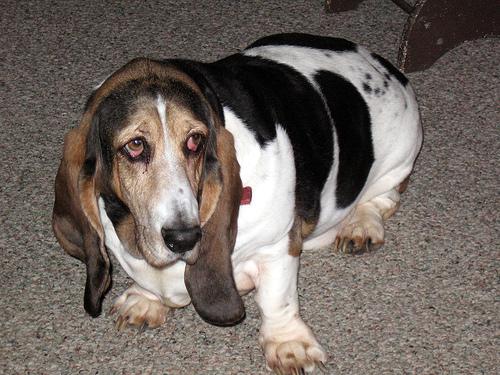
Basset Hound
Temperament
About the Basset Hound
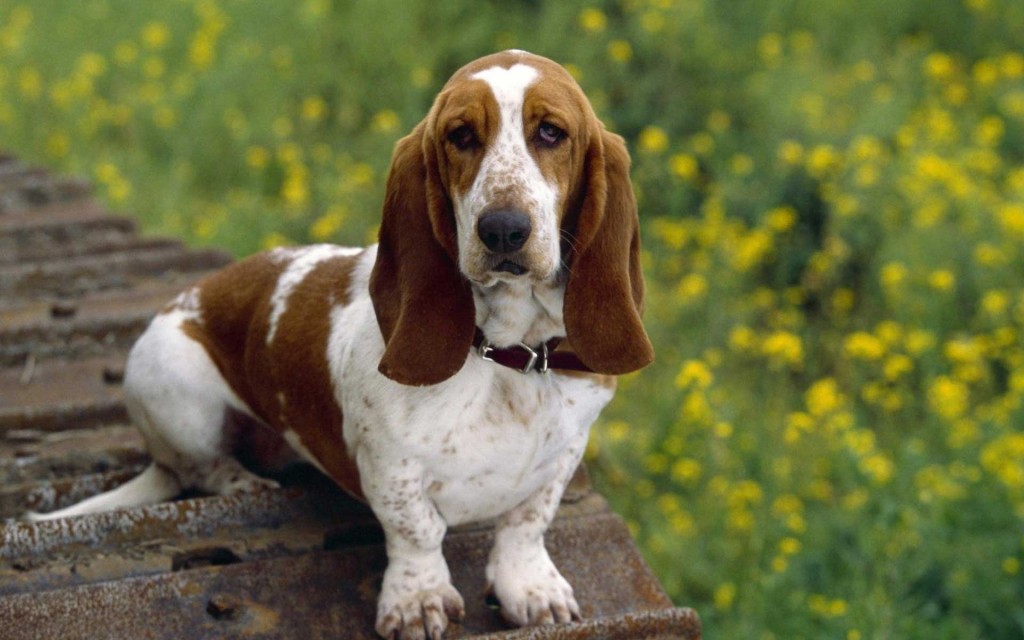
The Basset Hound's roots trace back to 16th-century France, though the breed as we recognize it today was refined primarily in 19th-century Britain. The name itself comes directly from the French word 'bas,' meaning low, with the diminutive suffix '-et' — a straightforward nod to the breed's defining physical trait. French monks at the Abbey of St. Hubert are credited with early development of low-slung scent hounds, and the Basset descended from several now-extinct French basset-type breeds, all sharing that characteristic close-to-ground build optimized for trailing game through dense cover.
The breed gained significant traction in England after Lord Galway imported a pair of Basset Hounds from France in 1866. Breeding efforts by Everett Millais — often called the father of the modern English Basset Hound — further shaped the breed in the 1870s and 1880s. Millais crossed French imports with Bloodhounds to increase size and substance, which explains the notable Bloodhound influence visible in the Basset's heavy bone structure, loose skin, and deeply pronounced dewlap. The breed was first exhibited at a Paris dog show in 1863, and the American Kennel Club formally recognized the Basset Hound in 1885, placing it in the Hound Group where it remains today, currently ranked around 34th in AKC breed popularity out of over 200 recognized breeds.
The Basset Hound Club of America, founded in 1935, serves as the AKC parent club and maintains the breed standard. In France, the breed is one of six recognized basset-type breeds — distinct from the Basset Artésien Normand, the Basset Bleu de Gascogne, and others — each developed for slightly different terrain and quarry. The American and British Basset Hound is heavier-boned and more exaggerated in construction than most of its French cousins, largely due to those strategic Bloodhound crosses.
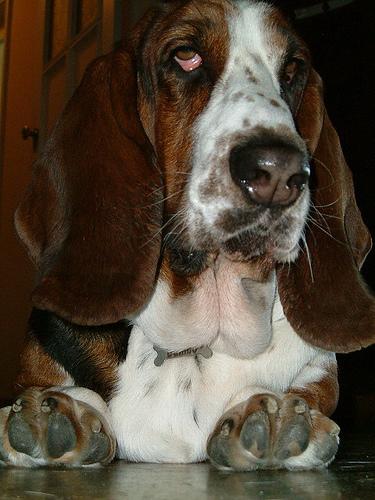
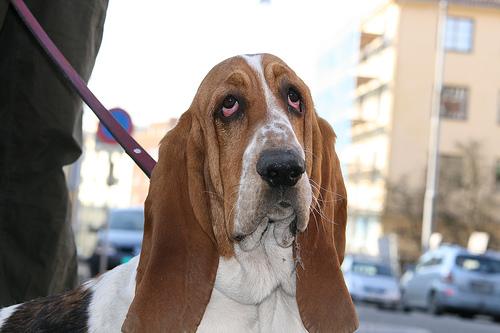
What separates the Basset from nearly every other scenthound is its combination of tracking ability and deliberate, measured pace. Bred specifically so that hunters could follow on foot rather than horseback, the Basset's slow, methodical trailing style was a design feature, not a flaw. Its nose ranks second only to the Bloodhound in ground-scenting capability, a fact that shapes everything about how this dog interacts with its environment. That long, heavy ear — falling well below the jaw — is not merely aesthetic. It serves to funnel scent upward toward the nose, a functional adaptation that reflects centuries of intentional selective breeding for a very specific purpose.
At a Glance
Quick Facts
- Breed Group:
- Hound
- Bred For:
- Hunting by scent
- Origin:
- France
- Life Span:
- 12 - 15 years
- Weight:
- 50 - 65 lbs
- Height:
- 14 in
💰 Basset Hound Cost Guide
Food · Vet · Grooming · Insurance · Full breakdown
Frequently Asked Questions
What is the temperament of a Basset Hound?
Basset Hounds are known to be tenacious, friendly, affectionate, devoted, sweet-tempered, gentle, playful, loyal, curious, quiet, brave. This combination of traits makes them excellent companions for families with children. Their temperament is influenced by both genetics and proper socialization from an early age.
How much exercise does a Basset Hound need?
Basset Hounds are high-energy dogs requiring 60+ minutes of vigorous daily exercise and mental stimulation.
How often should I groom my Basset Hound?
Basset Hounds need moderate grooming including brushing 2-3 times weekly and regular maintenance.
How do I train a Basset Hound?
Basset Hounds are highly trainable and typically respond well to positive reinforcement methods.
Are Basset Hounds good with children?
Basset Hounds are excellent with children. Their natural patience, gentle nature, and resilience make them outstanding family dogs. They typically form strong bonds with children and tend to be forgiving of the occasional accidental rough handling that can occur with younger kids. Remember that proper socialization and teaching children appropriate interaction with dogs are always important, regardless of breed.
What makes the Basset Hound unique compared to other dog breeds?
The Basset Hound stands out from other breeds due to its rich heritage from France, exceptional hunting abilities. This unique combination of characteristics makes them special among dog breeds and appeals to owners who appreciate these distinct qualities. Understanding these traits helps provide appropriate care tailored to their specific needs.
What should I know before getting a Basset Hound?
Before bringing a Basset Hound into your home, potential owners should consider: They have high exercise requirements (4/5) and need an active owner. They typically excel in family environments with children (5/5 child-friendliness). They're typically highly trainable (4/5) and eager to learn. They may be prone to breed-specific health issues including Bloat (GDV), Hip Dysplasia, Elbow Dysplasia, Ear Infections, Skin Fold Dermatitis, Thrombopathia, Intervertebral Disc Disease. Additionally, researching reputable breeders or rescue organizations is essential for finding a healthy, well-socialized Basset Hound. Understanding these factors will help ensure a good match between the breed and your lifestyle, leading to a happy relationship for both you and your dog.
What were Basset Hounds originally bred for?
Basset Hounds were originally bred for hunting by scent. This hunting background explains their natural prey drive, scenting abilities, and often high energy levels. As part of the Hound group, they share characteristics with other breeds developed for similar purposes. Understanding your Basset Hound's breeding heritage helps explain many of their natural behaviors and instincts, which can be channeled appropriately through training and enrichment activities. Even though modern Basset Hounds are primarily companions, these inherent traits remain part of their genetic makeup.
How long do Basset Hounds typically live?
The average lifespan of a Basset Hound is 12 - 15 years. With proper care including quality nutrition, regular veterinary check-ups, appropriate exercise, and preventative healthcare, some Basset Hounds may live beyond this range. Genetics, environment, and healthcare all play important roles in determining longevity.
Are Basset Hounds good apartment dogs?
Basset Hounds can adapt reasonably well to apartment living given their low energy indoors and moderate exercise needs, but there are real caveats. Their howl — a deep, resonant bay they produce when bored, anxious, or scent-excited — carries through walls and floors and is a legitimate noise complaint risk in shared-wall housing. They also have a strong instinct to follow their nose, so any outdoor time requires a securely leashed or fenced environment. If the apartment building has stairs, you'll need to manage that carefully, as repeated stair climbing puts stress on the spine of a breed already predisposed to Intervertebral Disc Disease. Ramps or consistent carrying for multi-flight climbs are worth considering. With daily walks, mental enrichment, and ideally a nearby fenced area, a Basset can live comfortably in an apartment — but the vocalization issue is the most common reason it doesn't work out.
Why does my Basset Hound ignore me when I call them?
This is almost certainly scent-driven rather than defiance. The Basset Hound has the second-most capable nose of any dog breed, trailing only the Bloodhound, and when a compelling smell engages that system, auditory processing genuinely takes a back seat. It's a neurological prioritization that was deliberately bred into the dog over centuries of selective hunting work — a dog that abandoned a trail every time it heard a sound would have been useless for tracking. In practical terms, no Basset should be trusted off-leash in an unfenced area regardless of how reliable their recall appears at home. In fenced spaces, improving recall means consistently pairing your recall command with extremely high-value food rewards — not kibble, but real meat — and practicing before the dog has found an interesting scent rather than trying to break through an active sniffing episode.
How serious is IVDD in Basset Hounds?
Intervertebral Disc Disease is one of the most serious health concerns in the breed and warrants genuine preventive effort. Bassets are chondrodystrophic dogs — the genetic mutation responsible for their short legs also produces abnormally calcified spinal discs throughout their lives. These discs are more likely to herniate under stress than those of standard-legged breeds, and when they do, the resulting spinal cord compression can range from pain and wobbliness to complete hind-limb paralysis. The risk isn't hypothetical; many Basset owners deal with at least one IVDD episode over the course of their dog's life. Preventive management includes keeping the dog lean — excess weight is a major aggravating factor — using ramps instead of furniture jumping, and recognizing early warning signs like back pain, reluctance to move, or hind-end weakness. Surgical treatment for severe cases costs $3,000 to $8,000, which makes pet insurance a genuinely important consideration for this breed.
Do Basset Hounds shed a lot?
Yes, more than their short coat suggests. Basset Hounds shed consistently year-round with heavier seasonal blowouts in spring and fall. The coat hairs are short but stiff and dense, and they embed themselves in upholstery, carpet, and clothing with impressive tenacity. Weekly brushing with a rubber curry brush or a hound mitt significantly reduces loose hair accumulation in the home, and a deshedding tool like a Furminator used during heavy shedding seasons helps manage volume. Beyond the coat itself, Bassets also drool — not as heavily as Mastiffs or Saint Bernards, but enough that slobber on walls, floors, and furniture is a regular reality, particularly after drinking. Prospective owners who are sensitive to pet hair or committed to a tidy home should factor both the shedding and the drool into their decision.
Additional Characteristics
Care Requirements
They are high-energy dogs that need significant daily exercise and mental stimulation.
They need moderate grooming, including regular brushing and occasional professional care.
Highly trainable — quick to learn and eager to please
They are excellent with children and often form strong bonds with them.
Basset Hound
Complete Breed Guide
About the Basset Hound
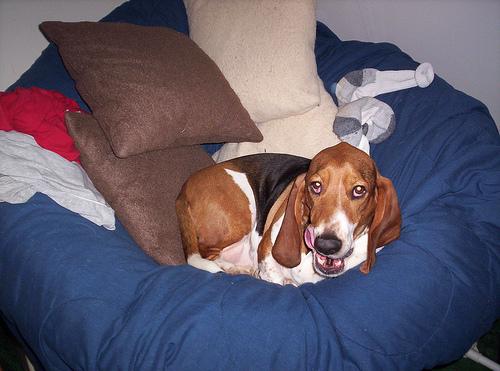
The Basset Hound is a scent hound breed with origins that are somewhat unclear, believed to date back to medieval France. Characterized by their long ears, droopy eyes, and short legs, they typically weigh between 50 to 65 pounds and stand about 14 inches tall at the shoulder. Known for their tenacious and friendly temperament, Basset Hounds are often used in hunting due to their excellent tracking abilities, but they also make affectionate family pets, enjoying a laid-back lifestyle while being playful and loyal companions.
Basset Hounds are known for being tenacious, friendly, affectionate, devoted, sweet-tempered, and gentle, playful, loyal. As a high-energy breed, they are highly responsive to training and thrive with regular mental and physical activity. They are excellent with children of all ages and friendly with other dogs, making them a popular choice for families and experienced dog owners alike.
Caring for a Basset Hound means committing to moderate grooming every week or two, vigorous daily exercise, and consistent training from an early age. Their gentle, social nature makes them a wonderful addition to active families.
At a Glance
Quick Facts
- Breed Group:
- Hound
- Bred For:
- Hunting by scent
- Origin:
- France
- Life Span:
- 12 - 15 years
- Weight:
- 50 - 65 lbs
- Height:
- 14 in
Temperament
Free Basset Hound Health Guide
Basset Hounds can be prone to Bloat (GDV) and other conditions. Get our owner's health checklist and monthly vet tips — free.
- ✓Basset Hound-specific health warning signs
- ✓Vet visit checklist & cost tracker
- ✓Monthly breed health newsletter
Finding similar breeds...
How We Find Similar Breeds
We analyze breed characteristics including temperament, size, appearance, and care needs to identify the most similar dog breeds. This helps you discover alternatives that might be a good match for your lifestyle and preferences.
Explore Related Breeds & Guides
Adopt a Basset Hound
Filter to show only purebred Basset Hounds (excludes mixed breeds and crosses)
Find Dogs Near You
Enter your location to discover adoptable pets nearby
How to Adopt a Basset Hound
Follow these steps to ensure a smooth and responsible adoption process. Remember that adopting a dog is a lifelong commitment.
Research the Breed
Learn everything you can about Basset Hounds, including their temperament, exercise needs, grooming requirements, and potential health issues.
Find Reputable Sources
Look for adoptable dogs through shelters, rescue organizations, or responsible breeders. Avoid puppy mills and online scams.
Apply for Adoption
Complete an adoption application with your chosen organization. Be prepared to provide references and possibly go through a home visit.
Meet Your Potential Pet
Schedule a meeting with the dog to assess compatibility with you, your family, and any existing pets.
Prepare Your Home
Gather necessary supplies and dog-proof your home before bringing your new pet home.
1Essential Supplies
Food and water bowls, high-quality dog food, collar with ID tag, leash, bed, crate, toys, treats, grooming supplies, and cleaning products for accidents.
2Create a Safe Space
Designate an area where your dog can retreat when feeling overwhelmed. This could be a crate with comfortable bedding or a quiet corner with their bed.
3Remove Hazards
Secure or remove toxic plants, chemicals, small objects that could be swallowed, and foods that are harmful to dogs. Use baby gates if needed to restrict access to certain areas.
4Find a Veterinarian
Research and choose a veterinarian before bringing your dog home, and schedule an initial check-up shortly after adoption.
What is the dog's background and history?
Understanding a dog's past can help you anticipate potential behavior issues and provide appropriate support.
Has the dog been spayed/neutered and vaccinated?
This information is important for planning future veterinary care and understanding any immediate medical needs.
What is the dog's energy level and exercise needs?
Basset Hounds typically need regular exercise to stay healthy and happy. Ask about specific exercise requirements.
Has the dog been socialized with other animals and people?
This helps you understand how the dog might interact with your family, friends, and other pets.
Are there any known behavioral or health issues?
Knowing about existing issues helps you prepare for any special care or training needs.
Special Considerations for Basset Hounds
- Basset Hounds may have specific health concerns that require regular monitoring.
- Consider how the typical Basset Hound temperament aligns with your lifestyle.
- Research the grooming needs of Basset Hounds to ensure you can commit to the required maintenance.
- Understand the exercise requirements of Basset Hounds to keep them healthy and prevent behavior problems.
- Learn about proper training methods that work well with Basset Hounds.
Product Recommendations for Basset Hounds
See all →Vet-reviewed picks for food, insurance, crates, brushes, treats, and toys — matched to this breed.
Compare Basset Hound with Similar Breeds
See how the Basset Hound stacks up against other breeds side by side.