
Boxer
Temperament
About the Boxer
The Boxer's roots trace directly to 19th-century Germany, where the breed emerged from the now-extinct Bullenbeisser — a powerful Mastiff-type dog used by German hunters to chase and hold wild boar, bear, and deer until the hunters arrived on foot. As large game hunting declined with the enclosure of European forests, the Bullenbeisser's working purpose faded, and breeders began crossing it with the Old English Bulldog to produce a more refined, versatile animal. Three German breeders — Friedrich Robert, Elard König, and R. Höpner — are credited with formalizing the breed in Munich in 1895, when they founded the first Boxer Club, the Deutschen Boxer Club, and published the inaugural breed standard. The name "Boxer" is widely believed to derive from the breed's distinctive habit of sparring with its front paws when playing or fighting, though some historians dispute this etymology.
The breed arrived in the United States in the early 20th century, but significant growth in American popularity came after World War I, when returning soldiers brought Boxers home with them. The American Kennel Club officially recognized the Boxer in 1904, and the American Boxer Club — the AKC's parent club for the breed — was founded in 1935. Today the AKC consistently ranks the Boxer among the top 20 most popular breeds in the country, reflecting more than a century of sustained American affection for the dog.
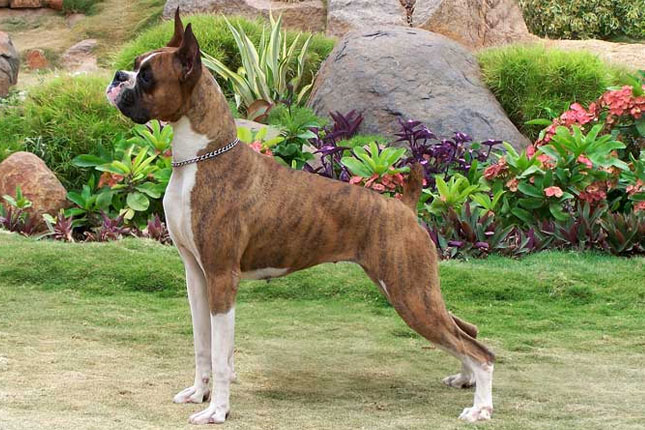
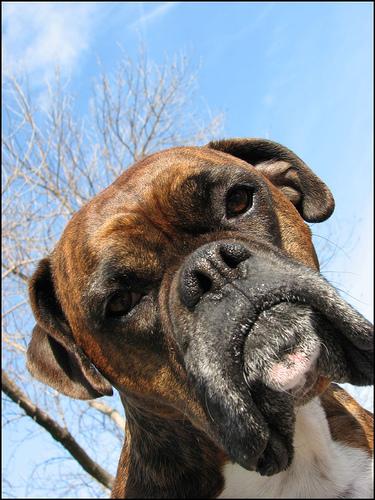
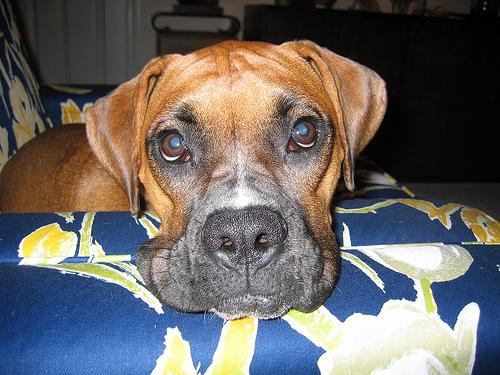
What distinguishes the Boxer from its Mastiff-type relatives is a carefully calibrated combination of power and agility without excessive bulk. The modern Boxer stands 21.5 to 25 inches at the shoulder and carries 50 to 70 pounds of dense muscle on a compact, square frame. The hallmark square head, undershot jaw, and blunt muzzle are functional inheritances from the Bullenbeisser, designed to maintain a grip on large prey while still allowing the dog to breathe. This same shortened muzzle — a defining physical trait — is also the root of the breed's most significant structural health challenge.
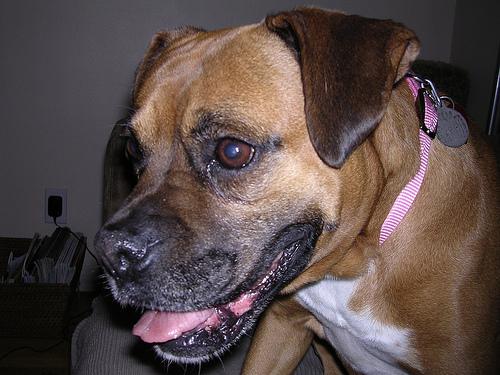
The Boxer's coat comes in two recognized base colors: fawn, ranging from light tan to mahogany, and brindle, which overlays dark stripes on a fawn background. White markings are common and acceptable; however, fully white Boxers — which occur in roughly 20 to 25 percent of litters — are not eligible for AKC conformation showing and carry an elevated risk of congenital deafness due to the absence of pigment-producing cells in the inner ear. The American Boxer Club has historically discouraged breeding white to white for this reason, and responsible breeders track white offspring carefully.
At a Glance
Quick Facts
- Breed Group:
- Working
- Bred For:
- Bull-baiting, guardian
- Origin:
- Germany
- Life Span:
- 8 - 10 years
- Weight:
- 50 - 70 lbs
- Height:
- 21.5 - 25 in
💰 Boxer Cost Guide
Food · Vet · Grooming · Insurance · Full breakdown
Frequently Asked Questions
What is the temperament of a Boxer?
Boxers are known to be devoted, fearless, friendly, cheerful, energetic, loyal, playful, confident, intelligent, bright, brave, calm, affectionate, curious. This combination of traits makes them excellent companions for families with children. Their temperament is influenced by both genetics and proper socialization from an early age.
How much exercise does a Boxer need?
Boxers are high-energy dogs requiring 60+ minutes of vigorous daily exercise and mental stimulation.
How often should I groom my Boxer?
Boxers require intensive grooming with daily brushing and regular professional grooming sessions.
How do I train a Boxer?
Boxers are highly trainable and typically respond well to positive reinforcement methods.
Are Boxers good with children?
Boxers are excellent with children. Their natural patience, gentle nature, and resilience make them outstanding family dogs. They typically form strong bonds with children and tend to be forgiving of the occasional accidental rough handling that can occur with younger kids. Remember that proper socialization and teaching children appropriate interaction with dogs are always important, regardless of breed.
What makes the Boxer unique compared to other dog breeds?
The Boxer stands out from other breeds due to its rich heritage from Germany, natural protective instincts. This unique combination of characteristics makes them special among dog breeds and appeals to owners who appreciate these distinct qualities. Understanding these traits helps provide appropriate care tailored to their specific needs.
What should I know before getting a Boxer?
Before bringing a Boxer into your home, potential owners should consider: They have high exercise requirements (4/5) and need an active owner. Their coat requires significant maintenance (4/5) with regular grooming sessions. They typically excel in family environments with children (5/5 child-friendliness). They're typically highly trainable (5/5) and eager to learn. Their large size requires adequate living space. They may be prone to breed-specific health issues including Bloat (GDV), Brachycephalic Syndrome, Arrhythmogenic Right Ventricular Cardiomyopathy, Hip Dysplasia, Cancer, Degenerative Myelopathy. Additionally, researching reputable breeders or rescue organizations is essential for finding a healthy, well-socialized Boxer. Understanding these factors will help ensure a good match between the breed and your lifestyle, leading to a happy relationship for both you and your dog.
What were Boxers originally bred for?
Boxers were originally bred for bull-baiting, guardian. This protective background explains their naturally alert, territorial nature and sometimes reserved attitude toward strangers. As part of the Working group, they share characteristics with other breeds developed for similar purposes. Understanding your Boxer's breeding heritage helps explain many of their natural behaviors and instincts, which can be channeled appropriately through training and enrichment activities. Even though modern Boxers are primarily companions, these inherent traits remain part of their genetic makeup.
How long do Boxers typically live?
The average lifespan of a Boxer is 8 - 10 years. With proper care including quality nutrition, regular veterinary check-ups, appropriate exercise, and preventative healthcare, some Boxers may live beyond this range. Genetics, environment, and healthcare all play important roles in determining longevity.
Do Boxers have a short lifespan compared to other dogs?
Yes, the Boxer's lifespan of 8 to 10 years is notably shorter than many breeds of similar size, and this is not coincidental. The breed faces elevated rates of several life-limiting conditions, particularly cancer and Arrhythmogenic Right Ventricular Cardiomyopathy, a heritable heart condition that can cause sudden cardiac death. Some sources cite a slightly wider range of up to 12 years, but population-level data consistently places the median closer to 9 to 10 years. Choosing a puppy from a breeder who performs Holter cardiac monitoring and has multi-generational health records will improve your odds of a longer-lived dog, but it does not eliminate the risk entirely. The breed's devoted personality means many owners consider those 9 to 10 years well worth the shortened timeline — but it is important to go in with clear expectations.
Are Boxers good with kids and other dogs?
Boxers are generally excellent family dogs and are known for patience with children, but their exuberant physical energy is the most important variable to manage. A Boxer that has not been trained to keep four paws on the floor will knock over small children enthusiastically and without any aggressive intent — the breed is a powerful jumper and will greet a toddler with the same full-body enthusiasm it applies to an adult. With consistent training and appropriate supervision, Boxers typically form strong, protective bonds with children in their household. With other dogs, Boxers are generally sociable, though intact males can be dog-selective. Same-sex aggression is reported more frequently in the breed than opposite-sex conflict. Early socialization during the puppy window — before 14 weeks — meaningfully shapes how a Boxer navigates other animals throughout its life.
How much exercise does a Boxer need every day?
Boxers need between 45 minutes and two hours of meaningful physical exercise daily, depending on age, health, and individual temperament. A young adult Boxer between one and three years old is at peak energy and will require the higher end of that range — long walks, off-leash running in a safely fenced area, or structured play sessions — to remain mentally and physically balanced. It is equally important to note what the breed cannot tolerate: Boxers are a brachycephalic breed, meaning their shortened muzzle restricts airflow, and they overheat faster than longer-nosed dogs. Exercise in high heat or humidity should be kept short and monitored carefully, and water should always be available. Puppies under 18 months should not be subjected to forced high-impact exercise like long runs, as their growth plates are not yet closed and skeletal stress injuries are a real risk.
What is Boxer cardiomyopathy and how serious is it?
Boxer cardiomyopathy, formally known as Arrhythmogenic Right Ventricular Cardiomyopathy or ARVC, is a heritable disease caused by a mutation in the striatin gene that is specific to the Boxer breed. It disrupts the electrical conduction system of the heart, producing ventricular arrhythmias that can range from clinically silent to life-threatening. Some affected dogs show no symptoms and live normal lives; others experience episodes of weakness, fainting, or collapse; and a subset die suddenly without prior warning signs. The mutation is autosomal dominant, meaning a dog only needs to inherit one copy to be at risk. A DNA test is commercially available through laboratories like NC State's Veterinary Cardiac Genetics Lab to identify whether a dog carries zero, one, or two copies of the mutation. Responsible breeders test breeding pairs and use 24-hour Holter monitoring to assess actual arrhythmia burden. Prospective Boxer owners should ask breeders specifically for Holter results and striatin DNA test certificates before purchasing a puppy.
Additional Characteristics
Care Requirements
They are high-energy dogs that need significant daily exercise and mental stimulation.
They have high grooming needs requiring frequent brushing and regular professional grooming.
Highly trainable — quick to learn and eager to please
They are excellent with children and often form strong bonds with them.
Boxer
Complete Breed Guide
About the Boxer
The Boxer is a medium to large breed that originated in Germany, developed from the Bullenbeisser and the English Bulldog. They typically weigh between 50 to 70 pounds and stand 21.5 to 25 inches tall at the shoulder. Boxers are known for their muscular build, square jaw, and distinctive short coat, which can come in various colors, including brindle and fawn. Originally bred for hunting and as guard dogs, Boxers are recognized for their energetic and playful temperament, making them excellent family companions and loyal protectors. Their intelligence and trainability also make them suitable for various canine sports and activities.
Boxers are known for being devoted, fearless, friendly, cheerful, energetic, and loyal, playful, confident. As a high-energy breed, they are highly responsive to training and thrive with regular mental and physical activity. They are excellent with children of all ages and friendly with other dogs, making them a popular choice for families and experienced dog owners alike.
Caring for a Boxer means committing to regular grooming (brushing several times a week), vigorous daily exercise, and consistent training from an early age. Their gentle, social nature makes them a wonderful addition to active families.
At a Glance
Quick Facts
- Breed Group:
- Working
- Bred For:
- Bull-baiting, guardian
- Origin:
- Germany
- Life Span:
- 8 - 10 years
- Weight:
- 50 - 70 lbs
- Height:
- 21.5 - 25 in
Temperament
Free Boxer Health Guide
Boxers can be prone to Bloat (GDV) and other conditions. Get our owner's health checklist and monthly vet tips — free.
- ✓Boxer-specific health warning signs
- ✓Vet visit checklist & cost tracker
- ✓Monthly breed health newsletter
Finding similar breeds...
How We Find Similar Breeds
We analyze breed characteristics including temperament, size, appearance, and care needs to identify the most similar dog breeds. This helps you discover alternatives that might be a good match for your lifestyle and preferences.
Explore Related Breeds & Guides
Adopt a Boxer
Filter to show only purebred Boxers (excludes mixed breeds and crosses)
Find Dogs Near You
Enter your location to discover adoptable pets nearby
How to Adopt a Boxer
Follow these steps to ensure a smooth and responsible adoption process. Remember that adopting a dog is a lifelong commitment.
Research the Breed
Learn everything you can about Boxers, including their temperament, exercise needs, grooming requirements, and potential health issues.
Find Reputable Sources
Look for adoptable dogs through shelters, rescue organizations, or responsible breeders. Avoid puppy mills and online scams.
Apply for Adoption
Complete an adoption application with your chosen organization. Be prepared to provide references and possibly go through a home visit.
Meet Your Potential Pet
Schedule a meeting with the dog to assess compatibility with you, your family, and any existing pets.
Prepare Your Home
Gather necessary supplies and dog-proof your home before bringing your new pet home.
1Essential Supplies
Food and water bowls, high-quality dog food, collar with ID tag, leash, bed, crate, toys, treats, grooming supplies, and cleaning products for accidents.
2Create a Safe Space
Designate an area where your dog can retreat when feeling overwhelmed. This could be a crate with comfortable bedding or a quiet corner with their bed.
3Remove Hazards
Secure or remove toxic plants, chemicals, small objects that could be swallowed, and foods that are harmful to dogs. Use baby gates if needed to restrict access to certain areas.
4Find a Veterinarian
Research and choose a veterinarian before bringing your dog home, and schedule an initial check-up shortly after adoption.
What is the dog's background and history?
Understanding a dog's past can help you anticipate potential behavior issues and provide appropriate support.
Has the dog been spayed/neutered and vaccinated?
This information is important for planning future veterinary care and understanding any immediate medical needs.
What is the dog's energy level and exercise needs?
Boxers typically need regular exercise to stay healthy and happy. Ask about specific exercise requirements.
Has the dog been socialized with other animals and people?
This helps you understand how the dog might interact with your family, friends, and other pets.
Are there any known behavioral or health issues?
Knowing about existing issues helps you prepare for any special care or training needs.
Special Considerations for Boxers
- Boxers may have specific health concerns that require regular monitoring.
- Consider how the typical Boxer temperament aligns with your lifestyle.
- Research the grooming needs of Boxers to ensure you can commit to the required maintenance.
- Understand the exercise requirements of Boxers to keep them healthy and prevent behavior problems.
- Learn about proper training methods that work well with Boxers.
 Boxer — Official AKC Breed VideoAmerican Kennel Club
Watch the official AKC video covering temperament, history, traits, and care.
Watch on YouTube →Product Recommendations for Boxers
See all →Vet-reviewed picks for food, insurance, crates, brushes, treats, and toys — matched to this breed.
Compare Boxer with Similar Breeds
See how the Boxer stacks up against other breeds side by side.