
Bull Terrier
Temperament
About the Bull Terrier
The Bull Terrier's origin is inseparable from the bloodsports culture of 19th-century England. Early in the century, breeders crossed Old English Bulldogs with the now-extinct Old English Terrier to produce a dog purpose-built for the pit — fast enough to work like a terrier, strong enough to hold like a bulldog. These early "bull and terriers" were functional fighters, not show dogs. The transformation into the modern Bull Terrier began in earnest around 1850, when a Birmingham dog dealer and showman named James Hinks began refining the cross. Hinks introduced English White Terrier blood and reportedly Dalmatian and Greyhound as well, producing a cleaner, more upright, all-white dog he called the "White Cavalier." The breed Hinks exhibited at the Birmingham dog show in 1862 was a revelation — sleeker and more refined than anything the pit had produced. His dogs won fights without a mark on them, a fact Hinks reportedly demonstrated publicly to skeptics.
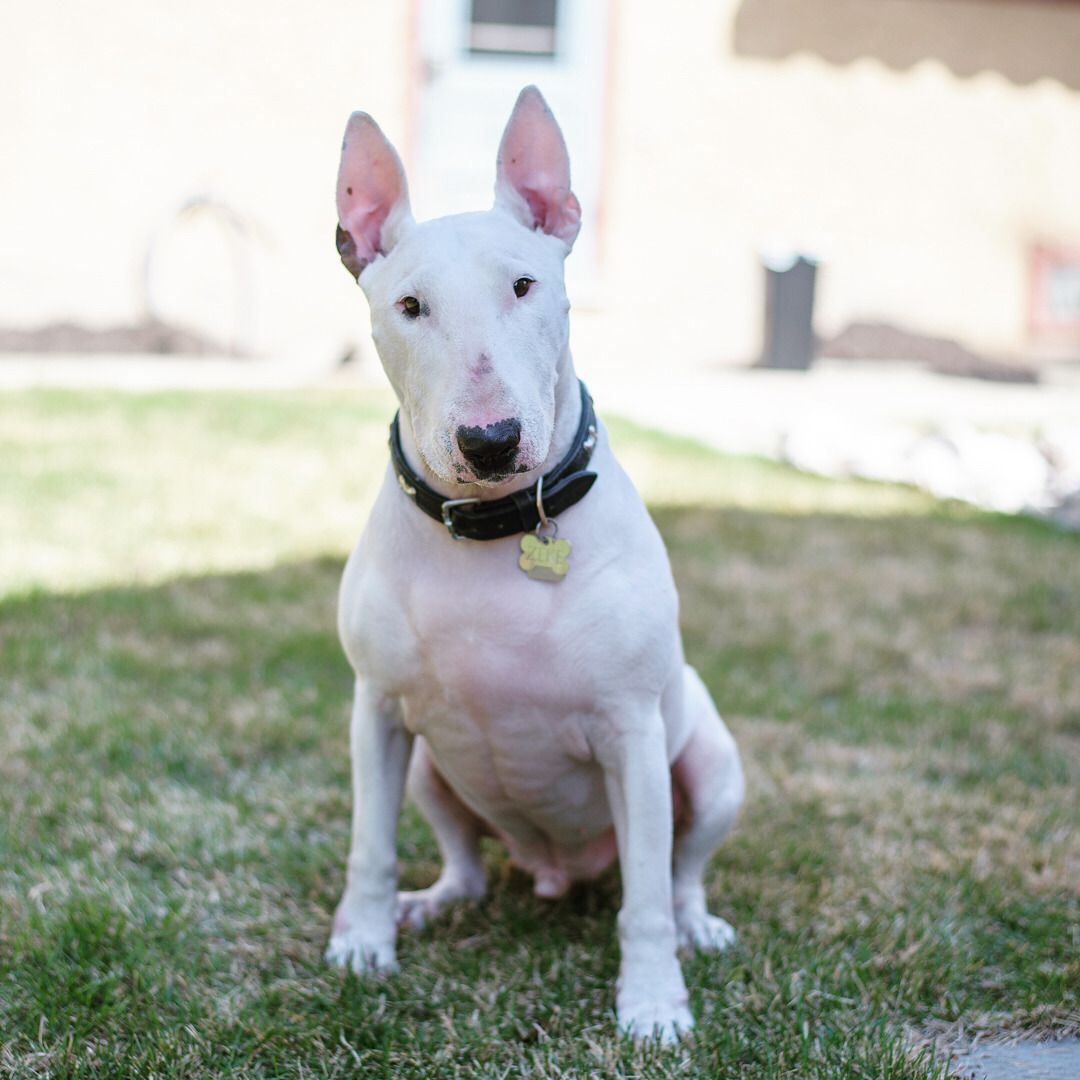
The distinctive egg-shaped head — the breed's most recognized physical trait — did not fully develop until the early 20th century. The downward sloping profile from skull to nose tip, combined with the breed's triangular, deep-set eyes, is unique in the entire dog world. No other breed shares this profile. The Miniature Bull Terrier, recognized as a separate breed by the AKC, shares the same structural characteristics scaled down to under 14 inches and under 33 pounds, but the standard Bull Terrier is the original.
The American Kennel Club recognized the Bull Terrier in 1885, making it one of the earlier terrier breeds admitted to the studbook. The breed is overseen in the United States by the Bull Terrier Club of America, founded in 1897, which remains the AKC parent club and maintains the breed standard, health initiatives, and breeder referral programs. The BTCA's longevity reflects the devoted — sometimes obsessive — community that has formed around this breed over more than a century.
Today the Bull Terrier ranks around 72nd in AKC registration statistics, a mid-tier position that reflects genuine breed enthusiasm without the overcrowding that plagues more fashionable breeds. The breed occupies a distinct niche even within the terrier group. Unlike the scrappy independence of a Jack Russell or the wiry alertness of an Airedale, the Bull Terrier is profoundly human-oriented — clownish, physically demonstrative, and emotionally demanding in a way that sets it apart from almost every other terrier. It is simultaneously one of the most comical and most stubborn dogs in the group, a combination that makes it genuinely unlike anything else.
At a Glance
Quick Facts
- Breed Group:
- Terrier
- Bred For:
- Bull baiting, Fighting
- Origin:
- England
- Life Span:
- 10 - 12 years
- Weight:
- 50 - 70 lbs
- Height:
- 21 - 22 in
💰 Bull Terrier Cost Guide
Food · Vet · Grooming · Insurance · Full breakdown
Frequently Asked Questions
What is the temperament of a Bull Terrier?
Bull Terriers are known to be protective, sweet-tempered, keen, active, affectionate, curious, friendly, playful, enthusiastic, resilient, loyal, gentle. This combination of traits makes them excellent companions for families with children. Their temperament is influenced by both genetics and proper socialization from an early age.
How much exercise does a Bull Terrier need?
Bull Terriers have low energy levels and require minimal daily exercise, typically 15-30 minutes of gentle activity.
How often should I groom my Bull Terrier?
Bull Terriers require intensive grooming with daily brushing and regular professional grooming sessions.
How do I train a Bull Terrier?
Bull Terriers are highly trainable and typically respond well to positive reinforcement methods.
Are Bull Terriers good with children?
Bull Terriers are excellent with children. Their natural patience, gentle nature, and resilience make them outstanding family dogs. They typically form strong bonds with children and tend to be forgiving of the occasional accidental rough handling that can occur with younger kids. Remember that proper socialization and teaching children appropriate interaction with dogs are always important, regardless of breed.
What makes the Bull Terrier unique compared to other dog breeds?
The Bull Terrier stands out from other breeds due to its rich heritage from England, specialized abilities for bull baiting, fighting. This unique combination of characteristics makes them special among dog breeds and appeals to owners who appreciate these distinct qualities. Understanding these traits helps provide appropriate care tailored to their specific needs.
What should I know before getting a Bull Terrier?
Before bringing a Bull Terrier into your home, potential owners should consider: They have relatively low exercise needs (2/5), making them suitable for less active households. Their coat requires significant maintenance (5/5) with regular grooming sessions. They typically excel in family environments with children (5/5 child-friendliness). They're typically highly trainable (4/5) and eager to learn. Their large size requires adequate living space. They may be prone to breed-specific health issues including Deafness, Heart Disease (Mitral Valve Disease), Kidney Disease (Hereditary Nephritis), Skin Allergies, Patellar Luxation, Obsessive-Compulsive Behaviors. Additionally, researching reputable breeders or rescue organizations is essential for finding a healthy, well-socialized Bull Terrier. Understanding these factors will help ensure a good match between the breed and your lifestyle, leading to a happy relationship for both you and your dog.
What were Bull Terriers originally bred for?
Bull Terriers were originally bred for bull baiting, fighting. As part of the Terrier group, they share characteristics with other breeds developed for similar purposes. Understanding your Bull Terrier's breeding heritage helps explain many of their natural behaviors and instincts, which can be channeled appropriately through training and enrichment activities. Even though modern Bull Terriers are primarily companions, these inherent traits remain part of their genetic makeup.
How long do Bull Terriers typically live?
The average lifespan of a Bull Terrier is 10 - 12 years. With proper care including quality nutrition, regular veterinary check-ups, appropriate exercise, and preventative healthcare, some Bull Terriers may live beyond this range. Genetics, environment, and healthcare all play important roles in determining longevity.
Are Bull Terriers good family dogs with kids?
Bull Terriers can be excellent family dogs, but they are better suited to families with older children than toddlers. The breed is genuinely affectionate and playful, but Bull Terriers are also exuberant, physically strong, and prone to over-excitement — a combination that can knock small children over without any aggressive intent. Their play style tends to be boisterous and full-contact. With older children who can match that energy and set clear boundaries, Bull Terriers often form deeply devoted bonds. Early socialization and obedience training are essential, and adult supervision during interactions with younger children is always recommended regardless of how well-socialized the dog is.
Do Bull Terriers get along with other dogs?
Bull Terriers have a real potential for dog aggression that owners must take seriously, particularly toward dogs of the same sex. The breed's heritage includes dog fighting, and while generations of selective breeding have softened that drive, it has not been eliminated. Many Bull Terriers coexist peacefully with dogs they were raised with, particularly if opposite-sex pairings are used. However, same-sex aggression — especially between two males — is common enough that many breeders and rescues recommend single-dog households or carefully managed multi-dog households. Early and ongoing socialization reduces risk but does not eliminate it, and off-leash dog park environments are generally not appropriate for this breed.
Why do Bull Terriers spin and chase their tails?
Tail chasing and spinning in Bull Terriers is not simply a quirky habit — it is a documented form of canine obsessive-compulsive disorder with a genetic component that researchers have specifically studied in this breed. Affected dogs may spin for minutes at a time or become so fixated that they injure themselves. The behavior tends to worsen with boredom, stress, or insufficient exercise. In mild cases, increased physical activity, mental enrichment, and structured routine can reduce frequency. In moderate to severe cases, veterinary behaviorists may recommend pharmaceutical intervention, typically with selective serotonin reuptake inhibitors. Dogs that spin excessively should not be bred, as the trait is heritable.
How much exercise does a Bull Terrier need every day?
Bull Terriers need a minimum of one to two hours of vigorous physical activity daily, and the word vigorous matters here. A slow neighborhood stroll will not satisfy a healthy adult Bull Terrier — the breed needs activity that genuinely taxes its athletic body. Running, fetch, structured play sessions, and off-leash time in a securely fenced area all qualify. Mental exercise is equally important; a Bull Terrier left understimulated will invent its own entertainment, which usually involves chewing furniture, spinning, or redecorating the yard. The breed does well in dog sports like agility and weight pull, which combine physical demand with the kind of task-based engagement that keeps their minds occupied and their compulsive tendencies in check.
Additional Characteristics
Care Requirements
They have a low to moderate energy level and need regular but not extensive exercise.
They have very high maintenance coats requiring daily brushing and regular professional grooming.
Highly trainable — quick to learn and eager to please
They are excellent with children and often form strong bonds with them.
Bull Terrier
Complete Breed Guide
About the Bull Terrier
The Bull Terrier originated in England in the 19th century, developed from a mix of bulldogs and terriers for use in bull-baiting and later as a companion dog. This breed is characterized by its distinctive egg-shaped head, muscular build, and a weight range of 50 to 70 pounds, standing 21 to 22 inches tall at the shoulder. Bull Terriers are known for their protective and affectionate nature, making them loyal family pets, while also being active and playful, requiring regular exercise and mental stimulation.
Bull Terriers are known for being protective, sweet-tempered, keen, active, affectionate, and curious, friendly, playful. As a low-key and calm breed, they are highly responsive to training and thrive with regular mental and physical activity. They are excellent with children of all ages and friendly with other dogs, making them a popular choice for families and experienced dog owners alike.
Caring for a Bull Terrier means committing to regular grooming (brushing several times a week), regular daily walks, and positive-reinforcement training. Their gentle, social nature makes them a wonderful addition to active families.
At a Glance
Quick Facts
- Breed Group:
- Terrier
- Bred For:
- Bull baiting, Fighting
- Origin:
- England
- Life Span:
- 10 - 12 years
- Weight:
- 50 - 70 lbs
- Height:
- 21 - 22 in
Temperament
Free Bull Terrier Health Guide
Bull Terriers can be prone to Deafness and other conditions. Get our owner's health checklist and monthly vet tips — free.
- ✓Bull Terrier-specific health warning signs
- ✓Vet visit checklist & cost tracker
- ✓Monthly breed health newsletter
Finding similar breeds...
How We Find Similar Breeds
We analyze breed characteristics including temperament, size, appearance, and care needs to identify the most similar dog breeds. This helps you discover alternatives that might be a good match for your lifestyle and preferences.
Adopt a Bull Terrier
Filter to show only purebred Bull Terriers (excludes mixed breeds and crosses)
Find Dogs Near You
Enter your location to discover adoptable pets nearby
How to Adopt a Bull Terrier
Follow these steps to ensure a smooth and responsible adoption process. Remember that adopting a dog is a lifelong commitment.
Research the Breed
Learn everything you can about Bull Terriers, including their temperament, exercise needs, grooming requirements, and potential health issues.
Find Reputable Sources
Look for adoptable dogs through shelters, rescue organizations, or responsible breeders. Avoid puppy mills and online scams.
Apply for Adoption
Complete an adoption application with your chosen organization. Be prepared to provide references and possibly go through a home visit.
Meet Your Potential Pet
Schedule a meeting with the dog to assess compatibility with you, your family, and any existing pets.
Prepare Your Home
Gather necessary supplies and dog-proof your home before bringing your new pet home.
1Essential Supplies
Food and water bowls, high-quality dog food, collar with ID tag, leash, bed, crate, toys, treats, grooming supplies, and cleaning products for accidents.
2Create a Safe Space
Designate an area where your dog can retreat when feeling overwhelmed. This could be a crate with comfortable bedding or a quiet corner with their bed.
3Remove Hazards
Secure or remove toxic plants, chemicals, small objects that could be swallowed, and foods that are harmful to dogs. Use baby gates if needed to restrict access to certain areas.
4Find a Veterinarian
Research and choose a veterinarian before bringing your dog home, and schedule an initial check-up shortly after adoption.
What is the dog's background and history?
Understanding a dog's past can help you anticipate potential behavior issues and provide appropriate support.
Has the dog been spayed/neutered and vaccinated?
This information is important for planning future veterinary care and understanding any immediate medical needs.
What is the dog's energy level and exercise needs?
Bull Terriers typically need regular exercise to stay healthy and happy. Ask about specific exercise requirements.
Has the dog been socialized with other animals and people?
This helps you understand how the dog might interact with your family, friends, and other pets.
Are there any known behavioral or health issues?
Knowing about existing issues helps you prepare for any special care or training needs.
Special Considerations for Bull Terriers
- Bull Terriers may have specific health concerns that require regular monitoring.
- Consider how the typical Bull Terrier temperament aligns with your lifestyle.
- Research the grooming needs of Bull Terriers to ensure you can commit to the required maintenance.
- Understand the exercise requirements of Bull Terriers to keep them healthy and prevent behavior problems.
- Learn about proper training methods that work well with Bull Terriers.
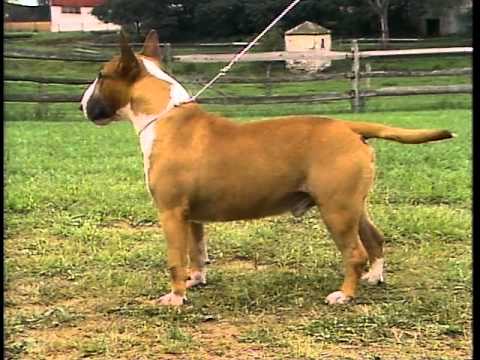 Bull Terrier — Official AKC Breed VideoAmerican Kennel Club
Watch the official AKC video covering temperament, history, traits, and care.
Watch on YouTube →Product Recommendations for Bull Terriers
See all →Vet-reviewed picks for food, insurance, crates, brushes, treats, and toys — matched to this breed.
Compare Bull Terrier with Similar Breeds
See how the Bull Terrier stacks up against other breeds side by side.