
Dalmatian
Temperament
About the Dalmatian
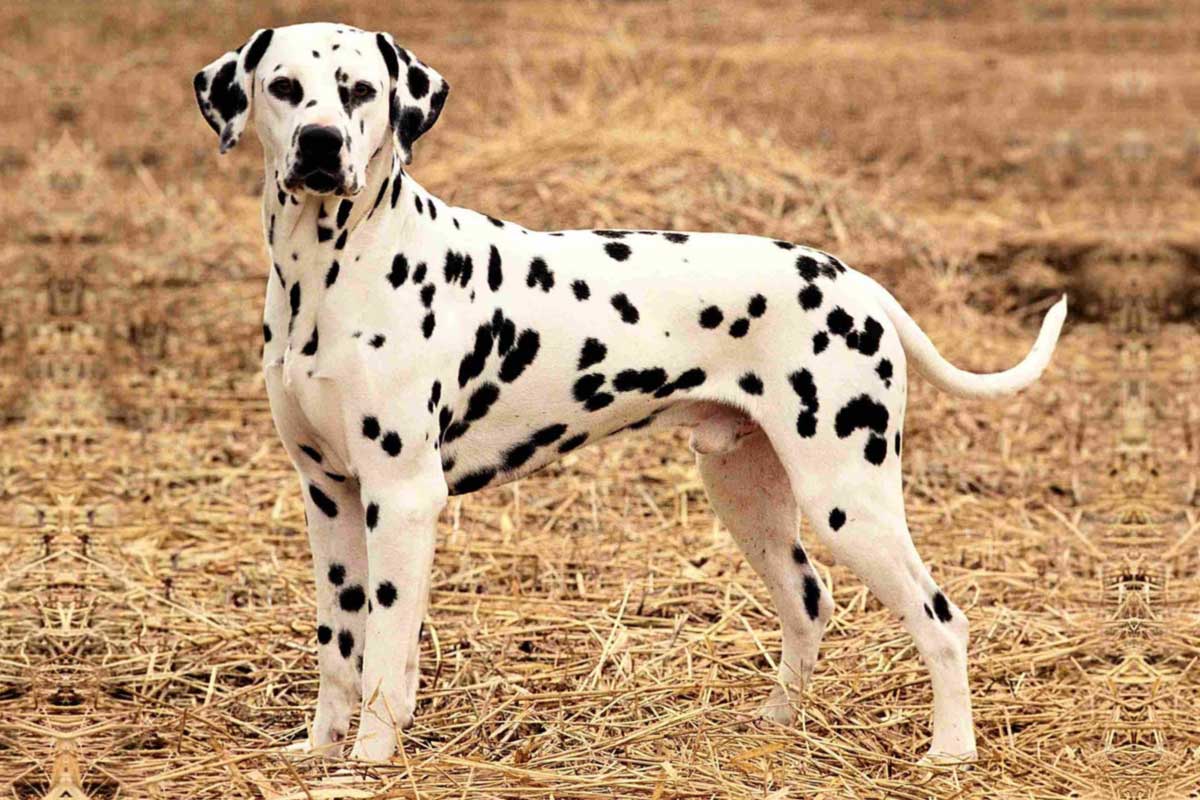
The Dalmatian is one of the most visually distinctive breeds in the world, yet its origins remain genuinely contested among cynologists. Named for the Dalmatia region of what is now coastal Croatia, the breed likely did not originate there in any strict sense. Spotted dogs resembling the Dalmatian appear in Egyptian tomb paintings, in Hellenic friezes, and in 17th-century European artwork long before any formal breeding record was kept. What historians can say with confidence is that by the 1700s, the Dalmatian had found a defined working role in England and across Europe as a coach dog — a dog bred specifically to run beneath or alongside horse-drawn carriages for miles at a stretch, guarding the horses from strange dogs, calming them in the stable, and projecting an air of prestige for the household that owned them. English aristocracy adopted the breed enthusiastically, and this association with carriage travel eventually translated into the Dalmatian's famous role alongside American fire companies, where the dogs would run ahead of horse-drawn fire engines to clear traffic and calm the horses.
The American Kennel Club recognized the Dalmatian in 1888, placing it in the Non-Sporting Group — a classification that puzzles some owners given the breed's obvious athleticism and working history, but reflects the AKC's grouping of breeds that no longer perform their original function in a working capacity. The Dalmatian Club of America, founded in 1905, remains the AKC parent club and maintains the breed standard, health programs, and breeder education initiatives. The club has been particularly active in promoting BAER testing for congenital deafness and in supporting research into the breed's unique uric acid metabolism.
What makes the Dalmatian structurally and physiologically distinct is not just the coat — it is the only breed with a gene mutation that causes high uric acid excretion through the kidneys, a trait shared across the entire breed population and not found consistently in any other dog breed. The spotted coat itself is also genetically unusual: Dalmatian puppies are born entirely white, and the spots develop over the first few weeks of life, unlike any pattern seen in the Pointer or other short-coated breeds sometimes cited as relatives. The AKC standard calls for round, well-defined spots of black or liver on a white ground, with liver-spotted dogs carrying the bb genotype at the B locus. This combination of a unique metabolic trait, a one-of-a-kind coat development pattern, and a documented multi-century working history as a coaching and fire dog makes the Dalmatian genuinely unlike any other breed in the Non-Sporting or any other group.
At a Glance
Quick Facts
- Breed Group:
- Non-Sporting
- Bred For:
- Carriage dog - trot alongside carriages to protect the occupants from banditry or other interference
- Origin:
- Croatia
- Life Span:
- 10 - 13 years
- Weight:
- 50 - 55 lbs
- Height:
- 19 - 23 in
💰 Dalmatian Cost Guide
Food · Vet · Grooming · Insurance · Full breakdown
Frequently Asked Questions
What is the temperament of a Dalmatian?
Dalmatians are known to be outgoing, friendly, energetic, playful, intelligent, active, affectionate, curious, gentle, dignified, quiet, loyal. This combination of traits makes them excellent companions for families with children. Their temperament is influenced by both genetics and proper socialization from an early age.
How much exercise does a Dalmatian need?
Dalmatians are high-energy dogs requiring 60+ minutes of vigorous daily exercise and mental stimulation.
How often should I groom my Dalmatian?
Dalmatians require intensive grooming with daily brushing and regular professional grooming sessions.
How do I train a Dalmatian?
Dalmatians may require extra patience during training and respond best to positive, consistent methods.
Are Dalmatians good with children?
Dalmatians are excellent with children. Their natural patience, gentle nature, and resilience make them outstanding family dogs. They typically form strong bonds with children and tend to be forgiving of the occasional accidental rough handling that can occur with younger kids. Remember that proper socialization and teaching children appropriate interaction with dogs are always important, regardless of breed.
What makes the Dalmatian unique compared to other dog breeds?
The Dalmatian stands out from other breeds due to its dignified appearance and bearing, rich heritage from Croatia, specialized abilities for carriage dog - trot alongside carriages to protect the occupants from banditry or other interference. This unique combination of characteristics makes them special among dog breeds and appeals to owners who appreciate these distinct qualities. Understanding these traits helps provide appropriate care tailored to their specific needs.
What should I know before getting a Dalmatian?
Before bringing a Dalmatian into your home, potential owners should consider: They have high exercise requirements (4/5) and need an active owner. Their coat requires significant maintenance (4/5) with regular grooming sessions. They typically excel in family environments with children (5/5 child-friendliness). They can be challenging to train (2/5) and are better suited for experienced dog owners. They may be prone to breed-specific health issues including Deafness (30%+ born with unilateral or bilateral deafness), Urinary Stones (hyperuricosuria), Hip Dysplasia, Skin Allergies, Hypothyroidism. Additionally, researching reputable breeders or rescue organizations is essential for finding a healthy, well-socialized Dalmatian. Understanding these factors will help ensure a good match between the breed and your lifestyle, leading to a happy relationship for both you and your dog.
What were Dalmatians originally bred for?
Dalmatians were originally bred for carriage dog - trot alongside carriages to protect the occupants from banditry or other interference. This protective background explains their naturally alert, territorial nature and sometimes reserved attitude toward strangers. As part of the Non-Sporting group, they share characteristics with other breeds developed for similar purposes. Understanding your Dalmatian's breeding heritage helps explain many of their natural behaviors and instincts, which can be channeled appropriately through training and enrichment activities. Even though modern Dalmatians are primarily companions, these inherent traits remain part of their genetic makeup.
How long do Dalmatians typically live?
The average lifespan of a Dalmatian is 10 - 13 years. With proper care including quality nutrition, regular veterinary check-ups, appropriate exercise, and preventative healthcare, some Dalmatians may live beyond this range. Genetics, environment, and healthcare all play important roles in determining longevity.
Are Dalmatians good family dogs for first-time owners?
Dalmatians can be wonderful family dogs, but they are genuinely challenging for first-time owners who underestimate their exercise and mental stimulation requirements. This is a breed built for endurance — historically bred to run alongside carriages for miles — and a Dalmatian that does not get sufficient daily physical activity will redirect that energy into destructive behavior. They are affectionate and loyal with family members, generally good with children when raised with them, and tend to be playful and engaged. However, their sensitivity to harsh corrections, their independent streak, and their need for consistent training make them better suited to owners who have done research or have prior experience with high-drive dogs. Families who run, hike, cycle, or have access to large outdoor spaces tend to thrive with Dalmatians. Apartment dwellers or low-activity households will likely struggle.
Why do Dalmatians need a special diet?
Every Dalmatian carries a genetic mutation in the SLC2A9 gene that prevents the normal conversion of uric acid to allantoin in the liver. As a result, Dalmatians excrete unusually high levels of uric acid through their urine, making them significantly more prone to forming urate urinary stones than any other breed. These stones can cause painful blockages and, in severe cases, kidney damage. To minimize this risk, Dalmatians should be fed a low-purine diet throughout their lives, which means avoiding foods high in organ meats, game meats, anchovies, sardines, and certain high-purine plant ingredients. Many veterinarians recommend prescription urinary diets for Dalmatians, particularly males, who face higher blockage risk due to their urethral anatomy. Fresh water should always be available to encourage dilute urine, which reduces stone formation.
How common is deafness in Dalmatians?
Deafness is the most serious and widespread genetic health issue in the Dalmatian breed. Research, including studies supported by the Dalmatian Club of America, consistently finds that approximately 8 percent of Dalmatians are bilaterally deaf — meaning completely deaf in both ears — and an additional 22 to 24 percent are unilaterally deaf, hearing in only one ear. Unilateral deafness often goes undetected without formal testing because the dog compensates with its hearing ear. The deafness is linked to the same extreme piebald white coat gene that produces the Dalmatian's distinctive spotted pattern, and dogs with blue eyes or predominantly white heads are statistically at higher risk. The only reliable diagnostic test is BAER (Brainstem Auditory Evoked Response) testing, which reputable breeders perform on every puppy at five to six weeks of age. Bilaterally deaf Dalmatians can live full lives but require experienced owners and specific training approaches.
How much exercise does a Dalmatian need every day?
Dalmatians require significantly more exercise than most people anticipate — typically a minimum of one to two hours of vigorous physical activity per day for an adult dog. This is not a breed that is satisfied with a walk around the block. Their working heritage as carriage dogs bred for endurance means they are physiologically built for sustained, high-intensity activity. Running, cycling with the dog, agility training, fetch on a large property, and off-leash play in a securely fenced area are all appropriate outlets. A Dalmatian that is consistently under-exercised will develop behavioral problems — destructive chewing, excessive barking, hyperactivity indoors, and sometimes anxiety-based behaviors. Puppies under 18 months should not be pushed into high-impact exercise like long runs due to joint development, but mental stimulation through training and play is essential even at young ages. Adult Dalmatians that receive adequate daily exercise are notably calmer, more trainable, and more pleasant to live with.
Additional Characteristics
Care Requirements
They are high-energy dogs that need significant daily exercise and mental stimulation.
They have high grooming needs requiring frequent brushing and regular professional grooming.
May require extra patience — better suited for experienced owners
They are excellent with children and often form strong bonds with them.
Dalmatian
Complete Breed Guide
About the Dalmatian
The Dalmatian is a breed that originated in Croatia, historically known for its role as a carriage dog and later as a firehouse mascot. This breed typically weighs between 50 to 55 pounds and stands 19 to 23 inches tall, characterized by its distinctive spotted coat. Dalmatians are known for their outgoing and energetic temperament, making them playful and affectionate companions, though they can also be prone to deafness and require regular exercise to maintain their health and well-being.
Dalmatians are known for being outgoing, friendly, energetic, playful, intelligent, and active, affectionate, curious. As a high-energy breed, they are independent-minded and requiring patient, consistent training and thrive with regular mental and physical activity. They are excellent with children of all ages and friendly with other dogs, making them a popular choice for families and experienced dog owners alike.
Caring for a Dalmatian means committing to regular grooming (brushing several times a week), vigorous daily exercise, and consistent training from an early age. Their gentle, social nature makes them a wonderful addition to active families.
At a Glance
Quick Facts
- Breed Group:
- Non-Sporting
- Bred For:
- Carriage dog - trot alongside carriages to protect the occupants from banditry or other interference
- Origin:
- Croatia
- Life Span:
- 10 - 13 years
- Weight:
- 50 - 55 lbs
- Height:
- 19 - 23 in
Temperament
Free Dalmatian Health Guide
Dalmatians can be prone to Deafness (30%+ born with unilateral or bilateral deafness) and other conditions. Get our owner's health checklist and monthly vet tips — free.
- ✓Dalmatian-specific health warning signs
- ✓Vet visit checklist & cost tracker
- ✓Monthly breed health newsletter
Finding similar breeds...
How We Find Similar Breeds
We analyze breed characteristics including temperament, size, appearance, and care needs to identify the most similar dog breeds. This helps you discover alternatives that might be a good match for your lifestyle and preferences.
Explore Related Breeds & Guides
Adopt a Dalmatian
Filter to show only purebred Dalmatians (excludes mixed breeds and crosses)
Find Dogs Near You
Enter your location to discover adoptable pets nearby
How to Adopt a Dalmatian
Follow these steps to ensure a smooth and responsible adoption process. Remember that adopting a dog is a lifelong commitment.
Research the Breed
Learn everything you can about Dalmatians, including their temperament, exercise needs, grooming requirements, and potential health issues.
Find Reputable Sources
Look for adoptable dogs through shelters, rescue organizations, or responsible breeders. Avoid puppy mills and online scams.
Apply for Adoption
Complete an adoption application with your chosen organization. Be prepared to provide references and possibly go through a home visit.
Meet Your Potential Pet
Schedule a meeting with the dog to assess compatibility with you, your family, and any existing pets.
Prepare Your Home
Gather necessary supplies and dog-proof your home before bringing your new pet home.
1Essential Supplies
Food and water bowls, high-quality dog food, collar with ID tag, leash, bed, crate, toys, treats, grooming supplies, and cleaning products for accidents.
2Create a Safe Space
Designate an area where your dog can retreat when feeling overwhelmed. This could be a crate with comfortable bedding or a quiet corner with their bed.
3Remove Hazards
Secure or remove toxic plants, chemicals, small objects that could be swallowed, and foods that are harmful to dogs. Use baby gates if needed to restrict access to certain areas.
4Find a Veterinarian
Research and choose a veterinarian before bringing your dog home, and schedule an initial check-up shortly after adoption.
What is the dog's background and history?
Understanding a dog's past can help you anticipate potential behavior issues and provide appropriate support.
Has the dog been spayed/neutered and vaccinated?
This information is important for planning future veterinary care and understanding any immediate medical needs.
What is the dog's energy level and exercise needs?
Dalmatians typically need regular exercise to stay healthy and happy. Ask about specific exercise requirements.
Has the dog been socialized with other animals and people?
This helps you understand how the dog might interact with your family, friends, and other pets.
Are there any known behavioral or health issues?
Knowing about existing issues helps you prepare for any special care or training needs.
Special Considerations for Dalmatians
- Dalmatians may have specific health concerns that require regular monitoring.
- Consider how the typical Dalmatian temperament aligns with your lifestyle.
- Research the grooming needs of Dalmatians to ensure you can commit to the required maintenance.
- Understand the exercise requirements of Dalmatians to keep them healthy and prevent behavior problems.
- Learn about proper training methods that work well with Dalmatians.
 Dalmatian — Official AKC Breed VideoAmerican Kennel Club
Watch the official AKC video covering temperament, history, traits, and care.
Watch on YouTube →Product Recommendations for Dalmatians
See all →Vet-reviewed picks for food, insurance, crates, brushes, treats, and toys — matched to this breed.
Compare Dalmatian with Similar Breeds
See how the Dalmatian stacks up against other breeds side by side.