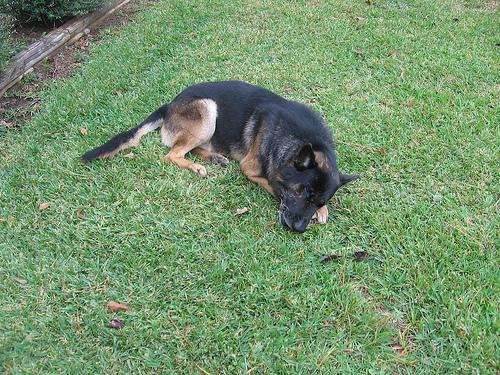
German Shepherd Dog
Temperament
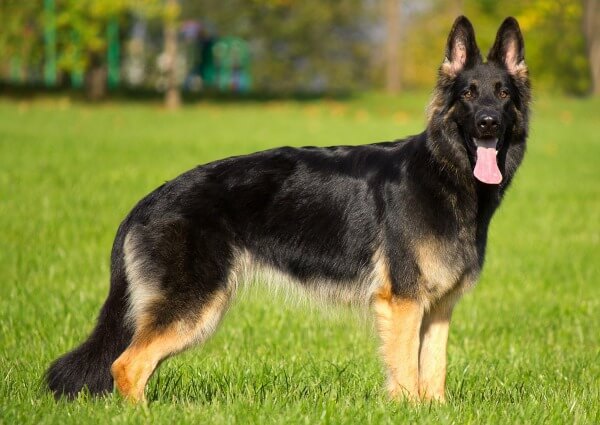
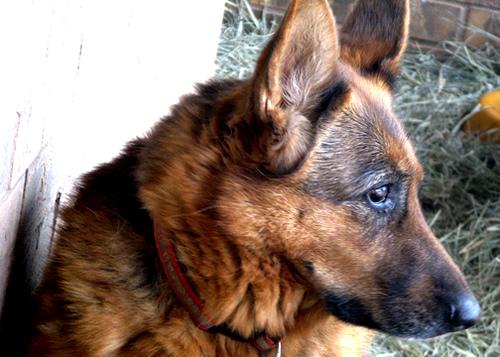
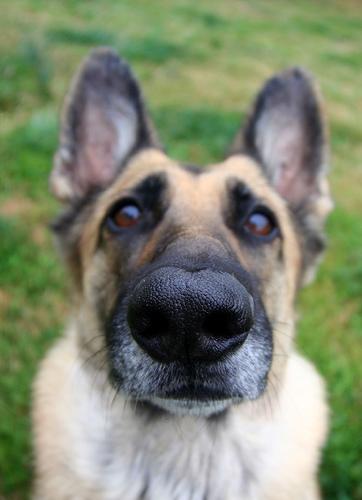
About the German Shepherd Dog
The German Shepherd Dog is one of the most deliberately engineered working breeds in history, and its creation can be traced almost entirely to one man: Captain Max von Stephanitz. In 1899, von Stephanitz attended a dog show in western Germany and purchased a dog named Hektor Linksrhein, which he renamed Horand von Grafrath. That single dog became the foundation sire of the entire breed. Von Stephanitz immediately founded the Verein für Deutsche Schäferhunde — the Society for German Shepherd Dogs, abbreviated SV — and registered Horand as the first dog in the new studbook. His guiding principle was ruthlessly practical: utility above all else. The breed standard he established demanded intelligence, trainability, physical soundness, and the endurance to work long hours across varied terrain.
The breed's origins were rooted in herding. In late 19th-century Germany, regional shepherd dogs varied considerably in type and ability, and von Stephanitz's project was essentially a consolidation and standardization effort, pulling the best working traits from across Germany's herding dog population into a single, reproducible breed. As industrialization reduced the demand for sheep herding, von Stephanitz pivoted the breed toward police and military work — a move that proved prescient. German Shepherds served extensively in both World Wars, functioning as messenger dogs, guard dogs, and search-and-rescue animals.
The American Kennel Club recognized the German Shepherd Dog in 1908, and the breed has ranked consistently among the top five most registered breeds in the United States for decades. As of recent AKC rankings, the GSD sits at number four out of 208 recognized breeds — a position it has held with remarkable consistency. The German Shepherd Dog Club of America, founded in 1913, remains the AKC parent club and maintains its own breed survey system modeled loosely on the SV's Körung evaluation.
In Britain, the breed was renamed the Alsatian Wolf Dog after World War I due to anti-German sentiment, later shortened to simply Alsatian. That name persisted in the UK until 1977, when the Kennel Club restored the original German Shepherd Dog designation — though informal use of Alsatian continues.
What distinguishes the GSD from related herding breeds like the Belgian Malinois or Dutch Shepherd is a combination of traits: a slightly softer temperament that allows broader public-facing work, a more pronounced protective instinct than most herding breeds, and a unique dual capacity for both intense working roles and family integration. The Malinois may edge out the GSD in raw drive and physical intensity, but the German Shepherd's temperament range makes it accessible across a far wider spectrum of handlers and roles.
At a Glance
Quick Facts
- Breed Group:
- Herding
- Bred For:
- Herding, Guard dog
- Origin:
- Germany
- Life Span:
- 10 - 13 years
- Weight:
- 50 - 90 lbs
- Height:
- 22 - 26 in
💰 German Shepherd Dog Cost Guide
Food · Vet · Grooming · Insurance · Full breakdown
Frequently Asked Questions
What is the temperament of a German Shepherd Dog?
German Shepherd Dogs are known to be alert, loyal, obedient, curious, confident, intelligent, watchful, courageous, affectionate, friendly, funny, gentle, playful, smart, quiet. This combination of traits makes them excellent companions for families with children. Their temperament is influenced by both genetics and proper socialization from an early age.
How much exercise does a German Shepherd Dog need?
German Shepherd Dogs are high-energy dogs requiring 60+ minutes of vigorous daily exercise and mental stimulation.
How often should I groom my German Shepherd Dog?
German Shepherd Dogs require intensive grooming with daily brushing and regular professional grooming sessions.
How do I train a German Shepherd Dog?
German Shepherd Dogs may require extra patience during training and respond best to positive, consistent methods.
Are German Shepherd Dogs good with children?
German Shepherd Dogs are excellent with children. Their natural patience, gentle nature, and resilience make them outstanding family dogs. They typically form strong bonds with children and tend to be forgiving of the occasional accidental rough handling that can occur with younger kids. Remember that proper socialization and teaching children appropriate interaction with dogs are always important, regardless of breed.
What makes the German Shepherd Dog unique compared to other dog breeds?
The German Shepherd Dog stands out from other breeds due to its rich heritage from Germany, natural protective instincts. This unique combination of characteristics makes them special among dog breeds and appeals to owners who appreciate these distinct qualities. Understanding these traits helps provide appropriate care tailored to their specific needs.
What should I know before getting a German Shepherd Dog?
Before bringing a German Shepherd Dog into your home, potential owners should consider: They have high exercise requirements (5/5) and need an active owner. Their coat requires significant maintenance (5/5) with regular grooming sessions. They typically excel in family environments with children (5/5 child-friendliness). They can be challenging to train (2/5) and are better suited for experienced dog owners. Their large size requires adequate living space. They may be prone to breed-specific health issues including Hip Dysplasia, Elbow Dysplasia, Degenerative Myelopathy, Bloat (GDV), Exocrine Pancreatic Insufficiency, Perianal Fistula. Additionally, researching reputable breeders or rescue organizations is essential for finding a healthy, well-socialized German Shepherd Dog. Understanding these factors will help ensure a good match between the breed and your lifestyle, leading to a happy relationship for both you and your dog.
What were German Shepherd Dogs originally bred for?
German Shepherd Dogs were originally bred for herding, guard dog. This herding heritage explains their intelligence, focus, and sometimes tendency to herd family members, particularly children. As part of the Herding group, they share characteristics with other breeds developed for similar purposes. Understanding your German Shepherd Dog's breeding heritage helps explain many of their natural behaviors and instincts, which can be channeled appropriately through training and enrichment activities. Even though modern German Shepherd Dogs are primarily companions, these inherent traits remain part of their genetic makeup.
How long do German Shepherd Dogs typically live?
The average lifespan of a German Shepherd Dog is 10 - 13 years. With proper care including quality nutrition, regular veterinary check-ups, appropriate exercise, and preventative healthcare, some German Shepherd Dogs may live beyond this range. Genetics, environment, and healthcare all play important roles in determining longevity.
Are German Shepherds good family dogs with kids?
German Shepherds can be excellent family dogs, but the outcome depends heavily on socialization and training rather than the breed alone. A well-socialized GSD raised with children typically develops strong protective bonds with them and tolerates the chaos of family life well. The breed's herding instinct can occasionally express itself as nipping at running children, particularly in puppies and adolescents — this is manageable with consistent training but worth knowing in advance. German Shepherds are not typically recommended as a first dog for families with very young children unless at least one adult has prior experience with the breed. With proper structure, they are loyal, gentle, and remarkably attentive to the emotional state of family members.
How much exercise does a German Shepherd need every day?
Adult German Shepherds need a minimum of two hours of physical activity daily, and that number should be understood as a floor rather than a target. This is a breed developed to work eight to twelve hours alongside a shepherd across variable terrain — a thirty-minute leash walk does not come close to meeting their physical or mental needs. The most satisfied GSDs get a combination of structured exercise (running, fetch, swimming, or off-leash play), training sessions that provide mental stimulation, and opportunities to use their nose through games or nose work. Under-exercised German Shepherds develop a predictable suite of problem behaviors: destructive chewing, excessive barking, reactivity, and anxiety. Puppies under eighteen months should have their high-impact exercise moderated to protect developing joints.
Do German Shepherds shed a lot?
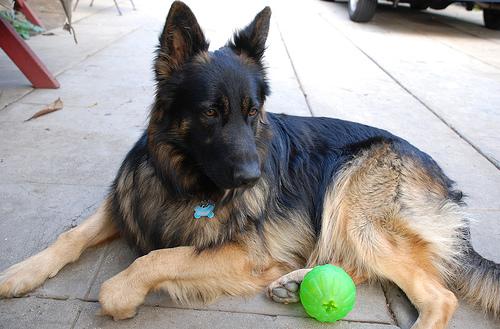
Yes — considerably. The German Shepherd has a dense double coat that sheds moderately throughout the year and dramatically twice annually during seasonal coat blows, typically in spring and fall. During heavy shedding periods, daily brushing is essentially mandatory to keep the volume manageable. Owners routinely describe finding GSD fur on every surface in the home, embedded in upholstery, and clinging to clothing. A high-quality undercoat rake and a de-shedding tool like the Furminator are standard equipment for GSD households. Regular professional deshedding treatments can help manage the volume but do not eliminate it. The long-coat variety of the German Shepherd, which the AKC now recognizes as a separate coat variety, sheds similarly but the longer guard hairs are more visible against dark surfaces.
What is degenerative myelopathy in German Shepherds?
Degenerative myelopathy is a progressive neurological disease caused by a mutation in the SOD1 gene, and German Shepherds are one of the breeds most affected by it. The disease attacks the white matter of the spinal cord, causing gradual deterioration that typically begins as weakness or wobbliness in the rear legs in dogs over seven years old. Over a period of one to three years, it advances to full rear-end paralysis and eventually affects the front limbs as well. There is no treatment that halts or reverses progression, though physical rehabilitation and mobility aids like dog wheelchairs can maintain quality of life. Dogs can be genetic tested to determine if they carry zero, one, or two copies of the mutation — dogs with two copies are considered at-risk. Responsible breeders test for DM and make breeding decisions that reduce the frequency of at-risk pairings in their programs.
Additional Characteristics
Care Requirements
They are extremely energetic dogs requiring extensive daily exercise, activities, and mental stimulation.
They have very high maintenance coats requiring daily brushing and regular professional grooming.
May require extra patience — better suited for experienced owners
They are excellent with children and often form strong bonds with them.
German Shepherd Dog
Complete Breed Guide
About the German Shepherd Dog
The German Shepherd Dog originated in Germany in the late 19th century, developed primarily for herding and protecting sheep. This breed typically weighs between 50 to 90 pounds and stands 22 to 26 inches tall, characterized by a strong, muscular build and a dense double coat. Known for their intelligence and loyalty, German Shepherds are often employed in various roles such as police, military, and service dogs, and they exhibit a temperament that is alert, confident, and obedient, making them excellent companions and working dogs.
German Shepherd Dogs are known for being alert, loyal, obedient, curious, confident, and intelligent, watchful, courageous. As a high-energy breed, they are independent-minded and requiring patient, consistent training and thrive with regular mental and physical activity. They are excellent with children of all ages and friendly with other dogs, making them a popular choice for families and experienced dog owners alike.
Caring for a German Shepherd Dog means committing to regular grooming (brushing several times a week), intense daily exercise, and firm, consistent training. Their gentle, social nature makes them a wonderful addition to active families.
At a Glance
Quick Facts
- Breed Group:
- Herding
- Bred For:
- Herding, Guard dog
- Origin:
- Germany
- Life Span:
- 10 - 13 years
- Weight:
- 50 - 90 lbs
- Height:
- 22 - 26 in
Temperament
Free German Shepherd Dog Health Guide
German Shepherd Dogs can be prone to Hip Dysplasia and other conditions. Get our owner's health checklist and monthly vet tips — free.
- ✓German Shepherd Dog-specific health warning signs
- ✓Vet visit checklist & cost tracker
- ✓Monthly breed health newsletter
Finding similar breeds...
How We Find Similar Breeds
We analyze breed characteristics including temperament, size, appearance, and care needs to identify the most similar dog breeds. This helps you discover alternatives that might be a good match for your lifestyle and preferences.
Explore Related Breeds & Guides
Adopt a German Shepherd Dog
Filter to show only purebred German Shepherd Dogs (excludes mixed breeds and crosses)
Find Dogs Near You
Enter your location to discover adoptable pets nearby
How to Adopt a German Shepherd Dog
Follow these steps to ensure a smooth and responsible adoption process. Remember that adopting a dog is a lifelong commitment.
Research the Breed
Learn everything you can about German Shepherd Dogs, including their temperament, exercise needs, grooming requirements, and potential health issues.
Find Reputable Sources
Look for adoptable dogs through shelters, rescue organizations, or responsible breeders. Avoid puppy mills and online scams.
Apply for Adoption
Complete an adoption application with your chosen organization. Be prepared to provide references and possibly go through a home visit.
Meet Your Potential Pet
Schedule a meeting with the dog to assess compatibility with you, your family, and any existing pets.
Prepare Your Home
Gather necessary supplies and dog-proof your home before bringing your new pet home.
1Essential Supplies
Food and water bowls, high-quality dog food, collar with ID tag, leash, bed, crate, toys, treats, grooming supplies, and cleaning products for accidents.
2Create a Safe Space
Designate an area where your dog can retreat when feeling overwhelmed. This could be a crate with comfortable bedding or a quiet corner with their bed.
3Remove Hazards
Secure or remove toxic plants, chemicals, small objects that could be swallowed, and foods that are harmful to dogs. Use baby gates if needed to restrict access to certain areas.
4Find a Veterinarian
Research and choose a veterinarian before bringing your dog home, and schedule an initial check-up shortly after adoption.
What is the dog's background and history?
Understanding a dog's past can help you anticipate potential behavior issues and provide appropriate support.
Has the dog been spayed/neutered and vaccinated?
This information is important for planning future veterinary care and understanding any immediate medical needs.
What is the dog's energy level and exercise needs?
German Shepherd Dogs typically need regular exercise to stay healthy and happy. Ask about specific exercise requirements.
Has the dog been socialized with other animals and people?
This helps you understand how the dog might interact with your family, friends, and other pets.
Are there any known behavioral or health issues?
Knowing about existing issues helps you prepare for any special care or training needs.
Special Considerations for German Shepherd Dogs
- German Shepherd Dogs may have specific health concerns that require regular monitoring.
- Consider how the typical German Shepherd Dog temperament aligns with your lifestyle.
- Research the grooming needs of German Shepherd Dogs to ensure you can commit to the required maintenance.
- Understand the exercise requirements of German Shepherd Dogs to keep them healthy and prevent behavior problems.
- Learn about proper training methods that work well with German Shepherd Dogs.
 German Shepherd Dog — Official AKC Breed VideoAmerican Kennel Club
Watch the official AKC video covering temperament, history, traits, and care.
Watch on YouTube →Product Recommendations for German Shepherd Dogs
See all →Vet-reviewed picks for food, insurance, crates, brushes, treats, and toys — matched to this breed.
Compare German Shepherd Dog with Similar Breeds
See how the German Shepherd Dog stacks up against other breeds side by side.