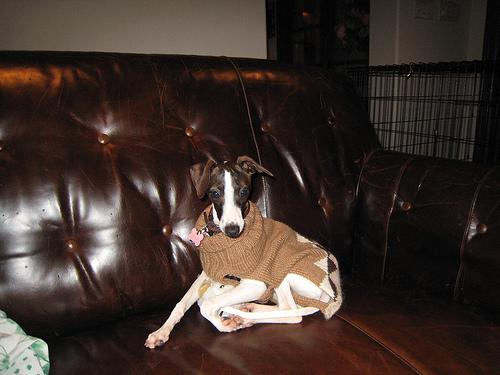
Italian Greyhound
Temperament
About the Italian Greyhound
The Italian Greyhound — known formally in Italy as the Piccolo Levriero Italiano — is one of the oldest toy breeds still in existence, with skeletal remains and artistic depictions placing dogs of its type in the Mediterranean basin over 2,000 years ago. Ancient Egyptian tombs and Greek friezes show animals nearly identical in form to the modern breed, suggesting a lineage that predates organized breeding programs by millennia. The breed was refined to its current standard during the Renaissance in Italy, where it became a fixture in the courts of nobility. Notable historical admirers include Frederick II of Prussia, Catherine the Great of Russia, and Queen Victoria of England, whose passion for the breed contributed substantially to its popularity in Britain during the 19th century. James I of England was also known to keep Italian Greyhounds, and the breed appears in portraits by Hans Holbein and other court painters of the period.
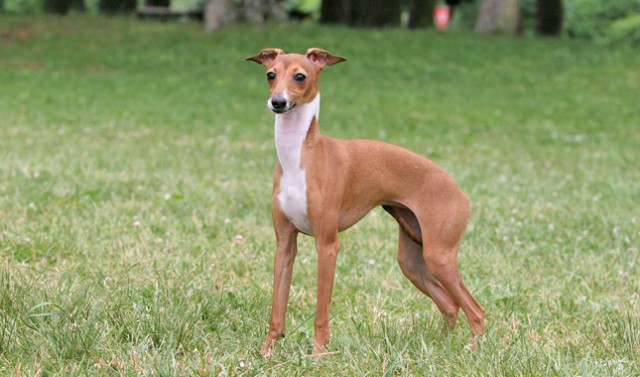
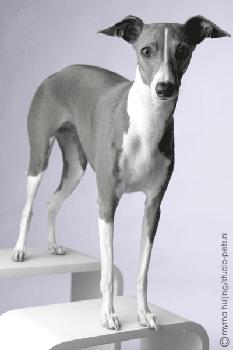
Despite its name and toy classification, the Italian Greyhound is a true sighthound — not a decorative miniaturization of a working dog, but a fully functional small hunting breed developed to course hare and rabbit across open terrain. Its relationship to the full-sized Greyhound is genuine, not cosmetic, and the two breeds share the same fundamental structure: deep chest, tucked abdomen, arched loin, and long skull with a fine muzzle built for aerodynamic efficiency. What separates the Italian Greyhound from its larger cousin is scale and refinement — bones that are finer and more delicate, a coat that is described in the breed standard as short, glossy, and satin-like in texture, and a silhouette that reads as both athletic and fragile simultaneously.
The American Kennel Club recognized the Italian Greyhound in 1886, making it one of the earliest breeds registered by the organization, which was itself founded just two years prior in 1884. Today the breed ranks 56th in AKC popularity out of 205 recognized breeds — a consistent mid-tier placement that reflects dedicated fandom without the oversaturation that often damages breed health. The Italian Greyhound Club of America, founded in 1954, serves as the AKC parent club and maintains the breed standard. The Fédération Cynologique Internationale classifies the breed in Group 10 (Sighthounds) under the name Italian Sighthound, a designation that more accurately reflects its working heritage than its AKC toy group placement.
What makes the Italian Greyhound genuinely distinct is this dual identity — a lap dog with a sighthound's wiring. Owners who expect a small, docile companion and ignore the coursing instinct will find themselves with a dog that bolts after squirrels at full sprint and requires a securely fenced yard without exception.
At a Glance
Quick Facts
- Breed Group:
- Toy
- Bred For:
- Lapdog
- Origin:
- Italy
- Life Span:
- 12 - 15 years
- Weight:
- 7 - 15 lbs
- Height:
- 13 - 15 in
💰 Italian Greyhound Cost Guide
Food · Vet · Grooming · Insurance · Full breakdown
Frequently Asked Questions
What is the temperament of a Italian Greyhound?
Italian Greyhounds are known to be mischievous, affectionate, agile, companionable, intelligent, friendly, playful, loyal, curious, gentle, dignified. This combination of traits makes them excellent companions for families with children. Their temperament is influenced by both genetics and proper socialization from an early age.
How much exercise does a Italian Greyhound need?
Italian Greyhounds have low energy levels and require minimal daily exercise, typically 15-30 minutes of gentle activity.
How often should I groom my Italian Greyhound?
Italian Greyhounds require intensive grooming with daily brushing and regular professional grooming sessions.
How do I train a Italian Greyhound?
Italian Greyhounds are highly trainable and typically respond well to positive reinforcement methods.
Are Italian Greyhounds good with children?
Italian Greyhounds are excellent with children. Their natural patience, gentle nature, and resilience make them outstanding family dogs. They typically form strong bonds with children and tend to be forgiving of the occasional accidental rough handling that can occur with younger kids. Remember that proper socialization and teaching children appropriate interaction with dogs are always important, regardless of breed.
What makes the Italian Greyhound unique compared to other dog breeds?
The Italian Greyhound stands out from other breeds due to its remarkable combination of speed and endurance despite their smaller size, dignified appearance and bearing, rich heritage from Italy, specialized abilities for lapdog. This unique combination of characteristics makes them special among dog breeds and appeals to owners who appreciate these distinct qualities. Understanding these traits helps provide appropriate care tailored to their specific needs.
What should I know before getting a Italian Greyhound?
Before bringing a Italian Greyhound into your home, potential owners should consider: They have relatively low exercise needs (2/5), making them suitable for less active households. Their coat requires significant maintenance (4/5) with regular grooming sessions. They typically excel in family environments with children (5/5 child-friendliness). They're typically highly trainable (4/5) and eager to learn. They may be prone to breed-specific health issues including Patellar Luxation, Leg Fractures (fragile fine bones), Progressive Retinal Atrophy, Hypothyroidism, Periodontal Disease, Epilepsy. Additionally, researching reputable breeders or rescue organizations is essential for finding a healthy, well-socialized Italian Greyhound. Understanding these factors will help ensure a good match between the breed and your lifestyle, leading to a happy relationship for both you and your dog.
What were Italian Greyhounds originally bred for?
Italian Greyhounds were originally bred for lapdog. This companion-focused breeding has resulted in their affectionate, people-oriented temperament that makes them excellent pets. As part of the Toy group, they share characteristics with other breeds developed for similar purposes. Understanding your Italian Greyhound's breeding heritage helps explain many of their natural behaviors and instincts, which can be channeled appropriately through training and enrichment activities. Even though modern Italian Greyhounds are primarily companions, these inherent traits remain part of their genetic makeup.
How long do Italian Greyhounds typically live?
The average lifespan of a Italian Greyhound is 12 - 15 years. With proper care including quality nutrition, regular veterinary check-ups, appropriate exercise, and preventative healthcare, some Italian Greyhounds may live beyond this range. Genetics, environment, and healthcare all play important roles in determining longevity.
Are Italian Greyhounds hard to potty train?
Italian Greyhounds are widely considered one of the most challenging toy breeds to housetrain, and this reputation is earned. The difficulty is not a matter of intelligence — the breed is smart and quick to learn most things — but rather a combination of factors unique to the breed. Italian Greyhounds have very small bladders relative to even other toy breeds, require frequent outdoor trips, and are highly averse to cold, rain, and wet conditions. A dog that is fully reliable in warm weather may regress entirely when temperatures drop, simply because the discomfort of going outside outweighs the learned behavior. Most experienced Italian Greyhound owners report that true housetraining reliability takes six months to a year of consistent effort, and some dogs never become fully reliable without the addition of an indoor grass patch or other indoor elimination option for bad-weather days. Crate training used consistently, ultra-frequent outdoor trips on a strict schedule, and high-value treat rewards for outdoor elimination are the foundational tools. Punishing accidents is counterproductive and damages the trust relationship the breed depends on for learning.
Can Italian Greyhounds be left alone during the day?
Italian Greyhounds are not well-suited to being left alone for long stretches, and this is one of the most important temperament realities prospective owners should understand before acquiring one. The breed forms extremely strong attachments to its people — the 'Velcro dog' nickname used by the VCA and others is accurate — and extended solitude produces genuine distress. Separation anxiety is common in the breed and can manifest as destructive behavior, excessive vocalization, and housetraining regression. Most Italian Greyhounds do better when they have canine companionship, and many owners keep two dogs specifically to address this need. If solo ownership and regular work-day absences are unavoidable, a structured routine with a midday dog walker, doggy daycare on high-demand days, and a gradual desensitization program to alone time started in puppyhood can make the arrangement workable. Owners who are home frequently or work remotely are naturally better matches for the breed.
Do Italian Greyhounds get along with cats and other dogs?
Italian Greyhounds generally coexist well with other dogs, particularly other sighthounds and dogs of similar energy and play style. The breed is not typically dog-aggressive, and many Italian Greyhounds actively seek canine companionship. That said, the size differential creates a safety consideration — Italian Greyhounds can be seriously injured during rough play with larger dogs, and their fine leg bones are vulnerable in a way that most dogs do not recognize or moderate around. Supervised introductions and ongoing awareness of play dynamics are important. With cats, the picture is more variable and depends heavily on the individual dog and the cat's behavior. An Italian Greyhound that has been raised with cats from puppyhood or that has a lower prey drive threshold will often live peacefully with feline housemates. However, a fast-moving cat that runs can trigger the breed's chase instinct with surprising intensity, and introductions should be managed carefully. A rescue cat that holds ground tends to fare better than one that bolts.
How much exercise does an Italian Greyhound need?
Despite being a toy breed, the Italian Greyhound is a true sighthound athlete that needs real daily exercise — not just a few laps around a small apartment. The breed benefits from at least one to two sessions of off-leash running per day in a securely fenced area, where it can fully extend into the high-speed gallop its body is built for. The Italian Greyhound is one of the fastest breeds relative to its size, capable of reaching speeds around 25 miles per hour. Without adequate physical outlet, the breed becomes restless and is more likely to engage in destructive behavior or develop anxiety. That said, exercise needs are typically met efficiently — a fifteen to twenty minute off-leash run in a fenced yard twice daily satisfies most Italian Greyhounds, after which the breed is genuinely happy to spend several hours sleeping on a warm lap or burrowed under blankets. On-leash walks supplement but do not replace the need for free running. Dog sports like lure coursing and agility are excellent outlets that engage both the breed's physical capability and its intelligence simultaneously.
Additional Characteristics
Care Requirements
They have a low to moderate energy level and need regular but not extensive exercise.
They have high grooming needs requiring frequent brushing and regular professional grooming.
Highly trainable — quick to learn and eager to please
They are excellent with children and often form strong bonds with them.
Italian Greyhound
Complete Breed Guide
About the Italian Greyhound
The Italian Greyhound is a small breed that originated in Italy, where it was favored by nobility for its elegant appearance and companionship. Weighing between 7 to 15 pounds and standing 13 to 15 inches tall, this breed features a slender build, long legs, and a short coat that comes in various colors. Known for their affectionate and playful temperament, Italian Greyhounds are agile and athletic, making them excellent companions for active families, while also enjoying quiet time on the couch. Their intelligence and curiosity contribute to their engaging personality, making them both entertaining and loyal pets.
Italian Greyhounds are known for being mischievous, affectionate, agile, companionable, intelligent, and friendly, playful, loyal. As a low-key and calm breed, they are highly responsive to training and thrive with regular mental and physical activity. They are excellent with children of all ages and friendly with other dogs, making them a popular choice for families and experienced dog owners alike.
Caring for a Italian Greyhound means committing to regular grooming (brushing several times a week), regular daily walks, and positive-reinforcement training. Their gentle, social nature makes them a wonderful addition to active families.
At a Glance
Quick Facts
- Breed Group:
- Toy
- Bred For:
- Lapdog
- Origin:
- Italy
- Life Span:
- 12 - 15 years
- Weight:
- 7 - 15 lbs
- Height:
- 13 - 15 in
Temperament
Free Italian Greyhound Health Guide
Italian Greyhounds can be prone to Patellar Luxation and other conditions. Get our owner's health checklist and monthly vet tips — free.
- ✓Italian Greyhound-specific health warning signs
- ✓Vet visit checklist & cost tracker
- ✓Monthly breed health newsletter
Finding similar breeds...
How We Find Similar Breeds
We analyze breed characteristics including temperament, size, appearance, and care needs to identify the most similar dog breeds. This helps you discover alternatives that might be a good match for your lifestyle and preferences.
Adopt a Italian Greyhound
Filter to show only purebred Italian Greyhounds (excludes mixed breeds and crosses)
Find Dogs Near You
Enter your location to discover adoptable pets nearby
How to Adopt a Italian Greyhound
Follow these steps to ensure a smooth and responsible adoption process. Remember that adopting a dog is a lifelong commitment.
Research the Breed
Learn everything you can about Italian Greyhounds, including their temperament, exercise needs, grooming requirements, and potential health issues.
Find Reputable Sources
Look for adoptable dogs through shelters, rescue organizations, or responsible breeders. Avoid puppy mills and online scams.
Apply for Adoption
Complete an adoption application with your chosen organization. Be prepared to provide references and possibly go through a home visit.
Meet Your Potential Pet
Schedule a meeting with the dog to assess compatibility with you, your family, and any existing pets.
Prepare Your Home
Gather necessary supplies and dog-proof your home before bringing your new pet home.
1Essential Supplies
Food and water bowls, high-quality dog food, collar with ID tag, leash, bed, crate, toys, treats, grooming supplies, and cleaning products for accidents.
2Create a Safe Space
Designate an area where your dog can retreat when feeling overwhelmed. This could be a crate with comfortable bedding or a quiet corner with their bed.
3Remove Hazards
Secure or remove toxic plants, chemicals, small objects that could be swallowed, and foods that are harmful to dogs. Use baby gates if needed to restrict access to certain areas.
4Find a Veterinarian
Research and choose a veterinarian before bringing your dog home, and schedule an initial check-up shortly after adoption.
What is the dog's background and history?
Understanding a dog's past can help you anticipate potential behavior issues and provide appropriate support.
Has the dog been spayed/neutered and vaccinated?
This information is important for planning future veterinary care and understanding any immediate medical needs.
What is the dog's energy level and exercise needs?
Italian Greyhounds typically need regular exercise to stay healthy and happy. Ask about specific exercise requirements.
Has the dog been socialized with other animals and people?
This helps you understand how the dog might interact with your family, friends, and other pets.
Are there any known behavioral or health issues?
Knowing about existing issues helps you prepare for any special care or training needs.
Special Considerations for Italian Greyhounds
- Italian Greyhounds may have specific health concerns that require regular monitoring.
- Consider how the typical Italian Greyhound temperament aligns with your lifestyle.
- Research the grooming needs of Italian Greyhounds to ensure you can commit to the required maintenance.
- Understand the exercise requirements of Italian Greyhounds to keep them healthy and prevent behavior problems.
- Learn about proper training methods that work well with Italian Greyhounds.
 Italian Greyhound — Official AKC Breed VideoAmerican Kennel Club
Watch the official AKC video covering temperament, history, traits, and care.
Watch on YouTube →Product Recommendations for Italian Greyhounds
See all →Vet-reviewed picks for food, insurance, crates, brushes, treats, and toys — matched to this breed.
Compare Italian Greyhound with Similar Breeds
See how the Italian Greyhound stacks up against other breeds side by side.