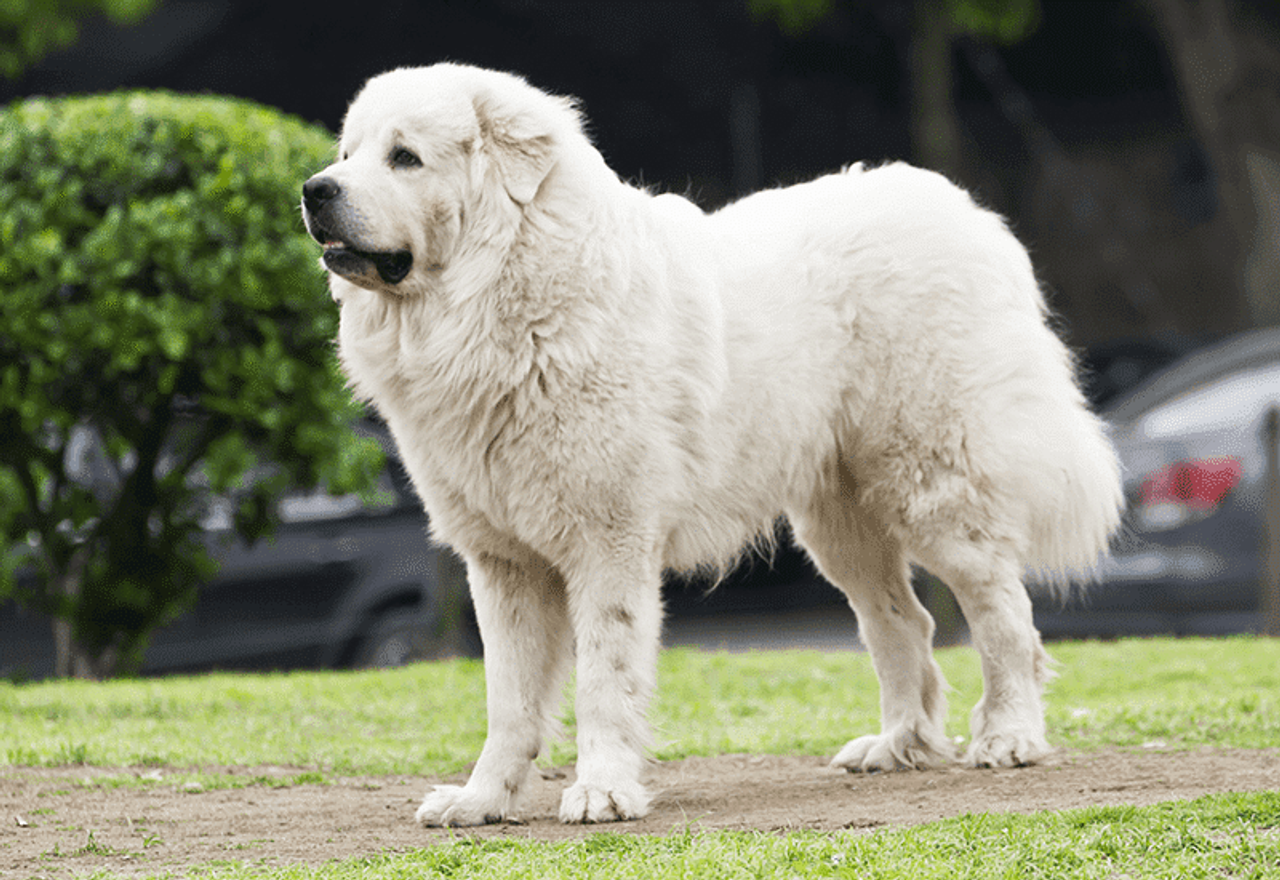
Great Pyrenees
Strong Willed
Other Behavioral Concerns
Separation Anxiety in Great Pyreneess
Comprehensive guide to understanding and addressing this behavior
Understanding Separation Anxiety in Great Pyreneess
Separation Anxiety is a behavioral pattern that can be seen in Great Pyreneess. Like all behaviors, it often has underlying causes and can be addressed with the right approach.
Common Causes of Separation Anxiety
There are several potential causes for Separation Anxiety in Great Pyreneess:
- Breed Traits: Great Pyreneess are like all breeds, have specific traits that can influence their behavior patterns.
- Training Gaps: Inconsistent or incomplete training can lead to development of unwanted behaviors.
- Environmental Factors: Changes in environment, routine, or family dynamics can trigger behavioral changes.
- Health Issues: Sometimes, behavioral changes are signs of underlying health issues that need veterinary attention.
- Past Experiences: Previous experiences, especially in rescued dogs, can shape current behaviors.
Addressing and Training
When working with a Great Pyrenees on Separation Anxiety, consider these training approaches:
- Consistency: All family members should use the same commands and rules.
- Positive Reinforcement: Reward desired behaviors rather than punishing unwanted ones, especially since this breed can be sensitive to harsh corrections.
- Exercise: Regular exercise helps maintain your Great Pyrenees's physical and mental wellbeing.
- Redirection: When you notice the behavior starting, redirect your dog to an appropriate alternative behavior.
- Professional Help: Consider working with a professional dog trainer or behaviorist for persistent issues.
Specific Training Techniques for Separation Anxiety
These specific techniques can help address Separation Anxiety in your Great Pyrenees:
1. Identify Triggers
Pay attention to what situations or stimuli seem to trigger the behavior. Keeping a log can help identify patterns.
2. Create a Training Plan
Develop a consistent training plan that all family members follow. Be patient and consistent in your approach.
3. Use Appropriate Training Tools
Tools like clickers, harnesses, or treat pouches can help with training, but avoid any tools that use fear or pain.
4. Practice in Various Environments
Once your dog is responding well in a controlled environment, gradually practice in more distracting settings.
When to Seek Professional Help
Consider consulting a professional trainer or behaviorist if:
- The behavior is dangerous to people or other animals
- Your attempts at training haven't shown improvement after several weeks
- The behavior is causing significant stress for your dog or your family
- You suspect the behavior might be related to a health issue
Frequently Asked Questions
Why does my Great Pyrenees have Separation Anxiety?
Separation Anxiety in Great Pyreneess can be caused by various factors including genetics, training methods, socialization, and environmental influences. Understanding the root cause is essential for addressing the behavior effectively.
How can I stop my Great Pyrenees from separation anxiety?
Addressing separation anxiety in your Great Pyrenees typically involves consistent training, positive reinforcement, and sometimes environmental modifications. In some cases, consulting with a professional dog trainer or behaviorist may be beneficial.
Is Separation Anxiety normal for Great Pyreneess?
While some Great Pyreneess may exhibit separation anxiety, it's important to address this behavior through proper training and socialization. Each dog is unique, regardless of breed.
What training methods work best for Separation Anxiety in Great Pyreneess?
For Separation Anxiety in Great Pyreneess, positive reinforcement training techniques are generally most effective. This involves rewarding desired behaviors, redirecting unwanted behaviors, and maintaining consistency in your approach. Great Pyreneess are highly trainable and typically respond well to consistent, reward-based training.