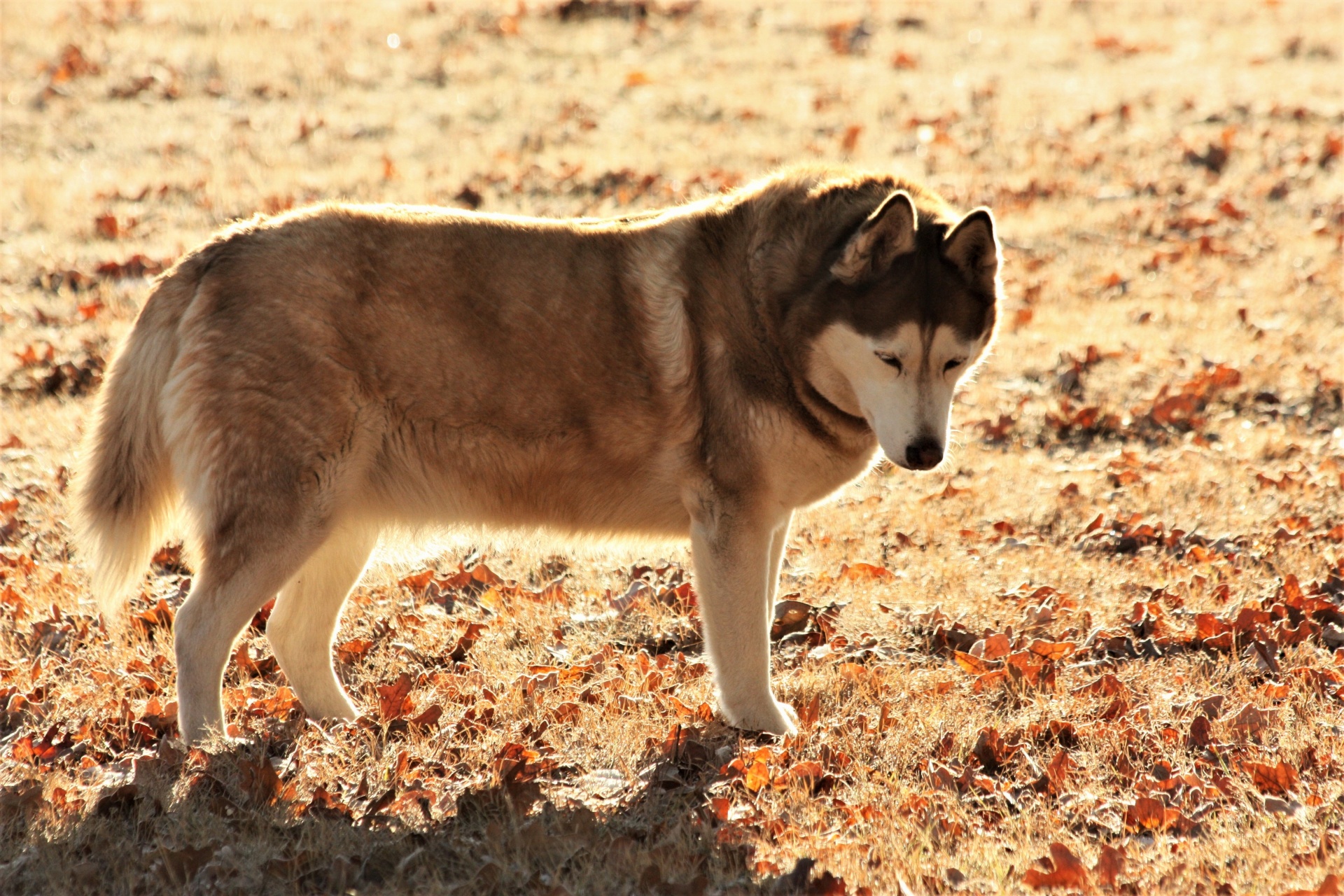
Siberian Husky
Outgoing
Other Health Concerns
Progressive Retinal Atrophy in Siberian Huskys
Comprehensive guide to understanding, treating, and preventing this health condition
What is Progressive Retinal Atrophy?
Progressive Retinal Atrophy is a health condition that can affect Siberian Huskys. This breed is known to have several health concerns, including Progressive Retinal Atrophy.
Symptoms of Progressive Retinal Atrophy in Siberian Huskys
Dogs suffering from Progressive Retinal Atrophy may show various symptoms. While these can vary from one dog to another, common signs to watch for include:
- Changes in behavior or activity level
- Visible discomfort or pain
- Specific clinical signs related to the affected body system
- Changes in appetite or weight
Important: If you notice any concerning symptoms in your Siberian Husky, consult with a veterinarian promptly. Early diagnosis and treatment can significantly improve outcomes.
Treatment Options
The treatment for Progressive Retinal Atrophy in Siberian Huskys typically involves:
- Veterinary diagnosis and medical intervention
- Possible medication or therapeutic treatments
- Dietary and lifestyle modifications
- Regular monitoring and follow-up care
Treatment plans are typically customized based on the severity of the condition, the age and overall health of your dog, and other factors.
Prevention Strategies
While not all health conditions can be completely prevented, there are steps you can take to minimize the risk or severity of Progressive Retinal Atrophy in your Siberian Husky:
- Regular veterinary check-ups for early detection
- Appropriate diet and exercise regimen
- Awareness of early warning signs
- Genetic testing when acquiring a Siberian Husky puppy
- Avoiding known environmental triggers (if applicable)
When to See a Veterinarian
You should consult with a veterinarian if:
- You notice any symptoms associated with Progressive Retinal Atrophy
- Your Siberian Husky shows any sudden changes in behavior or health
- You have a family history of this condition in your dog's lineage
- You're considering preventive measures specific to this health concern
Frequently Asked Questions
What is Progressive Retinal Atrophy in Siberian Huskys?
Progressive Retinal Atrophy in Siberian Huskys is a health condition that affects this breed. It's characterized by specific symptoms and may require veterinary attention.
What are the symptoms of Progressive Retinal Atrophy in Siberian Huskys?
Common symptoms of Progressive Retinal Atrophy in Siberian Huskys include changes in behavior, physical discomfort, and specific clinical signs. Always consult a veterinarian if you notice any concerning symptoms.
How is Progressive Retinal Atrophy treated in Siberian Husky dogs?
Treatment for Progressive Retinal Atrophy in Siberian Huskys typically involves veterinary care, which may include medication, dietary changes, or in some cases, surgery. The specific treatment plan depends on the severity of the condition and your dog's overall health.
How can I prevent Progressive Retinal Atrophy in my Siberian Husky?
Preventing Progressive Retinal Atrophy in Siberian Huskys often involves regular veterinary check-ups, appropriate diet, exercise, and sometimes genetic screening. Early detection and intervention can significantly improve outcomes.