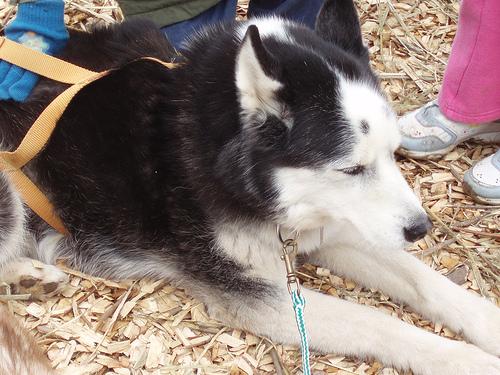
Siberian Husky
Temperament
About the Siberian Husky
The Siberian Husky was developed over centuries by the Chukchi people of northeastern Siberia, a semi-nomadic indigenous group who depended on these dogs for survival. The Chukchi selectively bred them to haul light loads at moderate speeds across vast frozen distances on minimal food — a combination of traits that no other sled breed fully replicates. Unlike the Alaskan Malamute, which was bred by the Mahlemut Inuit to pull heavier loads at slower speeds, the Siberian Husky was engineered for endurance and efficiency, not raw power. That distinction still shows up in the breed today: leaner body, lighter bone structure, and a metabolic efficiency that allows them to regulate their energy output in ways that have genuinely puzzled sports physiologists studying sled dogs.
The breed's introduction to North America is well-documented. William Goosak, a Russian fur trader, brought a team of Siberian Huskies to Nome, Alaska, in 1908 to compete in the All Alaska Sweepstakes, a 408-mile dogsled race. Alaskans initially dismissed his dogs as undersized compared to the larger mixed-breed freighters they favored. Goosak's team finished third, which was enough to make people pay attention. The following year, Charles Fox Maule Ramsay imported a larger team and hired John "Iron Man" Johnson to drive them. Johnson won the 1910 All Alaska Sweepstakes in record time, and the breed's reputation was cemented.
The most famous chapter in the breed's history came in 1925, when a diphtheria outbreak threatened Nome's population and the only available antitoxin was in Anchorage. A relay of sled dog teams covered 674 miles in just over five days through brutal Arctic conditions. Leonhard Seppala drove the most critical leg with his lead dog Togo, a Siberian Husky who covered 261 miles. Balto, another Siberian Husky, led the final team into Nome and became the more publicly celebrated figure — a statue of Balto still stands in New York's Central Park.
The AKC recognized the Siberian Husky in 1930. The breed is currently governed in the United States by the Siberian Husky Club of America (SHCA), founded in 1938, which maintains the breed standard and sponsors health and performance programs. As of recent AKC rankings, the Siberian Husky sits at approximately 26th out of 205 recognized breeds — remarkably popular for a working dog with genuinely demanding ownership requirements. They are also recognized by the United Kennel Club and every major international kennel organization.
At a Glance
Quick Facts
- Breed Group:
- Working
- Bred For:
- Sled pulling
- Origin:
- Siberia
- Life Span:
- 12 - 14 years
- Weight:
- 35 - 60 lbs
- Height:
- 20 - 23.5 in
💰 Siberian Husky Cost Guide
Food · Vet · Grooming · Insurance · Full breakdown
Frequently Asked Questions
What is the temperament of a Siberian Husky?
Siberian Huskys are known to be outgoing, friendly, alert, gentle, intelligent, affectionate, curious, playful, loyal, loving. This combination of traits makes them excellent companions for families with children. Their temperament is influenced by both genetics and proper socialization from an early age.
How much exercise does a Siberian Husky need?
Siberian Huskys have low energy levels and require minimal daily exercise, typically 15-30 minutes of gentle activity.
How often should I groom my Siberian Husky?
Siberian Huskys require minimal grooming with weekly brushing and occasional baths.
How do I train a Siberian Husky?
Siberian Huskys are highly trainable and typically respond well to positive reinforcement methods.
Are Siberian Huskys good with children?
Siberian Huskys are excellent with children. Their natural patience, gentle nature, and resilience make them outstanding family dogs. They typically form strong bonds with children and tend to be forgiving of the occasional accidental rough handling that can occur with younger kids. Remember that proper socialization and teaching children appropriate interaction with dogs are always important, regardless of breed.
What makes the Siberian Husky unique compared to other dog breeds?
The Siberian Husky stands out from other breeds due to its rich heritage from Siberia, specialized abilities for sled pulling. This unique combination of characteristics makes them special among dog breeds and appeals to owners who appreciate these distinct qualities. Understanding these traits helps provide appropriate care tailored to their specific needs.
What should I know before getting a Siberian Husky?
Before bringing a Siberian Husky into your home, potential owners should consider: They have relatively low exercise needs (2/5), making them suitable for less active households. Their coat is relatively low-maintenance (2/5). They typically excel in family environments with children (5/5 child-friendliness). They're typically highly trainable (5/5) and eager to learn. They may be prone to breed-specific health issues including Progressive Retinal Atrophy, Cataracts, Hip Dysplasia, Hypothyroidism, Zinc-Responsive Dermatosis. Additionally, researching reputable breeders or rescue organizations is essential for finding a healthy, well-socialized Siberian Husky. Understanding these factors will help ensure a good match between the breed and your lifestyle, leading to a happy relationship for both you and your dog.
What were Siberian Huskys originally bred for?
Siberian Huskys were originally bred for sled pulling. As part of the Working group, they share characteristics with other breeds developed for similar purposes. Understanding your Siberian Husky's breeding heritage helps explain many of their natural behaviors and instincts, which can be channeled appropriately through training and enrichment activities. Even though modern Siberian Huskys are primarily companions, these inherent traits remain part of their genetic makeup.
How long do Siberian Huskys typically live?
The average lifespan of a Siberian Husky is 12 - 14 years. With proper care including quality nutrition, regular veterinary check-ups, appropriate exercise, and preventative healthcare, some Siberian Huskys may live beyond this range. Genetics, environment, and healthcare all play important roles in determining longevity.
Do Siberian Huskies make good apartment dogs?
Siberian Huskies can technically live in an apartment, but it requires an unusually high commitment to daily exercise — we're talking a minimum of two hours of vigorous activity per day, not a leisurely walk around the block. The breed was developed to run 100 miles a day in Arctic conditions, and that drive doesn't disappear in a smaller living space. A Husky in an apartment that doesn't get adequate exercise will become destructive, vocal, and difficult to live with. If you're in an apartment but are an extremely active person — running, cycling, or hiking daily — it can work. But for most apartment dwellers, the energy mismatch makes this breed a poor fit compared to lower-drive working dogs.
Are Siberian Huskies good with kids?
Siberian Huskies are generally very good with children. The breed was raised communally by the Chukchi people, with dogs and children sharing close quarters as a matter of daily life. That history is reflected in the breed's gentle, playful temperament. Huskies tend to be patient, rarely snappy, and enjoy the energy that children bring. The main consideration with young children is the breed's size and enthusiasm — a 55-pound Husky who wants to greet someone can knock over a small child without meaning any harm. As with all breeds, supervision between dogs and young children is essential, and teaching children how to interact respectfully with the dog matters as much as the dog's temperament.
Why does my Siberian Husky howl so much?
Howling is one of the Siberian Husky's primary communication tools, and it is deeply embedded in the breed's history. Sled dogs communicate across distances through vocalizations, and Huskies were never selected for quiet — quite the opposite. They howl in response to sounds like sirens, music, or other dogs. They howl when they want attention or when they're left alone. They howl seemingly for the enjoyment of it. This is a breed-typical behavior, not a sign of distress or a training failure. You can reduce nuisance howling to some extent by not reinforcing it with attention, ensuring the dog gets enough exercise, and providing mental stimulation — but eliminating howling entirely from a Siberian Husky is not realistic.
Can Siberian Huskies be off-leash?
For the vast majority of Siberian Huskies, off-leash freedom outside of securely fenced areas is not safe, regardless of training level. The breed has a strong prey drive and a deeply ingrained instinct to run that can override even well-trained recall once triggered. A Husky that is perfectly reliable in your backyard can disappear over the horizon the moment a deer or rabbit crosses its path. This is not a training failure — it is a breed characteristic selected over centuries. Most experienced Husky owners and the Siberian Husky Club of America recommend keeping the breed on leash in unenclosed areas at all times. Fenced dog parks and fully enclosed yards are the appropriate venues for off-leash exercise.
Additional Characteristics
Care Requirements
They have a low to moderate energy level and need regular but not extensive exercise.
They need regular but basic grooming such as weekly brushing.
Highly trainable — quick to learn and eager to please
They are excellent with children and often form strong bonds with them.
Siberian Husky
Complete Breed Guide
About the Siberian Husky
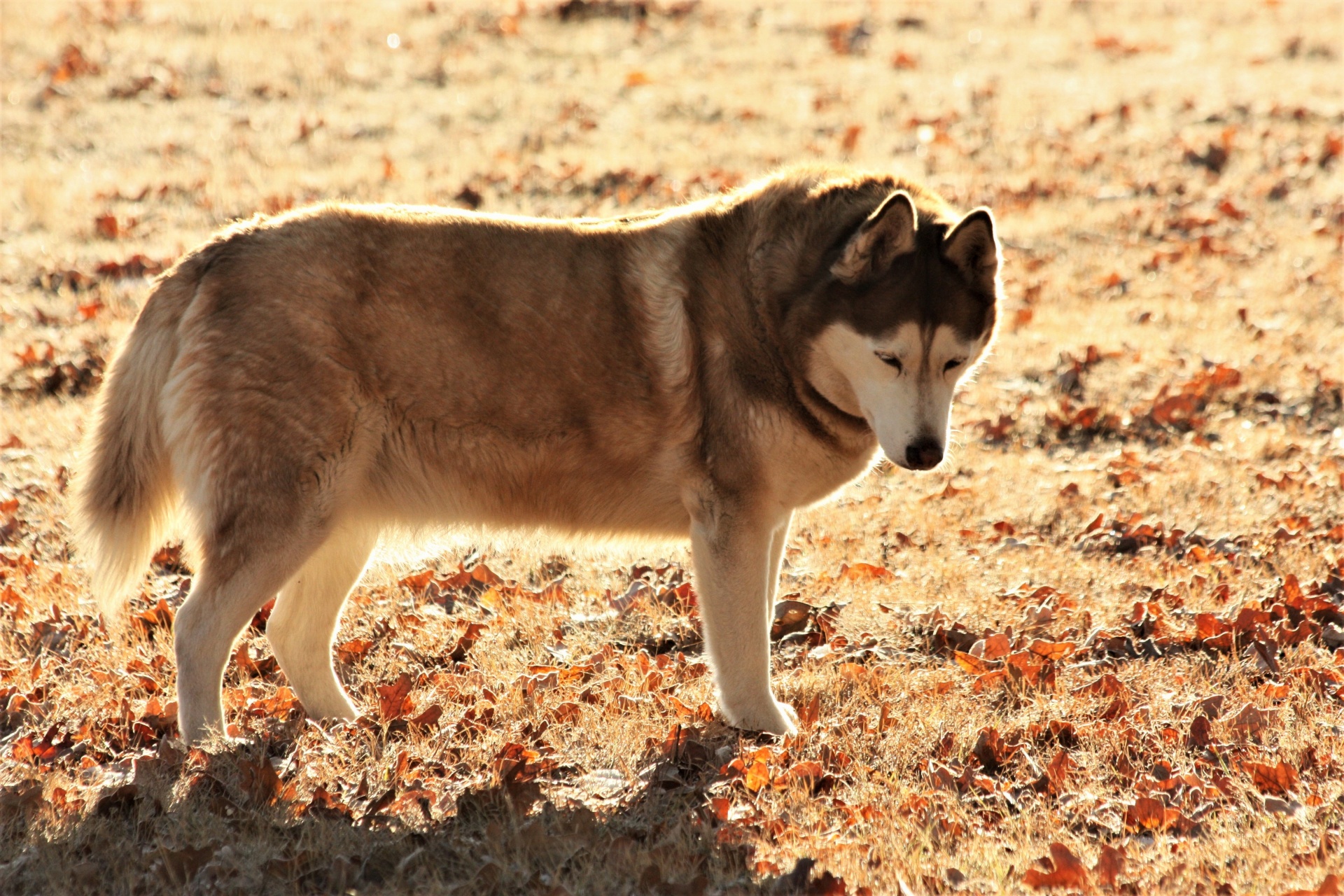
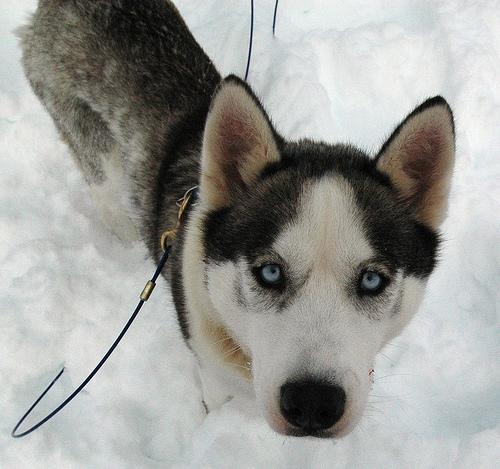
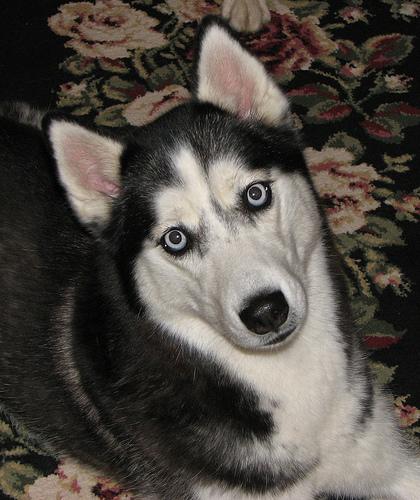
The Siberian Husky originated in Siberia, where they were bred by the Chukchi people for sled pulling and companionship. This medium-sized breed typically weighs between 35 to 60 pounds and stands 20 to 23.5 inches tall, featuring a thick double coat, erect triangular ears, and striking blue or multicolored eyes. Known for their outgoing and friendly temperament, Siberian Huskies are intelligent and athletic dogs that require regular exercise and mental stimulation, making them well-suited for active families and outdoor enthusiasts.
Siberian Huskys are known for being outgoing, friendly, alert, gentle, intelligent, and affectionate, curious, playful. As a low-key and calm breed, they are highly responsive to training and thrive with regular mental and physical activity. They are excellent with children of all ages and friendly with other dogs, making them a popular choice for families and experienced dog owners alike.
Caring for a Siberian Husky means committing to minimal grooming — a quick brush once a week is usually enough, regular daily walks, and positive-reinforcement training. Their gentle, social nature makes them a wonderful addition to active families.
At a Glance
Quick Facts
- Breed Group:
- Working
- Bred For:
- Sled pulling
- Origin:
- Siberia
- Life Span:
- 12 - 14 years
- Weight:
- 35 - 60 lbs
- Height:
- 20 - 23.5 in
Temperament
Free Siberian Husky Health Guide
Siberian Huskys can be prone to Progressive Retinal Atrophy and other conditions. Get our owner's health checklist and monthly vet tips — free.
- ✓Siberian Husky-specific health warning signs
- ✓Vet visit checklist & cost tracker
- ✓Monthly breed health newsletter
Finding similar breeds...
How We Find Similar Breeds
We analyze breed characteristics including temperament, size, appearance, and care needs to identify the most similar dog breeds. This helps you discover alternatives that might be a good match for your lifestyle and preferences.
Adopt a Siberian Husky
Filter to show only purebred Siberian Huskys (excludes mixed breeds and crosses)
Find Dogs Near You
Enter your location to discover adoptable pets nearby
How to Adopt a Siberian Husky
Follow these steps to ensure a smooth and responsible adoption process. Remember that adopting a dog is a lifelong commitment.
Research the Breed
Learn everything you can about Siberian Huskys, including their temperament, exercise needs, grooming requirements, and potential health issues.
Find Reputable Sources
Look for adoptable dogs through shelters, rescue organizations, or responsible breeders. Avoid puppy mills and online scams.
Apply for Adoption
Complete an adoption application with your chosen organization. Be prepared to provide references and possibly go through a home visit.
Meet Your Potential Pet
Schedule a meeting with the dog to assess compatibility with you, your family, and any existing pets.
Prepare Your Home
Gather necessary supplies and dog-proof your home before bringing your new pet home.
1Essential Supplies
Food and water bowls, high-quality dog food, collar with ID tag, leash, bed, crate, toys, treats, grooming supplies, and cleaning products for accidents.
2Create a Safe Space
Designate an area where your dog can retreat when feeling overwhelmed. This could be a crate with comfortable bedding or a quiet corner with their bed.
3Remove Hazards
Secure or remove toxic plants, chemicals, small objects that could be swallowed, and foods that are harmful to dogs. Use baby gates if needed to restrict access to certain areas.
4Find a Veterinarian
Research and choose a veterinarian before bringing your dog home, and schedule an initial check-up shortly after adoption.
What is the dog's background and history?
Understanding a dog's past can help you anticipate potential behavior issues and provide appropriate support.
Has the dog been spayed/neutered and vaccinated?
This information is important for planning future veterinary care and understanding any immediate medical needs.
What is the dog's energy level and exercise needs?
Siberian Huskys typically need regular exercise to stay healthy and happy. Ask about specific exercise requirements.
Has the dog been socialized with other animals and people?
This helps you understand how the dog might interact with your family, friends, and other pets.
Are there any known behavioral or health issues?
Knowing about existing issues helps you prepare for any special care or training needs.
Special Considerations for Siberian Huskys
- Siberian Huskys may have specific health concerns that require regular monitoring.
- Consider how the typical Siberian Husky temperament aligns with your lifestyle.
- Research the grooming needs of Siberian Huskys to ensure you can commit to the required maintenance.
- Understand the exercise requirements of Siberian Huskys to keep them healthy and prevent behavior problems.
- Learn about proper training methods that work well with Siberian Huskys.
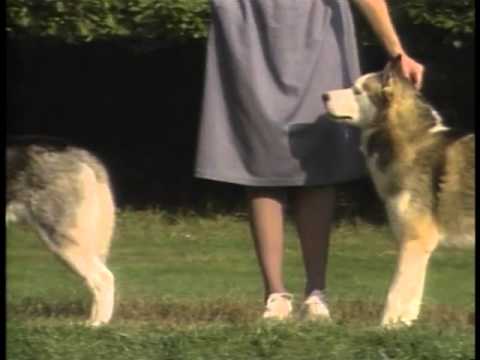 Siberian Husky — Official AKC Breed VideoAmerican Kennel Club
Watch the official AKC video covering temperament, history, traits, and care.
Watch on YouTube →Product Recommendations for Siberian Huskys
See all →Vet-reviewed picks for food, insurance, crates, brushes, treats, and toys — matched to this breed.
Compare Siberian Husky with Similar Breeds
See how the Siberian Husky stacks up against other breeds side by side.