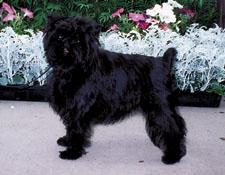
Affenpinscher
Temperament
About the Affenpinscher
The Affenpinscher is one of the oldest toy breeds in Europe, with roots stretching back to at least the seventeenth century in Germany and France. Early depictions of small, rough-coated, monkey-faced dogs appear in paintings by Jan van Eyck and Albrecht Dürer dating as far back as the 1400s, suggesting the type existed long before formal breed development began. The breed's name is a direct description of its appearance and type: 'Affe' is the German word for monkey, and 'Pinscher' refers to a terrier-type dog, a nod to its ratting heritage. Originally bred to work in kitchens, stables, and shops across Germany, these small dogs earned their keep dispatching mice and rats with the same ferocity you'd expect from a much larger terrier.
Over time, breeders — particularly in Munich and later in France — began selectively reducing the Affenpinscher's size, transforming it from a scrappy working mouser into a refined companion. The Miniature Pinscher is considered a close relative, and historically the two breeds were occasionally born in the same litter before breed lines were separated and standardized. The French took a particular liking to the breed, dubbing it the 'diablotin moustachu,' or mustachioed little devil, a nickname that speaks to both its appearance and its outsized personality.
The American Kennel Club first recognized the Affenpinscher in 1936, placing it in the Toy Group, where it remains today. The Affenpinscher Club of America serves as the AKC's parent club for the breed and is the primary authority on breed standards, health initiatives, and breeder ethics in the United States. Despite this long history of formal recognition, the Affenpinscher remains a genuinely rare breed, ranking 162nd out of 205 recognized breeds in AKC registration statistics — a fact that surprises many people who encounter one and immediately fall in love.
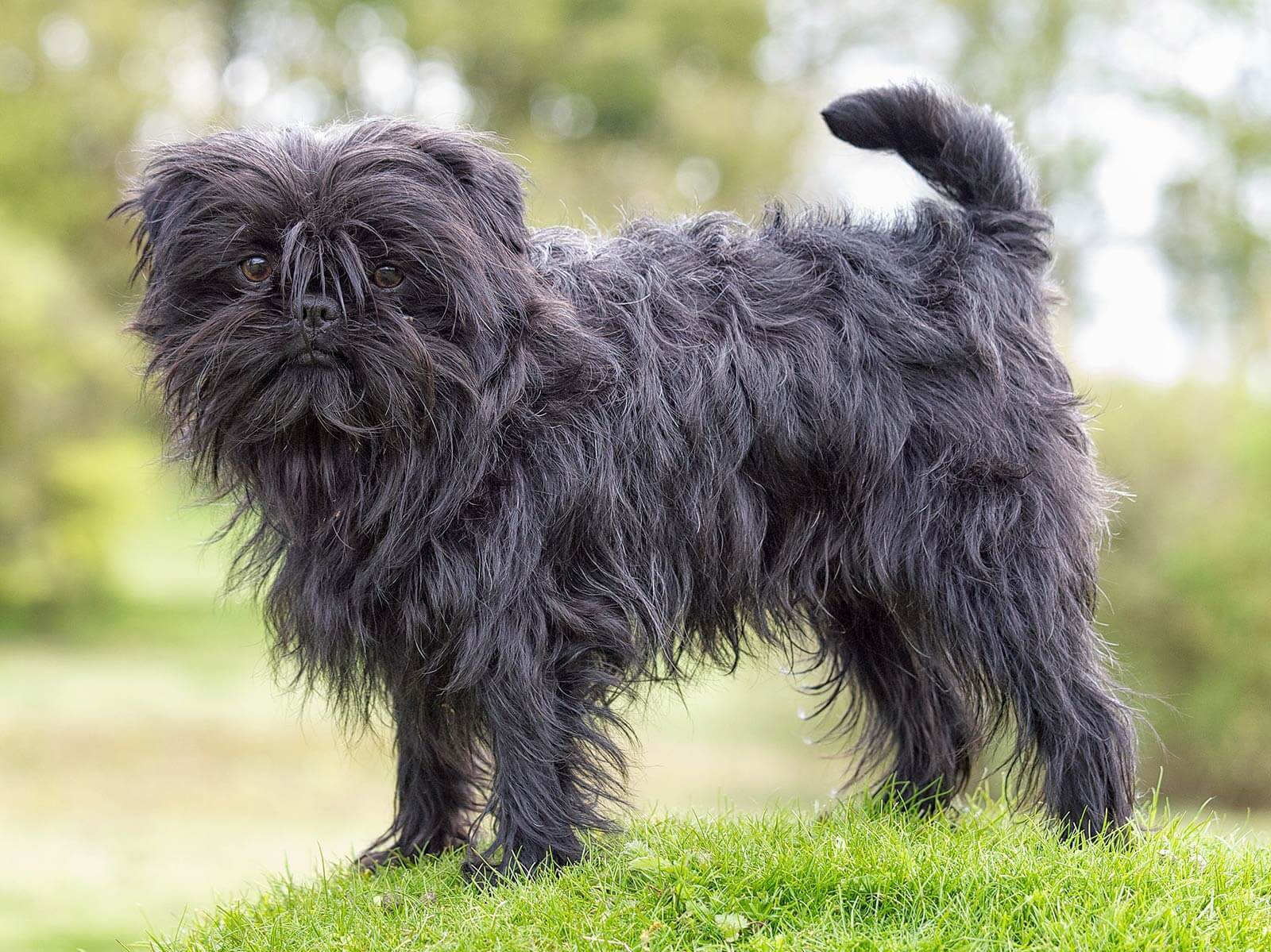
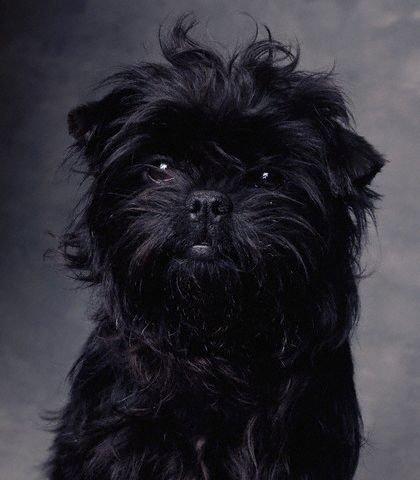
What sets the Affenpinscher apart from other toy breeds is the combination of working-dog mentality and companion-dog affection packed into a 7-to-10-pound frame. Unlike the Cavalier King Charles Spaniel or the Maltese, which were bred almost exclusively for companionship, the Affenpinscher carries genuine working instincts — it will still investigate every corner of your home and dispatch a mouse without hesitation. Its wiry, dense coat, pronounced brow ridge, pushed-in muzzle, and tufted chin give it an expression that reads simultaneously as serious and absurd, a quality that has made it a favorite subject of dog show commentary for generations. The breed standard calls for a confident, self-important carriage, and any Affenpinscher owner will tell you the dog reads that standard closely.
At a Glance
Quick Facts
- Breed Group:
- Toy
- Bred For:
- Small rodent hunting, lapdog
- Origin:
- Germany, France
- Life Span:
- 10 - 12 years
- Weight:
- 6 - 13 lbs
- Height:
- 9 - 11.5 in
💰 Affenpinscher Cost Guide
Food · Vet · Grooming · Insurance · Full breakdown
Frequently Asked Questions
What is the temperament of a Affenpinscher?
Affenpinschers are known to be stubborn, curious, playful, adventurous, active, fun-loving, affectionate, friendly, gentle, loyal, social, quiet, independent, dignified. This combination of traits makes them excellent companions for families with children. Their temperament is influenced by both genetics and proper socialization from an early age.
How much exercise does a Affenpinscher need?
Affenpinschers are high-energy dogs requiring 60+ minutes of vigorous daily exercise and mental stimulation.
How often should I groom my Affenpinscher?
Affenpinschers require intensive grooming with daily brushing and regular professional grooming sessions.
How do I train a Affenpinscher?
Affenpinschers are highly trainable and typically respond well to positive reinforcement methods.
Are Affenpinschers good with children?
Affenpinschers are excellent with children. Their natural patience, gentle nature, and resilience make them outstanding family dogs. They typically form strong bonds with children and tend to be forgiving of the occasional accidental rough handling that can occur with younger kids. Remember that proper socialization and teaching children appropriate interaction with dogs are always important, regardless of breed.
What makes the Affenpinscher unique compared to other dog breeds?
The Affenpinscher stands out from other breeds due to its dignified appearance and bearing, rich heritage from Germany, France, exceptional hunting abilities. This unique combination of characteristics makes them special among dog breeds and appeals to owners who appreciate these distinct qualities. Understanding these traits helps provide appropriate care tailored to their specific needs.
What should I know before getting a Affenpinscher?
Before bringing a Affenpinscher into your home, potential owners should consider: They have high exercise requirements (4/5) and need an active owner. Their coat requires significant maintenance (4/5) with regular grooming sessions. They typically excel in family environments with children (5/5 child-friendliness). They're typically highly trainable (4/5) and eager to learn. They may be prone to breed-specific health issues including Patellar Luxation, Legg-Calve-Perthes Disease, Hip Dysplasia, Tracheal Collapse, Dental Disease. Additionally, researching reputable breeders or rescue organizations is essential for finding a healthy, well-socialized Affenpinscher. Understanding these factors will help ensure a good match between the breed and your lifestyle, leading to a happy relationship for both you and your dog.
What were Affenpinschers originally bred for?
Affenpinschers were originally bred for small rodent hunting, lapdog. This hunting background explains their natural prey drive, scenting abilities, and often high energy levels. As part of the Toy group, they share characteristics with other breeds developed for similar purposes. Understanding your Affenpinscher's breeding heritage helps explain many of their natural behaviors and instincts, which can be channeled appropriately through training and enrichment activities. Even though modern Affenpinschers are primarily companions, these inherent traits remain part of their genetic makeup.
How long do Affenpinschers typically live?
The average lifespan of a Affenpinscher is 10 - 12 years. With proper care including quality nutrition, regular veterinary check-ups, appropriate exercise, and preventative healthcare, some Affenpinschers may live beyond this range. Genetics, environment, and healthcare all play important roles in determining longevity.
Are Affenpinschers good apartment dogs?
Yes, Affenpinschers are well-suited to apartment living. They are small, relatively quiet compared to many toy breeds, and do not require a yard. They do need daily walks and interactive play to satisfy their curious, active minds, but their exercise needs are fully manageable within an urban environment. One caveat: Affenpinschers can be vocal when they detect something suspicious, so early training around excessive barking is worthwhile in close-quarters living situations.
Do Affenpinschers get along with other dogs and cats?
Affenpinschers can coexist well with other pets when properly socialized, but their complete lack of size awareness creates a specific risk with large dogs. An Affenpinscher will not back down from a dog ten times its size, and owners must manage these interactions carefully. With cats, the outcome depends largely on the individual dog's prey drive — some Affenpinschers cohabitate peacefully with cats, while others with stronger ratting instincts may give chase. Early socialization and careful introductions significantly improve the odds of successful multi-pet households.
How much grooming does an Affenpinscher need?
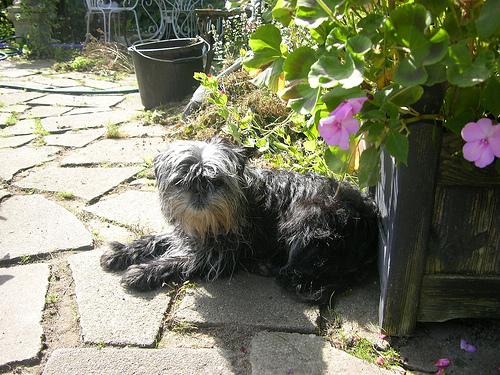
The Affenpinscher's wiry, dense coat requires regular maintenance to prevent matting and preserve its characteristic shaggy appearance. For pet owners, professional grooming every six to eight weeks is standard, typically involving trimming around the face, feet, and body. Show dogs require hand-stripping — a technique that removes dead coat by hand rather than cutting — to maintain proper coat texture. At home, brushing two to three times per week prevents tangles and keeps the coat manageable between professional appointments. The breed does not shed heavily, which is one reason it is often described as a lower-shedding option for allergy-conscious households.
Are Affenpinschers hard to train?
Affenpinschers are intelligent but independently minded, which makes training rewarding for patient, experienced owners and genuinely frustrating for those expecting fast compliance. The breed responds best to short, positive training sessions using high-value food rewards, and it does not tolerate repetitive drilling or harsh corrections well. Housetraining in particular tends to take longer with this breed than owners expect. The Affenpinscher is not the right choice for someone who wants a dog that eagerly executes commands on the first ask — but for owners who enjoy working with a dog that has a distinct personality and genuine opinions, the training process becomes part of the relationship rather than a hurdle to clear.
Additional Characteristics
Care Requirements
They are high-energy dogs that need significant daily exercise and mental stimulation.
They have high grooming needs requiring frequent brushing and regular professional grooming.
Highly trainable — quick to learn and eager to please
They are excellent with children and often form strong bonds with them.
Affenpinscher
Complete Breed Guide
About the Affenpinscher
The Affenpinscher is a small toy breed that originated in Germany and France, historically used as a ratter in homes and stables. Weighing between 6 to 13 pounds and standing 9 to 11.5 inches tall, this breed is characterized by its distinctive monkey-like face and wiry coat. Affenpinschers are known for their curious and playful temperament, often displaying a stubborn streak, making them both affectionate companions and independent thinkers.
Affenpinschers are known for being stubborn, curious, playful, adventurous, active, and fun-loving, affectionate, friendly. As a high-energy breed, they are highly responsive to training and thrive with regular mental and physical activity. They are excellent with children of all ages and friendly with other dogs, making them a popular choice for families and experienced dog owners alike.
Caring for a Affenpinscher means committing to regular grooming (brushing several times a week), vigorous daily exercise, and consistent training from an early age. Their gentle, social nature makes them a wonderful addition to active families.
At a Glance
Quick Facts
- Breed Group:
- Toy
- Bred For:
- Small rodent hunting, lapdog
- Origin:
- Germany, France
- Life Span:
- 10 - 12 years
- Weight:
- 6 - 13 lbs
- Height:
- 9 - 11.5 in
Temperament
Free Affenpinscher Health Guide
Affenpinschers can be prone to Patellar Luxation and other conditions. Get our owner's health checklist and monthly vet tips — free.
- ✓Affenpinscher-specific health warning signs
- ✓Vet visit checklist & cost tracker
- ✓Monthly breed health newsletter
Finding similar breeds...
How We Find Similar Breeds
We analyze breed characteristics including temperament, size, appearance, and care needs to identify the most similar dog breeds. This helps you discover alternatives that might be a good match for your lifestyle and preferences.
Explore Related Breeds & Guides
Adopt a Affenpinscher
Filter to show only purebred Affenpinschers (excludes mixed breeds and crosses)
Find Dogs Near You
Enter your location to discover adoptable pets nearby
How to Adopt a Affenpinscher
Follow these steps to ensure a smooth and responsible adoption process. Remember that adopting a dog is a lifelong commitment.
Research the Breed
Learn everything you can about Affenpinschers, including their temperament, exercise needs, grooming requirements, and potential health issues.
Find Reputable Sources
Look for adoptable dogs through shelters, rescue organizations, or responsible breeders. Avoid puppy mills and online scams.
Apply for Adoption
Complete an adoption application with your chosen organization. Be prepared to provide references and possibly go through a home visit.
Meet Your Potential Pet
Schedule a meeting with the dog to assess compatibility with you, your family, and any existing pets.
Prepare Your Home
Gather necessary supplies and dog-proof your home before bringing your new pet home.
1Essential Supplies
Food and water bowls, high-quality dog food, collar with ID tag, leash, bed, crate, toys, treats, grooming supplies, and cleaning products for accidents.
2Create a Safe Space
Designate an area where your dog can retreat when feeling overwhelmed. This could be a crate with comfortable bedding or a quiet corner with their bed.
3Remove Hazards
Secure or remove toxic plants, chemicals, small objects that could be swallowed, and foods that are harmful to dogs. Use baby gates if needed to restrict access to certain areas.
4Find a Veterinarian
Research and choose a veterinarian before bringing your dog home, and schedule an initial check-up shortly after adoption.
What is the dog's background and history?
Understanding a dog's past can help you anticipate potential behavior issues and provide appropriate support.
Has the dog been spayed/neutered and vaccinated?
This information is important for planning future veterinary care and understanding any immediate medical needs.
What is the dog's energy level and exercise needs?
Affenpinschers typically need regular exercise to stay healthy and happy. Ask about specific exercise requirements.
Has the dog been socialized with other animals and people?
This helps you understand how the dog might interact with your family, friends, and other pets.
Are there any known behavioral or health issues?
Knowing about existing issues helps you prepare for any special care or training needs.
Special Considerations for Affenpinschers
- Affenpinschers may have specific health concerns that require regular monitoring.
- Consider how the typical Affenpinscher temperament aligns with your lifestyle.
- Research the grooming needs of Affenpinschers to ensure you can commit to the required maintenance.
- Understand the exercise requirements of Affenpinschers to keep them healthy and prevent behavior problems.
- Learn about proper training methods that work well with Affenpinschers.
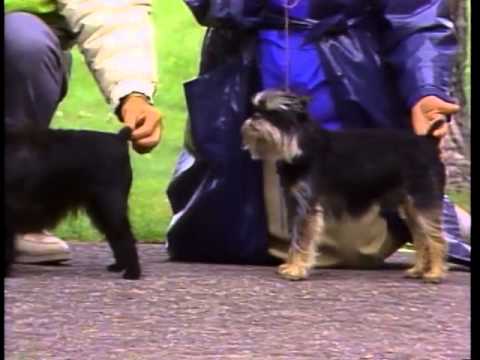 Affenpinscher — Official AKC Breed VideoAmerican Kennel Club
Watch the official AKC video covering temperament, history, traits, and care.
Watch on YouTube →Product Recommendations for Affenpinschers
See all →Vet-reviewed picks for food, insurance, crates, brushes, treats, and toys — matched to this breed.
Compare Affenpinscher with Similar Breeds
See how the Affenpinscher stacks up against other breeds side by side.