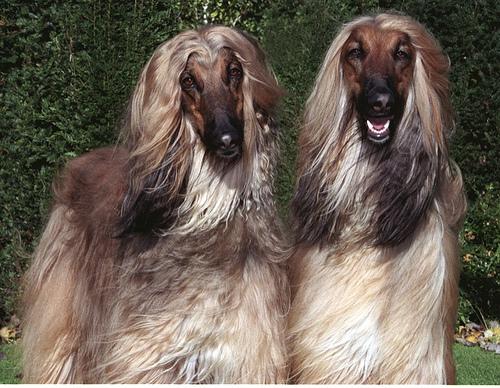
Afghan Hound
Temperament
About the Afghan Hound
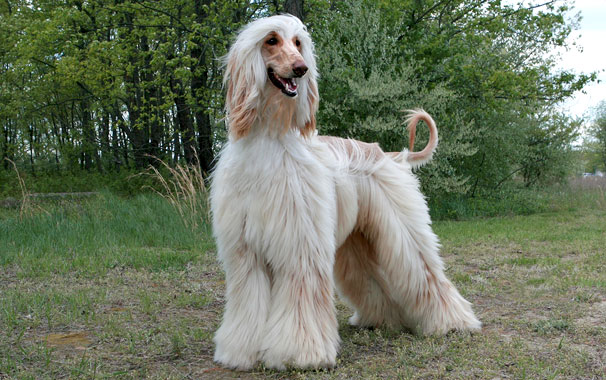
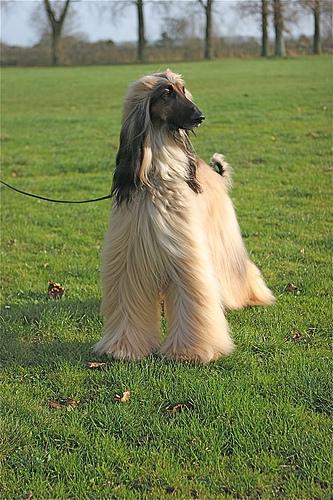
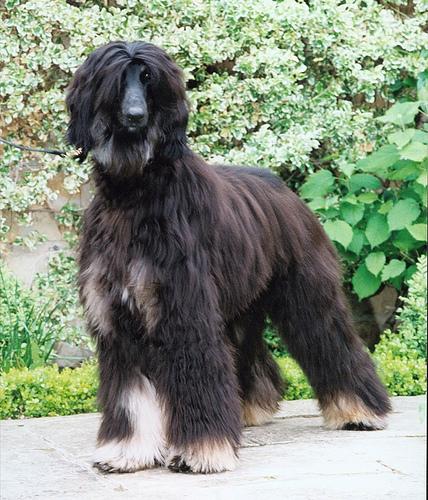
The Afghan Hound is one of the oldest recognized dog breeds in existence, with origins tracing back thousands of years to the mountainous regions of Afghanistan and the surrounding areas of what is now southern Russia and Persia. Bred by nomadic tribes — including the Bedouin people of Afghanistan — these dogs were working hunters first and showpieces second, developed specifically to pursue gazelle, snow leopards, and other game across steep, rocky, and unforgiving terrain. The breed's physically distinctive features are not accidents of aesthetics. The long, silky coat provided insulation against sub-zero mountain temperatures, while the oversized, well-padded paws functioned as natural shock absorbers on rocky ground. The dog's sharp, far-reaching eyesight and explosive speed made it a formidable independent hunter — one expected to make decisions without waiting for a handler's command.
The breed arrived in the West during the early twentieth century. The first Afghan Hounds to reach England came in the 1920s, with two distinct strains emerging: the Bell-Murray strain, brought from Seistan in the south, and the Ghazni strain, imported from the mountains near Kabul by Major and Mrs. G. Bell-Murray and Miss Jean C. Manson. The Ghazni strain, with its heavier and more flowing coat, proved more influential in shaping the modern Western breed standard. The Afghan Hound Club of America (AHCA) was founded in 1940 and remains the official AKC parent club for the breed today. The American Kennel Club formally recognized the Afghan Hound in 1926, placing it in the Hound Group alongside other sighthounds such as the Saluki and the Greyhound.
What separates the Afghan from its sighthound relatives is a combination of coat, structure, and temperament that is genuinely unique. The Saluki shares ancient Middle Eastern origins and similar hunting utility, but lacks the Afghan's dramatically full coat and distinctly hippy, flexible rear assembly that gives the breed its characteristic rolling gait. The Afghan's hipbones sit high and wide, a structural trait that allows the spine to flex and extend with unusual range during a full gallop. This is not merely a cosmetic quirk — it is a functional adaptation to mountain hunting.
Currently, the Afghan Hound ranks around 110th in AKC breed popularity out of 205 recognized breeds — a position that reflects a niche but dedicated ownership community. The AHCA actively supports lure coursing, conformation, and performance events, and maintains a breeder referral network for prospective owners seeking responsibly bred dogs.
At a Glance
Quick Facts
- Breed Group:
- Hound
- Bred For:
- Coursing and hunting
- Origin:
- Afghanistan
- Life Span:
- 10 - 13 years
- Weight:
- 50 - 60 lbs
- Height:
- 25 - 27 in
💰 Afghan Hound Cost Guide
Food · Vet · Grooming · Insurance · Full breakdown
Frequently Asked Questions
What is the temperament of a Afghan Hound?
Afghan Hounds are known to be aloof, clownish, dignified, independent, happy, affectionate, gentle, curious, friendly, playful. This combination of traits makes them excellent companions for families with children. Their temperament is influenced by both genetics and proper socialization from an early age.
How much exercise does a Afghan Hound need?
Afghan Hounds are high-energy dogs requiring 60+ minutes of vigorous daily exercise and mental stimulation.
How often should I groom my Afghan Hound?
Afghan Hounds require minimal grooming with weekly brushing and occasional baths.
How do I train a Afghan Hound?
Afghan Hounds may require extra patience during training and respond best to positive, consistent methods.
Are Afghan Hounds good with children?
Afghan Hounds are excellent with children. Their natural patience, gentle nature, and resilience make them outstanding family dogs. They typically form strong bonds with children and tend to be forgiving of the occasional accidental rough handling that can occur with younger kids. Remember that proper socialization and teaching children appropriate interaction with dogs are always important, regardless of breed.
What makes the Afghan Hound unique compared to other dog breeds?
The Afghan Hound stands out from other breeds due to its dignified appearance and bearing, rich heritage from Afghanistan, exceptional hunting abilities. This unique combination of characteristics makes them special among dog breeds and appeals to owners who appreciate these distinct qualities. Understanding these traits helps provide appropriate care tailored to their specific needs.
What should I know before getting a Afghan Hound?
Before bringing a Afghan Hound into your home, potential owners should consider: They have high exercise requirements (5/5) and need an active owner. Their coat is relatively low-maintenance (2/5). They typically excel in family environments with children (5/5 child-friendliness). They can be challenging to train (2/5) and are better suited for experienced dog owners. They may be prone to breed-specific health issues including Hip Dysplasia, Cataracts, Hypothyroidism, Bloat (GDV), Necrotic Myelopathy. Additionally, researching reputable breeders or rescue organizations is essential for finding a healthy, well-socialized Afghan Hound. Understanding these factors will help ensure a good match between the breed and your lifestyle, leading to a happy relationship for both you and your dog.
What were Afghan Hounds originally bred for?
Afghan Hounds were originally bred for coursing and hunting. This hunting background explains their natural prey drive, scenting abilities, and often high energy levels. As part of the Hound group, they share characteristics with other breeds developed for similar purposes. Understanding your Afghan Hound's breeding heritage helps explain many of their natural behaviors and instincts, which can be channeled appropriately through training and enrichment activities. Even though modern Afghan Hounds are primarily companions, these inherent traits remain part of their genetic makeup.
How long do Afghan Hounds typically live?
The average lifespan of a Afghan Hound is 10 - 13 years. With proper care including quality nutrition, regular veterinary check-ups, appropriate exercise, and preventative healthcare, some Afghan Hounds may live beyond this range. Genetics, environment, and healthcare all play important roles in determining longevity.
Are Afghan Hounds good family dogs?
Afghan Hounds can be excellent family companions, but they are not universally easy fits for every household. They are affectionate and deeply loyal to the people they live with, but they are not the sort of dog that warms up instantly to everyone who walks through the door. With children, Afghans tend to do best in homes with older kids who understand how to interact respectfully with a dog — not because Afghans are aggressive, but because they are sensitive and will disengage or become anxious when overwhelmed. Their strong prey drive also means households with small pets like rabbits, guinea pigs, or cats require careful management and a honest assessment of whether the combination is safe. The breed's exercise requirements are real and daily, so families that can meet those needs will get a calmer, more settled dog at home.
How much grooming does an Afghan Hound actually need?
The Afghan Hound's coat is genuinely high-maintenance — this is not an area where the breed's reputation is exaggerated. The full adult coat, which typically comes in between one and two years of age, requires thorough brushing two to three times per week at minimum to prevent the fine, silky hair from matting at the skin level beneath the outer coat. Mats that go unaddressed can become dense, painful, and require shaving to correct. Most owners who do not have a strong grooming background rely on professional grooming every four to six weeks, which typically costs between $100 and $175 per appointment for this breed. Bathing before brushing is standard practice, as brushing a dry Afghan coat can cause breakage. Show dogs receive considerably more intensive coat care. Owners who are not prepared to commit to this level of grooming should consider a different breed.
Why are Afghan Hounds so hard to train?
Afghan Hounds are not hard to train because they lack intelligence — they are hard to train by conventional methods because their intelligence was shaped by thousands of years of independent hunting, not cooperative work with humans. A retriever or a border collie was bred to watch a person and respond to direction. An Afghan was bred to assess a situation and act on its own judgment at speed. That fundamental difference means Afghans do not find repetitive obedience drills inherently rewarding the way biddable breeds often do. What works is short, positive, varied training sessions using high-value food rewards, a handler who stays patient and genuinely engaged, and realistic expectations about the timeline for reliability. Harsh corrections or frustrated repetition cause an Afghan to disengage entirely. Experienced trainers familiar with sighthounds or primitive breeds will adjust their approach accordingly.
What is Afghan Hound Myelopathy?
Afghan Hound Myelopathy, also referred to as Necrotic Myelopathy, is a progressive, fatal neurological disease found specifically in Afghan Hounds. It has no equivalent in other sighthound breeds and represents one of the most serious breed-specific health concerns. The disease causes deterioration of the spinal cord, beginning with weakness and incoordination in the hindquarters that progresses to full paralysis. Signs typically appear in young dogs between six months and three years of age. There is no treatment or cure. A DNA test exists to identify dogs that carry the gene responsible, and responsible breeders use this test to avoid producing affected puppies. When evaluating a breeder, ask specifically whether both parents have been tested for Myelopathy and request documentation. Any breeder who is unaware of this condition or dismisses it as unimportant should be avoided.
Additional Characteristics
Care Requirements
They are extremely energetic dogs requiring extensive daily exercise, activities, and mental stimulation.
They need regular but basic grooming such as weekly brushing.
May require extra patience — better suited for experienced owners
They are excellent with children and often form strong bonds with them.
Afghan Hound
Complete Breed Guide
About the Afghan Hound
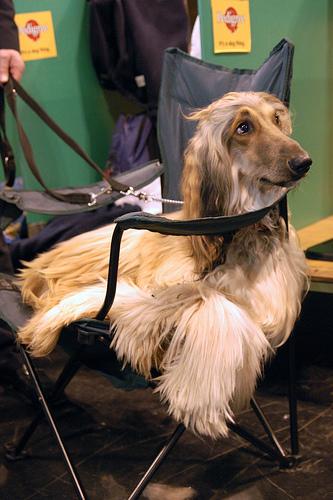
The Afghan Hound is a breed with origins in Afghanistan, historically used for hunting large game due to its speed and agility. This breed is characterized by its long, flowing coat, narrow head, and distinctive topknot, typically weighing between 50 to 60 pounds and standing 25 to 27 inches tall at the shoulder. Afghan Hounds are known for their independent and dignified temperament, often displaying a playful and affectionate nature, making them both entertaining companions and skilled athletes.
Afghan Hounds are known for being aloof, clownish, dignified, independent, happy, and affectionate, gentle, curious. As a high-energy breed, they are independent-minded and requiring patient, consistent training and thrive with regular mental and physical activity. They are excellent with children of all ages and friendly with other dogs, making them a popular choice for families and experienced dog owners alike.
Caring for a Afghan Hound means committing to minimal grooming — a quick brush once a week is usually enough, intense daily exercise, and firm, consistent training. Their gentle, social nature makes them a wonderful addition to active families.
At a Glance
Quick Facts
- Breed Group:
- Hound
- Bred For:
- Coursing and hunting
- Origin:
- Afghanistan
- Life Span:
- 10 - 13 years
- Weight:
- 50 - 60 lbs
- Height:
- 25 - 27 in
Temperament
Free Afghan Hound Health Guide
Afghan Hounds can be prone to Hip Dysplasia and other conditions. Get our owner's health checklist and monthly vet tips — free.
- ✓Afghan Hound-specific health warning signs
- ✓Vet visit checklist & cost tracker
- ✓Monthly breed health newsletter
Finding similar breeds...
How We Find Similar Breeds
We analyze breed characteristics including temperament, size, appearance, and care needs to identify the most similar dog breeds. This helps you discover alternatives that might be a good match for your lifestyle and preferences.
Explore Related Breeds & Guides
Adopt a Afghan Hound
Filter to show only purebred Afghan Hounds (excludes mixed breeds and crosses)
Find Dogs Near You
Enter your location to discover adoptable pets nearby
How to Adopt a Afghan Hound
Follow these steps to ensure a smooth and responsible adoption process. Remember that adopting a dog is a lifelong commitment.
Research the Breed
Learn everything you can about Afghan Hounds, including their temperament, exercise needs, grooming requirements, and potential health issues.
Find Reputable Sources
Look for adoptable dogs through shelters, rescue organizations, or responsible breeders. Avoid puppy mills and online scams.
Apply for Adoption
Complete an adoption application with your chosen organization. Be prepared to provide references and possibly go through a home visit.
Meet Your Potential Pet
Schedule a meeting with the dog to assess compatibility with you, your family, and any existing pets.
Prepare Your Home
Gather necessary supplies and dog-proof your home before bringing your new pet home.
1Essential Supplies
Food and water bowls, high-quality dog food, collar with ID tag, leash, bed, crate, toys, treats, grooming supplies, and cleaning products for accidents.
2Create a Safe Space
Designate an area where your dog can retreat when feeling overwhelmed. This could be a crate with comfortable bedding or a quiet corner with their bed.
3Remove Hazards
Secure or remove toxic plants, chemicals, small objects that could be swallowed, and foods that are harmful to dogs. Use baby gates if needed to restrict access to certain areas.
4Find a Veterinarian
Research and choose a veterinarian before bringing your dog home, and schedule an initial check-up shortly after adoption.
What is the dog's background and history?
Understanding a dog's past can help you anticipate potential behavior issues and provide appropriate support.
Has the dog been spayed/neutered and vaccinated?
This information is important for planning future veterinary care and understanding any immediate medical needs.
What is the dog's energy level and exercise needs?
Afghan Hounds typically need regular exercise to stay healthy and happy. Ask about specific exercise requirements.
Has the dog been socialized with other animals and people?
This helps you understand how the dog might interact with your family, friends, and other pets.
Are there any known behavioral or health issues?
Knowing about existing issues helps you prepare for any special care or training needs.
Special Considerations for Afghan Hounds
- Afghan Hounds may have specific health concerns that require regular monitoring.
- Consider how the typical Afghan Hound temperament aligns with your lifestyle.
- Research the grooming needs of Afghan Hounds to ensure you can commit to the required maintenance.
- Understand the exercise requirements of Afghan Hounds to keep them healthy and prevent behavior problems.
- Learn about proper training methods that work well with Afghan Hounds.
Product Recommendations for Afghan Hounds
See all →Vet-reviewed picks for food, insurance, crates, brushes, treats, and toys — matched to this breed.
Compare Afghan Hound with Similar Breeds
See how the Afghan Hound stacks up against other breeds side by side.