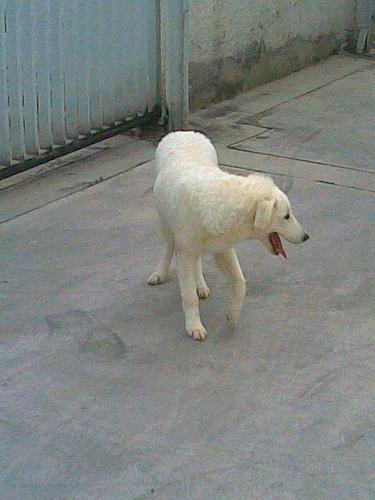
Akbash Dog
Temperament
About the Akbash Dog
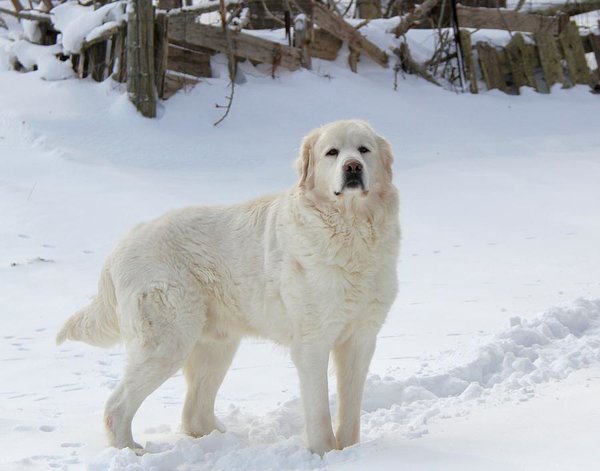
The Akbash is one of the oldest and most specialized livestock guardian breeds in existence, originating in the high plains and mountains of western Anatolia in what is now modern Turkey. The breed's name derives directly from the Turkish words meaning 'white head,' a deliberate distinction from the Karabaş, or 'black head' dogs of the same region. Turkish shepherds selectively developed the Akbash over thousands of years to guard flocks against wolves, bears, and human predators — not to herd, but to blend in with sheep and act as a silent, autonomous protector. This white coat was functional, not aesthetic: it allowed shepherds to distinguish guardian dogs from predators in low-light conditions.
The breed gained meaningful international attention in the 1970s when American researchers David and Judy Nelson conducted fieldwork in Turkey and brought Akbash dogs to North America beginning around 1978. Their work was instrumental in establishing the breed outside its homeland. In the United States, the Akbash Dog International Association (ADIA) was formed to maintain a breed registry and promote responsible breeding. The United Kennel Club (UKC) officially recognized the Akbash in its Guardian Dog Group in 1998, which remains its primary formal recognition in the U.S. The American Kennel Club has not recognized the breed, and the Fédération Cynologique Internationale (FCI) also does not formally recognize it. In Turkey, the breed received official recognition from the Turkish Ministry of Agriculture and Rural Affairs in 2006, placing it under the stewardship of the Köpek Irkları ve Kinoloji Federasyonu.
What genuinely distinguishes the Akbash from other white livestock guardian breeds — such as the Great Pyrenees, the Kangal, or the Anatolian Shepherd — is a specific combination of physical and behavioral traits. The Akbash is leaner and more agile than the Great Pyrenees, with a longer leg structure and a body built for endurance over brute force. Unlike the Kangal, which originated in central Anatolia and was developed more specifically around Sivas, the Akbash is a western Anatolian dog with a slightly different prey drive profile and working style. It tends to patrol wide territory independently rather than staying tightly bound to the flock, a trait that reflects the open terrain of its origin region.
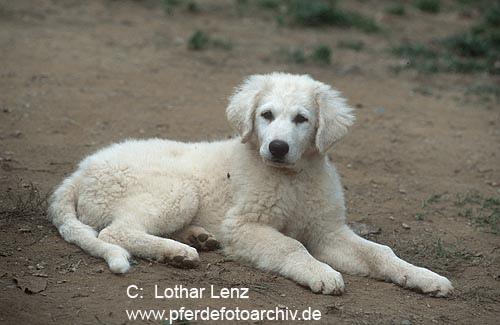
The breed's double coat — which can range from medium to long, is coarse, weather-resistant, and notably non-matting — and its characteristic pale coloring remain defining physical traits. Males typically stand 30 to 34 inches at the shoulder, placing the Akbash firmly among the largest livestock guardian breeds in the world.
At a Glance
Quick Facts
- Breed Group:
- Working
- Bred For:
- Sheep guarding
- Origin:
- Turkey
- Life Span:
- 10 - 12 years
- Weight:
- 90 - 120 lbs
- Height:
- 28 - 34 in
💰 Akbash Dog Cost Guide
Food · Vet · Grooming · Insurance · Full breakdown
Frequently Asked Questions
What is the temperament of a Akbash Dog?
Akbash Dogs are known to be loyal, independent, intelligent, brave. This combination of traits makes them excellent watchdogs and devoted family protectors. Their temperament is influenced by both genetics and proper socialization from an early age.
How much exercise does a Akbash Dog need?
Akbash Dogs are high-energy dogs requiring 60+ minutes of vigorous daily exercise and mental stimulation.
How often should I groom my Akbash Dog?
Akbash Dogs require intensive grooming with daily brushing and regular professional grooming sessions.
How do I train a Akbash Dog?
Akbash Dogs are highly trainable and typically respond well to positive reinforcement methods.
Are Akbash Dogs good with children?
Akbash Dogs are moderately good with children. They can adapt well to family life when properly socialized with children. Teaching children to respect the dog's boundaries and supervising interactions will help ensure a positive relationship. Remember that proper socialization and teaching children appropriate interaction with dogs are always important, regardless of breed.
What makes the Akbash Dog unique compared to other dog breeds?
The Akbash Dog stands out from other breeds due to its impressive stature and presence, rich heritage from Turkey, natural protective instincts. This unique combination of characteristics makes them special among dog breeds and appeals to owners who appreciate these distinct qualities. Understanding these traits helps provide appropriate care tailored to their specific needs.
What should I know before getting a Akbash Dog?
Before bringing a Akbash Dog into your home, potential owners should consider: They have high exercise requirements (4/5) and need an active owner. Their coat requires significant maintenance (4/5) with regular grooming sessions. They're typically highly trainable (5/5) and eager to learn. Their large size requires adequate living space. They may be prone to breed-specific health issues including Hip Dysplasia, Bloat (GDV), Hypothyroidism, Entropion. Additionally, researching reputable breeders or rescue organizations is essential for finding a healthy, well-socialized Akbash Dog. Understanding these factors will help ensure a good match between the breed and your lifestyle, leading to a happy relationship for both you and your dog.
What were Akbash Dogs originally bred for?
Akbash Dogs were originally bred for sheep guarding. This protective background explains their naturally alert, territorial nature and sometimes reserved attitude toward strangers. As part of the Working group, they share characteristics with other breeds developed for similar purposes. Understanding your Akbash Dog's breeding heritage helps explain many of their natural behaviors and instincts, which can be channeled appropriately through training and enrichment activities. Even though modern Akbash Dogs are primarily companions, these inherent traits remain part of their genetic makeup.
How long do Akbash Dogs typically live?
The average lifespan of a Akbash Dog is 10 - 12 years. With proper care including quality nutrition, regular veterinary check-ups, appropriate exercise, and preventative healthcare, some Akbash Dogs may live beyond this range. Genetics, environment, and healthcare all play important roles in determining longevity.
Are Akbash dogs good family pets or only working dogs?
The Akbash can function as a family companion, but it is fundamentally a livestock guardian breed with deeply ingrained working instincts that don't disappear in a home environment. Families who adopt or purchase an Akbash should be prepared for a dog that is protective, territorial, and independent rather than affectionate and biddable. The breed tends to be calm and gentle with the people and animals it considers part of its 'flock,' including children it has been raised with, but it is not naturally playful or demonstrative in the way many companion breeds are. It is better suited to homes with acreage, clear boundaries, and experienced large-breed handlers than to apartment living or first-time dog owners. Given adequate space, consistent socialization, and a confident owner, an Akbash can be a loyal and stable family dog — but its working heritage should never be underestimated.
Do Akbash dogs bark a lot?
Yes — barking is a core functional behavior for the Akbash, not a training problem. As a livestock guardian breed, the Akbash was specifically developed to use sustained, loud barking as a primary deterrent against predators approaching the flock at night. This behavior is deeply instinctive and does not disappear in a companion setting. Owners in suburban or urban environments frequently cite nocturnal barking as the most difficult aspect of owning the breed. An Akbash will bark at perceived territorial intrusions, unfamiliar sounds, and movement outside its boundaries — often for extended periods. Anti-bark training can reduce intensity and duration but rarely eliminates the behavior entirely. Rural or agricultural settings where nighttime barking is tolerated or even welcome are genuinely better fits for this breed than densely populated neighborhoods where noise ordinances apply.
How much does an Akbash dog eat per day?
An adult Akbash typically eats between 5 and 7 cups of a quality large-breed dry kibble per day, split into two meals. The exact amount depends on the individual dog's weight, age, metabolism, and activity level — a working Akbash patrolling a large property will have significantly higher caloric needs than a companion dog with limited exercise. Feeding two measured meals rather than free-feeding is strongly recommended for this breed given its elevated risk of bloat and gastric dilatation-volvulus. Elevated food bowls were historically thought to reduce bloat risk, but current veterinary research does not consistently support this, and some studies have suggested they may actually increase risk. Consulting with your veterinarian about portion sizing and feeding protocols specific to your dog's weight and health status is the most reliable approach.
Is the Akbash the same as an Anatolian Shepherd?
No, the Akbash and the Anatolian Shepherd are distinct breeds, though they share a common geographic origin in Turkey and were both developed as livestock guardians. The key differences are regional origin, physical structure, and coloring. The Akbash originates specifically from western Anatolia and is always white or off-white in color — the white coat was a functional trait that allowed shepherds to distinguish guardian dogs from wolves in low light. The Anatolian Shepherd, which originates more broadly across Anatolia including central regions around Sivas, comes in a wider range of colors including fawn, brindle, and pinto. Structurally, the Akbash is generally leaner and longer-legged than the Anatolian Shepherd, which tends to be more heavily built. The Kangal, another distinct Turkish breed, is sometimes confused with both but is more specifically associated with the Sivas region and has its own recognized breed standard through the FCI.
Additional Characteristics
Care Requirements
They are high-energy dogs that need significant daily exercise and mental stimulation.
They have high grooming needs requiring frequent brushing and regular professional grooming.
Highly trainable — quick to learn and eager to please
They are moderately good with children, especially when properly socialized.
Akbash Dog
Complete Breed Guide
About the Akbash Dog
The Akbash Dog is a large, livestock guardian breed that originated in Turkey, where it has been used for centuries to protect flocks from predators. Weighing between 90 to 120 pounds and standing 28 to 34 inches tall, they possess a strong, muscular build with a short, white coat that aids in camouflage against the livestock they protect. Known for their loyalty, independence, and intelligence, Akbash Dogs are brave guardians, making them effective protectors of both livestock and property. Their lifespan typically ranges from 10 to 12 years.
Akbash Dogs are known for being loyal, independent, intelligent, brave. As a high-energy breed, they are highly responsive to training and thrive with regular mental and physical activity. They are generally good with children and friendly with other dogs, making them a popular choice for families and experienced dog owners alike.
Caring for a Akbash Dog means committing to regular grooming (brushing several times a week), vigorous daily exercise, and consistent training from an early age. With the right environment and socialization, they make loyal and loving companions.
At a Glance
Quick Facts
- Breed Group:
- Working
- Bred For:
- Sheep guarding
- Origin:
- Turkey
- Life Span:
- 10 - 12 years
- Weight:
- 90 - 120 lbs
- Height:
- 28 - 34 in
Temperament
Free Akbash Dog Health Guide
Akbash Dogs can be prone to Hip Dysplasia and other conditions. Get our owner's health checklist and monthly vet tips — free.
- ✓Akbash Dog-specific health warning signs
- ✓Vet visit checklist & cost tracker
- ✓Monthly breed health newsletter
Finding similar breeds...
How We Find Similar Breeds
We analyze breed characteristics including temperament, size, appearance, and care needs to identify the most similar dog breeds. This helps you discover alternatives that might be a good match for your lifestyle and preferences.
Explore Related Breeds & Guides
Adopt a Akbash Dog
Filter to show only purebred Akbash Dogs (excludes mixed breeds and crosses)
Find Dogs Near You
Enter your location to discover adoptable pets nearby
How to Adopt a Akbash Dog
Follow these steps to ensure a smooth and responsible adoption process. Remember that adopting a dog is a lifelong commitment.
Research the Breed
Learn everything you can about Akbash Dogs, including their temperament, exercise needs, grooming requirements, and potential health issues.
Find Reputable Sources
Look for adoptable dogs through shelters, rescue organizations, or responsible breeders. Avoid puppy mills and online scams.
Apply for Adoption
Complete an adoption application with your chosen organization. Be prepared to provide references and possibly go through a home visit.
Meet Your Potential Pet
Schedule a meeting with the dog to assess compatibility with you, your family, and any existing pets.
Prepare Your Home
Gather necessary supplies and dog-proof your home before bringing your new pet home.
1Essential Supplies
Food and water bowls, high-quality dog food, collar with ID tag, leash, bed, crate, toys, treats, grooming supplies, and cleaning products for accidents.
2Create a Safe Space
Designate an area where your dog can retreat when feeling overwhelmed. This could be a crate with comfortable bedding or a quiet corner with their bed.
3Remove Hazards
Secure or remove toxic plants, chemicals, small objects that could be swallowed, and foods that are harmful to dogs. Use baby gates if needed to restrict access to certain areas.
4Find a Veterinarian
Research and choose a veterinarian before bringing your dog home, and schedule an initial check-up shortly after adoption.
What is the dog's background and history?
Understanding a dog's past can help you anticipate potential behavior issues and provide appropriate support.
Has the dog been spayed/neutered and vaccinated?
This information is important for planning future veterinary care and understanding any immediate medical needs.
What is the dog's energy level and exercise needs?
Akbash Dogs typically need regular exercise to stay healthy and happy. Ask about specific exercise requirements.
Has the dog been socialized with other animals and people?
This helps you understand how the dog might interact with your family, friends, and other pets.
Are there any known behavioral or health issues?
Knowing about existing issues helps you prepare for any special care or training needs.
Special Considerations for Akbash Dogs
- Akbash Dogs may have specific health concerns that require regular monitoring.
- Consider how the typical Akbash Dog temperament aligns with your lifestyle.
- Research the grooming needs of Akbash Dogs to ensure you can commit to the required maintenance.
- Understand the exercise requirements of Akbash Dogs to keep them healthy and prevent behavior problems.
- Learn about proper training methods that work well with Akbash Dogs.
Product Recommendations for Akbash Dogs
See all →Vet-reviewed picks for food, insurance, crates, brushes, treats, and toys — matched to this breed.
Compare Akbash Dog with Similar Breeds
See how the Akbash Dog stacks up against other breeds side by side.