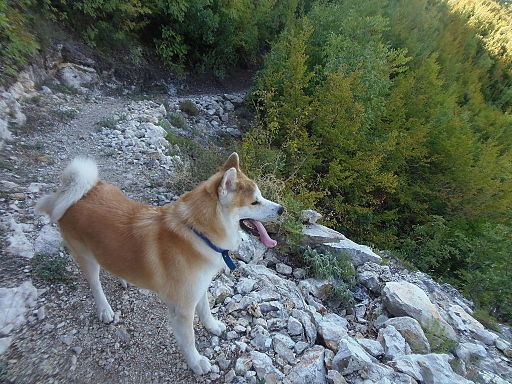
Akita
Temperament
About the Akita
The Akita's roots trace back to the mountainous Odate region of Akita Prefecture in northern Honshu, Japan, where large, spitz-type dogs were used to hunt black bear, wild boar, and deer as far back as the 17th century. These ancestors, known as Matagi-ken, or hunting dogs of the Matagi people, were prized not just for their hunting utility but for their silence in the field — a trait that remains embedded in the breed today. By the early 20th century, the breed had declined through crossbreeding with mastiffs and tosas, largely driven by the Japanese tradition of dogfighting. Restoration efforts began in earnest in 1927 when the Akita Inu Hozonkai, commonly known as AKIHO, was founded specifically to preserve and restore the original Japanese type. The Japanese government officially designated the Akita a natural monument in 1931, elevating it to a cultural symbol of national importance.
The breed's international profile grew dramatically through the story of Hachiko, an Akita born in 1923 who waited at Tokyo's Shibuya Station every day for nearly a decade after his owner, Professor Hidesaburo Ueno, died unexpectedly in 1925. Hachiko's vigil until his own death in 1935 became a defining story of loyalty in Japanese culture, and a bronze statue at Shibuya Station still stands in his honor today.
American servicemen returning from post-World War II Japan brought Akitas to the United States, and Helen Keller is often credited as the first person to bring an Akita to America intentionally, after being gifted one during her 1937 visit to Japan. The American Kennel Club formally recognized the Akita in 1972, and today the breed is managed in the United States by the Akita Club of America, which was founded in 1956. The AKC currently ranks the Akita 59th out of 205 recognized breeds in popularity.
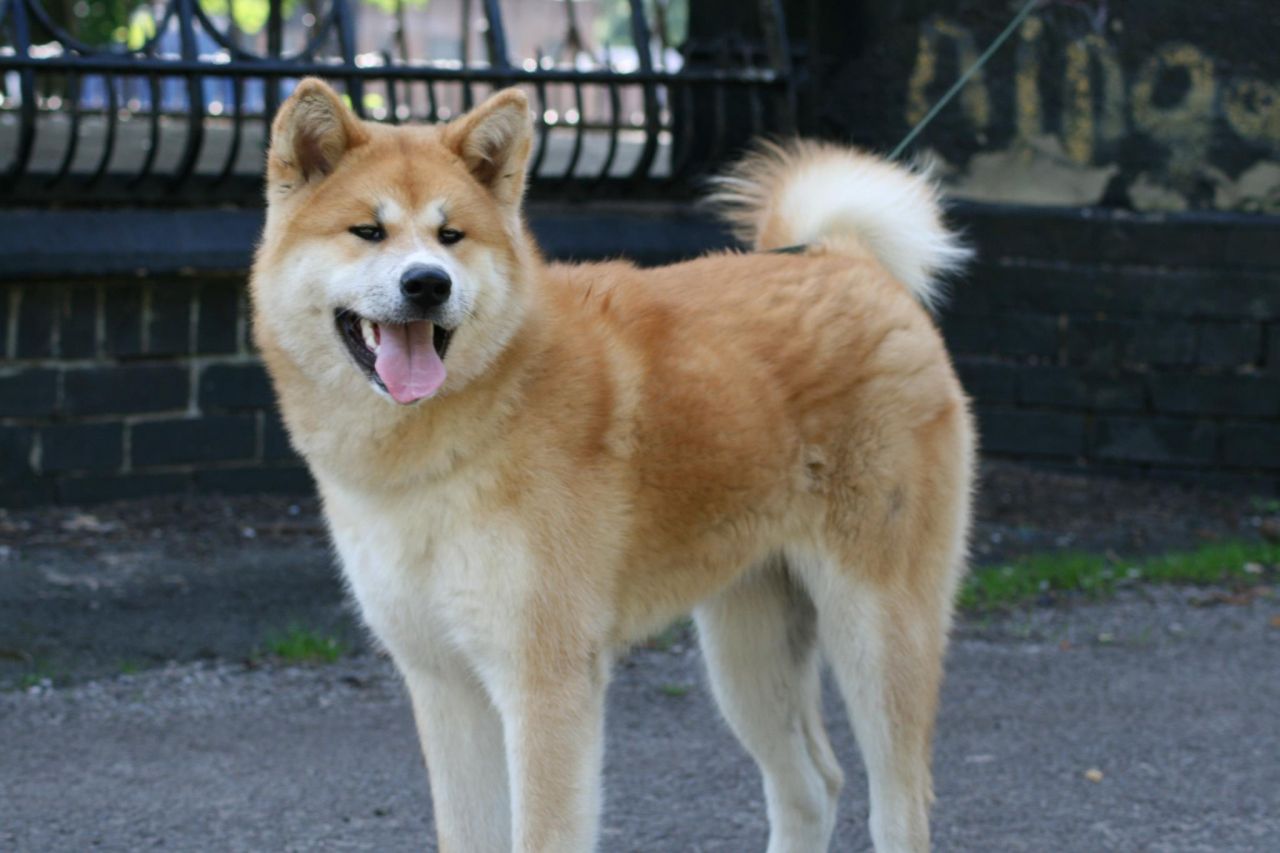
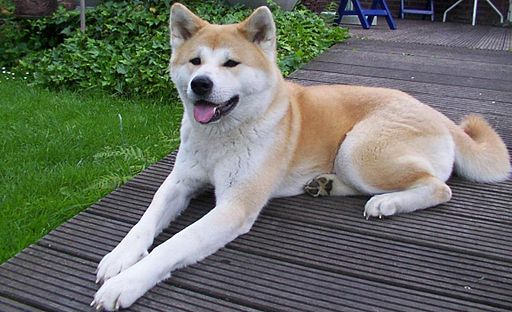
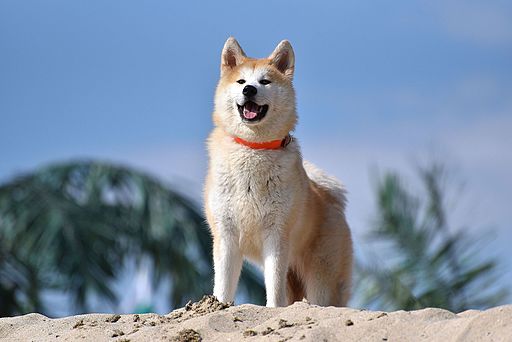
An important distinction that confuses many prospective owners: there are actually two distinct varieties of Akita. The Japanese Akita Inu, preserved by AKIHO and the Japanese Kennel Club, is a leaner, more fox-faced dog that comes in only a few traditional colors — red, brindle, sesame, and white. The American Akita, the version most commonly seen in U.S. show rings, is larger, more heavily boned, and accepts a broader color range including black masks and pinto patterns. Most international kennel clubs outside the United States and Canada recognize these as two separate breeds entirely, though the AKC continues to register them as one.
At a Glance
Quick Facts
- Breed Group:
- Working
- Bred For:
- Hunting bears
- Origin:
- Japan
- Life Span:
- 10 - 14 years
- Weight:
- 65 - 115 lbs
- Height:
- 24 - 28 in
💰 Akita Cost Guide
Food · Vet · Grooming · Insurance · Full breakdown
Frequently Asked Questions
What is the temperament of a Akita?
Akitas are known to be docile, alert, responsive, dignified, composed, friendly, receptive, faithful, courageous, brave, loyal, playful, affectionate. This combination of traits makes them excellent companions for families with children. Their temperament is influenced by both genetics and proper socialization from an early age.
How much exercise does a Akita need?
Akitas are high-energy dogs requiring 60+ minutes of vigorous daily exercise and mental stimulation.
How often should I groom my Akita?
Akitas require minimal grooming with weekly brushing and occasional baths.
How do I train a Akita?
Akitas may require extra patience during training and respond best to positive, consistent methods.
Are Akitas good with children?
Akitas are excellent with children. Their natural patience, gentle nature, and resilience make them outstanding family dogs. They typically form strong bonds with children and tend to be forgiving of the occasional accidental rough handling that can occur with younger kids. Remember that proper socialization and teaching children appropriate interaction with dogs are always important, regardless of breed.
What makes the Akita unique compared to other dog breeds?
The Akita stands out from other breeds due to its impressive stature and presence, dignified appearance and bearing, rich heritage from Japan, exceptional hunting abilities. This unique combination of characteristics makes them special among dog breeds and appeals to owners who appreciate these distinct qualities. Understanding these traits helps provide appropriate care tailored to their specific needs.
What should I know before getting a Akita?
Before bringing a Akita into your home, potential owners should consider: They have high exercise requirements (5/5) and need an active owner. Their coat is relatively low-maintenance (2/5). They typically excel in family environments with children (5/5 child-friendliness). They can be challenging to train (2/5) and are better suited for experienced dog owners. Their large size requires adequate living space. They may be prone to breed-specific health issues including Hip Dysplasia, Hypothyroidism, Bloat (GDV), Progressive Retinal Atrophy, Autoimmune Disorders, Uveodermatologic Syndrome. Additionally, researching reputable breeders or rescue organizations is essential for finding a healthy, well-socialized Akita. Understanding these factors will help ensure a good match between the breed and your lifestyle, leading to a happy relationship for both you and your dog.
What were Akitas originally bred for?
Akitas were originally bred for hunting bears. This hunting background explains their natural prey drive, scenting abilities, and often high energy levels. As part of the Working group, they share characteristics with other breeds developed for similar purposes. Understanding your Akita's breeding heritage helps explain many of their natural behaviors and instincts, which can be channeled appropriately through training and enrichment activities. Even though modern Akitas are primarily companions, these inherent traits remain part of their genetic makeup.
How long do Akitas typically live?
The average lifespan of a Akita is 10 - 14 years. With proper care including quality nutrition, regular veterinary check-ups, appropriate exercise, and preventative healthcare, some Akitas may live beyond this range. Genetics, environment, and healthcare all play important roles in determining longevity.
Are Akitas good with other dogs?
Akitas are generally not well-suited to multi-dog households, particularly with dogs of the same sex. Same-sex dog aggression is one of the most consistently reported behavioral traits in the breed and is rooted in their history as dogs that were expected to work and exist independently. Many Akitas can coexist with one opposite-sex dog when properly introduced and managed, but even that is not guaranteed. Off-leash dog parks are widely considered inappropriate environments for most Akitas, and breed rescues routinely screen adopters carefully on this point. Early socialization can reduce reactivity but typically does not eliminate the underlying tendency.
How much do Akitas shed?
Akitas shed substantially year-round and go through two major coat blows annually — typically in spring and fall — during which the volume of shed undercoat is genuinely extreme. Owners frequently describe finding fur on every surface of their home for weeks during these periods. A high-velocity blow dryer and a de-shedding tool like a slicker brush or an undercoat rake used two to three times per week will make a significant difference in managing loose fur. Between coat blows, weekly brushing is usually sufficient. This is not a breed for owners who are sensitive to dog hair in their living space.
Is an Akita a good dog for first-time owners?
The Akita is generally not recommended for first-time dog owners. The breed's independence, capacity for same-sex dog aggression, and resistance to repetitive training demand an owner who understands how to establish clear, consistent boundaries without relying on force or losing patience with a dog that does not naturally defer to human authority. First-time owners who have done extensive research, commit to professional training from the outset, and ideally work with an experienced Akita mentor can succeed, but the margin for error is smaller than with more biddable breeds. The consequences of poor socialization or inconsistent leadership with an Akita — a dog that can reach 115 pounds — are more serious than with smaller or more forgiving breeds.
What is the difference between a Japanese Akita and an American Akita?
The Japanese Akita Inu and the American Akita diverged in type after American servicemen brought dogs back from Japan following World War II and began breeding them with different standards than those maintained by the Akita Inu Hozonkai in Japan. The Japanese Akita is smaller and lighter-boned with a more fox-like face and is restricted to red, brindle, sesame, and white coloring. The American Akita is heavier, more massively built, has a broader bear-like head, and appears in a much wider range of colors including black masks and pinto. Most kennel clubs outside the United States recognize them as two separate breeds, while the AKC registers both under the single Akita designation. If you are purchasing from a breeder, it is worth clarifying which type they breed.
Additional Characteristics
Care Requirements
They are extremely energetic dogs requiring extensive daily exercise, activities, and mental stimulation.
They need regular but basic grooming such as weekly brushing.
May require extra patience — better suited for experienced owners
They are excellent with children and often form strong bonds with them.
Akita
Complete Breed Guide
About the Akita
The Akita is a large and powerful breed originating from Japan, historically bred for hunting and guarding. Males typically weigh between 100 to 115 pounds, while females range from 65 to 100 pounds, standing 24 to 28 inches tall at the shoulder. Known for their dignified and composed demeanor, Akitas are loyal and courageous companions, often forming strong bonds with their families. They possess a thick double coat that can come in various colors, including white, brindle, and pinto, and are recognized for their alertness and responsiveness, making them effective watchdogs. Their lifespan averages between 10 to 14 years.
Akitas are known for being docile, alert, responsive, dignified, composed, and friendly, receptive, faithful. As a high-energy breed, they are independent-minded and requiring patient, consistent training and thrive with regular mental and physical activity. They are excellent with children of all ages and friendly with other dogs, making them a popular choice for families and experienced dog owners alike.
Caring for a Akita means committing to minimal grooming — a quick brush once a week is usually enough, intense daily exercise, and firm, consistent training. Their gentle, social nature makes them a wonderful addition to active families.
At a Glance
Quick Facts
- Breed Group:
- Working
- Bred For:
- Hunting bears
- Origin:
- Japan
- Life Span:
- 10 - 14 years
- Weight:
- 65 - 115 lbs
- Height:
- 24 - 28 in
Temperament
Free Akita Health Guide
Akitas can be prone to Hip Dysplasia and other conditions. Get our owner's health checklist and monthly vet tips — free.
- ✓Akita-specific health warning signs
- ✓Vet visit checklist & cost tracker
- ✓Monthly breed health newsletter
Finding similar breeds...
How We Find Similar Breeds
We analyze breed characteristics including temperament, size, appearance, and care needs to identify the most similar dog breeds. This helps you discover alternatives that might be a good match for your lifestyle and preferences.
Explore Related Breeds & Guides
Adopt a Akita
Filter to show only purebred Akitas (excludes mixed breeds and crosses)
Find Dogs Near You
Enter your location to discover adoptable pets nearby
How to Adopt a Akita
Follow these steps to ensure a smooth and responsible adoption process. Remember that adopting a dog is a lifelong commitment.
Research the Breed
Learn everything you can about Akitas, including their temperament, exercise needs, grooming requirements, and potential health issues.
Find Reputable Sources
Look for adoptable dogs through shelters, rescue organizations, or responsible breeders. Avoid puppy mills and online scams.
Apply for Adoption
Complete an adoption application with your chosen organization. Be prepared to provide references and possibly go through a home visit.
Meet Your Potential Pet
Schedule a meeting with the dog to assess compatibility with you, your family, and any existing pets.
Prepare Your Home
Gather necessary supplies and dog-proof your home before bringing your new pet home.
1Essential Supplies
Food and water bowls, high-quality dog food, collar with ID tag, leash, bed, crate, toys, treats, grooming supplies, and cleaning products for accidents.
2Create a Safe Space
Designate an area where your dog can retreat when feeling overwhelmed. This could be a crate with comfortable bedding or a quiet corner with their bed.
3Remove Hazards
Secure or remove toxic plants, chemicals, small objects that could be swallowed, and foods that are harmful to dogs. Use baby gates if needed to restrict access to certain areas.
4Find a Veterinarian
Research and choose a veterinarian before bringing your dog home, and schedule an initial check-up shortly after adoption.
What is the dog's background and history?
Understanding a dog's past can help you anticipate potential behavior issues and provide appropriate support.
Has the dog been spayed/neutered and vaccinated?
This information is important for planning future veterinary care and understanding any immediate medical needs.
What is the dog's energy level and exercise needs?
Akitas typically need regular exercise to stay healthy and happy. Ask about specific exercise requirements.
Has the dog been socialized with other animals and people?
This helps you understand how the dog might interact with your family, friends, and other pets.
Are there any known behavioral or health issues?
Knowing about existing issues helps you prepare for any special care or training needs.
Special Considerations for Akitas
- Akitas may have specific health concerns that require regular monitoring.
- Consider how the typical Akita temperament aligns with your lifestyle.
- Research the grooming needs of Akitas to ensure you can commit to the required maintenance.
- Understand the exercise requirements of Akitas to keep them healthy and prevent behavior problems.
- Learn about proper training methods that work well with Akitas.
 Akita — Official AKC Breed VideoAmerican Kennel Club
Watch the official AKC video covering temperament, history, traits, and care.
Watch on YouTube →Product Recommendations for Akitas
See all →Vet-reviewed picks for food, insurance, crates, brushes, treats, and toys — matched to this breed.
Compare Akita with Similar Breeds
See how the Akita stacks up against other breeds side by side.