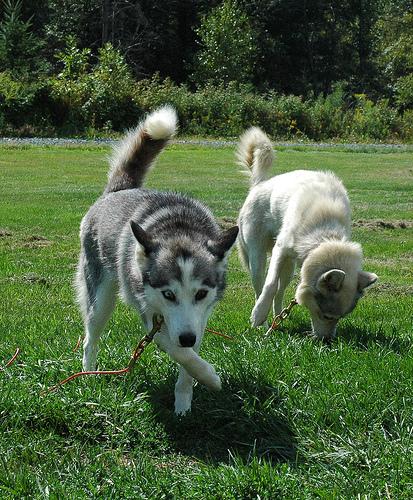
Alaskan Husky
Temperament
About the Alaskan Husky
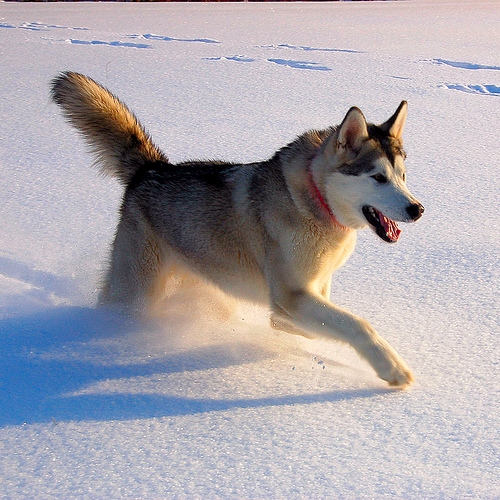
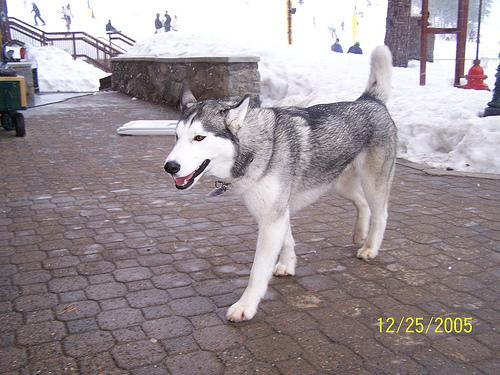
The Alaskan Husky is not a breed in the traditional sense — it carries no AKC recognition, no official breed standard, and no pedigree requirement. What it is, instead, is arguably the most purpose-optimized working dog ever developed by human hands. Born out of the mushing culture of Alaska, the Alaskan Husky is a performance-first mixed breed refined over generations by sled dog mushers who cared about one thing above all else: how fast and how far a dog could run.
The origins of the Alaskan Husky trace back thousands of years to the working dogs kept by Alaska Native peoples, dogs that were themselves descendants of the ancient Arctic breeds brought across the Bering land bridge. But the modern Alaskan Husky as mushers know it today took sharper shape in the late 19th and early 20th centuries, when the Alaska Gold Rush created explosive demand for freight and mail delivery across impossible terrain. Dogs weren't a convenience — they were infrastructure.
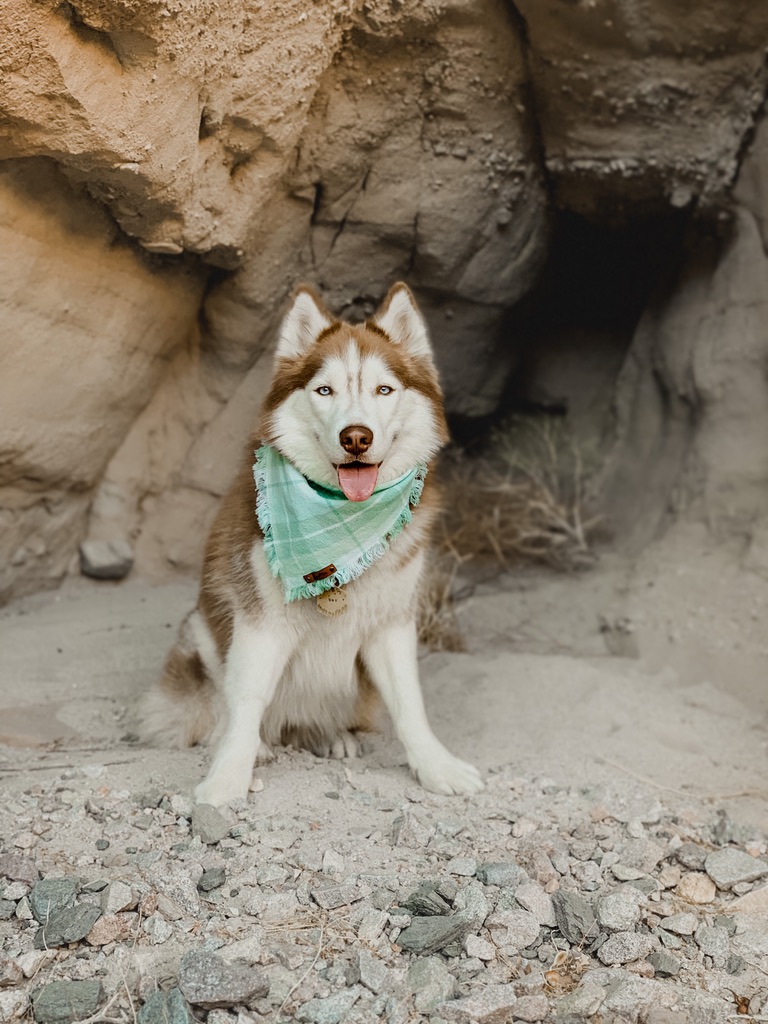
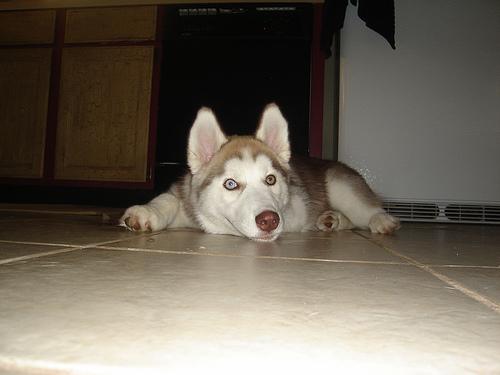
What truly distinguishes the Alaskan Husky from its more famous cousin, the Siberian Husky, is the deliberate introduction of outside blood. Mushers in the 20th century began crossing their northern dogs with breeds like the Greyhound for speed, the German Shorthaired Pointer for endurance and drive, and the Alaskan Malamute for pulling power. The result was a leaner, faster, higher-output dog that consistently outperforms purebred Arctic breeds in competitive sled racing. Where Siberian Huskies often have blue eyes and a thick double coat characteristic of their breed standard, Alaskan Huskies more commonly have brown eyes and coats that vary widely in color, length, and density depending on the lines.
The legendary Iditarod Trail Sled Dog Race, run annually from Anchorage to Nome since 1973, is dominated almost entirely by Alaskan Huskies. The great musher Susan Butcher, four-time Iditarod champion in the late 1980s, famously built her kennel around Alaskan Huskies selected and bred for grit and metabolic efficiency. Dallas Seavey, who has won the Iditarod five times as of this writing, continues that tradition with a kennel of purpose-bred Alaskan Huskies fine-tuned over multiple generations.
Because there is no breed club governing the Alaskan Husky and no AKC or UKC recognition, there is no official breed standard to consult. The International Sled Dog Racing Association (ISDRA) acknowledges Alaskan Huskies within the context of sled sport but does not register them as a breed. This lack of formalization means wide variation in appearance is not a flaw — it's a feature of a dog built entirely around function over form.
At a Glance
Quick Facts
- Breed Group:
- Mixed
- Bred For:
- Sled pulling
- Origin:
- United States
- Life Span:
- 10 - 13 years
- Weight:
- 38 - 50 lbs
- Height:
- 23 - 26 in
💰 Alaskan Husky Cost Guide
Food · Vet · Grooming · Insurance · Full breakdown
Frequently Asked Questions
What is the temperament of a Alaskan Husky?
Alaskan Huskys are known to be friendly, energetic, loyal, gentle, confident. This combination of traits makes them wonderful companions for most households. Their temperament is influenced by both genetics and proper socialization from an early age.
How much exercise does a Alaskan Husky need?
Alaskan Huskys have low energy levels and require minimal daily exercise, typically 15-30 minutes of gentle activity.
How often should I groom my Alaskan Husky?
Alaskan Huskys need moderate grooming including brushing 2-3 times weekly and regular maintenance.
How do I train a Alaskan Husky?
Alaskan Huskys are highly trainable and typically respond well to positive reinforcement methods.
Are Alaskan Huskys good with children?
Alaskan Huskys are generally not recommended with children. They generally prefer calm, predictable environments and may become stressed by the unpredictable movements and loud sounds typical of young children. Households with older, respectful children may be more suitable. Remember that proper socialization and teaching children appropriate interaction with dogs are always important, regardless of breed.
What makes the Alaskan Husky unique compared to other dog breeds?
The Alaskan Husky stands out from other breeds due to its rich heritage from United States, specialized abilities for sled pulling. This unique combination of characteristics makes them special among dog breeds and appeals to owners who appreciate these distinct qualities. Understanding these traits helps provide appropriate care tailored to their specific needs.
What should I know before getting a Alaskan Husky?
Before bringing a Alaskan Husky into your home, potential owners should consider: They have relatively low exercise needs (2/5), making them suitable for less active households. They may not be ideal for families with young children (2/5 child-friendliness). They're typically highly trainable (4/5) and eager to learn. They may be prone to breed-specific health issues including Hip Dysplasia, Progressive Retinal Atrophy, Hypothyroidism, Alaskan Husky Encephalopathy. Additionally, researching reputable breeders or rescue organizations is essential for finding a healthy, well-socialized Alaskan Husky. Understanding these factors will help ensure a good match between the breed and your lifestyle, leading to a happy relationship for both you and your dog.
What were Alaskan Huskys originally bred for?
Alaskan Huskys were originally bred for sled pulling. As part of the Mixed group, they share characteristics with other breeds developed for similar purposes. Understanding your Alaskan Husky's breeding heritage helps explain many of their natural behaviors and instincts, which can be channeled appropriately through training and enrichment activities. Even though modern Alaskan Huskys are primarily companions, these inherent traits remain part of their genetic makeup.
How long do Alaskan Huskys typically live?
The average lifespan of a Alaskan Husky is 10 - 13 years. With proper care including quality nutrition, regular veterinary check-ups, appropriate exercise, and preventative healthcare, some Alaskan Huskys may live beyond this range. Genetics, environment, and healthcare all play important roles in determining longevity.
What is the difference between an Alaskan Husky and a Siberian Husky?
The Siberian Husky is an AKC-recognized purebred with a defined breed standard, originating from the Chukchi people of northeastern Siberia. The Alaskan Husky is not a purebred at all — it's a purpose-bred working mix developed by Alaskan mushers that often includes Siberian Husky genetics alongside Greyhound, German Shorthaired Pointer, and other breeds selected for speed and endurance. Alaskan Huskies are typically leaner, faster, and more varied in appearance than Siberians. They also consistently outperform Siberian Huskies in competitive sled racing. Siberians are more likely to have the striking blue eyes and thick, uniform double coat associated with the breed standard, while Alaskan Huskies more commonly have brown eyes and coats that vary widely between individuals.
Is an Alaskan Husky a good family pet?
An Alaskan Husky can be an excellent family companion, but only for the right family. These dogs are genuinely friendly, gentle with children, and social by nature. The challenge is their exercise requirement, which is non-negotiable. An Alaskan Husky that does not get substantial daily physical activity — we're talking an hour or more of vigorous exercise, not a leisurely walk — will become destructive, anxious, and difficult to manage. Families with active lifestyles, large yards, or interest in activities like running, cycling, hiking, or dog sports are well-suited to the breed. Families in apartments or with limited time for exercise will find the experience genuinely difficult regardless of how much they love the dog.
What is Alaskan Husky Encephalopathy?
Alaskan Husky Encephalopathy (AHE) is a fatal inherited neurological disease unique to Alaskan Huskies, first formally described in scientific literature in 2006. It affects young dogs, typically between six months and two years of age, causing progressive brain degeneration. Symptoms include seizures, vision loss, difficulty walking, and behavioral changes. The condition has been linked to a defect in thiamine metabolism and is always fatal. A DNA test is now available that allows breeders to identify carriers and avoid producing affected puppies. Any breeder placing Alaskan Husky puppies should be testing both parents for AHE and be willing to share those results. There is no treatment that reverses or halts the disease.
How much exercise does an Alaskan Husky need every day?
More than most people expect. Alaskan Huskies were bred to run 50 to 100 miles per day in sled racing conditions, and while a pet does not need that level of output, the baseline exercise requirement is still substantially higher than most breeds. A minimum of 60 to 90 minutes of vigorous physical activity per day is a realistic starting point for a healthy adult Alaskan Husky in a pet environment — and that means actual running, not slow walking. Activities like jogging, bikejoring, skijoring, fetch with sustained movement, and off-leash running in securely fenced areas are appropriate outlets. Mental stimulation through training, nose work, and interactive play is also essential and should be considered part of the daily exercise equation, not a substitute for physical exertion.
Additional Characteristics
Care Requirements
They have a low to moderate energy level and need regular but not extensive exercise.
They need moderate grooming, including regular brushing and occasional professional care.
Highly trainable — quick to learn and eager to please
They can be suitable with older, respectful children but may not be ideal for young children.
Alaskan Husky
Complete Breed Guide
About the Alaskan Husky
The Alaskan Husky is a mixed breed primarily developed for sledding and working in harsh Arctic conditions, with origins that are not definitively documented. Typically weighing between 38 to 50 pounds and standing 23 to 26 inches tall, they possess a lean, athletic build that supports their endurance and speed. Known for their friendly and energetic temperament, Alaskan Huskies are loyal and gentle companions, making them well-suited for active families and outdoor enthusiasts. Their lifespan ranges from 10 to 13 years.
Alaskan Huskys are known for being friendly, energetic, loyal, gentle, confident. As a low-key and calm breed, they are highly responsive to training and thrive with regular mental and physical activity. They are better suited to households without young children and friendly with other dogs, making them a popular choice for families and experienced dog owners alike.
Caring for a Alaskan Husky means committing to moderate grooming every week or two, regular daily walks, and positive-reinforcement training. They do best in structured environments with experienced dog owners.
At a Glance
Quick Facts
- Breed Group:
- Mixed
- Bred For:
- Sled pulling
- Origin:
- United States
- Life Span:
- 10 - 13 years
- Weight:
- 38 - 50 lbs
- Height:
- 23 - 26 in
Temperament
Free Alaskan Husky Health Guide
Alaskan Huskys can be prone to Hip Dysplasia and other conditions. Get our owner's health checklist and monthly vet tips — free.
- ✓Alaskan Husky-specific health warning signs
- ✓Vet visit checklist & cost tracker
- ✓Monthly breed health newsletter
Finding similar breeds...
How We Find Similar Breeds
We analyze breed characteristics including temperament, size, appearance, and care needs to identify the most similar dog breeds. This helps you discover alternatives that might be a good match for your lifestyle and preferences.
Adopt a Alaskan Husky
Filter to show only purebred Alaskan Huskys (excludes mixed breeds and crosses)
Find Dogs Near You
Enter your location to discover adoptable pets nearby
How to Adopt a Alaskan Husky
Follow these steps to ensure a smooth and responsible adoption process. Remember that adopting a dog is a lifelong commitment.
Research the Breed
Learn everything you can about Alaskan Huskys, including their temperament, exercise needs, grooming requirements, and potential health issues.
Find Reputable Sources
Look for adoptable dogs through shelters, rescue organizations, or responsible breeders. Avoid puppy mills and online scams.
Apply for Adoption
Complete an adoption application with your chosen organization. Be prepared to provide references and possibly go through a home visit.
Meet Your Potential Pet
Schedule a meeting with the dog to assess compatibility with you, your family, and any existing pets.
Prepare Your Home
Gather necessary supplies and dog-proof your home before bringing your new pet home.
1Essential Supplies
Food and water bowls, high-quality dog food, collar with ID tag, leash, bed, crate, toys, treats, grooming supplies, and cleaning products for accidents.
2Create a Safe Space
Designate an area where your dog can retreat when feeling overwhelmed. This could be a crate with comfortable bedding or a quiet corner with their bed.
3Remove Hazards
Secure or remove toxic plants, chemicals, small objects that could be swallowed, and foods that are harmful to dogs. Use baby gates if needed to restrict access to certain areas.
4Find a Veterinarian
Research and choose a veterinarian before bringing your dog home, and schedule an initial check-up shortly after adoption.
What is the dog's background and history?
Understanding a dog's past can help you anticipate potential behavior issues and provide appropriate support.
Has the dog been spayed/neutered and vaccinated?
This information is important for planning future veterinary care and understanding any immediate medical needs.
What is the dog's energy level and exercise needs?
Alaskan Huskys typically need regular exercise to stay healthy and happy. Ask about specific exercise requirements.
Has the dog been socialized with other animals and people?
This helps you understand how the dog might interact with your family, friends, and other pets.
Are there any known behavioral or health issues?
Knowing about existing issues helps you prepare for any special care or training needs.
Special Considerations for Alaskan Huskys
- Alaskan Huskys may have specific health concerns that require regular monitoring.
- Consider how the typical Alaskan Husky temperament aligns with your lifestyle.
- Research the grooming needs of Alaskan Huskys to ensure you can commit to the required maintenance.
- Understand the exercise requirements of Alaskan Huskys to keep them healthy and prevent behavior problems.
- Learn about proper training methods that work well with Alaskan Huskys.
Product Recommendations for Alaskan Huskys
See all →Vet-reviewed picks for food, insurance, crates, brushes, treats, and toys — matched to this breed.
Compare Alaskan Husky with Similar Breeds
See how the Alaskan Husky stacks up against other breeds side by side.