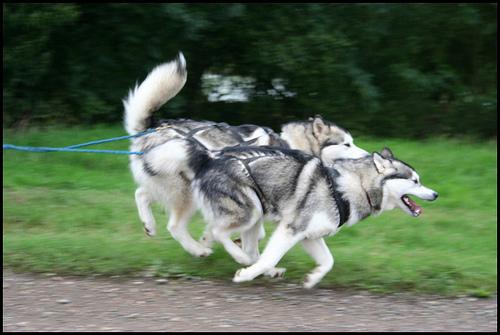
Alaskan Malamute
Temperament
About the Alaskan Malamute
The Alaskan Malamute is one of the oldest domesticated dog breeds in the world, with a lineage stretching back an estimated 4,000 years to the Mahlemut people, an Inuit tribe who settled in the Kotzebue Sound region of northwestern Alaska. These dogs were not bred for speed — they were bred for something rarer and harder to engineer: sustained power over brutal distances. The Mahlemuts depended on their dogs to haul heavy loads between coastal villages, hunt seals, and help drive off polar bears. The relationship was genuinely symbiotic. The dogs slept alongside their people for warmth, were fed from the tribe's own provisions, and were treated with a respect that few working animals in history have received.
The breed's isolation within Arctic Alaska is precisely what preserved its character for millennia. When the Klondike Gold Rush erupted in 1896, outside demand for sled dogs exploded, and Malamutes were crossbred indiscriminately with other breeds to increase numbers quickly. This dilution nearly destroyed the purebred line. Preservation efforts began in earnest during the 1920s when New England dog driver Arthur Walden and later breeder Eva 'Short' Seeley worked to restore and standardize the breed. Seeley's Chinook Kennels in New Hampshire became the cornerstone of modern Malamute breeding in America, and her work directly supported the dogs used in Admiral Richard Byrd's Antarctic expeditions beginning in 1933.
The American Kennel Club formally recognized the Alaskan Malamute in 1935, and the Alaskan Malamute Club of America — founded that same year — remains the AKC parent club today. The breed ranks 79th out of 205 recognized breeds in AKC popularity, a position that has held relatively steady for years. The AMCA maintains the breed standard and coordinates health registries.
New owners sometimes confuse the Malamute with the Siberian Husky, but the two breeds differ substantially beyond size. The Malamute is significantly heavier and more heavily boned, built for hauling freight rather than racing. Siberian Huskies were bred by the Chukchi people of northeastern Siberia for speed over long distances with lighter loads. Malamutes are also notably more independent and less inclined toward the hyperactive sociability that characterizes many Huskies. The Samoyed, another Arctic cousin, was bred primarily for herding reindeer and has a notably softer, more bidable temperament. The Malamute sits in its own category — a freight dog first, a companion second, and always, unmistakably, itself.
At a Glance
Quick Facts
- Breed Group:
- Working
- Bred For:
- Hauling heavy freight, Sled pulling
- Origin:
- Alaska
- Life Span:
- 12 - 15 years
- Weight:
- 65 - 100 lbs
- Height:
- 23 - 25 in
💰 Alaskan Malamute Cost Guide
Food · Vet · Grooming · Insurance · Full breakdown
Frequently Asked Questions
What is the temperament of a Alaskan Malamute?
Alaskan Malamutes are known to be friendly, affectionate, devoted, loyal, dignified, playful, brave, gentle, curious, energetic, independent, quiet. This combination of traits makes them excellent companions for families with children. Their temperament is influenced by both genetics and proper socialization from an early age.
How much exercise does a Alaskan Malamute need?
Alaskan Malamutes have moderate energy levels and need 30-60 minutes of daily exercise including walks and playtime.
How often should I groom my Alaskan Malamute?
Alaskan Malamutes require intensive grooming with daily brushing and regular professional grooming sessions.
How do I train a Alaskan Malamute?
Alaskan Malamutes have moderate trainability and benefit from consistent, positive training approaches.
Are Alaskan Malamutes good with children?
Alaskan Malamutes are excellent with children. Their natural patience, gentle nature, and resilience make them outstanding family dogs. They typically form strong bonds with children and tend to be forgiving of the occasional accidental rough handling that can occur with younger kids. Remember that proper socialization and teaching children appropriate interaction with dogs are always important, regardless of breed.
What makes the Alaskan Malamute unique compared to other dog breeds?
The Alaskan Malamute stands out from other breeds due to its dignified appearance and bearing, rich heritage from Alaska, specialized abilities for hauling heavy freight, sled pulling. This unique combination of characteristics makes them special among dog breeds and appeals to owners who appreciate these distinct qualities. Understanding these traits helps provide appropriate care tailored to their specific needs.
What should I know before getting a Alaskan Malamute?
Before bringing a Alaskan Malamute into your home, potential owners should consider: Their coat requires significant maintenance (4/5) with regular grooming sessions. They typically excel in family environments with children (5/5 child-friendliness). Their large size requires adequate living space. They may be prone to breed-specific health issues including Hip Dysplasia, Chondrodysplasia (Dwarfism), Inherited Polyneuropathy, Bloat (GDV), Hypothyroidism, Day Blindness. Additionally, researching reputable breeders or rescue organizations is essential for finding a healthy, well-socialized Alaskan Malamute. Understanding these factors will help ensure a good match between the breed and your lifestyle, leading to a happy relationship for both you and your dog.
What were Alaskan Malamutes originally bred for?
Alaskan Malamutes were originally bred for hauling heavy freight, sled pulling. As part of the Working group, they share characteristics with other breeds developed for similar purposes. Understanding your Alaskan Malamute's breeding heritage helps explain many of their natural behaviors and instincts, which can be channeled appropriately through training and enrichment activities. Even though modern Alaskan Malamutes are primarily companions, these inherent traits remain part of their genetic makeup.
How long do Alaskan Malamutes typically live?
The average lifespan of a Alaskan Malamute is 12 - 15 years. With proper care including quality nutrition, regular veterinary check-ups, appropriate exercise, and preventative healthcare, some Alaskan Malamutes may live beyond this range. Genetics, environment, and healthcare all play important roles in determining longevity.
Are Alaskan Malamutes good with other dogs?
Alaskan Malamutes can coexist with other dogs, but same-sex aggression is a documented tendency in the breed, particularly between two males or two females. Their pack hierarchy instincts are strong, and they will establish a rank order with any dog they live with. Introductions should be done carefully on neutral ground, and households with multiple large dogs should be monitored during feeding and high-arousal situations. Malamutes that are well-socialized from puppyhood generally do better with canine housemates than those who are introduced to other dogs as adults.
Do Alaskan Malamutes bark a lot?
Malamutes are not typically heavy barkers, which surprises some people who expect a noisy breed given their size and energy. They are more likely to vocalize through howling, 'talking' — a range of woo-woo sounds and grumbles — and occasional dramatic vocalizations when frustrated or excited. Nuisance barking is not a common complaint among Malamute owners. That said, a bored or under-exercised Malamute will find ways to be heard, and howling in particular can carry considerable distance.
Can Alaskan Malamutes live in warm climates?
Malamutes can adapt to warmer climates with responsible management, but they are genuinely not built for sustained heat. Their double coat, which insulates against Arctic cold, also creates real heat retention risk in hot weather. Owners in southern states or regions with hot summers need to provide air conditioning, limit outdoor exercise to early mornings and evenings during summer months, and monitor closely for signs of heat exhaustion. The coat should never be shaved — it actually provides some insulation against heat and protects skin from sunburn. Dogs in hot climates typically shed more heavily year-round as an adaptation.
How much exercise does an Alaskan Malamute need daily?
An adult Alaskan Malamute needs a minimum of one to two hours of genuine physical activity per day — not a leisurely walk around the block, but sustained exercise that engages both body and mind. Hiking, pulling activities, skijoring, weight pulling, and long off-leash runs in securely fenced areas are appropriate outlets. A Malamute that does not receive adequate exercise will redirect that energy into destructive behavior: digging, chewing, and escaping. The breed has been used in endurance activities for thousands of years, and that physical capacity does not disappear in a suburban backyard. Mental stimulation through training, puzzle feeders, and scent work is equally important alongside physical exercise.
Additional Characteristics
Care Requirements
They have a moderate energy level and benefit from daily walks and play sessions.
They have high grooming needs requiring frequent brushing and regular professional grooming.
Moderately trainable with consistent methods
They are excellent with children and often form strong bonds with them.
Alaskan Malamute
Complete Breed Guide
About the Alaskan Malamute
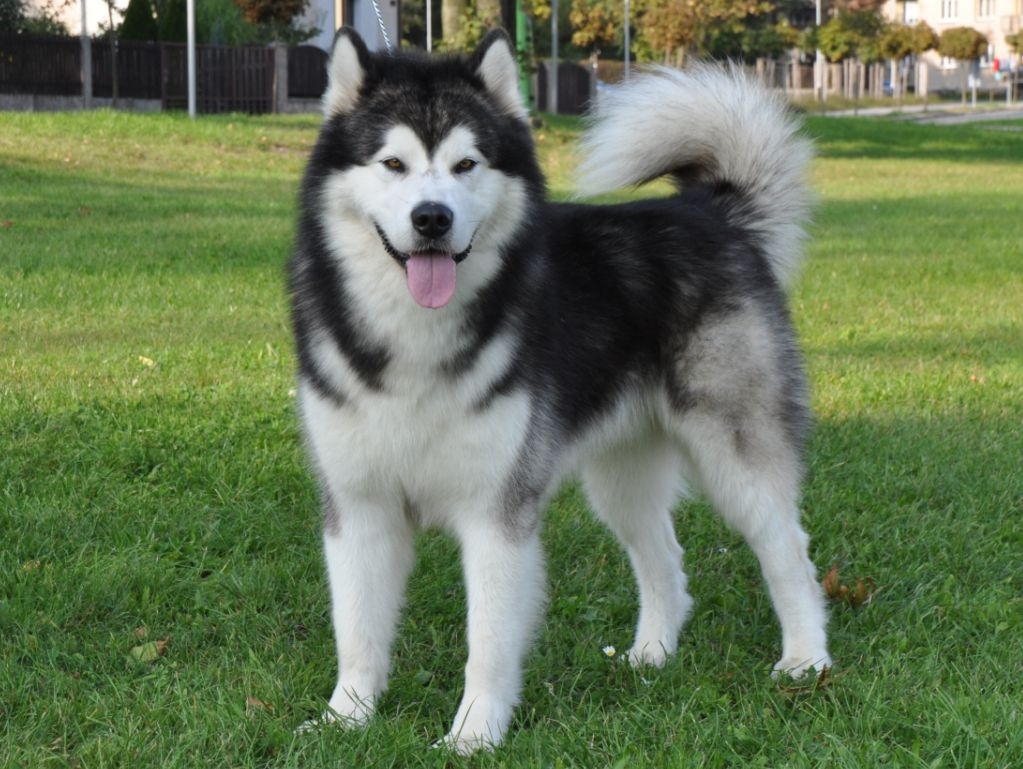
The Alaskan Malamute is a large working dog breed that originated in Alaska, primarily bred for hauling heavy sleds over long distances. They typically weigh between 65 to 100 pounds and stand 23 to 25 inches tall at the shoulder, featuring a thick double coat, erect ears, and a bushy tail. Known for their friendly and loyal temperament, Malamutes are intelligent and energetic, making them well-suited for active families and outdoor activities, although they require consistent training and socialization due to their independent nature.
Alaskan Malamutes are known for being friendly, affectionate, devoted, loyal, dignified, and playful, brave, gentle. As a moderately energetic breed, they are moderately trainable and thrive with regular mental and physical activity. They are excellent with children of all ages and friendly with other dogs, making them a popular choice for families and experienced dog owners alike.
Caring for a Alaskan Malamute means committing to regular grooming (brushing several times a week), regular daily walks, and positive-reinforcement training. Their gentle, social nature makes them a wonderful addition to active families.
At a Glance
Quick Facts
- Breed Group:
- Working
- Bred For:
- Hauling heavy freight, Sled pulling
- Origin:
- Alaska
- Life Span:
- 12 - 15 years
- Weight:
- 65 - 100 lbs
- Height:
- 23 - 25 in
Temperament
Free Alaskan Malamute Health Guide
Alaskan Malamutes can be prone to Hip Dysplasia and other conditions. Get our owner's health checklist and monthly vet tips — free.
- ✓Alaskan Malamute-specific health warning signs
- ✓Vet visit checklist & cost tracker
- ✓Monthly breed health newsletter
Finding similar breeds...
How We Find Similar Breeds
We analyze breed characteristics including temperament, size, appearance, and care needs to identify the most similar dog breeds. This helps you discover alternatives that might be a good match for your lifestyle and preferences.
Explore Related Breeds & Guides
Adopt a Alaskan Malamute
Filter to show only purebred Alaskan Malamutes (excludes mixed breeds and crosses)
Find Dogs Near You
Enter your location to discover adoptable pets nearby
How to Adopt a Alaskan Malamute
Follow these steps to ensure a smooth and responsible adoption process. Remember that adopting a dog is a lifelong commitment.
Research the Breed
Learn everything you can about Alaskan Malamutes, including their temperament, exercise needs, grooming requirements, and potential health issues.
Find Reputable Sources
Look for adoptable dogs through shelters, rescue organizations, or responsible breeders. Avoid puppy mills and online scams.
Apply for Adoption
Complete an adoption application with your chosen organization. Be prepared to provide references and possibly go through a home visit.
Meet Your Potential Pet
Schedule a meeting with the dog to assess compatibility with you, your family, and any existing pets.
Prepare Your Home
Gather necessary supplies and dog-proof your home before bringing your new pet home.
1Essential Supplies
Food and water bowls, high-quality dog food, collar with ID tag, leash, bed, crate, toys, treats, grooming supplies, and cleaning products for accidents.
2Create a Safe Space
Designate an area where your dog can retreat when feeling overwhelmed. This could be a crate with comfortable bedding or a quiet corner with their bed.
3Remove Hazards
Secure or remove toxic plants, chemicals, small objects that could be swallowed, and foods that are harmful to dogs. Use baby gates if needed to restrict access to certain areas.
4Find a Veterinarian
Research and choose a veterinarian before bringing your dog home, and schedule an initial check-up shortly after adoption.
What is the dog's background and history?
Understanding a dog's past can help you anticipate potential behavior issues and provide appropriate support.
Has the dog been spayed/neutered and vaccinated?
This information is important for planning future veterinary care and understanding any immediate medical needs.
What is the dog's energy level and exercise needs?
Alaskan Malamutes typically need regular exercise to stay healthy and happy. Ask about specific exercise requirements.
Has the dog been socialized with other animals and people?
This helps you understand how the dog might interact with your family, friends, and other pets.
Are there any known behavioral or health issues?
Knowing about existing issues helps you prepare for any special care or training needs.
Special Considerations for Alaskan Malamutes
- Alaskan Malamutes may have specific health concerns that require regular monitoring.
- Consider how the typical Alaskan Malamute temperament aligns with your lifestyle.
- Research the grooming needs of Alaskan Malamutes to ensure you can commit to the required maintenance.
- Understand the exercise requirements of Alaskan Malamutes to keep them healthy and prevent behavior problems.
- Learn about proper training methods that work well with Alaskan Malamutes.
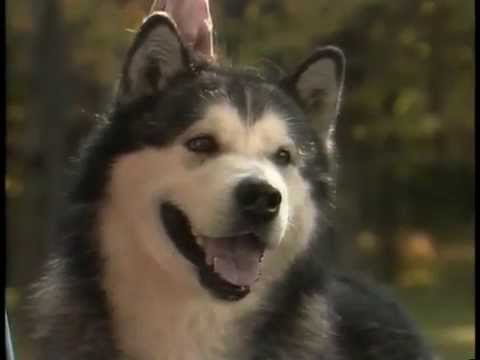 Alaskan Malamute — Official AKC Breed VideoAmerican Kennel Club
Watch the official AKC video covering temperament, history, traits, and care.
Watch on YouTube →Product Recommendations for Alaskan Malamutes
See all →Vet-reviewed picks for food, insurance, crates, brushes, treats, and toys — matched to this breed.
Compare Alaskan Malamute with Similar Breeds
See how the Alaskan Malamute stacks up against other breeds side by side.