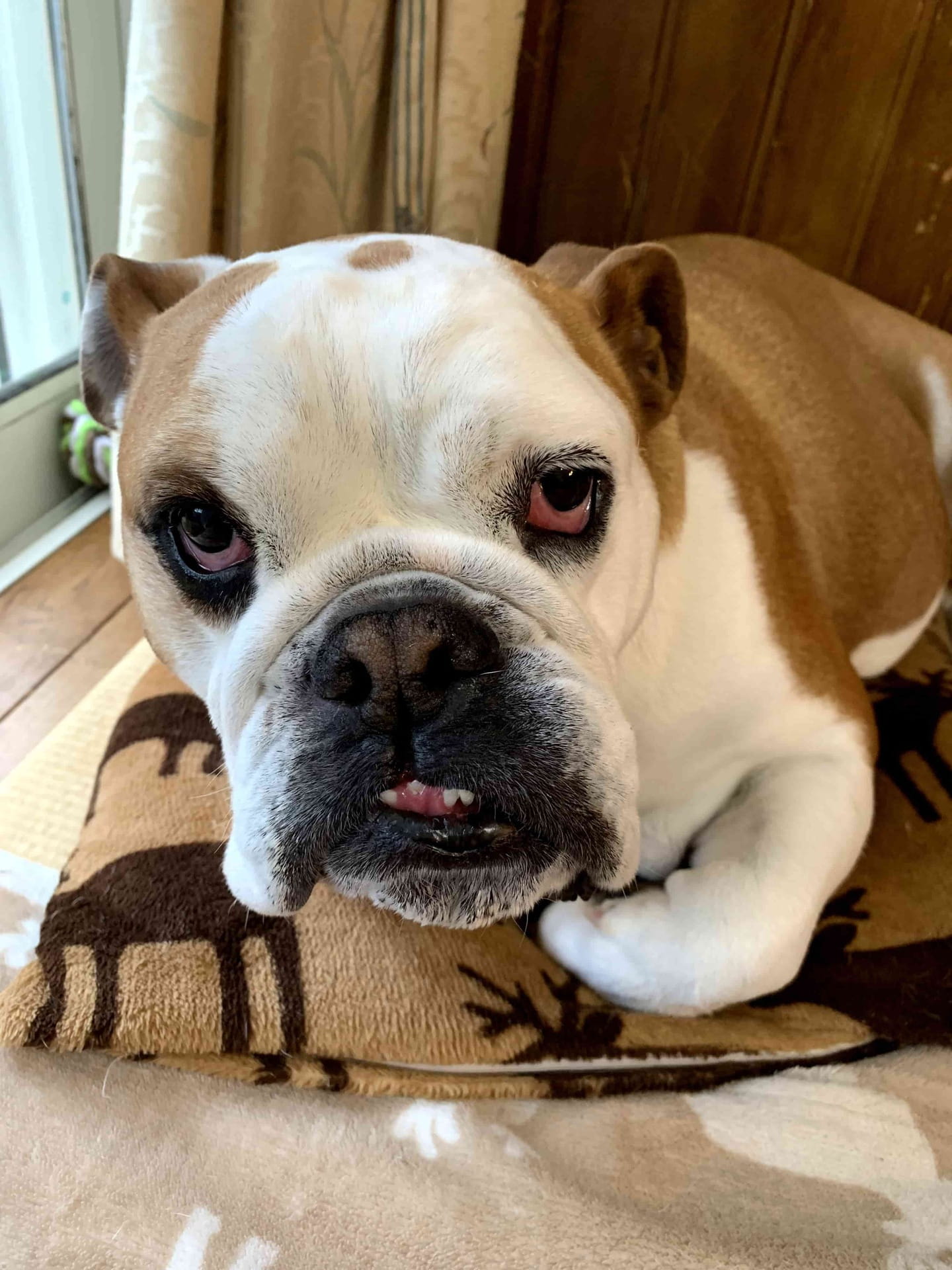
American Bulldog
Temperament
About the American Bulldog
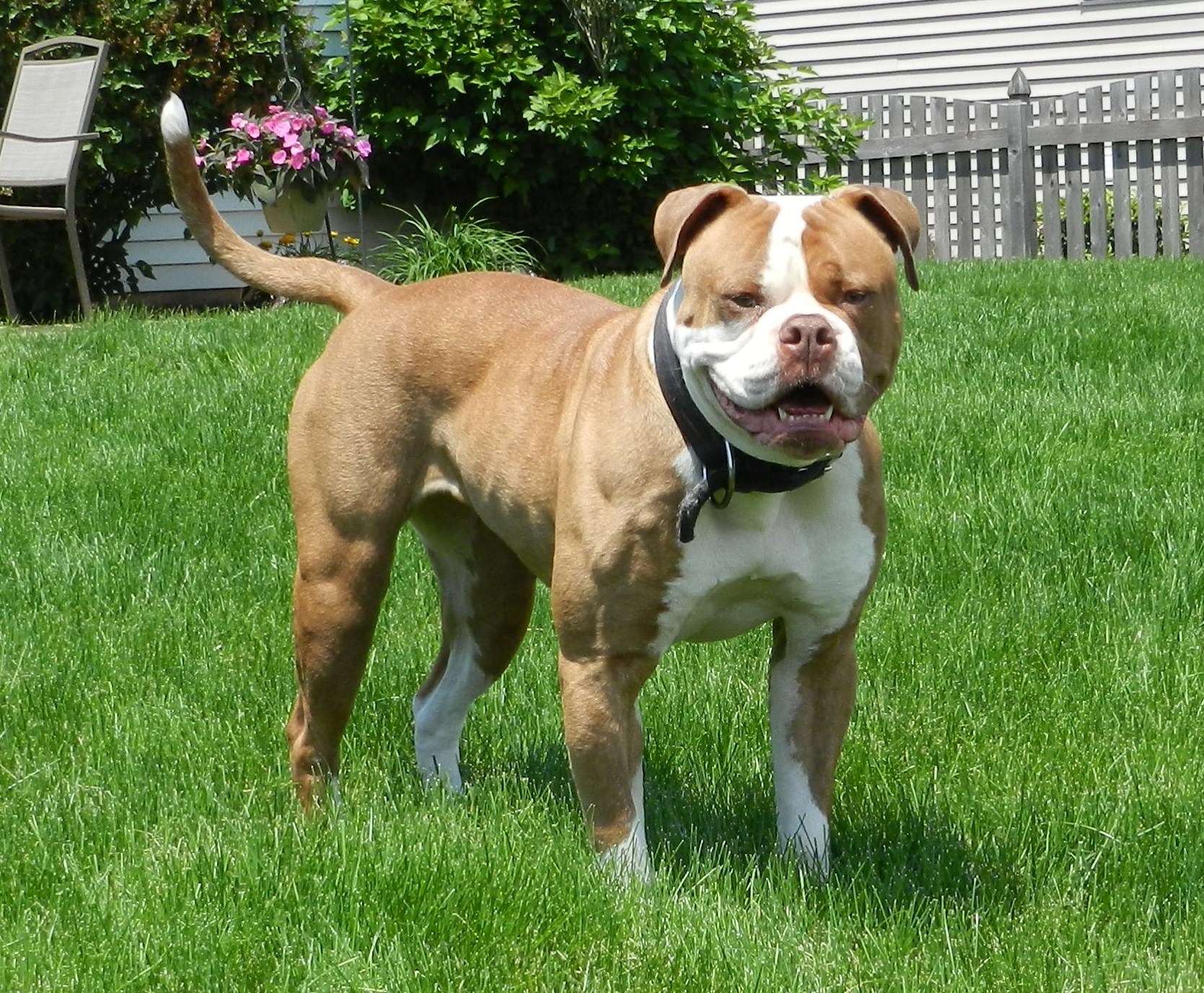
The American Bulldog's story is inseparable from the history of working-class America in the rural South. English settlers brought the Old English Bulldog to the American colonies in the 17th century, and these dogs quickly became indispensable on farms across Alabama, Georgia, South Carolina, and the surrounding states. Unlike their English cousins who were being selectively bred toward a more compact, companion-focused form, American working dogs retained the athleticism, drive, and structural soundness needed to catch feral hogs, drive cattle, and guard property. By the early 20th century, the breed had nearly disappeared entirely — a casualty of industrialization reducing the need for multipurpose farm dogs.
The breed's survival is largely credited to John D. Johnson of Summerville, Georgia, who began collecting the best working bulldogs he could find across the rural South after World War II. Johnson's efforts established one of the two primary breed lines still recognized today: the Johnson type, sometimes called the Bully or Classic type, which carries a heavier, broader build with a shorter muzzle and a profile reminiscent of the English Bulldog. The second line traces to Alan Scott, who worked alongside Johnson before developing a leaner, more athletic strain now called the Scott or Standard type. Scott-type dogs carry a longer muzzle, a more streamlined frame, and a build oriented toward working performance over show presence.
Most American Bulldogs today fall somewhere between these two poles, and many breeders deliberately cross the types to balance athleticism with substance. The American Bulldog Association (ABA), founded in the 1980s, remains the most prominent breed-specific organization in the United States and has been instrumental in establishing breed standards and health programs. The United Kennel Club (UKC) has recognized the American Bulldog since 1999. The American Kennel Club granted full recognition in 2019, placing the breed in the Working Group — a classification that reflects the breed's genuine utility history rather than its more recent role as a companion.
What distinguishes the American Bulldog from superficially similar breeds is meaningful. Compared to the English Bulldog, the American is substantially taller, structurally sounder, and far more physically capable — built to run, jump, and work for hours. Compared to the American Pit Bull Terrier, the American Bulldog is heavier-boned, broader-headed, and lacks the terrier drive that shapes Pit Bull temperament. The breed occupies a genuine niche as a large, athletic, working-type dog that has retained functional conformation across centuries of practical use.
At a Glance
Quick Facts
- Breed Group:
- Working
- Origin:
- United States
- Life Span:
- 10 - 12 years
- Weight:
- 60 - 120 lbs
- Height:
- 22 - 27 in
💰 American Bulldog Cost Guide
Food · Vet · Grooming · Insurance · Full breakdown
Frequently Asked Questions
What is the temperament of a American Bulldog?
American Bulldogs are known to be friendly, assertive, energetic, loyal, gentle, confident, dominant, affectionate. This combination of traits makes them excellent companions for families with children. Their temperament is influenced by both genetics and proper socialization from an early age.
How much exercise does a American Bulldog need?
American Bulldogs are high-energy dogs requiring 60+ minutes of vigorous daily exercise and mental stimulation.
How often should I groom my American Bulldog?
American Bulldogs require intensive grooming with daily brushing and regular professional grooming sessions.
How do I train a American Bulldog?
American Bulldogs are highly trainable and typically respond well to positive reinforcement methods.
Are American Bulldogs good with children?
American Bulldogs are excellent with children. Their natural patience, gentle nature, and resilience make them outstanding family dogs. They typically form strong bonds with children and tend to be forgiving of the occasional accidental rough handling that can occur with younger kids. Remember that proper socialization and teaching children appropriate interaction with dogs are always important, regardless of breed.
What makes the American Bulldog unique compared to other dog breeds?
The American Bulldog stands out from other breeds due to its rich heritage from United States. This unique combination of characteristics makes them special among dog breeds and appeals to owners who appreciate these distinct qualities. Understanding these traits helps provide appropriate care tailored to their specific needs.
What should I know before getting a American Bulldog?
Before bringing a American Bulldog into your home, potential owners should consider: They have high exercise requirements (4/5) and need an active owner. Their coat requires significant maintenance (4/5) with regular grooming sessions. They typically excel in family environments with children (5/5 child-friendliness). They're typically highly trainable (5/5) and eager to learn. Their large size requires adequate living space. They may be prone to breed-specific health issues including Hip Dysplasia, Elbow Dysplasia, Brachycephalic Obstructive Airway Syndrome, Skin Fold Dermatitis, Cherry Eye. Additionally, researching reputable breeders or rescue organizations is essential for finding a healthy, well-socialized American Bulldog. Understanding these factors will help ensure a good match between the breed and your lifestyle, leading to a happy relationship for both you and your dog.
What were American Bulldogs originally bred for?
As part of the Working group, they share characteristics with other breeds developed for similar purposes. Understanding your American Bulldog's breeding heritage helps explain many of their natural behaviors and instincts, which can be channeled appropriately through training and enrichment activities. Even though modern American Bulldogs are primarily companions, these inherent traits remain part of their genetic makeup.
How long do American Bulldogs typically live?
The average lifespan of a American Bulldog is 10 - 12 years. With proper care including quality nutrition, regular veterinary check-ups, appropriate exercise, and preventative healthcare, some American Bulldogs may live beyond this range. Genetics, environment, and healthcare all play important roles in determining longevity.
Are American Bulldogs good family dogs with kids?
American Bulldogs can be excellent family dogs when properly socialized and trained, but their size and physical exuberance require supervision around small children. A fully grown male can exceed 100 pounds and will knock over a toddler without any aggressive intent simply by playing or moving through a space. The breed is genuinely affectionate and patient with children in households where boundaries have been established early, but this is not a dog that can be left to work out its manners around kids on its own. Obedience training should begin in puppyhood, and children should be taught how to interact appropriately with the dog. American Bulldogs that have been raised with children and socialized broadly from a young age are typically gentle, loyal family companions.
How much exercise does an American Bulldog need daily?
American Bulldogs are a genuinely athletic breed that needs more exercise than most people expect from a dog their size. A healthy adult American Bulldog should receive at least 60 to 90 minutes of physical activity daily, ideally split between structured exercise like brisk walks or jogging and off-leash play or work. The breed was built for sustained physical effort — catching hogs and working farms — and a dog that doesn't get sufficient daily outlet will redirect that energy into destructive behavior indoors. One important caveat applies to Johnson-type dogs with heavier brachycephalic structure: exercise in hot, humid weather carries genuine respiratory risk for these individuals, and sessions should be limited to cooler parts of the day during summer. Monitor breathing closely during exercise regardless of type.
What is the difference between a Johnson and Scott American Bulldog?
The Johnson and Scott types represent two distinct lines within the American Bulldog breed, each tracing to a specific breeder. John D. Johnson of Summerville, Georgia developed the Johnson or Classic type, which features a heavier, broader build, a shorter muzzle with more facial wrinkling, and a head profile that resembles the English Bulldog more closely. These dogs tend to be heavier overall, sometimes reaching the upper range of the breed's weight. Alan Scott, who initially worked alongside Johnson, developed the Scott or Standard type: a leaner, taller dog with a longer muzzle, less wrinkling, and a build oriented toward athletic performance. Scott-type dogs typically breathe more easily and are better suited to high-intensity working tasks. Most American Bulldogs today are a cross of both types rather than purebred representatives of either line, and breeders deliberately blend the types to balance structure with athleticism.
Do American Bulldogs have breathing problems?
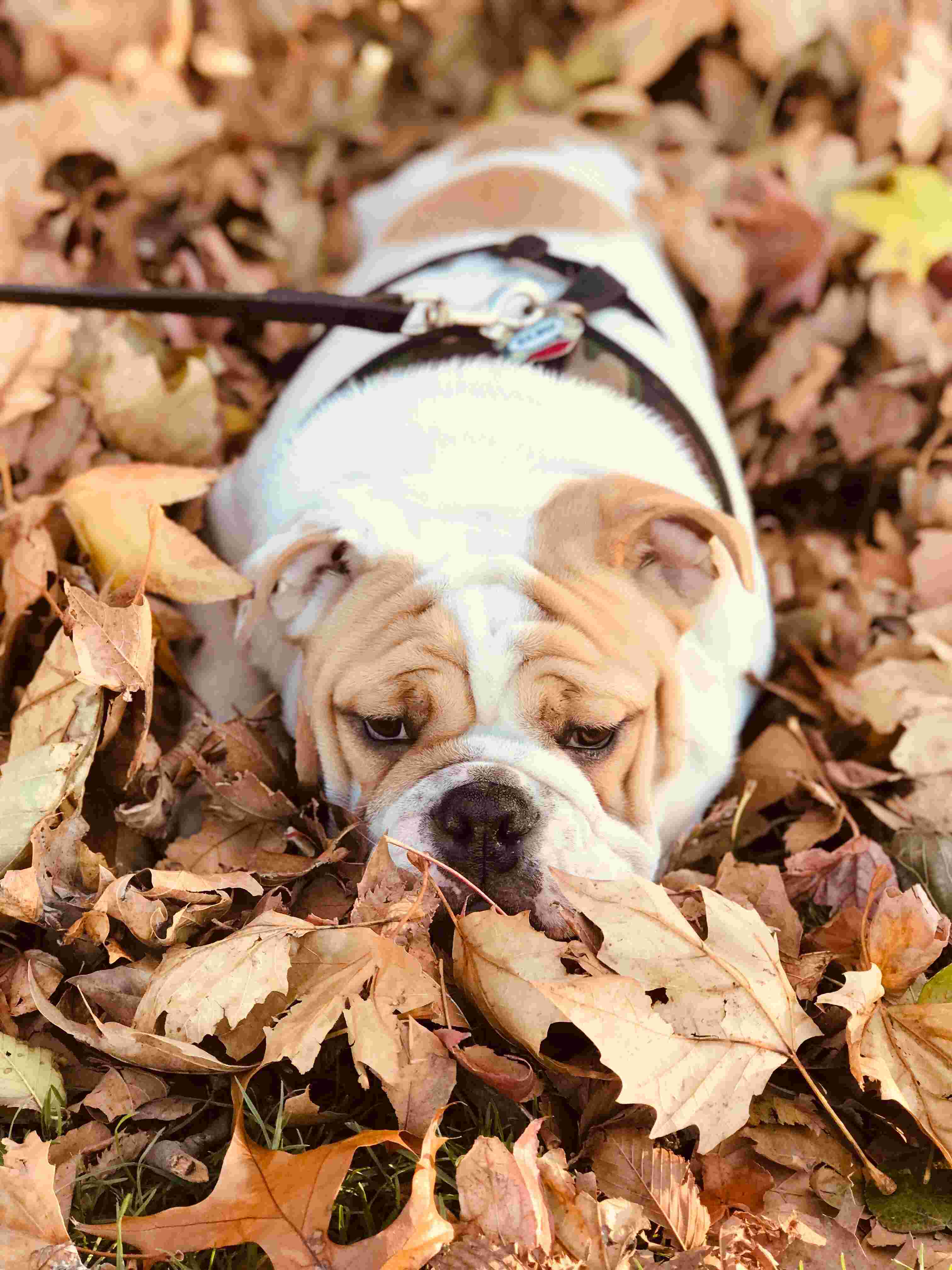
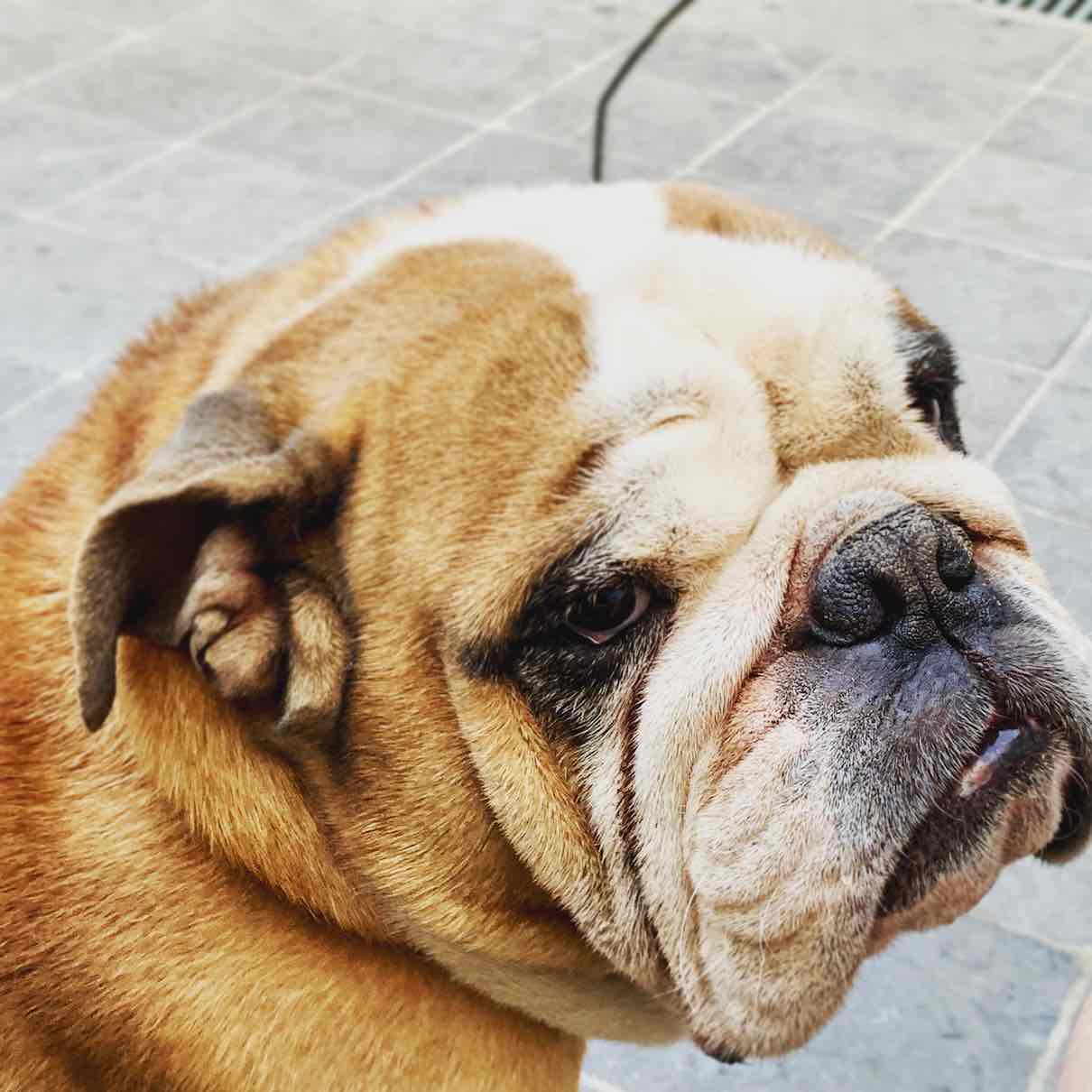
Breathing problems are a real concern in the American Bulldog, particularly in Johnson-type dogs with shorter muzzles and heavier facial structure. The condition is called Brachycephalic Obstructive Airway Syndrome, or BOAS, and it encompasses several structural abnormalities that restrict airflow — including narrow nostrils, an elongated soft palate, and in some cases a narrowed trachea. Affected dogs breathe noisily, overheat more quickly than other breeds, and may show reduced exercise tolerance. Not every American Bulldog has clinically significant BOAS — Scott-type dogs with longer muzzles often have few or no breathing issues — but buyers should specifically ask breeders whether their lines have been evaluated for airway health. Dogs with notable BOAS symptoms should be evaluated by a veterinarian experienced with brachycephalic breeds, as surgical correction of stenotic nares and elongated soft palate significantly improves outcomes and quality of life when performed early.
Additional Characteristics
Care Requirements
They are high-energy dogs that need significant daily exercise and mental stimulation.
They have high grooming needs requiring frequent brushing and regular professional grooming.
Highly trainable — quick to learn and eager to please
They are excellent with children and often form strong bonds with them.
American Bulldog
Complete Breed Guide
About the American Bulldog
The American Bulldog originated in the United States and was developed from the Old English Bulldog for farm work and as a versatile working dog. They typically weigh between 60 to 120 pounds and stand 22 to 27 inches tall, featuring a muscular build, broad head, and strong jaws. Known for their friendly and loyal temperament, American Bulldogs are assertive and energetic, making them excellent companions and protectors, though they require consistent training and socialization. Their lifespan ranges from 10 to 12 years.
American Bulldogs are known for being friendly, assertive, energetic, loyal, gentle, and confident, dominant, affectionate. As a high-energy breed, they are highly responsive to training and thrive with regular mental and physical activity. They are excellent with children of all ages and friendly with other dogs, making them a popular choice for families and experienced dog owners alike.
Caring for a American Bulldog means committing to regular grooming (brushing several times a week), vigorous daily exercise, and consistent training from an early age. Their gentle, social nature makes them a wonderful addition to active families.
At a Glance
Quick Facts
- Breed Group:
- Working
- Origin:
- United States
- Life Span:
- 10 - 12 years
- Weight:
- 60 - 120 lbs
- Height:
- 22 - 27 in
Temperament
Free American Bulldog Health Guide
American Bulldogs can be prone to Hip Dysplasia and other conditions. Get our owner's health checklist and monthly vet tips — free.
- ✓American Bulldog-specific health warning signs
- ✓Vet visit checklist & cost tracker
- ✓Monthly breed health newsletter
Finding similar breeds...
How We Find Similar Breeds
We analyze breed characteristics including temperament, size, appearance, and care needs to identify the most similar dog breeds. This helps you discover alternatives that might be a good match for your lifestyle and preferences.
Explore Related Breeds & Guides
Adopt a American Bulldog
Filter to show only purebred American Bulldogs (excludes mixed breeds and crosses)
Find Dogs Near You
Enter your location to discover adoptable pets nearby
How to Adopt a American Bulldog
Follow these steps to ensure a smooth and responsible adoption process. Remember that adopting a dog is a lifelong commitment.
Research the Breed
Learn everything you can about American Bulldogs, including their temperament, exercise needs, grooming requirements, and potential health issues.
Find Reputable Sources
Look for adoptable dogs through shelters, rescue organizations, or responsible breeders. Avoid puppy mills and online scams.
Apply for Adoption
Complete an adoption application with your chosen organization. Be prepared to provide references and possibly go through a home visit.
Meet Your Potential Pet
Schedule a meeting with the dog to assess compatibility with you, your family, and any existing pets.
Prepare Your Home
Gather necessary supplies and dog-proof your home before bringing your new pet home.
1Essential Supplies
Food and water bowls, high-quality dog food, collar with ID tag, leash, bed, crate, toys, treats, grooming supplies, and cleaning products for accidents.
2Create a Safe Space
Designate an area where your dog can retreat when feeling overwhelmed. This could be a crate with comfortable bedding or a quiet corner with their bed.
3Remove Hazards
Secure or remove toxic plants, chemicals, small objects that could be swallowed, and foods that are harmful to dogs. Use baby gates if needed to restrict access to certain areas.
4Find a Veterinarian
Research and choose a veterinarian before bringing your dog home, and schedule an initial check-up shortly after adoption.
What is the dog's background and history?
Understanding a dog's past can help you anticipate potential behavior issues and provide appropriate support.
Has the dog been spayed/neutered and vaccinated?
This information is important for planning future veterinary care and understanding any immediate medical needs.
What is the dog's energy level and exercise needs?
American Bulldogs typically need regular exercise to stay healthy and happy. Ask about specific exercise requirements.
Has the dog been socialized with other animals and people?
This helps you understand how the dog might interact with your family, friends, and other pets.
Are there any known behavioral or health issues?
Knowing about existing issues helps you prepare for any special care or training needs.
Special Considerations for American Bulldogs
- American Bulldogs may have specific health concerns that require regular monitoring.
- Consider how the typical American Bulldog temperament aligns with your lifestyle.
- Research the grooming needs of American Bulldogs to ensure you can commit to the required maintenance.
- Understand the exercise requirements of American Bulldogs to keep them healthy and prevent behavior problems.
- Learn about proper training methods that work well with American Bulldogs.
Product Recommendations for American Bulldogs
See all →Vet-reviewed picks for food, insurance, crates, brushes, treats, and toys — matched to this breed.
Compare American Bulldog with Similar Breeds
See how the American Bulldog stacks up against other breeds side by side.