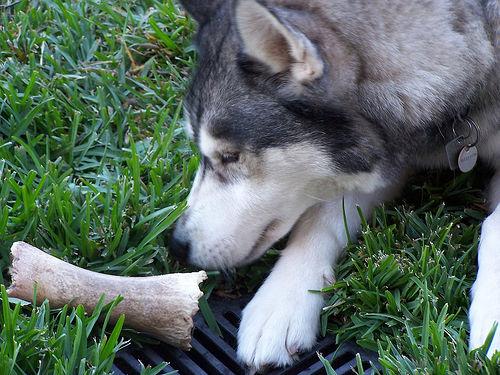
American Eskimo Dog (Miniature)
Temperament
About the American Eskimo Dog (Miniature)
The American Eskimo Dog Miniature sits at a fascinating crossroads of European heritage and American reinvention. Despite the name suggesting Arctic origins, this breed descends directly from German Spitz dogs brought to the United States by German immigrants in the late 19th and early 20th centuries. The breed was originally called the American Spitz and was bred and kept by German-American communities primarily in the Midwest. Anti-German sentiment during World War I prompted a widespread rebranding of German-associated things in America, and the breed's name was changed to the American Eskimo Dog — a name likely chosen partly for its association with the fluffy white Samoyed, which had become romanticized in the public imagination through Arctic exploration coverage of the era.
The breed's early visibility came not from the show ring but from the circus. In the late 1800s and early 1900s, Eskies became highly sought-after performing dogs due to their striking white coats, agility, and trainability. One of the most famous early Eskies was Pierre, a dog with Barnum & Bailey's circus who famously learned to walk a tightrope. This circus heritage is not a footnote — it explains a great deal about the breed's intelligence, its need for mental stimulation, and its desire to perform and be seen.
The United American Kennel Club recognized the breed in 1919, but full American Kennel Club recognition did not come until 1995, when the American Eskimo Dog was admitted to the Non-Sporting Group. The American Eskimo Dog Club of America, formed in 1986, was instrumental in standardizing the breed and pushing for AKC recognition. The miniature variety, which stands between 12 and 15 inches at the withers and typically weighs between 10 and 20 pounds — though the profile here reflects the lower end of that range — is the middle of the three recognized sizes: toy, miniature, and standard.
What distinguishes the miniature Eskie from the toy is primarily scale, not temperament or structure. What distinguishes it from its German Spitz ancestors is largely the American breeding program's emphasis on a purely white or white-with-biscuit coat and a more companion-oriented disposition. The Samoyed may look similar to the uninformed eye, but it is a much larger, working-sled breed from Siberia. The Eskie is a spitz-type companion dog through and through — compact, alert, and built for a life lived closely alongside humans rather than hauling freight across frozen tundra.
At a Glance
Quick Facts
- Breed Group:
- Non-Sporting
- Bred For:
- Companionship
- Origin:
- United States
- Life Span:
- 13 - 15 years
- Weight:
- 7 - 10 lbs
- Height:
- 9 - 12 in
💰 American Eskimo Dog (Miniature) Cost Guide
Food · Vet · Grooming · Insurance · Full breakdown
Frequently Asked Questions
What is the temperament of a American Eskimo Dog (Miniature)?
American Eskimo Dog (Miniature)s are known to be friendly, alert, reserved, intelligent, protective. This combination of traits makes them excellent companions for families with children. Their temperament is influenced by both genetics and proper socialization from an early age.
How much exercise does a American Eskimo Dog (Miniature) need?
American Eskimo Dog (Miniature)s have moderate energy levels and need 30-60 minutes of daily exercise including walks and playtime.
How often should I groom my American Eskimo Dog (Miniature)?
American Eskimo Dog (Miniature)s require intensive grooming with daily brushing and regular professional grooming sessions.
How do I train a American Eskimo Dog (Miniature)?
American Eskimo Dog (Miniature)s may require extra patience during training and respond best to positive, consistent methods.
Are American Eskimo Dog (Miniature)s good with children?
American Eskimo Dog (Miniature)s are excellent with children. Their natural patience, gentle nature, and resilience make them outstanding family dogs. They typically form strong bonds with children and tend to be forgiving of the occasional accidental rough handling that can occur with younger kids. Remember that proper socialization and teaching children appropriate interaction with dogs are always important, regardless of breed.
What makes the American Eskimo Dog (Miniature) unique compared to other dog breeds?
The American Eskimo Dog (Miniature) stands out from other breeds due to its rich heritage from United States, specialized companion qualities. This unique combination of characteristics makes them special among dog breeds and appeals to owners who appreciate these distinct qualities. Understanding these traits helps provide appropriate care tailored to their specific needs.
What should I know before getting a American Eskimo Dog (Miniature)?
Before bringing a American Eskimo Dog (Miniature) into your home, potential owners should consider: Their coat requires significant maintenance (4/5) with regular grooming sessions. They typically excel in family environments with children (4/5 child-friendliness). They can be challenging to train (2/5) and are better suited for experienced dog owners. They may be prone to breed-specific health issues including Patellar Luxation, Progressive Retinal Atrophy, Legg-Calve-Perthes Disease, Diabetes, Hip Dysplasia. Additionally, researching reputable breeders or rescue organizations is essential for finding a healthy, well-socialized American Eskimo Dog (Miniature). Understanding these factors will help ensure a good match between the breed and your lifestyle, leading to a happy relationship for both you and your dog.
What were American Eskimo Dog (Miniature)s originally bred for?
American Eskimo Dog (Miniature)s were originally bred for companionship. This companion-focused breeding has resulted in their affectionate, people-oriented temperament that makes them excellent pets. As part of the Non-Sporting group, they share characteristics with other breeds developed for similar purposes. Understanding your American Eskimo Dog (Miniature)'s breeding heritage helps explain many of their natural behaviors and instincts, which can be channeled appropriately through training and enrichment activities. Even though modern American Eskimo Dog (Miniature)s are primarily companions, these inherent traits remain part of their genetic makeup.
How long do American Eskimo Dog (Miniature)s typically live?
The average lifespan of a American Eskimo Dog (Miniature) is 13 - 15 years. With proper care including quality nutrition, regular veterinary check-ups, appropriate exercise, and preventative healthcare, some American Eskimo Dog (Miniature)s may live beyond this range. Genetics, environment, and healthcare all play important roles in determining longevity.
Do miniature American Eskimo dogs shed a lot?
Yes, miniature American Eskimo Dogs are heavy shedders year-round, with two major shedding seasons in spring and fall when the dense double undercoat blows out heavily. The white coat means shed fur is visible on virtually all surfaces and clothing. Weekly brushing is necessary as a baseline, and during shedding seasons owners typically need to brush two to three times per week using a slicker brush and an undercoat rake to prevent matting and manage volume. The coat does not require trimming to maintain health, but professional grooming every six to eight weeks helps significantly with coat management and cleanliness.
Are miniature American Eskimo dogs good with kids?
Miniature American Eskimo Dogs can be excellent family dogs, but their reserved temperament toward strangers and their sensitivity to rough handling means the fit depends heavily on the age and behavior of the children involved. Eskies generally bond deeply with their own family members, including children they are raised with, and can be playful and affectionate with them. However, the breed tends to be cautious around unfamiliar children and may become anxious or snappy if handled roughly or cornered. Families with toddlers should supervise all interactions closely. The breed does better in households where children are old enough to understand and respect a dog's body language and boundaries.
How much exercise does a miniature American Eskimo dog need?
Miniature American Eskimo Dogs have moderate exercise needs that are easy to underestimate given their small size. They are not couch dogs — they are descended from working spitz breeds and have real energy reserves and a genuine need for physical and mental activity. A daily walk of 30 to 45 minutes, combined with active play sessions or training work, is a reasonable baseline. Without sufficient exercise and mental stimulation, Eskies become bored, and boredom expresses itself through excessive barking, destructive behavior, or anxious habits. The breed excels in dog sports including agility, obedience, and trick training, which simultaneously address physical exercise and the mental engagement this highly intelligent breed requires.
What is the difference between a toy and miniature American Eskimo Dog?
The American Eskimo Dog is recognized by the AKC in three size varieties — toy, miniature, and standard — and the differences between them are based entirely on height and weight, not temperament or coat characteristics. Toy Eskies stand 9 to 12 inches at the withers and typically weigh 6 to 10 pounds. Miniature Eskies stand 12 to 15 inches and generally weigh between 10 and 20 pounds. Standard Eskies stand 15 to 19 inches and weigh 25 to 35 pounds. All three are the same breed with the same temperament, grooming needs, and health considerations, though smaller sizes like the toy are somewhat more prone to orthopedic issues such as patellar luxation and Legg-Calvé-Perthes disease simply because of the physiological pressures associated with very small body size.
Additional Characteristics
Care Requirements
They have a moderate energy level and benefit from daily walks and play sessions.
They have high grooming needs requiring frequent brushing and regular professional grooming.
May require extra patience — better suited for experienced owners
They are generally very good with children and tend to be patient and tolerant.
American Eskimo Dog (Miniature)
Complete Breed Guide
About the American Eskimo Dog (Miniature)
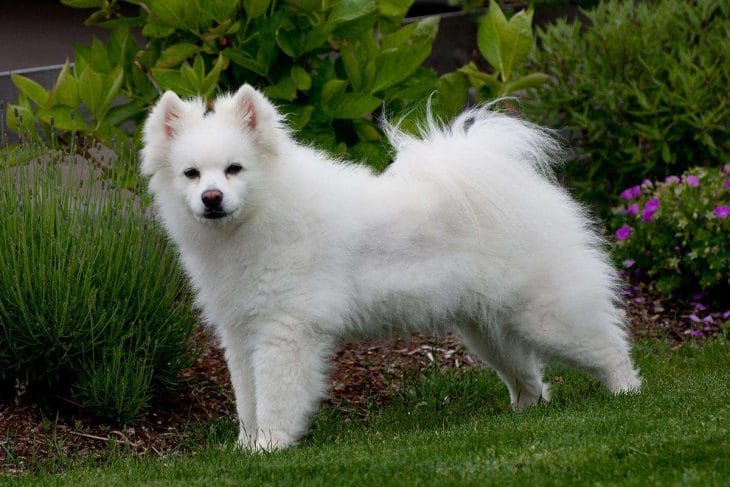
The American Eskimo Dog (Miniature) originated in the United States and is part of the Non-Sporting Group recognized by the AKC. Weighing between 7 to 10 pounds and standing 9 to 12 inches tall, this breed is known for its thick, fluffy white coat and distinctively expressive face. With a friendly yet reserved temperament, they are intelligent and protective, making them excellent companions and watchdogs. Their lifespan ranges from 13 to 15 years.
American Eskimo Dog (Miniature)s are known for being friendly, alert, reserved, intelligent, protective. As a moderately energetic breed, they are independent-minded and requiring patient, consistent training and thrive with regular mental and physical activity. They are excellent with children of all ages and sociable with other dogs when properly introduced, making them a popular choice for families and experienced dog owners alike.
Caring for a American Eskimo Dog (Miniature) means committing to regular grooming (brushing several times a week), regular daily walks, and positive-reinforcement training. Their gentle, social nature makes them a wonderful addition to active families.
At a Glance
Quick Facts
- Breed Group:
- Non-Sporting
- Bred For:
- Companionship
- Origin:
- United States
- Life Span:
- 13 - 15 years
- Weight:
- 7 - 10 lbs
- Height:
- 9 - 12 in
Temperament
Free American Eskimo Dog (Miniature) Health Guide
American Eskimo Dog (Miniature)s can be prone to Patellar Luxation and other conditions. Get our owner's health checklist and monthly vet tips — free.
- ✓American Eskimo Dog (Miniature)-specific health warning signs
- ✓Vet visit checklist & cost tracker
- ✓Monthly breed health newsletter
Finding similar breeds...
How We Find Similar Breeds
We analyze breed characteristics including temperament, size, appearance, and care needs to identify the most similar dog breeds. This helps you discover alternatives that might be a good match for your lifestyle and preferences.
Explore Related Breeds & Guides
Adopt a American Eskimo Dog (Miniature)
Filter to show only purebred American Eskimo Dog (Miniature)s (excludes mixed breeds and crosses)
Find Dogs Near You
Enter your location to discover adoptable pets nearby
How to Adopt a American Eskimo Dog (Miniature)
Follow these steps to ensure a smooth and responsible adoption process. Remember that adopting a dog is a lifelong commitment.
Research the Breed
Learn everything you can about American Eskimo Dog (Miniature)s, including their temperament, exercise needs, grooming requirements, and potential health issues.
Find Reputable Sources
Look for adoptable dogs through shelters, rescue organizations, or responsible breeders. Avoid puppy mills and online scams.
Apply for Adoption
Complete an adoption application with your chosen organization. Be prepared to provide references and possibly go through a home visit.
Meet Your Potential Pet
Schedule a meeting with the dog to assess compatibility with you, your family, and any existing pets.
Prepare Your Home
Gather necessary supplies and dog-proof your home before bringing your new pet home.
1Essential Supplies
Food and water bowls, high-quality dog food, collar with ID tag, leash, bed, crate, toys, treats, grooming supplies, and cleaning products for accidents.
2Create a Safe Space
Designate an area where your dog can retreat when feeling overwhelmed. This could be a crate with comfortable bedding or a quiet corner with their bed.
3Remove Hazards
Secure or remove toxic plants, chemicals, small objects that could be swallowed, and foods that are harmful to dogs. Use baby gates if needed to restrict access to certain areas.
4Find a Veterinarian
Research and choose a veterinarian before bringing your dog home, and schedule an initial check-up shortly after adoption.
What is the dog's background and history?
Understanding a dog's past can help you anticipate potential behavior issues and provide appropriate support.
Has the dog been spayed/neutered and vaccinated?
This information is important for planning future veterinary care and understanding any immediate medical needs.
What is the dog's energy level and exercise needs?
American Eskimo Dog (Miniature)s typically need regular exercise to stay healthy and happy. Ask about specific exercise requirements.
Has the dog been socialized with other animals and people?
This helps you understand how the dog might interact with your family, friends, and other pets.
Are there any known behavioral or health issues?
Knowing about existing issues helps you prepare for any special care or training needs.
Special Considerations for American Eskimo Dog (Miniature)s
- American Eskimo Dog (Miniature)s may have specific health concerns that require regular monitoring.
- Consider how the typical American Eskimo Dog (Miniature) temperament aligns with your lifestyle.
- Research the grooming needs of American Eskimo Dog (Miniature)s to ensure you can commit to the required maintenance.
- Understand the exercise requirements of American Eskimo Dog (Miniature)s to keep them healthy and prevent behavior problems.
- Learn about proper training methods that work well with American Eskimo Dog (Miniature)s.
Product Recommendations for American Eskimo Dog (Miniature)s
See all →Vet-reviewed picks for food, insurance, crates, brushes, treats, and toys — matched to this breed.
Compare American Eskimo Dog (Miniature) with Similar Breeds
See how the American Eskimo Dog (Miniature) stacks up against other breeds side by side.