
American Pit Bull Terrier
Temperament
About the American Pit Bull Terrier
The American Pit Bull Terrier's roots trace back to 19th-century England, where breeders crossed Old English Bulldogs with terriers to create a dog that combined the bulldog's raw power with the terrier's tenacity and gameness. These crosses were purpose-built for bull-baiting, a blood sport that was banned in England in 1835 under the Cruelty to Animals Act. Once bull-baiting was outlawed, the same dogs were redirected into the dogfighting pits — hence the name that would follow the breed across the Atlantic. Irish and English immigrants brought these dogs to the United States in the mid-1800s, where American breeders developed a larger, more substantial animal than their British counterparts.
In America, the breed found a second life far removed from the pit. Homesteaders and farmers used them as catch dogs for hogs and cattle, hunting companions, and loyal family dogs. Their reputation as devoted, gentle companions around children earned them the informal title of 'nanny dog' — a characterization popularized in the early 20th century. Breed icons like Pete the Pup from the Our Gang film series and Stubby, a decorated World War I military dog, became cultural symbols of the APBT's versatility and loyalty.
The United Kennel Club, founded by Chauncey Z. Bennett, officially recognized the American Pit Bull Terrier in 1898 — making it one of the UKC's oldest registered breeds. The American Dog Breeders Association, founded by Guy McCord in 1909, followed with its own registry and remains one of the most active organizations for APBT preservation today. The American Kennel Club has never recognized the APBT as a distinct breed. In 1936, the AKC accepted a version of the breed under the name American Staffordshire Terrier — a deliberate rebranding intended to distance the dog from its pit-fighting association. While the two breeds share ancestry, they have since diverged through separate breeding programs, with the AmStaff generally being heavier and more show-oriented, and the APBT maintained more for working structure and athletic ability.
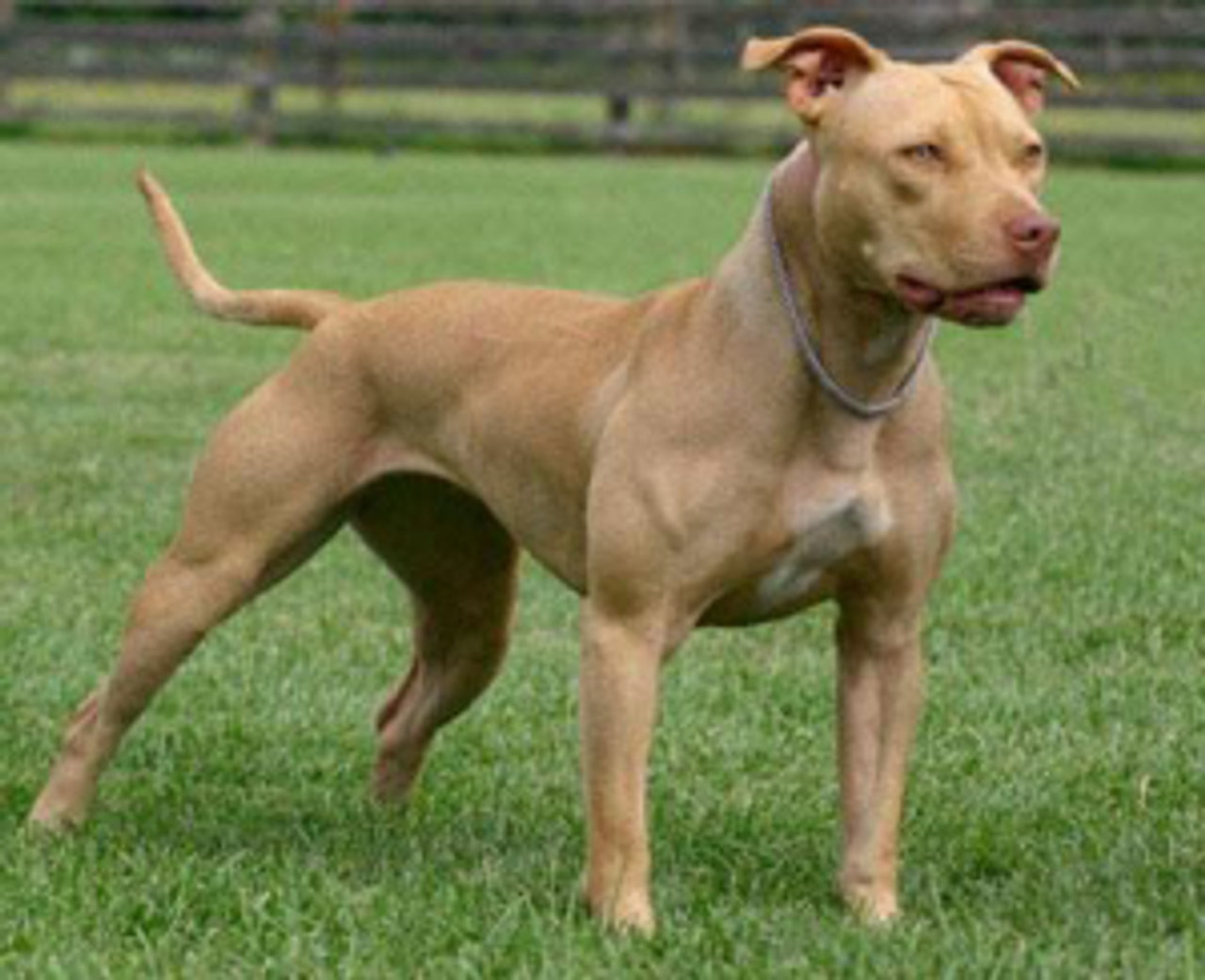
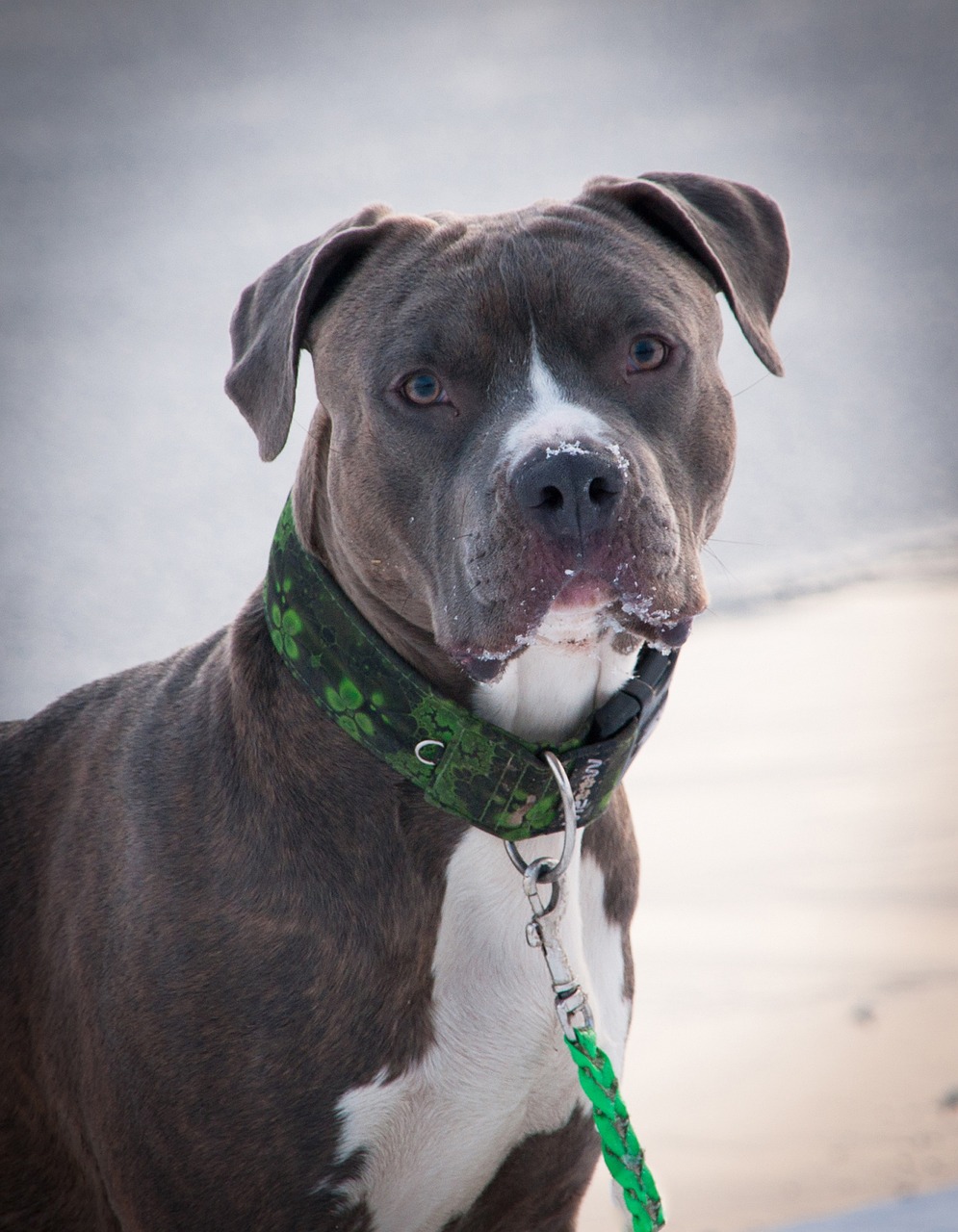
The ADBA breed standard calls for a medium-sized dog with a glossy, short, stiff coat, round to almond-shaped eyes, and a slightly thick tail tapering to a point. Merle coloring is explicitly excluded by both the ADBA and UKC, as it is not a naturally occurring pattern in the breed and typically indicates crossbreeding. The APBT stands 17 to 21 inches at the shoulder and weighs between 30 and 60 pounds depending on sex, making it noticeably larger than the English Staffordshire Bull Terrier by 6 to 8 inches and up to 35 pounds.
At a Glance
Quick Facts
- Breed Group:
- Terrier
- Bred For:
- Fighting
- Origin:
- United States
- Life Span:
- 10 - 15 years
- Weight:
- 30 - 60 lbs
- Height:
- 17 - 21 in
💰 American Pit Bull Terrier Cost Guide
Food · Vet · Grooming · Insurance · Full breakdown
Frequently Asked Questions
What is the temperament of a American Pit Bull Terrier?
American Pit Bull Terriers are known to be strong willed, stubborn, friendly, clownish, affectionate, loyal, obedient, intelligent, courageous. This combination of traits makes them excellent companions for families with children. Their temperament is influenced by both genetics and proper socialization from an early age.
How much exercise does a American Pit Bull Terrier need?
American Pit Bull Terriers are high-energy dogs requiring 60+ minutes of vigorous daily exercise and mental stimulation.
How often should I groom my American Pit Bull Terrier?
American Pit Bull Terriers require intensive grooming with daily brushing and regular professional grooming sessions.
How do I train a American Pit Bull Terrier?
American Pit Bull Terriers are highly trainable and typically respond well to positive reinforcement methods.
Are American Pit Bull Terriers good with children?
American Pit Bull Terriers are excellent with children. Their natural patience, gentle nature, and resilience make them outstanding family dogs. They typically form strong bonds with children and tend to be forgiving of the occasional accidental rough handling that can occur with younger kids. Remember that proper socialization and teaching children appropriate interaction with dogs are always important, regardless of breed.
What makes the American Pit Bull Terrier unique compared to other dog breeds?
The American Pit Bull Terrier stands out from other breeds due to its rich heritage from United States, specialized abilities for fighting. This unique combination of characteristics makes them special among dog breeds and appeals to owners who appreciate these distinct qualities. Understanding these traits helps provide appropriate care tailored to their specific needs.
What should I know before getting a American Pit Bull Terrier?
Before bringing a American Pit Bull Terrier into your home, potential owners should consider: They have high exercise requirements (4/5) and need an active owner. Their coat requires significant maintenance (4/5) with regular grooming sessions. They typically excel in family environments with children (4/5 child-friendliness). They're typically highly trainable (4/5) and eager to learn. They may be prone to breed-specific health issues including Hip Dysplasia, Skin Allergies, Hypothyroidism, Patellar Luxation, Heart Disease. Additionally, researching reputable breeders or rescue organizations is essential for finding a healthy, well-socialized American Pit Bull Terrier. Understanding these factors will help ensure a good match between the breed and your lifestyle, leading to a happy relationship for both you and your dog.
What were American Pit Bull Terriers originally bred for?
American Pit Bull Terriers were originally bred for fighting. As part of the Terrier group, they share characteristics with other breeds developed for similar purposes. Understanding your American Pit Bull Terrier's breeding heritage helps explain many of their natural behaviors and instincts, which can be channeled appropriately through training and enrichment activities. Even though modern American Pit Bull Terriers are primarily companions, these inherent traits remain part of their genetic makeup.
How long do American Pit Bull Terriers typically live?
The average lifespan of a American Pit Bull Terrier is 10 - 15 years. With proper care including quality nutrition, regular veterinary check-ups, appropriate exercise, and preventative healthcare, some American Pit Bull Terriers may live beyond this range. Genetics, environment, and healthcare all play important roles in determining longevity.
Is the American Pit Bull Terrier recognized by the AKC?
No, the American Pit Bull Terrier is not recognized by the American Kennel Club. The AKC does not maintain a breed standard or registry for the APBT. In 1936, the AKC accepted a related breed under the separate name American Staffordshire Terrier, which shares ancestry with the APBT but has been developed as a distinct breed through a separate breeding program. The APBT is officially recognized by the United Kennel Club, which registered the breed in 1898, and by the American Dog Breeders Association, which has maintained its own registry since 1909.
Are American Pit Bull Terriers good with kids?
Historically, the American Pit Bull Terrier earned a reputation as a family companion precisely because of its affectionate, patient temperament with children — the informal 'nanny dog' label reflects this long-standing association. When properly socialized and raised in a stable home environment, APBTs are typically gentle, playful, and highly tolerant with children they know. That said, no dog of any breed should be left unsupervised with young children, and the APBT's size and exuberance mean it can unintentionally knock over small kids during play. Teaching children how to interact respectfully with dogs is equally important as socializing the dog itself.
What is breed-specific legislation and does it affect American Pit Bull Terriers?
Breed-specific legislation, commonly abbreviated as BSL, refers to laws that restrict or ban ownership of specific dog breeds or breed types based on physical appearance. The American Pit Bull Terrier is one of the most commonly targeted breeds under such laws. As of recent years, BSL affecting pit bull-type dogs is active in hundreds of U.S. municipalities, as well as in 12 European countries, Australia, Canada, Malaysia, New Zealand, and several other nations. Renters are particularly affected, as many landlords and HOAs prohibit the breed independently of local law. Prospective APBT owners should verify both their municipal codes and their housing agreements before acquiring a dog.
Do American Pit Bull Terriers get along with other dogs?
This is one of the most important questions prospective owners should consider honestly. The APBT carries a genetic predisposition toward dog-directed aggression that is independent of how the dog was raised. While many APBTs coexist peacefully with other dogs — especially when raised together from puppyhood — dog-to-dog reactivity can emerge between one and three years of age as the dog reaches social maturity, particularly in intact males. This is a recognized breed characteristic, not evidence of abuse or poor socialization. Responsible ownership means managing multi-dog households carefully, supervising interactions, and being prepared to separate dogs when needed. The breed's history of dog aggression has no bearing on its behavior toward people.
Additional Characteristics
Care Requirements
They are high-energy dogs that need significant daily exercise and mental stimulation.
They have high grooming needs requiring frequent brushing and regular professional grooming.
Highly trainable — quick to learn and eager to please
They are generally very good with children and tend to be patient and tolerant.
American Pit Bull Terrier
Complete Breed Guide
About the American Pit Bull Terrier
The American Pit Bull Terrier originated in the United States, developed from bulldog and terrier breeds for work in farms and as companion animals. They typically weigh between 30 to 60 pounds and stand 17 to 21 inches tall, featuring a muscular build and a short coat. Known for their strong-willed and affectionate temperament, they are often loyal and intelligent companions, making them suitable for various roles, including family pets and service dogs, provided they receive proper training and socialization.
American Pit Bull Terriers are known for being strong willed, stubborn, friendly, clownish, affectionate, and loyal, obedient, intelligent. As a high-energy breed, they are highly responsive to training and thrive with regular mental and physical activity. They are excellent with children of all ages and friendly with other dogs, making them a popular choice for families and experienced dog owners alike.
Caring for a American Pit Bull Terrier means committing to regular grooming (brushing several times a week), vigorous daily exercise, and consistent training from an early age. Their gentle, social nature makes them a wonderful addition to active families.
At a Glance
Quick Facts
- Breed Group:
- Terrier
- Bred For:
- Fighting
- Origin:
- United States
- Life Span:
- 10 - 15 years
- Weight:
- 30 - 60 lbs
- Height:
- 17 - 21 in
Temperament
Free American Pit Bull Terrier Health Guide
American Pit Bull Terriers can be prone to Hip Dysplasia and other conditions. Get our owner's health checklist and monthly vet tips — free.
- ✓American Pit Bull Terrier-specific health warning signs
- ✓Vet visit checklist & cost tracker
- ✓Monthly breed health newsletter
Finding similar breeds...
How We Find Similar Breeds
We analyze breed characteristics including temperament, size, appearance, and care needs to identify the most similar dog breeds. This helps you discover alternatives that might be a good match for your lifestyle and preferences.
Explore Related Breeds & Guides
Adopt a American Pit Bull Terrier
Filter to show only purebred American Pit Bull Terriers (excludes mixed breeds and crosses)
Find Dogs Near You
Enter your location to discover adoptable pets nearby
How to Adopt a American Pit Bull Terrier
Follow these steps to ensure a smooth and responsible adoption process. Remember that adopting a dog is a lifelong commitment.
Research the Breed
Learn everything you can about American Pit Bull Terriers, including their temperament, exercise needs, grooming requirements, and potential health issues.
Find Reputable Sources
Look for adoptable dogs through shelters, rescue organizations, or responsible breeders. Avoid puppy mills and online scams.
Apply for Adoption
Complete an adoption application with your chosen organization. Be prepared to provide references and possibly go through a home visit.
Meet Your Potential Pet
Schedule a meeting with the dog to assess compatibility with you, your family, and any existing pets.
Prepare Your Home
Gather necessary supplies and dog-proof your home before bringing your new pet home.
1Essential Supplies
Food and water bowls, high-quality dog food, collar with ID tag, leash, bed, crate, toys, treats, grooming supplies, and cleaning products for accidents.
2Create a Safe Space
Designate an area where your dog can retreat when feeling overwhelmed. This could be a crate with comfortable bedding or a quiet corner with their bed.
3Remove Hazards
Secure or remove toxic plants, chemicals, small objects that could be swallowed, and foods that are harmful to dogs. Use baby gates if needed to restrict access to certain areas.
4Find a Veterinarian
Research and choose a veterinarian before bringing your dog home, and schedule an initial check-up shortly after adoption.
What is the dog's background and history?
Understanding a dog's past can help you anticipate potential behavior issues and provide appropriate support.
Has the dog been spayed/neutered and vaccinated?
This information is important for planning future veterinary care and understanding any immediate medical needs.
What is the dog's energy level and exercise needs?
American Pit Bull Terriers typically need regular exercise to stay healthy and happy. Ask about specific exercise requirements.
Has the dog been socialized with other animals and people?
This helps you understand how the dog might interact with your family, friends, and other pets.
Are there any known behavioral or health issues?
Knowing about existing issues helps you prepare for any special care or training needs.
Special Considerations for American Pit Bull Terriers
- American Pit Bull Terriers may have specific health concerns that require regular monitoring.
- Consider how the typical American Pit Bull Terrier temperament aligns with your lifestyle.
- Research the grooming needs of American Pit Bull Terriers to ensure you can commit to the required maintenance.
- Understand the exercise requirements of American Pit Bull Terriers to keep them healthy and prevent behavior problems.
- Learn about proper training methods that work well with American Pit Bull Terriers.
Product Recommendations for American Pit Bull Terriers
See all →Vet-reviewed picks for food, insurance, crates, brushes, treats, and toys — matched to this breed.
Compare American Pit Bull Terrier with Similar Breeds
See how the American Pit Bull Terrier stacks up against other breeds side by side.