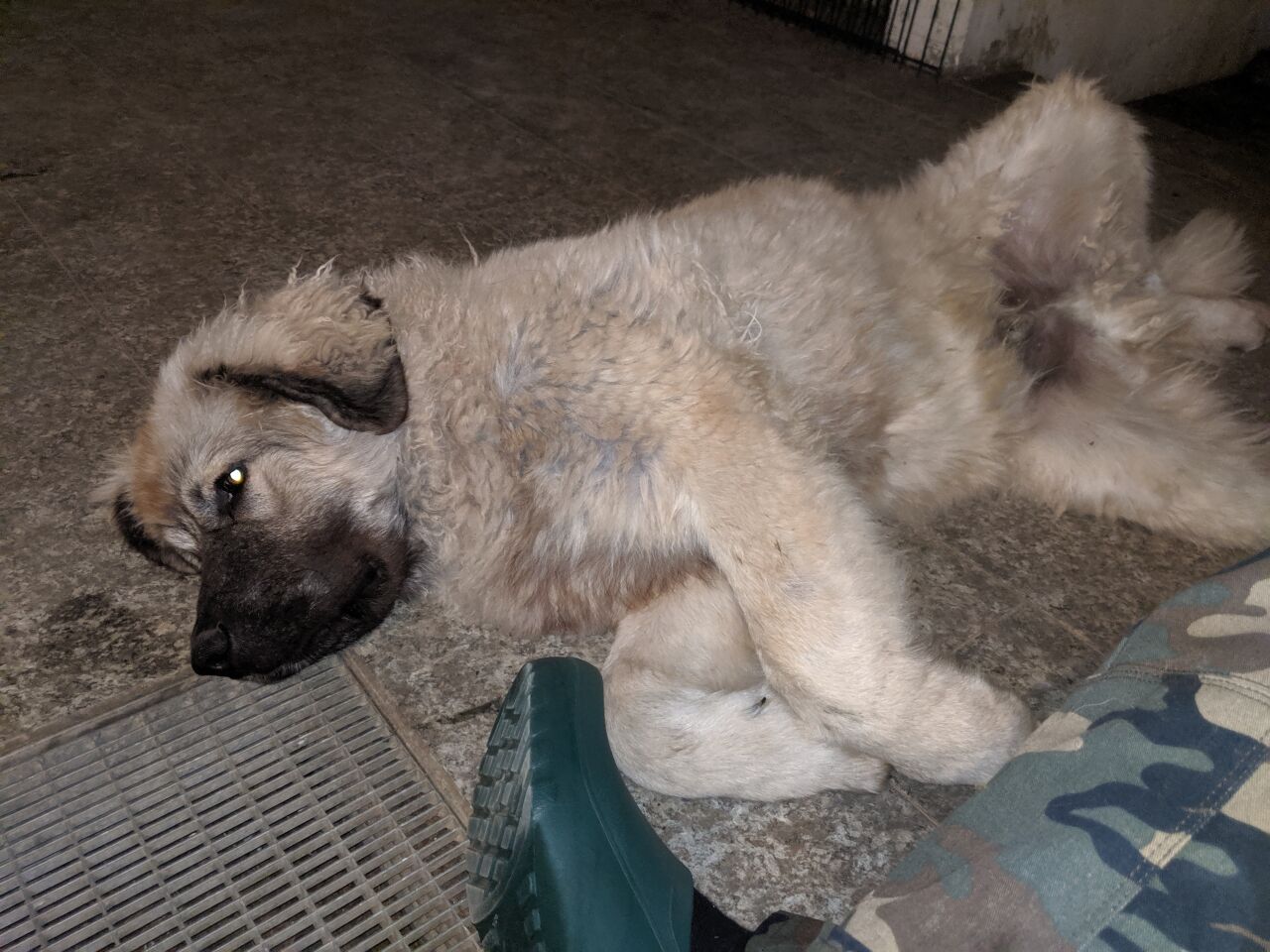
Anatolian Shepherd Dog
Temperament
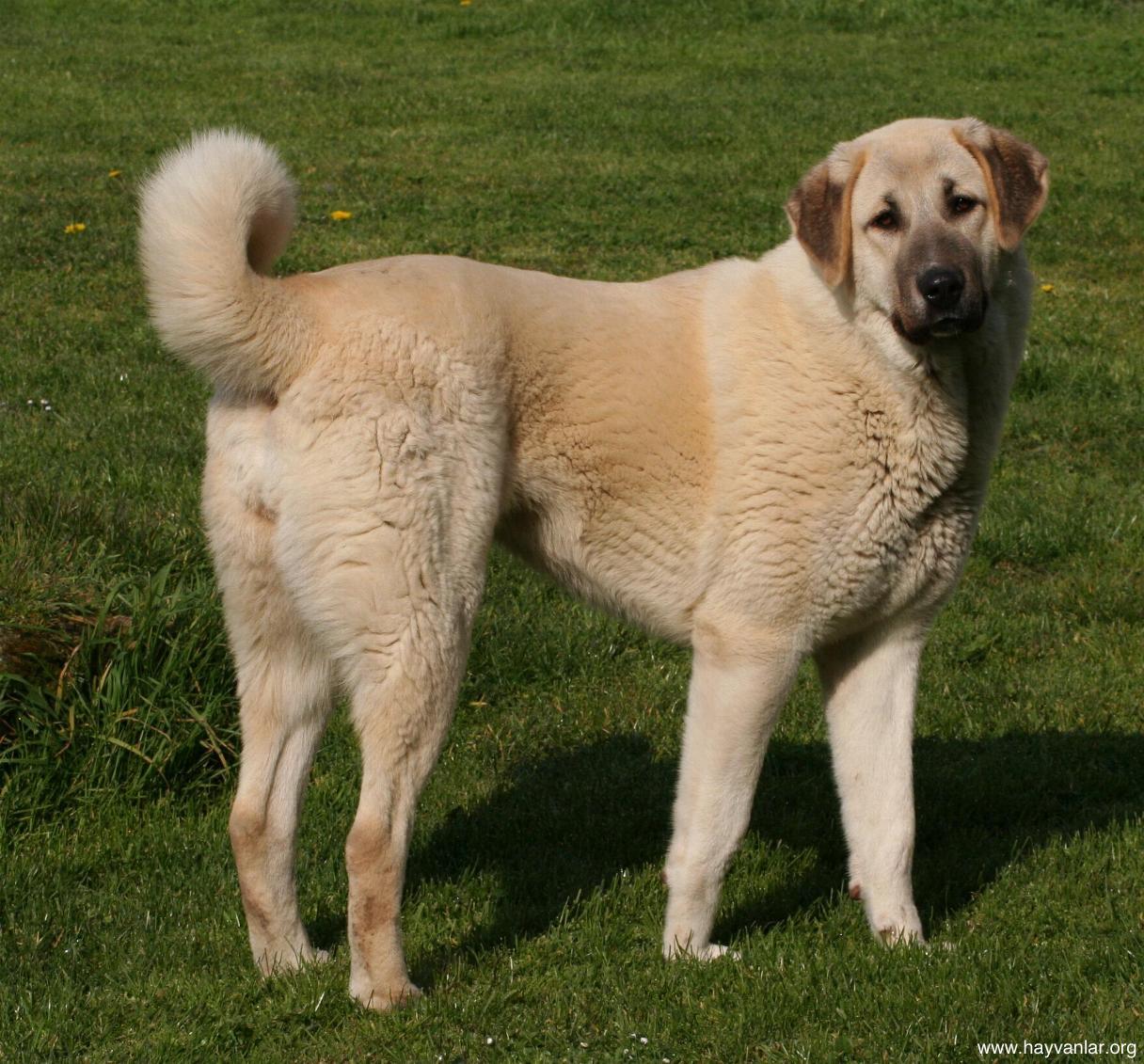
About the Anatolian Shepherd Dog
The Anatolian Shepherd Dog carries one of the longest working histories of any breed still functioning in its original role today. Archaeological and historical evidence traces livestock guardian dogs in the Anatolian plateau of central Turkey back roughly 6,000 years, with the breed's ancestors depicted in Assyrian art and referenced in ancient texts as dogs capable of confronting wolves and lions alongside their flocks. These dogs were developed not by a single breeder or kennel program but by centuries of functional selection pressure — Turkish shepherds kept dogs that worked, and culled or discarded those that didn't. The result is a breed shaped almost entirely by necessity rather than aesthetics.
The breed's introduction to the United States began in earnest through a U.S. Department of Agriculture program in the 1970s, when Anatolians were imported to evaluate their effectiveness as livestock guardians on American ranches facing predator pressure. The Cheetah Conservation Fund in Namibia later became one of the most prominent advocates for the breed's working value internationally, demonstrating in the 1990s and beyond that placing Anatolians with farming communities reduced retaliatory killings of cheetahs by protecting livestock more effectively than lethal predator control.
The Anatolian Shepherd Dog Club of America (ASDCA) was founded in 1970 and remains the AKC parent club for the breed. The AKC granted full recognition to the Anatolian Shepherd Dog in 1996, placing it in the Working Group. The breed currently ranks around 86th in AKC popularity — a number that reflects its niche as a working and rural dog rather than a mainstream pet.
One of the most persistent points of confusion surrounding this breed is its relationship to the Kangal Shepherd Dog. Turkey's cynological authority, the Köpek Irkları ve Kinoloji Federasyonu (KIF), has long maintained that the Kangal is a distinct regional breed originating specifically from Sivas Province. The FCI formally recognized the Kangal Shepherd Dog as a separate breed in 2018, listing it under its Turkish name. The AKC continues to recognize the Anatolian Shepherd Dog as its own breed, and the two registries remain at odds on the classification. In practical terms, many dogs registered as Anatolian Shepherds in the United States share lineage with Kangal-type dogs, but the AKC breed standard describes a broader type with more coat and color variation than the strictly defined Kangal. What distinguishes the Anatolian from related breeds like the Great Pyrenees or Kuvasz most clearly is its build — leaner, more agile, built for endurance across rough terrain rather than the heavier, fluffier profile of those Alpine guardian breeds.
At a Glance
Quick Facts
- Breed Group:
- Working
- Bred For:
- Livestock herding
- Origin:
- Turkey
- Life Span:
- 11 - 13 years
- Weight:
- 80 - 150 lbs
- Height:
- 27 - 29 in
💰 Anatolian Shepherd Dog Cost Guide
Food · Vet · Grooming · Insurance · Full breakdown
Frequently Asked Questions
What is the temperament of a Anatolian Shepherd Dog?
Anatolian Shepherd Dogs are known to be steady, bold, independent, confident, intelligent, proud. This combination of traits makes them highly trainable and suitable for various dog activities and sports. Their temperament is influenced by both genetics and proper socialization from an early age.
How much exercise does a Anatolian Shepherd Dog need?
Anatolian Shepherd Dogs have moderate energy levels and need 30-60 minutes of daily exercise including walks and playtime.
How often should I groom my Anatolian Shepherd Dog?
Anatolian Shepherd Dogs require intensive grooming with daily brushing and regular professional grooming sessions.
How do I train a Anatolian Shepherd Dog?
Anatolian Shepherd Dogs are highly trainable and typically respond well to positive reinforcement methods.
Are Anatolian Shepherd Dogs good with children?
Anatolian Shepherd Dogs are excellent with children. Their natural patience, gentle nature, and resilience make them outstanding family dogs. They typically form strong bonds with children and tend to be forgiving of the occasional accidental rough handling that can occur with younger kids. Remember that proper socialization and teaching children appropriate interaction with dogs are always important, regardless of breed.
What makes the Anatolian Shepherd Dog unique compared to other dog breeds?
The Anatolian Shepherd Dog stands out from other breeds due to its impressive stature and presence, rich heritage from Turkey, specialized abilities for livestock herding. This unique combination of characteristics makes them special among dog breeds and appeals to owners who appreciate these distinct qualities. Understanding these traits helps provide appropriate care tailored to their specific needs.
What should I know before getting a Anatolian Shepherd Dog?
Before bringing a Anatolian Shepherd Dog into your home, potential owners should consider: Their coat requires significant maintenance (4/5) with regular grooming sessions. They typically excel in family environments with children (4/5 child-friendliness). They're typically highly trainable (4/5) and eager to learn. Their large size requires adequate living space. They may be prone to breed-specific health issues including Hip Dysplasia, Elbow Dysplasia, Hypothyroidism, Bloat (GDV), Entropion. Additionally, researching reputable breeders or rescue organizations is essential for finding a healthy, well-socialized Anatolian Shepherd Dog. Understanding these factors will help ensure a good match between the breed and your lifestyle, leading to a happy relationship for both you and your dog.
What were Anatolian Shepherd Dogs originally bred for?
Anatolian Shepherd Dogs were originally bred for livestock herding. This herding heritage explains their intelligence, focus, and sometimes tendency to herd family members, particularly children. As part of the Working group, they share characteristics with other breeds developed for similar purposes. Understanding your Anatolian Shepherd Dog's breeding heritage helps explain many of their natural behaviors and instincts, which can be channeled appropriately through training and enrichment activities. Even though modern Anatolian Shepherd Dogs are primarily companions, these inherent traits remain part of their genetic makeup.
How long do Anatolian Shepherd Dogs typically live?
The average lifespan of a Anatolian Shepherd Dog is 11 - 13 years. With proper care including quality nutrition, regular veterinary check-ups, appropriate exercise, and preventative healthcare, some Anatolian Shepherd Dogs may live beyond this range. Genetics, environment, and healthcare all play important roles in determining longevity.
Are Anatolian Shepherd Dogs good family pets?
Anatolian Shepherd Dogs can be devoted and calm with their own family, but they are not a typical family pet in the way most people think of that term. They are livestock guardian dogs with deeply ingrained territorial and protective instincts, and they tend to be reserved or outright suspicious of strangers and unfamiliar animals. With children they are raised alongside, they are generally patient and protective. With children they don't know, or in chaotic environments they haven't been socialized to, they can be assertive in ways that require careful management. They do best in homes with experienced dog owners, a securely fenced property, and a clear working or guarding role. Families expecting an easygoing, social, off-leash park dog will consistently struggle with this breed.
How much exercise does an Anatolian Shepherd Dog need?
Anatolian Shepherd Dogs have a moderate exercise requirement compared to high-drive herding or sporting breeds, but their needs are often misunderstood. In a working context, they are cathemeral — active in intervals across day and night as threats demand — and cover considerable ground patrolling a territory. In a home context, they need daily physical activity, ideally 30 to 60 minutes of structured exercise, plus access to a large, securely fenced outdoor space where they can move freely and patrol. They are not dogs suited for apartment living or small yards. Mental stimulation matters as much as physical exercise for this breed — a bored Anatolian with insufficient territory to manage will express that frustration through nuisance barking, digging, or attempting to escape in search of a boundary worth patrolling.
Is an Anatolian Shepherd the same as a Kangal?
The relationship between the Anatolian Shepherd Dog and the Kangal Shepherd Dog is genuinely contested between major registries, and the answer depends on which authority you ask. The FCI recognized the Kangal Shepherd Dog as a distinct breed in 2018, consistent with Turkey's position that the Kangal is a specific regional breed from Sivas Province, defined by strict type standards including a pale fawn to wolf-grey coat with a black mask and a specific body structure. The AKC continues to recognize the Anatolian Shepherd Dog as its own breed under a broader standard that accommodates more variation in coat color and type. Many dogs registered as Anatolians in the United States carry Kangal lineage, but the two registries are not aligned, and the classifications are not interchangeable. If you are acquiring a dog specifically represented as a purebred Kangal or a purebred Anatolian, understanding which registry standard the breeder is working to matters.
Do Anatolian Shepherd Dogs bark a lot?
Yes — barking is a functional behavior in this breed, not a training failure. Anatolian Shepherd Dogs were developed to deter predators through presence, size, and vocalization, and nocturnal barking is a core component of how they guard territory. A working Anatolian on a ranch will bark through much of the night, communicating its presence to potential threats and alerting to anything that enters or approaches the perimeter. In a residential setting, this instinct does not disappear. Anatolians kept as pets in suburban environments will bark at sounds, movement, and strangers with a regularity and volume that neighbors will notice. Consistent training can establish expectations around nuisance barking, but suppressing the behavior entirely is working against the breed's fundamental instincts. Prospective owners in densely populated neighborhoods or HOA-governed communities should weigh this carefully before acquiring one.
Additional Characteristics
Care Requirements
They have a moderate energy level and benefit from daily walks and play sessions.
They have high grooming needs requiring frequent brushing and regular professional grooming.
Highly trainable — quick to learn and eager to please
They are generally very good with children and tend to be patient and tolerant.
Anatolian Shepherd Dog
Complete Breed Guide
About the Anatolian Shepherd Dog
The Anatolian Shepherd Dog is a large, powerful breed that originated in Turkey, where it has been used for centuries as a livestock guardian. Males typically weigh between 110 to 150 pounds and stand 27 to 29 inches tall, featuring a strong, muscular build and a short, dense coat that can come in various colors. Known for their steady and independent temperament, these dogs are confident and intelligent, making them excellent protectors of livestock and property. Their life span ranges from 11 to 13 years, reflecting their robust health and adaptability.
Anatolian Shepherd Dogs are known for being steady, bold, independent, confident, intelligent, and proud. As a moderately energetic breed, they are highly responsive to training and thrive with regular mental and physical activity. They are excellent with children of all ages and friendly with other dogs, making them a popular choice for families and experienced dog owners alike.
Caring for a Anatolian Shepherd Dog means committing to regular grooming (brushing several times a week), regular daily walks, and positive-reinforcement training. Their gentle, social nature makes them a wonderful addition to active families.
At a Glance
Quick Facts
- Breed Group:
- Working
- Bred For:
- Livestock herding
- Origin:
- Turkey
- Life Span:
- 11 - 13 years
- Weight:
- 80 - 150 lbs
- Height:
- 27 - 29 in
Temperament
Free Anatolian Shepherd Dog Health Guide
Anatolian Shepherd Dogs can be prone to Hip Dysplasia and other conditions. Get our owner's health checklist and monthly vet tips — free.
- ✓Anatolian Shepherd Dog-specific health warning signs
- ✓Vet visit checklist & cost tracker
- ✓Monthly breed health newsletter
Finding similar breeds...
How We Find Similar Breeds
We analyze breed characteristics including temperament, size, appearance, and care needs to identify the most similar dog breeds. This helps you discover alternatives that might be a good match for your lifestyle and preferences.
Explore Related Breeds & Guides
Adopt a Anatolian Shepherd Dog
Filter to show only purebred Anatolian Shepherd Dogs (excludes mixed breeds and crosses)
Find Dogs Near You
Enter your location to discover adoptable pets nearby
How to Adopt a Anatolian Shepherd Dog
Follow these steps to ensure a smooth and responsible adoption process. Remember that adopting a dog is a lifelong commitment.
Research the Breed
Learn everything you can about Anatolian Shepherd Dogs, including their temperament, exercise needs, grooming requirements, and potential health issues.
Find Reputable Sources
Look for adoptable dogs through shelters, rescue organizations, or responsible breeders. Avoid puppy mills and online scams.
Apply for Adoption
Complete an adoption application with your chosen organization. Be prepared to provide references and possibly go through a home visit.
Meet Your Potential Pet
Schedule a meeting with the dog to assess compatibility with you, your family, and any existing pets.
Prepare Your Home
Gather necessary supplies and dog-proof your home before bringing your new pet home.
1Essential Supplies
Food and water bowls, high-quality dog food, collar with ID tag, leash, bed, crate, toys, treats, grooming supplies, and cleaning products for accidents.
2Create a Safe Space
Designate an area where your dog can retreat when feeling overwhelmed. This could be a crate with comfortable bedding or a quiet corner with their bed.
3Remove Hazards
Secure or remove toxic plants, chemicals, small objects that could be swallowed, and foods that are harmful to dogs. Use baby gates if needed to restrict access to certain areas.
4Find a Veterinarian
Research and choose a veterinarian before bringing your dog home, and schedule an initial check-up shortly after adoption.
What is the dog's background and history?
Understanding a dog's past can help you anticipate potential behavior issues and provide appropriate support.
Has the dog been spayed/neutered and vaccinated?
This information is important for planning future veterinary care and understanding any immediate medical needs.
What is the dog's energy level and exercise needs?
Anatolian Shepherd Dogs typically need regular exercise to stay healthy and happy. Ask about specific exercise requirements.
Has the dog been socialized with other animals and people?
This helps you understand how the dog might interact with your family, friends, and other pets.
Are there any known behavioral or health issues?
Knowing about existing issues helps you prepare for any special care or training needs.
Special Considerations for Anatolian Shepherd Dogs
- Anatolian Shepherd Dogs may have specific health concerns that require regular monitoring.
- Consider how the typical Anatolian Shepherd Dog temperament aligns with your lifestyle.
- Research the grooming needs of Anatolian Shepherd Dogs to ensure you can commit to the required maintenance.
- Understand the exercise requirements of Anatolian Shepherd Dogs to keep them healthy and prevent behavior problems.
- Learn about proper training methods that work well with Anatolian Shepherd Dogs.
Product Recommendations for Anatolian Shepherd Dogs
See all →Vet-reviewed picks for food, insurance, crates, brushes, treats, and toys — matched to this breed.
Compare Anatolian Shepherd Dog with Similar Breeds
See how the Anatolian Shepherd Dog stacks up against other breeds side by side.