

Australian Kelpie
Temperament
About the Australian Kelpie
The Australian Kelpie's story begins in the 1870s in the sheep country of New South Wales, where colonial pastoralists needed a dog capable of working vast, punishing terrain under relentless heat with minimal human direction. The breed is generally traced back to imported smooth-coated Collies from Scotland, though the precise genetic lineage has long been debated. The most celebrated early sire was a dog named Brutus, and a bitch named Jennie, whose 1872 litter produced a female pup purchased by a Queensland grazier named John Gleeson. He named her Kelpie — a word drawn from Scottish folklore referring to a shape-shifting water spirit — and she became the breed's namesake after winning the first Australian sheep dog trial at Forbes, New South Wales in 1872. Her progeny, particularly a dog called Coil, went on to establish much of the foundation stock for what we now recognize as the modern Kelpie.
By the early 20th century, the Kelpie had become indispensable to the Australian wool industry. Estimates from that era suggest that a single Kelpie could replace several human stockmen when mustering sheep across open rangeland, and the breed was exported to Argentina, the United States, and parts of Europe where their working capability earned them a reputation entirely apart from the show ring.
Today, the breed exists in two distinctly separate varieties that are increasingly treated as separate breeds in some countries. The Working Kelpie, maintained by organizations such as the Working Kelpie Council of Australia, is bred purely for mustering ability and herding instinct — conformation is irrelevant. The Show Kelpie, sometimes called the Bench Kelpie, is bred for appearance and competes in conformation events under standards set by groups like Dogs Australia. The two varieties have diverged significantly in both appearance and temperament over decades of separate selective breeding.
In the United States, the Australian Kelpie was formally recognized by the American Kennel Club in 2020, placed in the Herding Group. The AKC recognition applies to the conformation-type dog rather than the working strain, and the national breed club in the United States is the Australian Kelpie Club of America, which maintains the breed standard and promotes health testing. The Kelpie is often compared to the Australian Cattle Dog, another working breed developed on Australian stations, but the Kelpie is leaner, longer in the leg, and notably more independent in its working style — it is bred to think for itself across long distances rather than respond to constant handler direction.
At a Glance
Quick Facts
- Breed Group:
- Herding
- Bred For:
- Farm dog, Cattle herding
- Origin:
- Australia
- Life Span:
- 10 - 13 years
- Weight:
- 31 - 46 lbs
- Height:
- 17 - 20 in
💰 Australian Kelpie Cost Guide
Food · Vet · Grooming · Insurance · Full breakdown
Frequently Asked Questions
What is the temperament of a Australian Kelpie?
Australian Kelpies are known to be friendly, energetic, alert, loyal, intelligent, eager, affectionate, brave, playful, curious, quiet, shy. This combination of traits makes them excellent companions for families with children. Their temperament is influenced by both genetics and proper socialization from an early age.
How much exercise does a Australian Kelpie need?
Australian Kelpies are high-energy dogs requiring 60+ minutes of vigorous daily exercise and mental stimulation.
How often should I groom my Australian Kelpie?
Australian Kelpies need moderate grooming including brushing 2-3 times weekly and regular maintenance.
How do I train a Australian Kelpie?
Australian Kelpies are highly trainable and typically respond well to positive reinforcement methods.
Are Australian Kelpies good with children?
Australian Kelpies are excellent with children. Their natural patience, gentle nature, and resilience make them outstanding family dogs. They typically form strong bonds with children and tend to be forgiving of the occasional accidental rough handling that can occur with younger kids. Remember that proper socialization and teaching children appropriate interaction with dogs are always important, regardless of breed.
What makes the Australian Kelpie unique compared to other dog breeds?
The Australian Kelpie stands out from other breeds due to its rich heritage from Australia, specialized abilities for farm dog, cattle herding. This unique combination of characteristics makes them special among dog breeds and appeals to owners who appreciate these distinct qualities. Understanding these traits helps provide appropriate care tailored to their specific needs.
What should I know before getting a Australian Kelpie?
Before bringing a Australian Kelpie into your home, potential owners should consider: They have high exercise requirements (5/5) and need an active owner. They typically excel in family environments with children (5/5 child-friendliness). They're typically highly trainable (5/5) and eager to learn. They may be prone to breed-specific health issues including Progressive Retinal Atrophy, Hip Dysplasia, Patellar Luxation, Cerebellar Abiotrophy. Additionally, researching reputable breeders or rescue organizations is essential for finding a healthy, well-socialized Australian Kelpie. Understanding these factors will help ensure a good match between the breed and your lifestyle, leading to a happy relationship for both you and your dog.
What were Australian Kelpies originally bred for?
Australian Kelpies were originally bred for farm dog, cattle herding. This herding heritage explains their intelligence, focus, and sometimes tendency to herd family members, particularly children. As part of the Herding group, they share characteristics with other breeds developed for similar purposes. Understanding your Australian Kelpie's breeding heritage helps explain many of their natural behaviors and instincts, which can be channeled appropriately through training and enrichment activities. Even though modern Australian Kelpies are primarily companions, these inherent traits remain part of their genetic makeup.
How long do Australian Kelpies typically live?
The average lifespan of a Australian Kelpie is 10 - 13 years. With proper care including quality nutrition, regular veterinary check-ups, appropriate exercise, and preventative healthcare, some Australian Kelpies may live beyond this range. Genetics, environment, and healthcare all play important roles in determining longevity.
Can an Australian Kelpie be a good family pet without a farm?
Yes, but it requires genuine commitment. A Kelpie without livestock can thrive in a suburban or rural home if it receives at minimum 60 to 90 minutes of vigorous physical exercise daily along with structured mental stimulation. Agility, flyball, herding trials, and obedience competition are all legitimate outlets for the breed's working drive. The difficulty is that many people underestimate what this actually looks like day to day — a quick walk around the block does not meet a Kelpie's needs. Families with children should also be prepared to manage the breed's instinct to herd, which expresses as nipping at heels and body-blocking. This behavior requires early training intervention, not just management. Without sufficient activity and engagement, Kelpies in pet homes develop destructive behaviors including excessive barking, digging, and chewing that are difficult to resolve without addressing the underlying deficit.
How much exercise does an Australian Kelpie need every day?
An adult Australian Kelpie in a pet home needs a minimum of one to two hours of active, purposeful exercise per day — and the emphasis is on active. Leashed walks contribute to this but should not be the primary exercise source. Off-leash running, retrieving, swimming, or structured dog sports provide the kind of full-body exertion and mental engagement the breed requires. Working Kelpies on stations in Australia routinely cover 40 to 60 kilometers per day, and while a pet Kelpie does not need to match that output, the breed is physiologically built for endurance. Puppies under 12 months should have exercise limited to prevent joint stress during growth, with free play and shorter structured sessions preferred over forced running. Senior Kelpies, despite their athleticism, often remain active into their late years and typically self-regulate their intensity.
Do Australian Kelpies shed a lot?
Australian Kelpies shed moderately year-round and more heavily during their twice-yearly seasonal coat blows, typically in spring and fall. The breed carries a double coat — a short, hard, weather-resistant outer coat and a dense undercoat — and during heavy shedding periods owners should expect significant loose hair on furniture, clothing, and floors. Weekly brushing with a slicker brush or undercoat rake during normal periods, increasing to daily brushing during heavy shedding, manages the coat without professional grooming. The Kelpie does not require trimming, clipping, or professional styling in the way that sporting or terrier breeds do, which makes grooming costs low. Bathing a few times per year or when the dog is noticeably dirty is typically sufficient. The coat is relatively self-cleaning and not prone to matting.
Are Australian Kelpies good with other dogs?
Australian Kelpies are generally not aggressive toward other dogs, but their social style can be intense and is frequently misread by dogs without a similar working-breed temperament. Kelpies tend to be relentlessly active, eye-heavy, and given to controlling the movements of other animals — behaviors that stem directly from herding instinct rather than social aggression. A Kelpie sharing a home with a more placid or lower-energy breed may stress that dog significantly through constant attempts to move, chase, or manage it. Kelpies typically do best with other high-energy breeds that can match their play intensity and tolerate their persistent engagement. Early and consistent socialization is important, but a well-socialized Kelpie may still prove incompatible with a dog that prefers minimal interaction or cannot signal discomfort effectively. Multi-dog households should be monitored for resource guarding, which can develop over time.
Additional Characteristics
Care Requirements
They are extremely energetic dogs requiring extensive daily exercise, activities, and mental stimulation.
They need moderate grooming, including regular brushing and occasional professional care.
Highly trainable — quick to learn and eager to please
They are excellent with children and often form strong bonds with them.
Australian Kelpie
Complete Breed Guide
About the Australian Kelpie
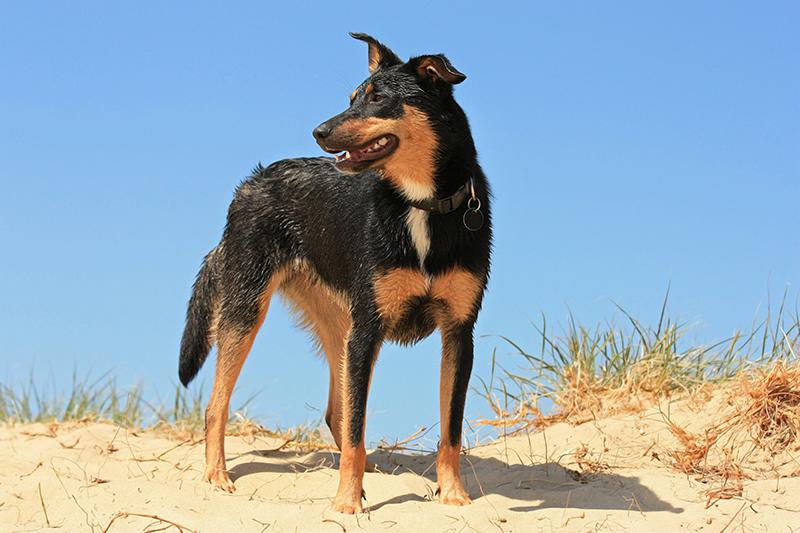
The Australian Kelpie is a highly skilled herding dog that originated in Australia in the late 19th century, developed for herding livestock on large ranches. This breed typically weighs between 31 to 46 pounds and stands 17 to 20 inches tall, featuring a sleek, athletic build with a short coat that can come in various colors. Known for their intelligence and high energy, Kelpies excel in working roles and are often used in sheep herding, agility, and obedience competitions, making them both loyal companions and effective working dogs.
Australian Kelpies are known for being friendly, energetic, alert, loyal, intelligent, and eager, affectionate, brave. As a high-energy breed, they are highly responsive to training and thrive with regular mental and physical activity. They are excellent with children of all ages and friendly with other dogs, making them a popular choice for families and experienced dog owners alike.
Caring for a Australian Kelpie means committing to moderate grooming every week or two, intense daily exercise, and firm, consistent training. Their gentle, social nature makes them a wonderful addition to active families.
At a Glance
Quick Facts
- Breed Group:
- Herding
- Bred For:
- Farm dog, Cattle herding
- Origin:
- Australia
- Life Span:
- 10 - 13 years
- Weight:
- 31 - 46 lbs
- Height:
- 17 - 20 in
Temperament
Free Australian Kelpie Health Guide
Australian Kelpies can be prone to Progressive Retinal Atrophy and other conditions. Get our owner's health checklist and monthly vet tips — free.
- ✓Australian Kelpie-specific health warning signs
- ✓Vet visit checklist & cost tracker
- ✓Monthly breed health newsletter
Finding similar breeds...
How We Find Similar Breeds
We analyze breed characteristics including temperament, size, appearance, and care needs to identify the most similar dog breeds. This helps you discover alternatives that might be a good match for your lifestyle and preferences.
Explore Related Breeds & Guides
Adopt a Australian Kelpie
Filter to show only purebred Australian Kelpies (excludes mixed breeds and crosses)
Find Dogs Near You
Enter your location to discover adoptable pets nearby
How to Adopt a Australian Kelpie
Follow these steps to ensure a smooth and responsible adoption process. Remember that adopting a dog is a lifelong commitment.
Research the Breed
Learn everything you can about Australian Kelpies, including their temperament, exercise needs, grooming requirements, and potential health issues.
Find Reputable Sources
Look for adoptable dogs through shelters, rescue organizations, or responsible breeders. Avoid puppy mills and online scams.
Apply for Adoption
Complete an adoption application with your chosen organization. Be prepared to provide references and possibly go through a home visit.
Meet Your Potential Pet
Schedule a meeting with the dog to assess compatibility with you, your family, and any existing pets.
Prepare Your Home
Gather necessary supplies and dog-proof your home before bringing your new pet home.
1Essential Supplies
Food and water bowls, high-quality dog food, collar with ID tag, leash, bed, crate, toys, treats, grooming supplies, and cleaning products for accidents.
2Create a Safe Space
Designate an area where your dog can retreat when feeling overwhelmed. This could be a crate with comfortable bedding or a quiet corner with their bed.
3Remove Hazards
Secure or remove toxic plants, chemicals, small objects that could be swallowed, and foods that are harmful to dogs. Use baby gates if needed to restrict access to certain areas.
4Find a Veterinarian
Research and choose a veterinarian before bringing your dog home, and schedule an initial check-up shortly after adoption.
What is the dog's background and history?
Understanding a dog's past can help you anticipate potential behavior issues and provide appropriate support.
Has the dog been spayed/neutered and vaccinated?
This information is important for planning future veterinary care and understanding any immediate medical needs.
What is the dog's energy level and exercise needs?
Australian Kelpies typically need regular exercise to stay healthy and happy. Ask about specific exercise requirements.
Has the dog been socialized with other animals and people?
This helps you understand how the dog might interact with your family, friends, and other pets.
Are there any known behavioral or health issues?
Knowing about existing issues helps you prepare for any special care or training needs.
Special Considerations for Australian Kelpies
- Australian Kelpies may have specific health concerns that require regular monitoring.
- Consider how the typical Australian Kelpie temperament aligns with your lifestyle.
- Research the grooming needs of Australian Kelpies to ensure you can commit to the required maintenance.
- Understand the exercise requirements of Australian Kelpies to keep them healthy and prevent behavior problems.
- Learn about proper training methods that work well with Australian Kelpies.
Product Recommendations for Australian Kelpies
See all →Vet-reviewed picks for food, insurance, crates, brushes, treats, and toys — matched to this breed.
Compare Australian Kelpie with Similar Breeds
See how the Australian Kelpie stacks up against other breeds side by side.