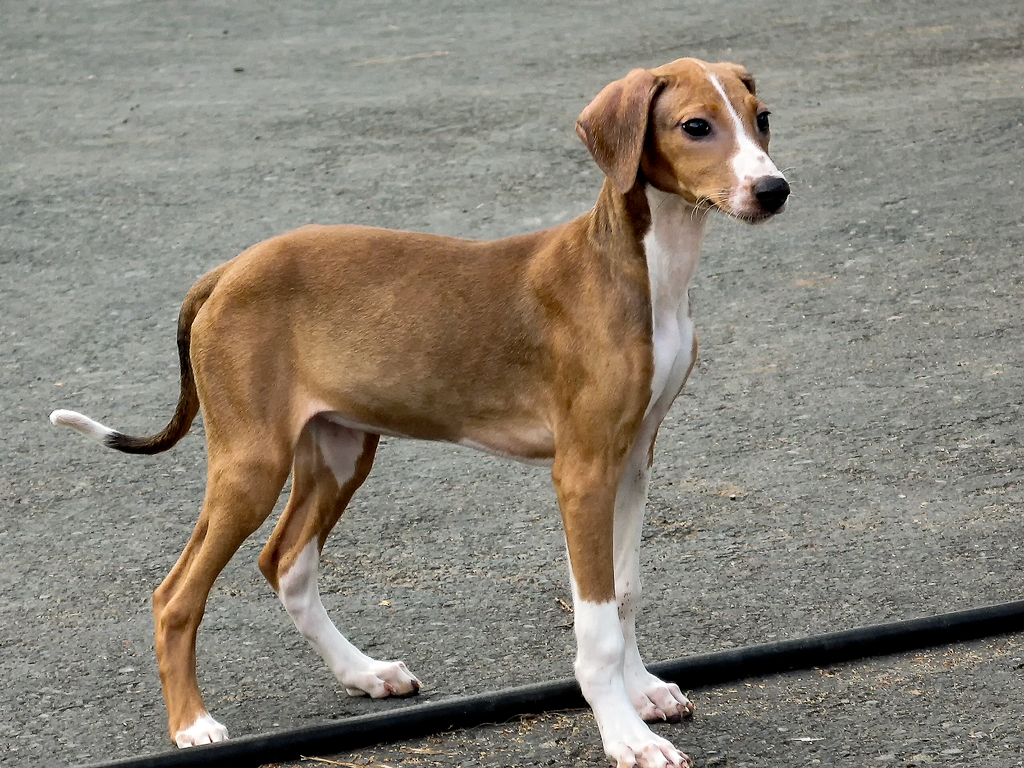
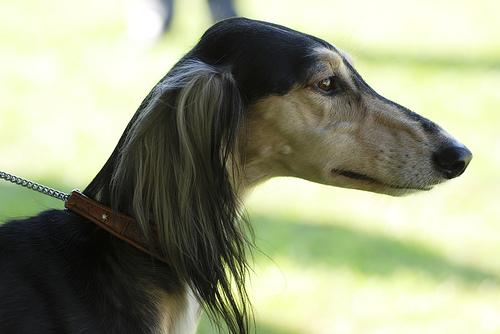
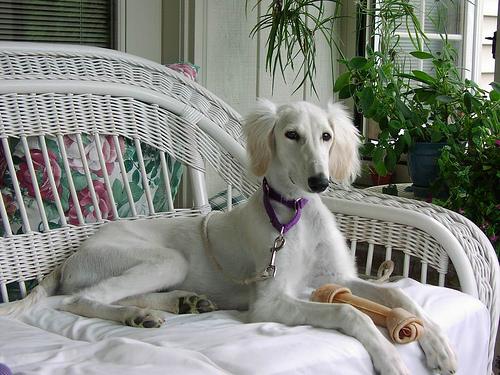
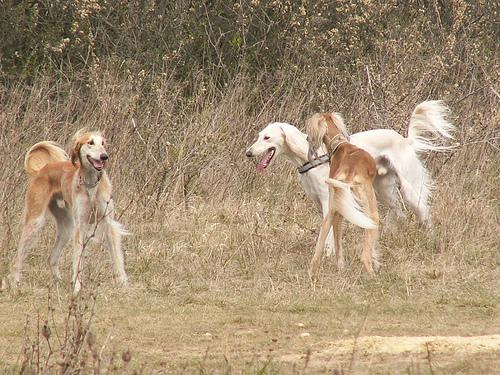
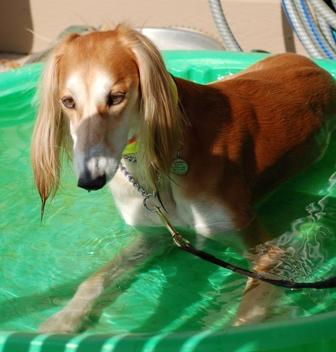
Azawakh
Temperament
About the Azawakh
The Azawakh is one of the oldest sighthound breeds in existence, developed over thousands of years across the Sahelian zone of West Africa — a vast, arid belt spanning modern-day Mali, Niger, and Burkina Faso. The breed takes its name from the Azawagh Valley, a semi-arid basin that stretches across Niger and Mali and served as the geographic cradle of the breed's development. Though most commonly associated with the nomadic Tuareg people, who relied on these dogs as hunting partners and camp guardians, the Azawakh was also bred and kept by the Peulh, Bella, and Hausa peoples — a fact that's often overlooked in Western breed literature that tends to romanticize a single cultural origin.
No written records document the breed's earliest development, which is typical of dogs that evolved within oral-tradition cultures. What is known is that these dogs were not simply pets — they slept inside tents with their owners, were rarely sold to outsiders, and occasionally served as currency or dowry items. The first Azawakhs to arrive in Europe came to Yugoslavia in 1970, brought by Dr. Pecar, a Yugoslav diplomat who had been stationed in Mali. From Yugoslavia, the breed spread into France and Germany, where the earliest European breeding programs were established. The breed was recognized by the Fédération Cynologique Internationale (FCI) in 1981 under Standard No. 307.
In the United States, the American Azawakh Association (AAA) serves as the primary breed club and works to preserve breed integrity while educating the public about the Azawakh's unique cultural and functional history. The AKC fully recognized the Azawakh in January 2019, placing it in the Hound Group — a milestone that took decades of advocacy and careful documentation by American fanciers who had been importing and breeding these dogs since the 1980s.
Genetically, the Azawakh is more closely related to the Sloughi — the North African sighthound — than it is to the Saluki, despite superficial similarities to both. This distinction matters: the Sloughi and Azawakh share a lineage rooted in sub-Saharan and North African pastoral cultures, while the Saluki's origins trace to the Middle East. The Azawakh is immediately distinguishable by its extreme lean musculature — bones, muscles, and veins are visible beneath the skin, which is not a sign of malnutrition but rather a hallmark of the breed's standard. This visual transparency of anatomy, combined with a deep chest, long legs, and a tucked-up abdomen, gives the Azawakh a silhouette unlike any other AKC-recognized breed.
At a Glance
Quick Facts
- Breed Group:
- Hound
- Bred For:
- Livestock guardian, hunting
- Origin:
- Mali
- Life Span:
- 10 - 13 years
- Weight:
- 33 - 55 lbs
- Height:
- 23 - 29 in
💰 Azawakh Cost Guide
Food · Vet · Grooming · Insurance · Full breakdown
Frequently Asked Questions
What is the temperament of a Azawakh?
Azawakhs are known to be aloof, affectionate, attentive, fierce, refined. This combination of traits makes them wonderful companions for most households. Their temperament is influenced by both genetics and proper socialization from an early age.
How much exercise does a Azawakh need?
Azawakhs are high-energy dogs requiring 60+ minutes of vigorous daily exercise and mental stimulation.
How often should I groom my Azawakh?
Azawakhs require minimal grooming with weekly brushing and occasional baths.
How do I train a Azawakh?
Azawakhs are highly trainable and typically respond well to positive reinforcement methods.
Are Azawakhs good with children?
Azawakhs are generally not recommended with children. They generally prefer calm, predictable environments and may become stressed by the unpredictable movements and loud sounds typical of young children. Households with older, respectful children may be more suitable. Remember that proper socialization and teaching children appropriate interaction with dogs are always important, regardless of breed.
What makes the Azawakh unique compared to other dog breeds?
The Azawakh stands out from other breeds due to its impressive stature and presence, rich heritage from Mali, exceptional hunting abilities. This unique combination of characteristics makes them special among dog breeds and appeals to owners who appreciate these distinct qualities. Understanding these traits helps provide appropriate care tailored to their specific needs.
What should I know before getting a Azawakh?
Before bringing a Azawakh into your home, potential owners should consider: They have high exercise requirements (5/5) and need an active owner. Their coat is relatively low-maintenance (2/5). They may not be ideal for families with young children (2/5 child-friendliness). They're typically highly trainable (4/5) and eager to learn. They may be prone to breed-specific health issues including Epilepsy, Bloat (GDV), Hip Dysplasia, Cardiac Issues, Wobbler Syndrome. Additionally, researching reputable breeders or rescue organizations is essential for finding a healthy, well-socialized Azawakh. Understanding these factors will help ensure a good match between the breed and your lifestyle, leading to a happy relationship for both you and your dog.
What were Azawakhs originally bred for?
Azawakhs were originally bred for livestock guardian, hunting. This hunting background explains their natural prey drive, scenting abilities, and often high energy levels. As part of the Hound group, they share characteristics with other breeds developed for similar purposes. Understanding your Azawakh's breeding heritage helps explain many of their natural behaviors and instincts, which can be channeled appropriately through training and enrichment activities. Even though modern Azawakhs are primarily companions, these inherent traits remain part of their genetic makeup.
How long do Azawakhs typically live?
The average lifespan of a Azawakh is 10 - 13 years. With proper care including quality nutrition, regular veterinary check-ups, appropriate exercise, and preventative healthcare, some Azawakhs may live beyond this range. Genetics, environment, and healthcare all play important roles in determining longevity.
Are Azawakh dogs good family pets?
The Azawakh can be a devoted family companion, but it is not a universally easy family dog. It forms intense bonds with its own household members — including children it has been raised with — but it is naturally aloof and sometimes standoffish with strangers, including children it does not know. Homes with very young children who may approach the dog unpredictably can be challenging fits, particularly for an unsocialized or newly adopted adult. Families with older, dog-savvy children and active lifestyles tend to be the best match. This is not a breed that happily tolerates chaotic households or rough handling.
How fast can an Azawakh run?
The Azawakh is a genuine high-speed sighthound capable of reaching approximately 37 to 40 miles per hour at full sprint. While this is slightly below the Greyhound's record speed of around 45 mph, the Azawakh is built for more than just straight-line speed — its long legs, flexible spine, and double-suspension gallop allow it to change direction at speed and navigate uneven terrain effectively, which reflects its origins hunting in the rocky, semi-arid Sahel. This speed is exactly why secure, six-foot fencing is non-negotiable for the breed.
Do Azawakh dogs do well in cold weather?
No — the Azawakh is genuinely cold-intolerant and this is not overstated. The breed evolved in the Sahel, one of the hottest regions on earth, and carries virtually no body fat as insulation. In cold weather, Azawakhs lose body heat rapidly and can become dangerously chilled. Owners in northern climates routinely use dog coats and sweaters for outdoor winter walks, and these dogs should never be left outside in cold temperatures. Even indoors, Azawakhs tend to seek warm surfaces and will press themselves against radiators, sunny windows, or their owners for warmth.
Is the Azawakh rare in the United States?
Yes, the Azawakh is one of the rarest AKC-recognized breeds in the United States. As of recent AKC registration rankings, it sits at 192nd out of 205 recognized breeds. The global population of Azawakhs outside their West African homeland is small, and responsible breeders in the US number only in the dozens. This rarity means that wait lists for puppies from health-tested breeders can be one to two years long, and anyone offering Azawakh puppies without a wait list or health documentation should be approached with significant caution.
Additional Characteristics
Care Requirements
They are extremely energetic dogs requiring extensive daily exercise, activities, and mental stimulation.
They need regular but basic grooming such as weekly brushing.
Highly trainable — quick to learn and eager to please
They can be suitable with older, respectful children but may not be ideal for young children.
Azawakh
Complete Breed Guide
About the Azawakh
The Azawakh is a sighthound breed originating from Mali, traditionally used by nomadic tribes for hunting and guarding livestock. Standing between 23 to 29 inches tall and weighing 33 to 55 pounds, they are characterized by their slender build, long legs, and short coat, which can come in various colors. Known for their aloof yet affectionate temperament, Azawakh dogs are attentive and fiercely loyal, making them both devoted companions and effective guardians.
Azawakhs are known for being aloof, affectionate, attentive, fierce, refined. As a high-energy breed, they are highly responsive to training and thrive with regular mental and physical activity. They are better suited to households without young children and friendly with other dogs, making them a popular choice for families and experienced dog owners alike.
Caring for a Azawakh means committing to minimal grooming — a quick brush once a week is usually enough, intense daily exercise, and firm, consistent training. They do best in structured environments with experienced dog owners.
At a Glance
Quick Facts
- Breed Group:
- Hound
- Bred For:
- Livestock guardian, hunting
- Origin:
- Mali
- Life Span:
- 10 - 13 years
- Weight:
- 33 - 55 lbs
- Height:
- 23 - 29 in
Temperament
Free Azawakh Health Guide
Azawakhs can be prone to Epilepsy and other conditions. Get our owner's health checklist and monthly vet tips — free.
- ✓Azawakh-specific health warning signs
- ✓Vet visit checklist & cost tracker
- ✓Monthly breed health newsletter
Finding similar breeds...
How We Find Similar Breeds
We analyze breed characteristics including temperament, size, appearance, and care needs to identify the most similar dog breeds. This helps you discover alternatives that might be a good match for your lifestyle and preferences.
Adopt a Azawakh
Filter to show only purebred Azawakhs (excludes mixed breeds and crosses)
Find Dogs Near You
Enter your location to discover adoptable pets nearby
How to Adopt a Azawakh
Follow these steps to ensure a smooth and responsible adoption process. Remember that adopting a dog is a lifelong commitment.
Research the Breed
Learn everything you can about Azawakhs, including their temperament, exercise needs, grooming requirements, and potential health issues.
Find Reputable Sources
Look for adoptable dogs through shelters, rescue organizations, or responsible breeders. Avoid puppy mills and online scams.
Apply for Adoption
Complete an adoption application with your chosen organization. Be prepared to provide references and possibly go through a home visit.
Meet Your Potential Pet
Schedule a meeting with the dog to assess compatibility with you, your family, and any existing pets.
Prepare Your Home
Gather necessary supplies and dog-proof your home before bringing your new pet home.
1Essential Supplies
Food and water bowls, high-quality dog food, collar with ID tag, leash, bed, crate, toys, treats, grooming supplies, and cleaning products for accidents.
2Create a Safe Space
Designate an area where your dog can retreat when feeling overwhelmed. This could be a crate with comfortable bedding or a quiet corner with their bed.
3Remove Hazards
Secure or remove toxic plants, chemicals, small objects that could be swallowed, and foods that are harmful to dogs. Use baby gates if needed to restrict access to certain areas.
4Find a Veterinarian
Research and choose a veterinarian before bringing your dog home, and schedule an initial check-up shortly after adoption.
What is the dog's background and history?
Understanding a dog's past can help you anticipate potential behavior issues and provide appropriate support.
Has the dog been spayed/neutered and vaccinated?
This information is important for planning future veterinary care and understanding any immediate medical needs.
What is the dog's energy level and exercise needs?
Azawakhs typically need regular exercise to stay healthy and happy. Ask about specific exercise requirements.
Has the dog been socialized with other animals and people?
This helps you understand how the dog might interact with your family, friends, and other pets.
Are there any known behavioral or health issues?
Knowing about existing issues helps you prepare for any special care or training needs.
Special Considerations for Azawakhs
- Azawakhs may have specific health concerns that require regular monitoring.
- Consider how the typical Azawakh temperament aligns with your lifestyle.
- Research the grooming needs of Azawakhs to ensure you can commit to the required maintenance.
- Understand the exercise requirements of Azawakhs to keep them healthy and prevent behavior problems.
- Learn about proper training methods that work well with Azawakhs.
Product Recommendations for Azawakhs
See all →Vet-reviewed picks for food, insurance, crates, brushes, treats, and toys — matched to this breed.
Compare Azawakh with Similar Breeds
See how the Azawakh stacks up against other breeds side by side.