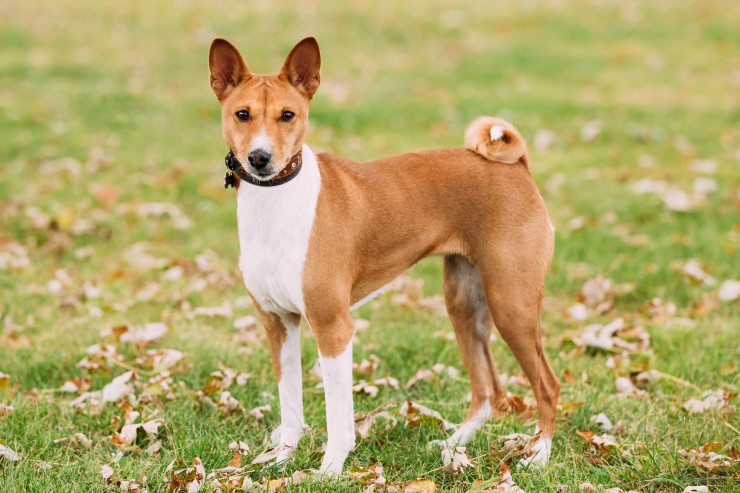
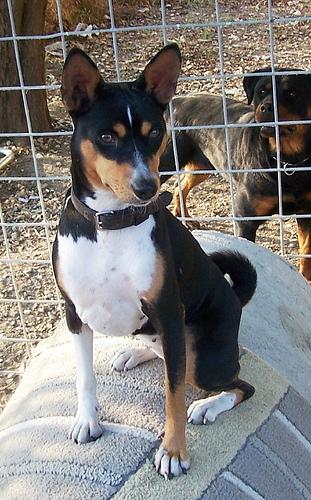
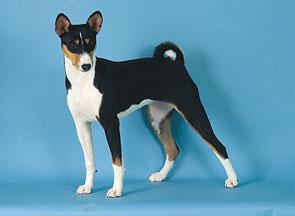
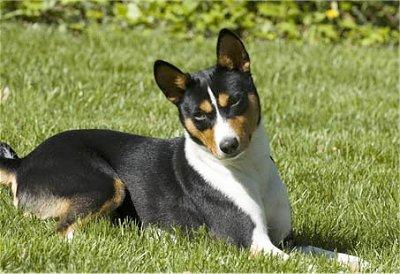
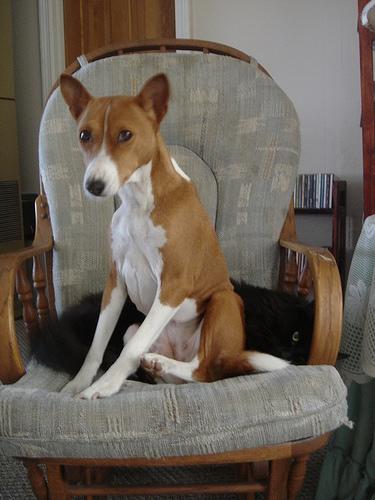
Basenji
Temperament
About the Basenji
The Basenji is one of the oldest domesticated dog breeds on earth, with origins tracing back to Central Africa — specifically the Congo Basin and surrounding equatorial regions. Cave paintings discovered in Libya, dated by paleontologists to between 6000 BCE and 100 CE, depict dogs unmistakably similar in form to the modern Basenji hunting alongside humans. In their native region, these dogs were used to flush small game into nets, a role they fulfilled without formal breeding programs, shaped instead by thousands of years of natural selection in a demanding environment. Egyptian artifacts also depict Basenji-type dogs, and historical accounts suggest they were presented as gifts to pharaohs, cementing their early status as something far more than a working dog.
The breed's introduction to Western cynology came relatively recently. English explorers brought Basenjis to Europe in the late 19th century, though early attempts to establish the breed outside Africa largely failed due to distemper outbreaks. It wasn't until 1937 that a breeding pair — brought to England by Olivia Burn — successfully produced a litter that survived. The American Kennel Club officially recognized the Basenji in 1943, placing it in the Hound Group. The Basenji Club of America, founded in 1942, remains the AKC parent club and is the primary organization governing breed standards and health initiatives in the United States. The Fédération Cynologique Internationale, notably, classifies the Basenji differently — placing it in Group 5 among Spitz and primitive types — a distinction that reflects ongoing debate about the breed's taxonomic relationship to ancient dog lineages.
What makes the Basenji genuinely distinct from related primitive breeds is a cluster of biological traits that set it apart even within the broader category of ancient dogs. The breed does not bark in the conventional sense; its uniquely shaped larynx produces a sound more accurately described as a yodel or chortle — a trait it shares with the New Guinea Singing Dog. Unlike virtually all other domestic dog breeds, female Basenjis cycle into estrus only once per year, a reproductive pattern shared with wild canids and a handful of other primitive breeds like the Tibetan Mastiff. The Basenji also lacks the characteristic "dog odor" produced by most breeds, and is known to self-groom in a manner strikingly similar to cats. These are not coincidental quirks — they are windows into a lineage that diverged from the main trunk of domestic dog development very early, shaped by a radically different selection environment than European and Asian breeds.
At a Glance
Quick Facts
- Breed Group:
- Hound
- Bred For:
- Hunting
- Origin:
- Democratic Republic of the Congo
- Life Span:
- 10 - 12 years
- Weight:
- 22 - 24 lbs
- Height:
- 16 - 17 in
💰 Basenji Cost Guide
Food · Vet · Grooming · Insurance · Full breakdown
Frequently Asked Questions
What is the temperament of a Basenji?
Basenjis are known to be affectionate, energetic, alert, curious, playful, intelligent, brave, loyal, gentle, friendly, independent, dignified, quiet. This combination of traits makes them excellent companions for families with children. Their temperament is influenced by both genetics and proper socialization from an early age.
How much exercise does a Basenji need?
Basenjis are high-energy dogs requiring 60+ minutes of vigorous daily exercise and mental stimulation.
How often should I groom my Basenji?
Basenjis need moderate grooming including brushing 2-3 times weekly and regular maintenance.
How do I train a Basenji?
Basenjis may require extra patience during training and respond best to positive, consistent methods.
Are Basenjis good with children?
Basenjis are excellent with children. Their natural patience, gentle nature, and resilience make them outstanding family dogs. They typically form strong bonds with children and tend to be forgiving of the occasional accidental rough handling that can occur with younger kids. Remember that proper socialization and teaching children appropriate interaction with dogs are always important, regardless of breed.
What makes the Basenji unique compared to other dog breeds?
The Basenji stands out from other breeds due to its dignified appearance and bearing, rich heritage from Democratic Republic of the Congo, exceptional hunting abilities. This unique combination of characteristics makes them special among dog breeds and appeals to owners who appreciate these distinct qualities. Understanding these traits helps provide appropriate care tailored to their specific needs.
What should I know before getting a Basenji?
Before bringing a Basenji into your home, potential owners should consider: They have high exercise requirements (5/5) and need an active owner. They typically excel in family environments with children (5/5 child-friendliness). They can be challenging to train (2/5) and are better suited for experienced dog owners. They may be prone to breed-specific health issues including Fanconi Syndrome, Progressive Retinal Atrophy, Hip Dysplasia, Hypothyroidism, Immunoproliferative Systemic Intestinal Disease. Additionally, researching reputable breeders or rescue organizations is essential for finding a healthy, well-socialized Basenji. Understanding these factors will help ensure a good match between the breed and your lifestyle, leading to a happy relationship for both you and your dog.
What were Basenjis originally bred for?
Basenjis were originally bred for hunting. This hunting background explains their natural prey drive, scenting abilities, and often high energy levels. As part of the Hound group, they share characteristics with other breeds developed for similar purposes. Understanding your Basenji's breeding heritage helps explain many of their natural behaviors and instincts, which can be channeled appropriately through training and enrichment activities. Even though modern Basenjis are primarily companions, these inherent traits remain part of their genetic makeup.
How long do Basenjis typically live?
The average lifespan of a Basenji is 10 - 12 years. With proper care including quality nutrition, regular veterinary check-ups, appropriate exercise, and preventative healthcare, some Basenjis may live beyond this range. Genetics, environment, and healthcare all play important roles in determining longevity.
Do Basenjis really not bark?
Basenjis do not bark in the way other dogs do, but they are far from silent. The anatomy of their larynx differs from other domestic dogs, which prevents the sharp, repetitive bark most people associate with dogs. Instead, Basenjis communicate through a distinctive yodel — sometimes called a 'baroo' — along with a range of other sounds including growls, whines, screams, and chortles. Some owners describe the full vocal range as surprisingly expressive. The 'barkless' label is accurate in a technical sense but misleading as a description of a quiet dog.
Are Basenjis good for first-time dog owners?
Basenjis are generally not recommended for first-time dog owners. The breed is intelligent, independent, and capable of elaborate destructive behavior when bored or under-exercised. They do not respond to traditional correction-based training methods and require an owner who understands positive reinforcement at a practical level. Their prey drive makes reliable off-leash recall extremely difficult to achieve, and their escape capabilities demand purpose-built containment. Owners who have prior experience with primitive breeds, sighthounds, or other independent working breeds will find the transition to a Basenji much more manageable than those coming from biddable breeds like retrievers or herding dogs.
What is Fanconi Syndrome in Basenjis and how serious is it?
Fanconi Syndrome is a kidney disorder in which the renal tubules fail to reabsorb essential nutrients and electrolytes, which are then lost through urine. In Basenjis it is a heritable condition caused by a specific genetic mutation. Affected dogs typically show symptoms between the ages of four and eight years, including excessive drinking and urination, weight loss, and muscle weakness. Left unmanaged it leads to progressive kidney failure. There is no cure, but a daily supplementation protocol developed by Dr. Steve Gonto can manage the condition and significantly extend a dog's quality of life. A DNA test for the mutation has been available since 2011, and responsible breeders test all breeding stock to avoid producing affected puppies.
How much exercise does a Basenji need daily?
Basenjis are high-energy dogs that need substantial daily exercise — a minimum of 45 to 60 minutes of vigorous activity per day, and more for younger dogs. A short leash walk around the block will not meet this breed's needs. They excel at lure coursing, agility, and off-leash running in securely fenced areas. Mental stimulation is equally important — a physically tired Basenji that is mentally bored will still find ways to be destructive. Puzzle feeders, scent work, and training sessions that engage the dog's problem-solving instincts help round out daily exercise requirements. Without adequate outlets, Basenjis develop behavioral problems including escape attempts, chewing, and general household chaos.
Additional Characteristics
Care Requirements
They are extremely energetic dogs requiring extensive daily exercise, activities, and mental stimulation.
They need moderate grooming, including regular brushing and occasional professional care.
May require extra patience — better suited for experienced owners
They are excellent with children and often form strong bonds with them.
Basenji
Complete Breed Guide
About the Basenji
The Basenji is a hound breed originating from the Kongo, where they were historically used for hunting game due to their keen senses and agility. Weighing between 22 to 24 pounds and standing 16 to 17 inches tall, they are known for their short, fine coat and distinctive curled tail. Basenjis are characterized by their affectionate and energetic temperament, displaying intelligence and independence, making them both playful companions and alert watchdogs.
Basenjis are known for being affectionate, energetic, alert, curious, playful, and intelligent, brave, loyal. As a high-energy breed, they are independent-minded and requiring patient, consistent training and thrive with regular mental and physical activity. They are excellent with children of all ages and friendly with other dogs, making them a popular choice for families and experienced dog owners alike.
Caring for a Basenji means committing to moderate grooming every week or two, intense daily exercise, and firm, consistent training. Their gentle, social nature makes them a wonderful addition to active families.
At a Glance
Quick Facts
- Breed Group:
- Hound
- Bred For:
- Hunting
- Origin:
- Democratic Republic of the Congo
- Life Span:
- 10 - 12 years
- Weight:
- 22 - 24 lbs
- Height:
- 16 - 17 in
Temperament
Free Basenji Health Guide
Basenjis can be prone to Fanconi Syndrome and other conditions. Get our owner's health checklist and monthly vet tips — free.
- ✓Basenji-specific health warning signs
- ✓Vet visit checklist & cost tracker
- ✓Monthly breed health newsletter
Finding similar breeds...
How We Find Similar Breeds
We analyze breed characteristics including temperament, size, appearance, and care needs to identify the most similar dog breeds. This helps you discover alternatives that might be a good match for your lifestyle and preferences.
Explore Related Breeds & Guides
Adopt a Basenji
Filter to show only purebred Basenjis (excludes mixed breeds and crosses)
Find Dogs Near You
Enter your location to discover adoptable pets nearby
How to Adopt a Basenji
Follow these steps to ensure a smooth and responsible adoption process. Remember that adopting a dog is a lifelong commitment.
Research the Breed
Learn everything you can about Basenjis, including their temperament, exercise needs, grooming requirements, and potential health issues.
Find Reputable Sources
Look for adoptable dogs through shelters, rescue organizations, or responsible breeders. Avoid puppy mills and online scams.
Apply for Adoption
Complete an adoption application with your chosen organization. Be prepared to provide references and possibly go through a home visit.
Meet Your Potential Pet
Schedule a meeting with the dog to assess compatibility with you, your family, and any existing pets.
Prepare Your Home
Gather necessary supplies and dog-proof your home before bringing your new pet home.
1Essential Supplies
Food and water bowls, high-quality dog food, collar with ID tag, leash, bed, crate, toys, treats, grooming supplies, and cleaning products for accidents.
2Create a Safe Space
Designate an area where your dog can retreat when feeling overwhelmed. This could be a crate with comfortable bedding or a quiet corner with their bed.
3Remove Hazards
Secure or remove toxic plants, chemicals, small objects that could be swallowed, and foods that are harmful to dogs. Use baby gates if needed to restrict access to certain areas.
4Find a Veterinarian
Research and choose a veterinarian before bringing your dog home, and schedule an initial check-up shortly after adoption.
What is the dog's background and history?
Understanding a dog's past can help you anticipate potential behavior issues and provide appropriate support.
Has the dog been spayed/neutered and vaccinated?
This information is important for planning future veterinary care and understanding any immediate medical needs.
What is the dog's energy level and exercise needs?
Basenjis typically need regular exercise to stay healthy and happy. Ask about specific exercise requirements.
Has the dog been socialized with other animals and people?
This helps you understand how the dog might interact with your family, friends, and other pets.
Are there any known behavioral or health issues?
Knowing about existing issues helps you prepare for any special care or training needs.
Special Considerations for Basenjis
- Basenjis may have specific health concerns that require regular monitoring.
- Consider how the typical Basenji temperament aligns with your lifestyle.
- Research the grooming needs of Basenjis to ensure you can commit to the required maintenance.
- Understand the exercise requirements of Basenjis to keep them healthy and prevent behavior problems.
- Learn about proper training methods that work well with Basenjis.
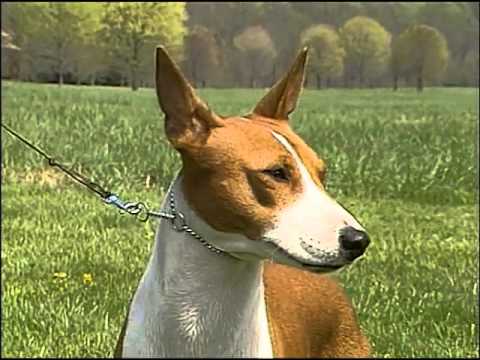 Basenji — Official AKC Breed VideoAmerican Kennel Club
Watch the official AKC video covering temperament, history, traits, and care.
Watch on YouTube →Product Recommendations for Basenjis
See all →Vet-reviewed picks for food, insurance, crates, brushes, treats, and toys — matched to this breed.
Compare Basenji with Similar Breeds
See how the Basenji stacks up against other breeds side by side.