
Beagle
Temperament
About the Beagle
The Beagle's roots trace back to England in the 1830s, when breeders deliberately crossed several established scent hounds — including the Talbot Hound, the North Country Beagle, the Southern Hound, and likely the Harrier — to produce a compact, tenacious rabbit-hunting dog that could work in packs through dense English countryside. The result was a dog with one of the most finely tuned noses in the canine world, a locomotive built for endurance rather than speed, and a voice loud enough to keep hunters on course across open fields. The breed's name appeared in print as early as 1475 in a story called The Squire of Low Degree, though the modern standardized Beagle took shape under the influence of Reverend Phillip Honeywood, whose Essex pack in the 1830s is generally credited as the foundation of the breed we recognize today. Thomas Johnson refined the line further to produce dogs that were both functional hunters and aesthetically consistent.
The American Kennel Club recognized the Beagle in 1885, just one year after the AKC's own founding, making it one of the earliest recognized breeds in the organization's registry. The National Beagle Club of America, established in 1888, serves as the AKC parent club and remains one of the oldest breed clubs in the country. The club governs field trials, instinct tests, and conformation standards, and continues to advocate for the breed's working heritage alongside its companion role.
What separates the Beagle from its close relatives — namely the Harrier and the Foxhound — is primarily scale and specialty. The Harrier is noticeably larger and was bred to hunt hare at a pace that horses could follow. The Foxhound, both American and English varieties, is larger still and built for fox hunting over long distances. The Beagle was specifically sized to be followed on foot, making it the working man's scent hound. It exists in two distinct size varieties in the United States: those standing 13 inches and under, and those measuring over 13 inches but not exceeding 15 inches at the shoulder.
Today the Beagle consistently ranks among the top ten most popular breeds in the United States and serves in roles far beyond the rabbit field. The U.S. Department of Agriculture's Animal and Plant Health Inspection Service runs a program called the Beagle Brigade, deploying these dogs in airports to detect prohibited agricultural products in passenger luggage — a direct application of the same olfactory machinery that made them invaluable to hunters for centuries. That duality of purpose, working dog and household companion, is central to understanding what the Beagle actually is.
At a Glance
Quick Facts
- Breed Group:
- Hound
- Bred For:
- Rabbit, hare hunting
- Origin:
- Great Britain
- Life Span:
- 13 - 16 years
- Weight:
- 20 - 35 lbs
- Height:
- 13 - 15 in
💰 Beagle Cost Guide
Food · Vet · Grooming · Insurance · Full breakdown
Frequently Asked Questions
What is the temperament of a Beagle?
Beagles are known to be amiable, even tempered, excitable, determined, gentle, intelligent, affectionate, quiet, curious, friendly, loyal, playful, brave. This combination of traits makes them excellent companions for families with children. Their temperament is influenced by both genetics and proper socialization from an early age.
How much exercise does a Beagle need?
Beagles are high-energy dogs requiring 60+ minutes of vigorous daily exercise and mental stimulation.
How often should I groom my Beagle?
Beagles require intensive grooming with daily brushing and regular professional grooming sessions.
How do I train a Beagle?
Beagles are highly trainable and typically respond well to positive reinforcement methods.
Are Beagles good with children?
Beagles are excellent with children. Their natural patience, gentle nature, and resilience make them outstanding family dogs. They typically form strong bonds with children and tend to be forgiving of the occasional accidental rough handling that can occur with younger kids. Remember that proper socialization and teaching children appropriate interaction with dogs are always important, regardless of breed.
What makes the Beagle unique compared to other dog breeds?
The Beagle stands out from other breeds due to its rich heritage from Great Britain, exceptional hunting abilities. This unique combination of characteristics makes them special among dog breeds and appeals to owners who appreciate these distinct qualities. Understanding these traits helps provide appropriate care tailored to their specific needs.
What should I know before getting a Beagle?
Before bringing a Beagle into your home, potential owners should consider: They have high exercise requirements (4/5) and need an active owner. Their coat requires significant maintenance (4/5) with regular grooming sessions. They typically excel in family environments with children (5/5 child-friendliness). They're typically highly trainable (4/5) and eager to learn. They may be prone to breed-specific health issues including Epilepsy, Hip Dysplasia, Hypothyroidism, Patellar Luxation, Progressive Retinal Atrophy, Musladin-Lueke Syndrome. Additionally, researching reputable breeders or rescue organizations is essential for finding a healthy, well-socialized Beagle. Understanding these factors will help ensure a good match between the breed and your lifestyle, leading to a happy relationship for both you and your dog.
What were Beagles originally bred for?
Beagles were originally bred for rabbit, hare hunting. This hunting background explains their natural prey drive, scenting abilities, and often high energy levels. As part of the Hound group, they share characteristics with other breeds developed for similar purposes. Understanding your Beagle's breeding heritage helps explain many of their natural behaviors and instincts, which can be channeled appropriately through training and enrichment activities. Even though modern Beagles are primarily companions, these inherent traits remain part of their genetic makeup.
How long do Beagles typically live?
The average lifespan of a Beagle is 13 - 16 years. With proper care including quality nutrition, regular veterinary check-ups, appropriate exercise, and preventative healthcare, some Beagles may live beyond this range. Genetics, environment, and healthcare all play important roles in determining longevity.
Do Beagles bark a lot and will they disturb my neighbors?
Beagles are vocal dogs by design — they were bred to bay loudly so hunters could track them through dense brush. They have three distinct vocalizations: a standard bark, a yodel-like sound, and a full bay that carries a remarkable distance. Baying when left alone is the most common complaint from Beagle owners and is frequently triggered by boredom or separation anxiety. Apartment living is possible but requires genuine commitment to exercise, mental enrichment, and gradual alone-time training. Beagles that receive adequate physical activity and scent-based mental stimulation throughout the day are significantly quieter than under-stimulated ones. If you have close neighbors, particularly in attached housing, this vocalization tendency is something to take seriously before bringing a Beagle home.
Can Beagles be trusted off leash?
For most Beagles, reliable off-leash freedom in unfenced areas is not a realistic expectation regardless of training level. The breed's scent drive is so deeply hardwired that catching an interesting smell — a rabbit, a deer trail, a piece of discarded food — can trigger a tracking state where the dog is functionally unreachable. Even Beagles with solid recall training in normal conditions can disappear following a scent and travel surprisingly long distances before the impulse fades. A securely fenced yard is the standard recommendation for Beagle owners, and fence integrity matters — Beagles are motivated diggers when motivated by a scent on the other side. Off-leash dog parks with double-gated entries are a safer option for open running.
Are Beagles good with kids and other dogs?
Beagles were bred to work in packs, which translates directly into a dog that is genuinely comfortable with other dogs and tends to thrive in multi-dog households. Aggression toward other dogs is uncommon in the breed. With children, Beagles are typically patient, playful, and tolerant, making them one of the more reliable family breeds in this regard. They match well with the energy level of school-age children and are sturdy enough to handle active play. Very young toddlers should always be supervised with any dog, but the Beagle's even temperament makes it a lower-risk choice in family settings. Their pack instinct also means they often do poorly when left alone for extended periods — a second dog can genuinely reduce separation-related anxiety and vocalization in this breed.
What is Musladin-Lueke Syndrome in Beagles?
Musladin-Lueke Syndrome (MLS) is a genetic connective tissue disorder that occurs exclusively in Beagles — it has not been identified in any other breed. The condition causes abnormal development of fibroblasts, the cells responsible for producing connective tissue, resulting in stiff, thickened skin, unusually tight muscles and joints, shortened outer toes, and a characteristic tiptoe gait. Affected dogs often have slanted eyes and a flat skull profile as well. There is currently no treatment for MLS, and its severity varies — some affected dogs live relatively normal lives with mobility limitations, while others are more severely impacted. A DNA test is available that identifies whether a dog is clear, a carrier, or affected. Responsible breeders test both parents and will not breed two carriers together, which is the only way to prevent producing affected puppies. Always ask to see MLS DNA test results when evaluating a Beagle breeder.
Additional Characteristics
Care Requirements
They are high-energy dogs that need significant daily exercise and mental stimulation.
They have high grooming needs requiring frequent brushing and regular professional grooming.
Highly trainable — quick to learn and eager to please
They are excellent with children and often form strong bonds with them.
Beagle
Complete Breed Guide
About the Beagle
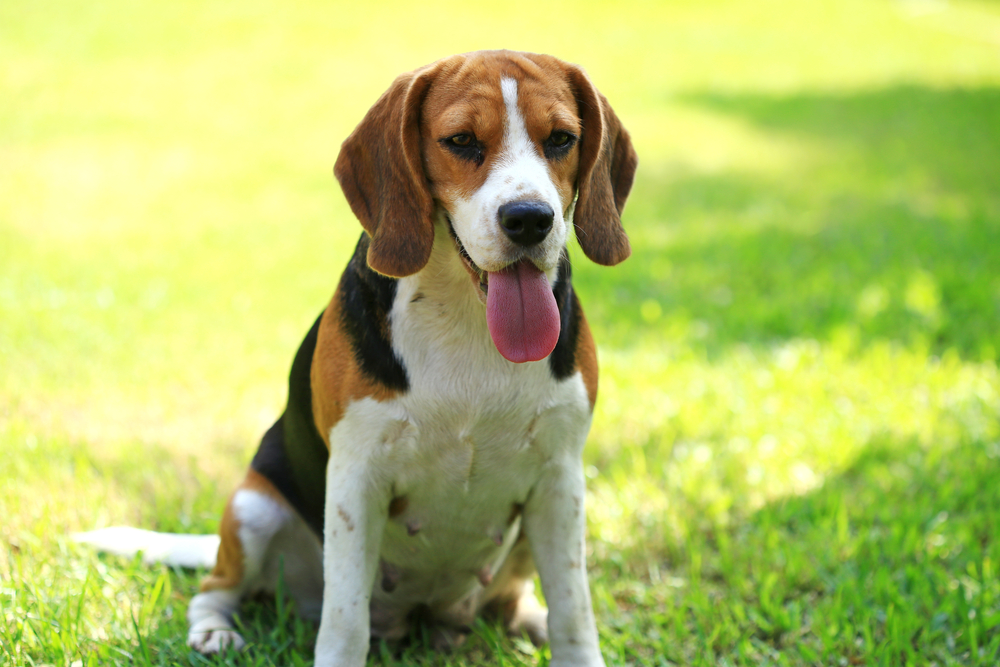
The Beagle is a small to medium-sized hound breed that originated in ancient times, with roots tracing back to the Roman times and possibly earlier. Typically weighing between 20 to 35 pounds and standing 13 to 15 inches tall, Beagles are known for their short, dense coat and distinctive long ears. They possess an amiable and curious temperament, making them excellent family pets, while their keen sense of smell and strong hunting instincts have historically made them adept scent hounds, often used for tracking and hunting small game. With a lifespan of 13 to 16 years, Beagles are playful and loyal companions.
Beagles are known for being amiable, even tempered, excitable, determined, gentle, and intelligent, affectionate, quiet. As a high-energy breed, they are highly responsive to training and thrive with regular mental and physical activity. They are excellent with children of all ages and friendly with other dogs, making them a popular choice for families and experienced dog owners alike.
Caring for a Beagle means committing to regular grooming (brushing several times a week), vigorous daily exercise, and consistent training from an early age. Their gentle, social nature makes them a wonderful addition to active families.
At a Glance
Quick Facts
- Breed Group:
- Hound
- Bred For:
- Rabbit, hare hunting
- Origin:
- Great Britain
- Life Span:
- 13 - 16 years
- Weight:
- 20 - 35 lbs
- Height:
- 13 - 15 in
Temperament
Free Beagle Health Guide
Beagles can be prone to Epilepsy and other conditions. Get our owner's health checklist and monthly vet tips — free.
- ✓Beagle-specific health warning signs
- ✓Vet visit checklist & cost tracker
- ✓Monthly breed health newsletter
Finding similar breeds...
How We Find Similar Breeds
We analyze breed characteristics including temperament, size, appearance, and care needs to identify the most similar dog breeds. This helps you discover alternatives that might be a good match for your lifestyle and preferences.
Explore Related Breeds & Guides
Adopt a Beagle
Filter to show only purebred Beagles (excludes mixed breeds and crosses)
Find Dogs Near You
Enter your location to discover adoptable pets nearby
How to Adopt a Beagle
Follow these steps to ensure a smooth and responsible adoption process. Remember that adopting a dog is a lifelong commitment.
Research the Breed
Learn everything you can about Beagles, including their temperament, exercise needs, grooming requirements, and potential health issues.
Find Reputable Sources
Look for adoptable dogs through shelters, rescue organizations, or responsible breeders. Avoid puppy mills and online scams.
Apply for Adoption
Complete an adoption application with your chosen organization. Be prepared to provide references and possibly go through a home visit.
Meet Your Potential Pet
Schedule a meeting with the dog to assess compatibility with you, your family, and any existing pets.
Prepare Your Home
Gather necessary supplies and dog-proof your home before bringing your new pet home.
1Essential Supplies
Food and water bowls, high-quality dog food, collar with ID tag, leash, bed, crate, toys, treats, grooming supplies, and cleaning products for accidents.
2Create a Safe Space
Designate an area where your dog can retreat when feeling overwhelmed. This could be a crate with comfortable bedding or a quiet corner with their bed.
3Remove Hazards
Secure or remove toxic plants, chemicals, small objects that could be swallowed, and foods that are harmful to dogs. Use baby gates if needed to restrict access to certain areas.
4Find a Veterinarian
Research and choose a veterinarian before bringing your dog home, and schedule an initial check-up shortly after adoption.
What is the dog's background and history?
Understanding a dog's past can help you anticipate potential behavior issues and provide appropriate support.
Has the dog been spayed/neutered and vaccinated?
This information is important for planning future veterinary care and understanding any immediate medical needs.
What is the dog's energy level and exercise needs?
Beagles typically need regular exercise to stay healthy and happy. Ask about specific exercise requirements.
Has the dog been socialized with other animals and people?
This helps you understand how the dog might interact with your family, friends, and other pets.
Are there any known behavioral or health issues?
Knowing about existing issues helps you prepare for any special care or training needs.
Special Considerations for Beagles
- Beagles may have specific health concerns that require regular monitoring.
- Consider how the typical Beagle temperament aligns with your lifestyle.
- Research the grooming needs of Beagles to ensure you can commit to the required maintenance.
- Understand the exercise requirements of Beagles to keep them healthy and prevent behavior problems.
- Learn about proper training methods that work well with Beagles.
 Beagle — Official AKC Breed VideoAmerican Kennel Club
Watch the official AKC video covering temperament, history, traits, and care.
Watch on YouTube →Product Recommendations for Beagles
See all →Vet-reviewed picks for food, insurance, crates, brushes, treats, and toys — matched to this breed.
Compare Beagle with Similar Breeds
See how the Beagle stacks up against other breeds side by side.