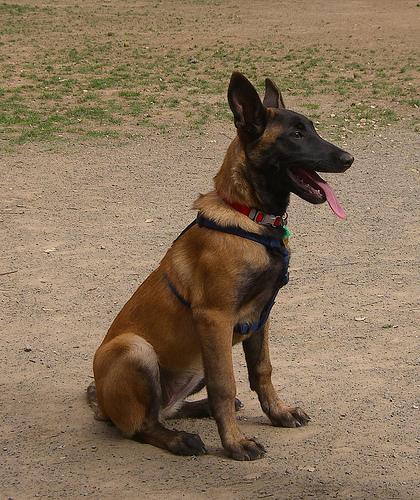
Belgian Malinois
Temperament
About the Belgian Malinois
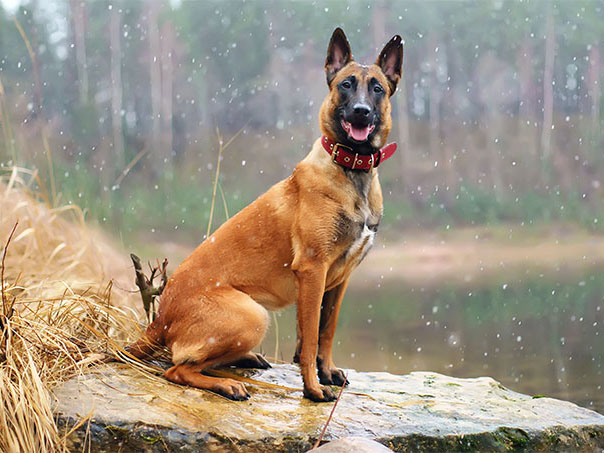
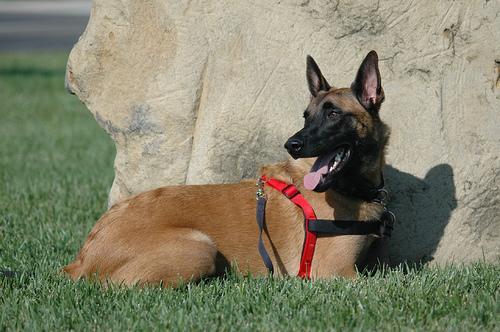
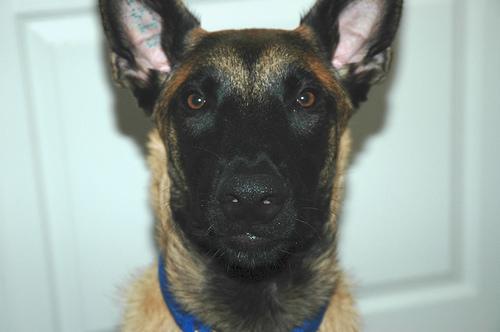
The Belgian Malinois traces its origins to the city of Malines (Mechelen) in northwestern Belgium, where the breed was formalized in the late 19th century. The pivotal moment came in 1891, when veterinary professor Adolphe Reul organized a gathering near Brussels of shepherd-type dogs native to Belgium, with the goal of determining whether a distinct Belgian herding breed existed. What emerged from that effort was the recognition of four regional varieties — the Groenendael, the Laekenois, the Tervueren, and the Malinois — each differing primarily in coat type and color. The Malinois, named for its home region, was distinguished by its short, fawn-to-mahogany coat with a characteristic black mask and black-tipped hairs. Early breeders in the Malines area, particularly those associated with organized shepherd dog clubs that formed in Belgium through the 1890s, prized the variety for its working efficiency over aesthetic refinement.
The breed arrived in the United States in the early 20th century and was recognized by the American Kennel Club in 1959, placed within the Herding Group. The national breed club in the United States is the American Belgian Malinois Club (ABMC), which maintains the breed standard and promotes responsible breeding practices. In Belgium and much of Europe, the Malinois is still considered one of four varieties of the Belgian Shepherd rather than a standalone breed — a distinction the Fédération Cynologique Internationale (FCI) maintains to this day. The AKC, by contrast, treats all four Belgian varieties as separate breeds, a position that has long distinguished North American classification from the European model.
What sets the Malinois apart from its Belgian cousins — and from the German Shepherd, with whom it is frequently confused — is a combination of physical and behavioral traits that are difficult to overstate. The Malinois is leaner and squarer in build than a German Shepherd, with a higher natural energy output and a prey drive that operates at a different intensity than virtually any other herding breed. Where the German Shepherd tends to distribute its loyalty across a household, the Malinois often bonds most intensely with one individual, a trait that reflects its history as a dog bred to work in close partnership with a single handler.
Today, the Malinois ranks 33rd out of 205 recognized breeds in AKC registration statistics, a rise driven almost entirely by its explosive adoption into military, law enforcement, search and rescue, and detection work worldwide. The dog that famously accompanied U.S. Navy SEAL Team Six during the 2011 raid on Osama bin Laden's compound — a Malinois named Cairo — brought the breed into public consciousness in a way no show ring ever could.
At a Glance
Quick Facts
- Breed Group:
- Herding
- Bred For:
- Stock herding
- Origin:
- Belgium
- Life Span:
- 12 - 14 years
- Weight:
- 40 - 80 lbs
- Height:
- 22 - 26 in
💰 Belgian Malinois Cost Guide
Food · Vet · Grooming · Insurance · Full breakdown
Frequently Asked Questions
What is the temperament of a Belgian Malinois?
Belgian Malinoiss are known to be watchful, alert, stubborn, friendly, confident, hard-working, active, protective. This combination of traits makes them wonderful companions for most households. Their temperament is influenced by both genetics and proper socialization from an early age.
How much exercise does a Belgian Malinois need?
Belgian Malinoiss are high-energy dogs requiring 60+ minutes of vigorous daily exercise and mental stimulation.
How often should I groom my Belgian Malinois?
Belgian Malinoiss require intensive grooming with daily brushing and regular professional grooming sessions.
How do I train a Belgian Malinois?
Belgian Malinoiss have moderate trainability and benefit from consistent, positive training approaches.
Are Belgian Malinoiss good with children?
Belgian Malinoiss are moderately good with children. They can adapt well to family life when properly socialized with children. Teaching children to respect the dog's boundaries and supervising interactions will help ensure a positive relationship. Remember that proper socialization and teaching children appropriate interaction with dogs are always important, regardless of breed.
What makes the Belgian Malinois unique compared to other dog breeds?
The Belgian Malinois stands out from other breeds due to its rich heritage from Belgium, specialized abilities for stock herding. This unique combination of characteristics makes them special among dog breeds and appeals to owners who appreciate these distinct qualities. Understanding these traits helps provide appropriate care tailored to their specific needs.
What should I know before getting a Belgian Malinois?
Before bringing a Belgian Malinois into your home, potential owners should consider: They have high exercise requirements (4/5) and need an active owner. Their coat requires significant maintenance (4/5) with regular grooming sessions. Their large size requires adequate living space. They may be prone to breed-specific health issues including Hip Dysplasia, Elbow Dysplasia, Progressive Retinal Atrophy, Epilepsy, Anesthesia Sensitivity. Additionally, researching reputable breeders or rescue organizations is essential for finding a healthy, well-socialized Belgian Malinois. Understanding these factors will help ensure a good match between the breed and your lifestyle, leading to a happy relationship for both you and your dog.
What were Belgian Malinoiss originally bred for?
Belgian Malinoiss were originally bred for stock herding. This herding heritage explains their intelligence, focus, and sometimes tendency to herd family members, particularly children. As part of the Herding group, they share characteristics with other breeds developed for similar purposes. Understanding your Belgian Malinois's breeding heritage helps explain many of their natural behaviors and instincts, which can be channeled appropriately through training and enrichment activities. Even though modern Belgian Malinoiss are primarily companions, these inherent traits remain part of their genetic makeup.
How long do Belgian Malinoiss typically live?
The average lifespan of a Belgian Malinois is 12 - 14 years. With proper care including quality nutrition, regular veterinary check-ups, appropriate exercise, and preventative healthcare, some Belgian Malinoiss may live beyond this range. Genetics, environment, and healthcare all play important roles in determining longevity.
Is a Belgian Malinois a good family dog?
A Belgian Malinois can be a devoted and deeply bonded companion within a family, but the honest answer depends almost entirely on the family's lifestyle, experience level, and willingness to commit to the breed's needs. The Malinois tends to bond most intensely with one primary handler rather than distributing affection evenly across a household. With children, the breed's high prey drive and herding instinct mean that fast, unpredictable movement from small kids can trigger chasing or nipping behaviors — not out of aggression, but out of deeply bred instinct. Families with young children should approach the breed with caution and should never leave a Malinois unsupervised with small children regardless of the individual dog's history. For active families with older children who can participate in training and structured interaction, a well-bred and properly socialized Malinois can be an exceptional companion. The key word throughout is structure — this breed thrives when it has clear rules, consistent training, and enough physical and mental work to occupy its considerable drive.
How much exercise does a Belgian Malinois need per day?
A Belgian Malinois requires a minimum of 60 to 90 minutes of vigorous, purposeful exercise daily — and that figure represents a floor, not a ceiling. A casual walk around the block does not meet this dog's needs. The exercise should include activities that engage both the body and the mind: off-leash running in a secure area, structured play with a flirt pole or tug toy, obedience or sport training sessions, agility work, or tracking exercises. Many working Malinois and those competing in sports like Schutzhund receive two to three hours of structured activity per day. Dogs that receive only physical exercise without mental stimulation — tasks that require problem-solving, focus, and handler interaction — frequently develop behavioral problems regardless of how many miles they cover. The breed's stamina is exceptional, and owners should be realistic about whether their lifestyle can genuinely sustain that level of daily engagement before acquiring one.
What is the difference between a Belgian Malinois and a German Shepherd?
The Belgian Malinois and German Shepherd are both herding breeds with a long history in police and military work, and their physical similarity confuses many people at first glance. The Malinois is generally leaner and squarer in body structure, lacks the exaggerated sloped topline seen in many German Shepherd show lines, and has a shorter, fawn-to-mahogany coat compared to the German Shepherd's longer, more varied coat types. Behaviorally, the differences are sharper than the physical ones. The Malinois typically has a higher baseline drive, more intensity in its prey response, and a stronger tendency to bond to a single handler rather than a whole family. German Shepherds are generally considered more adaptable to varied living situations and more forgiving of handling inconsistencies. This does not mean German Shepherds are easier in every respect, but the Malinois demands a higher level of handler experience and consistent engagement. In working roles, both breeds excel, though the Malinois has become increasingly dominant in military and sport applications due to its agility, speed, and the intensity of its working drive.
Are Belgian Malinois aggressive?
The Belgian Malinois is a protective, confident, and high-drive breed, but aggression and drive are not the same thing, and conflating the two leads to a lot of misunderstanding about the breed. A well-bred Malinois from stable lines, properly socialized from puppyhood and given appropriate training and outlets, is not an aggressive dog in the clinical sense. The breed is watchful and protective by nature — it notices everything, reacts quickly, and will act to defend its handler if it perceives a genuine threat. What can look like aggression in an undersocialized or undertrained Malinois is often fear-based reactivity or misdirected prey drive — both of which are the result of inadequate preparation rather than breed-level temperament defects. The risk of genuinely dangerous behavior increases significantly when a Malinois is acquired by an inexperienced owner who cannot provide structure, when the dog is left isolated for long periods, or when it comes from breeding programs that prioritize protection work without equal attention to social stability. Prospective owners should prioritize temperament-tested puppies from reputable breeders and commit to professional training from the beginning.
Additional Characteristics
Care Requirements
They are high-energy dogs that need significant daily exercise and mental stimulation.
They have high grooming needs requiring frequent brushing and regular professional grooming.
Moderately trainable with consistent methods
They are moderately good with children, especially when properly socialized.
Belgian Malinois
Complete Breed Guide
About the Belgian Malinois
The Belgian Malinois is a herding dog breed that originated in Belgium, known for its intelligence and versatility. Standing 22 to 26 inches tall and weighing between 40 to 80 pounds, they possess a well-proportioned, athletic build with a short, fawn-colored coat and a black mask. Primarily used in police and military roles due to their alertness and protective nature, Belgian Malinois are also valued as active family companions, requiring consistent training and mental stimulation to thrive. Their lifespan ranges from 12 to 14 years.
Belgian Malinoiss are known for being watchful, alert, stubborn, friendly, confident, and hard-working, active, protective. As a high-energy breed, they are moderately trainable and thrive with regular mental and physical activity. They are generally good with children and friendly with other dogs, making them a popular choice for families and experienced dog owners alike.
Caring for a Belgian Malinois means committing to regular grooming (brushing several times a week), vigorous daily exercise, and consistent training from an early age. With the right environment and socialization, they make loyal and loving companions.
At a Glance
Quick Facts
- Breed Group:
- Herding
- Bred For:
- Stock herding
- Origin:
- Belgium
- Life Span:
- 12 - 14 years
- Weight:
- 40 - 80 lbs
- Height:
- 22 - 26 in
Temperament
Free Belgian Malinois Health Guide
Belgian Malinoiss can be prone to Hip Dysplasia and other conditions. Get our owner's health checklist and monthly vet tips — free.
- ✓Belgian Malinois-specific health warning signs
- ✓Vet visit checklist & cost tracker
- ✓Monthly breed health newsletter
Finding similar breeds...
How We Find Similar Breeds
We analyze breed characteristics including temperament, size, appearance, and care needs to identify the most similar dog breeds. This helps you discover alternatives that might be a good match for your lifestyle and preferences.
Explore Related Breeds & Guides
Adopt a Belgian Malinois
Filter to show only purebred Belgian Malinoiss (excludes mixed breeds and crosses)
Find Dogs Near You
Enter your location to discover adoptable pets nearby
How to Adopt a Belgian Malinois
Follow these steps to ensure a smooth and responsible adoption process. Remember that adopting a dog is a lifelong commitment.
Research the Breed
Learn everything you can about Belgian Malinoiss, including their temperament, exercise needs, grooming requirements, and potential health issues.
Find Reputable Sources
Look for adoptable dogs through shelters, rescue organizations, or responsible breeders. Avoid puppy mills and online scams.
Apply for Adoption
Complete an adoption application with your chosen organization. Be prepared to provide references and possibly go through a home visit.
Meet Your Potential Pet
Schedule a meeting with the dog to assess compatibility with you, your family, and any existing pets.
Prepare Your Home
Gather necessary supplies and dog-proof your home before bringing your new pet home.
1Essential Supplies
Food and water bowls, high-quality dog food, collar with ID tag, leash, bed, crate, toys, treats, grooming supplies, and cleaning products for accidents.
2Create a Safe Space
Designate an area where your dog can retreat when feeling overwhelmed. This could be a crate with comfortable bedding or a quiet corner with their bed.
3Remove Hazards
Secure or remove toxic plants, chemicals, small objects that could be swallowed, and foods that are harmful to dogs. Use baby gates if needed to restrict access to certain areas.
4Find a Veterinarian
Research and choose a veterinarian before bringing your dog home, and schedule an initial check-up shortly after adoption.
What is the dog's background and history?
Understanding a dog's past can help you anticipate potential behavior issues and provide appropriate support.
Has the dog been spayed/neutered and vaccinated?
This information is important for planning future veterinary care and understanding any immediate medical needs.
What is the dog's energy level and exercise needs?
Belgian Malinoiss typically need regular exercise to stay healthy and happy. Ask about specific exercise requirements.
Has the dog been socialized with other animals and people?
This helps you understand how the dog might interact with your family, friends, and other pets.
Are there any known behavioral or health issues?
Knowing about existing issues helps you prepare for any special care or training needs.
Special Considerations for Belgian Malinoiss
- Belgian Malinoiss may have specific health concerns that require regular monitoring.
- Consider how the typical Belgian Malinois temperament aligns with your lifestyle.
- Research the grooming needs of Belgian Malinoiss to ensure you can commit to the required maintenance.
- Understand the exercise requirements of Belgian Malinoiss to keep them healthy and prevent behavior problems.
- Learn about proper training methods that work well with Belgian Malinoiss.
Product Recommendations for Belgian Malinoiss
See all →Vet-reviewed picks for food, insurance, crates, brushes, treats, and toys — matched to this breed.
Compare Belgian Malinois with Similar Breeds
See how the Belgian Malinois stacks up against other breeds side by side.