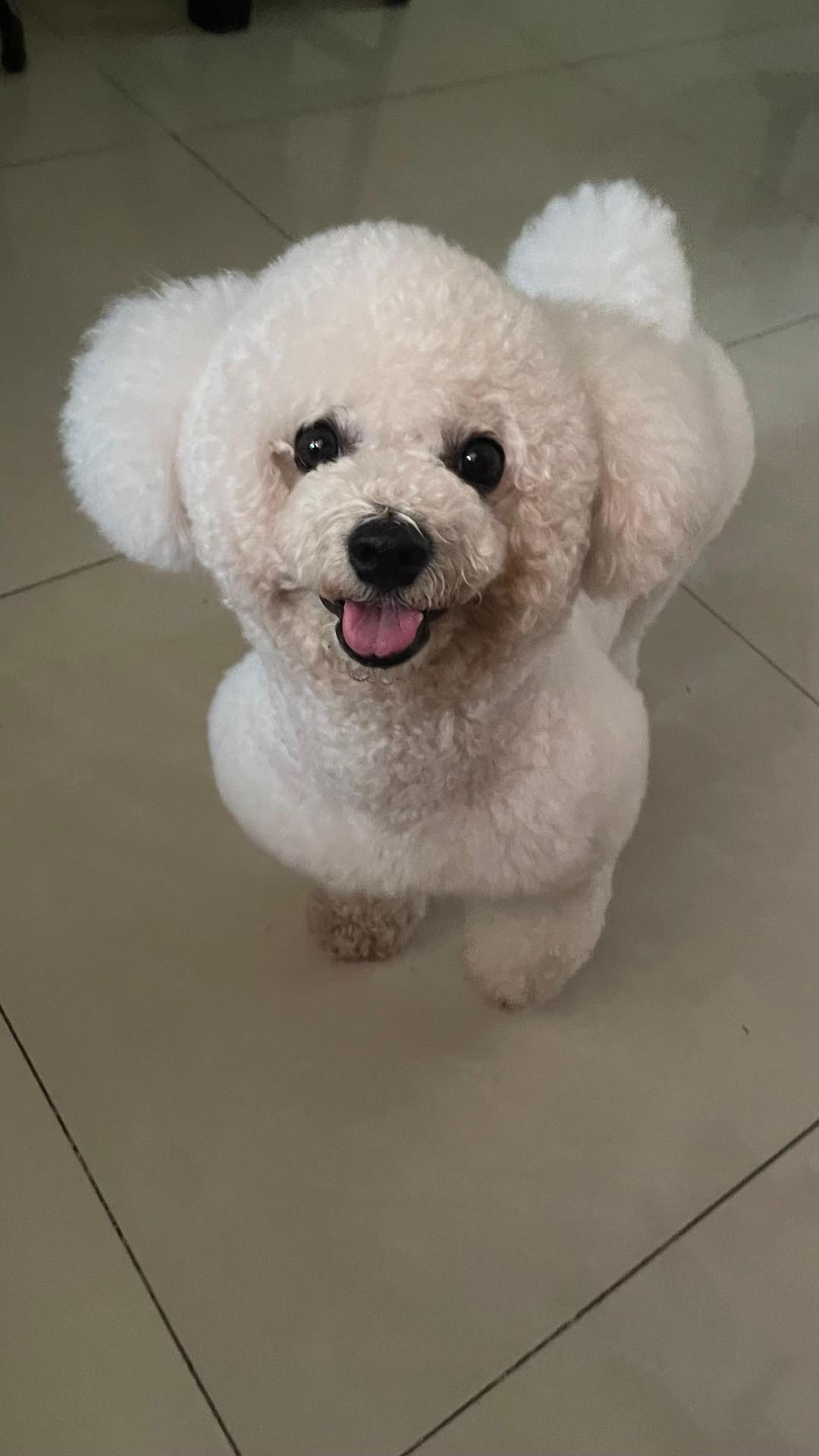
Bichon Frise
Temperament
About the Bichon Frise
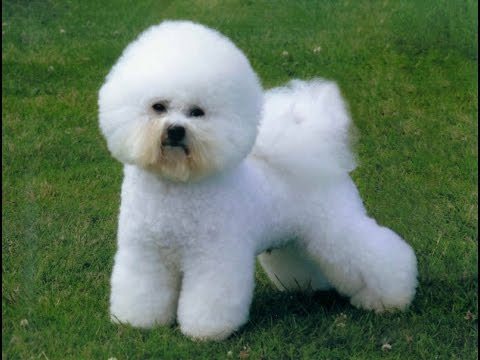
The Bichon Frise — formally the Bichon à Poil Frisé, meaning 'curly-coated lap dog' — traces its earliest roots to the Mediterranean basin, with the Canary Island of Tenerife frequently cited as a point of development before the breed found its way to continental Europe. Belgian and French breeders shaped the modern type, which is why the breed is classified as Franco-Belgian in origin despite the competing claims. By the 14th century, Bichons had become fashionable companions among European nobility. King Henry III of France was so taken with them that he reportedly carried his Bichons in a basket-style tray hung from his neck — a level of devotion that cemented the breed's association with aristocratic excess. Spanish painters, most notably Francisco de Goya, depicted small white curly dogs in court portraits that historians widely identify as early Bichon types.
The breed's fortunes fell sharply after the French Revolution, when its noble patrons lost their heads — sometimes literally. Bichons were reduced to performing with street musicians and organ grinders across France and Belgium, a period that, counterintuitively, demonstrated their adaptability and trainability. French breeders began standardizing the type in the early 20th century, and the Société Centrale Canine officially recognized the Bichon Frisé on March 5, 1933. The Fédération Cynologique Internationale followed with recognition in 1959, cementing the breed's international standing. The FCI standard places the Bichon in Group 9 (Companion and Toy Dogs), Section 1.
American recognition came later. The Bichon Frise Club of America was founded in 1964, and the American Kennel Club admitted the breed into its Miscellaneous Class in 1971 before granting full Non-Sporting Group recognition on April 4, 1973. Today the breed ranks 46th out of 205 AKC-recognized breeds in registration popularity — a respectable middle position that reflects steady, loyal ownership rather than the boom-and-bust cycles that plague trendy breeds.
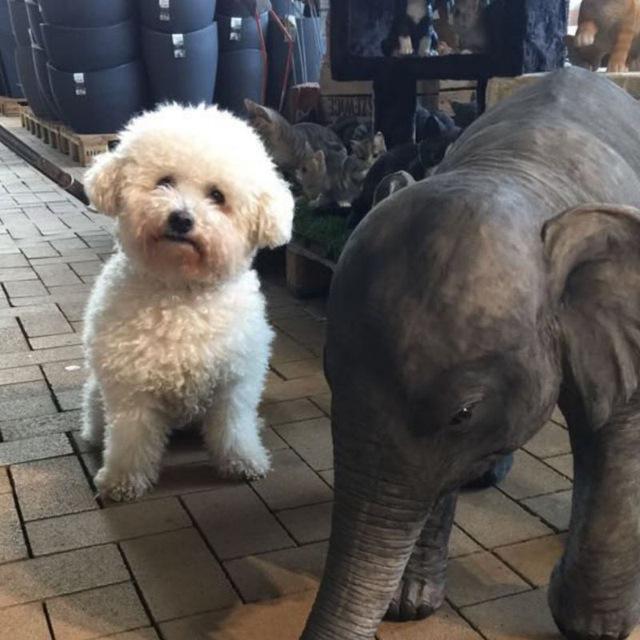
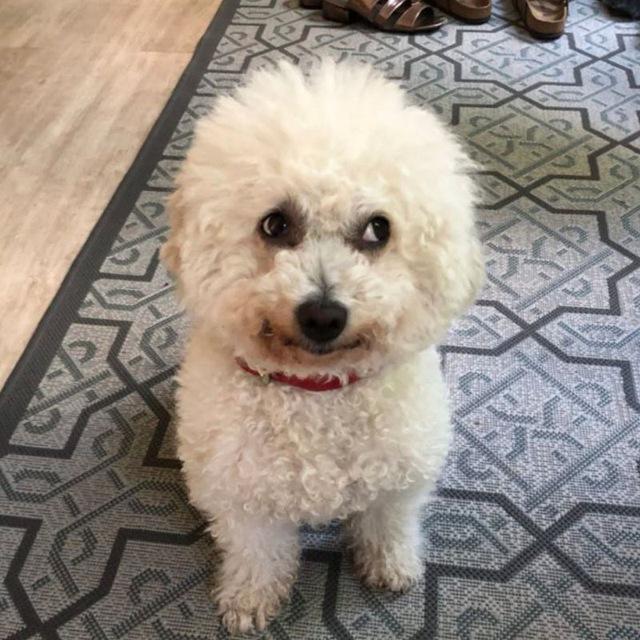
What separates the Bichon Frise from closely related breeds like the Maltese, Havanese, and Bolognese is primarily coat structure and build. The Bichon's double coat — a soft, dense undercoat beneath a coarser, curly outer coat — produces the signature powder-puff silhouette achieved through scissor-shaping rather than flat brushing. The breed is sturdier in bone and body than the Maltese, and unlike the Havanese, its coat is consistently white, with only minor cream, buff, or apricot shadings permissible near the ears and body under the breed standard.
At a Glance
Quick Facts
- Breed Group:
- Non-Sporting
- Bred For:
- Companion
- Origin:
- Belgium
- Life Span:
- 12 - 15 years
- Weight:
- 10 - 18 lbs
- Height:
- 9.5 - 11.5 in
💰 Bichon Frise Cost Guide
Food · Vet · Grooming · Insurance · Full breakdown
Frequently Asked Questions
What is the temperament of a Bichon Frise?
Bichon Frises are known to be feisty, affectionate, cheerful, playful, gentle, friendly, loyal, quiet, independent, curious, protective. This combination of traits makes them excellent companions for families with children. Their temperament is influenced by both genetics and proper socialization from an early age.
How much exercise does a Bichon Frise need?
Bichon Frises are high-energy dogs requiring 60+ minutes of vigorous daily exercise and mental stimulation.
How often should I groom my Bichon Frise?
Bichon Frises require intensive grooming with daily brushing and regular professional grooming sessions.
How do I train a Bichon Frise?
Bichon Frises may require extra patience during training and respond best to positive, consistent methods.
Are Bichon Frises good with children?
Bichon Frises are excellent with children. Their natural patience, gentle nature, and resilience make them outstanding family dogs. They typically form strong bonds with children and tend to be forgiving of the occasional accidental rough handling that can occur with younger kids. Remember that proper socialization and teaching children appropriate interaction with dogs are always important, regardless of breed.
What makes the Bichon Frise unique compared to other dog breeds?
The Bichon Frise stands out from other breeds due to its rich heritage from Belgium, specialized companion qualities. This unique combination of characteristics makes them special among dog breeds and appeals to owners who appreciate these distinct qualities. Understanding these traits helps provide appropriate care tailored to their specific needs.
What should I know before getting a Bichon Frise?
Before bringing a Bichon Frise into your home, potential owners should consider: They have high exercise requirements (4/5) and need an active owner. Their coat requires significant maintenance (4/5) with regular grooming sessions. They typically excel in family environments with children (5/5 child-friendliness). They can be challenging to train (2/5) and are better suited for experienced dog owners. They may be prone to breed-specific health issues including Patellar Luxation, Bladder Stones, Allergies, Hip Dysplasia, Cataracts, Cushing's Disease. Additionally, researching reputable breeders or rescue organizations is essential for finding a healthy, well-socialized Bichon Frise. Understanding these factors will help ensure a good match between the breed and your lifestyle, leading to a happy relationship for both you and your dog.
What were Bichon Frises originally bred for?
Bichon Frises were originally bred for companion. This companion-focused breeding has resulted in their affectionate, people-oriented temperament that makes them excellent pets. As part of the Non-Sporting group, they share characteristics with other breeds developed for similar purposes. Understanding your Bichon Frise's breeding heritage helps explain many of their natural behaviors and instincts, which can be channeled appropriately through training and enrichment activities. Even though modern Bichon Frises are primarily companions, these inherent traits remain part of their genetic makeup.
How long do Bichon Frises typically live?
The average lifespan of a Bichon Frise is 12 - 15 years. With proper care including quality nutrition, regular veterinary check-ups, appropriate exercise, and preventative healthcare, some Bichon Frises may live beyond this range. Genetics, environment, and healthcare all play important roles in determining longevity.
Are Bichon Frises actually hypoallergenic?
The Bichon Frise is frequently marketed as hypoallergenic, but no dog breed is truly allergen-free. What makes Bichons a potentially better fit for allergy sufferers is their coat structure — dead hair is trapped in the curly double coat rather than shed into the environment, which reduces the spread of dander and saliva-coated hair. However, the primary human allergen, Can f 1, is a protein produced in a dog's saliva, skin, and urine — not just its hair — and all Bichons produce it. Individual reactions vary significantly, and some people who are allergic to other breeds tolerate Bichons well while others do not. If allergies are a concern, spending time with an adult Bichon before committing to ownership is more informative than relying on breed generalities.
How hard are Bichon Frises to potty train?
Housetraining is genuinely one of the more challenging aspects of Bichon ownership, and the breed has an honest reputation for being slower to fully reliably housetrain than many other breeds. Small bladder capacity, a preference for indoor warmth, and a tendency to reinforce indoor elimination habits quickly all contribute. The most effective approach combines strict crate training, a rigorous outdoor schedule tied to meals and waking periods, and immediate positive reinforcement — treat and verbal praise — the moment the dog eliminates outside. Punishment after the fact is ineffective and damages the relationship. Most Bichons can be reliably housetrained by 6 to 12 months with consistency, but some owners report occasional accidents persisting longer without a disciplined approach.
How often does a Bichon Frise need to be groomed?
A Bichon Frise requires professional grooming every 6 to 8 weeks at minimum to prevent the coat from matting and to maintain the breed's characteristic rounded silhouette. Between professional appointments, daily or every-other-day brushing is necessary to prevent tangles, particularly around the ears, armpits, and hindquarters where friction causes knots to form quickly. Ear hair should be cleaned and trimmed regularly to reduce moisture buildup and infection risk. The grooming commitment for this breed is substantial — it is not a wash-and-wear dog — and owners who underestimate this often find their Bichon requiring a full shave-down due to matting, which is stressful for the dog and more expensive to correct.
Do Bichon Frises do well when left alone?
Bichon Frises are companion dogs by original purpose and genuine temperament, which means extended solitary confinement is genuinely difficult for them. The breed is prone to separation anxiety, which can manifest as destructive behavior, excessive barking, or inappropriate elimination when left alone for long periods. Most adult Bichons can manage 4 to 6 hours alone with proper exercise, mental enrichment, and a consistent routine, but dogs left alone for full 8-to-10-hour workdays without a midday break or companion frequently develop behavioral problems. Strategies that help include crate training paired with positive associations, puzzle toys, and — for households with long work schedules — doggy daycare or a midday dog walker. Bichons generally coexist well with other dogs, and a second canine companion can meaningfully reduce anxiety in a dog otherwise home alone.
Additional Characteristics
Care Requirements
They are high-energy dogs that need significant daily exercise and mental stimulation.
They have high grooming needs requiring frequent brushing and regular professional grooming.
May require extra patience — better suited for experienced owners
They are excellent with children and often form strong bonds with them.
Bichon Frise
Complete Breed Guide
About the Bichon Frise
The Bichon Frise is a small breed that originated in the Mediterranean region, with a history dating back to the Middle Ages as a companion dog. Weighing between 10 to 18 pounds and standing 9.5 to 11.5 inches tall, they are characterized by their curly, hypoallergenic coat and cheerful demeanor. Known for their playful and affectionate temperament, Bichon Frises are often kept as family pets and are well-suited for various living environments due to their friendly and adaptable nature.
Bichon Frises are known for being feisty, affectionate, cheerful, playful, gentle, and friendly, loyal, quiet. As a high-energy breed, they are independent-minded and requiring patient, consistent training and thrive with regular mental and physical activity. They are excellent with children of all ages and friendly with other dogs, making them a popular choice for families and experienced dog owners alike.
Caring for a Bichon Frise means committing to regular grooming (brushing several times a week), vigorous daily exercise, and consistent training from an early age. Their gentle, social nature makes them a wonderful addition to active families.
At a Glance
Quick Facts
- Breed Group:
- Non-Sporting
- Bred For:
- Companion
- Origin:
- Belgium
- Life Span:
- 12 - 15 years
- Weight:
- 10 - 18 lbs
- Height:
- 9.5 - 11.5 in
Temperament
Free Bichon Frise Health Guide
Bichon Frises can be prone to Patellar Luxation and other conditions. Get our owner's health checklist and monthly vet tips — free.
- ✓Bichon Frise-specific health warning signs
- ✓Vet visit checklist & cost tracker
- ✓Monthly breed health newsletter
Finding similar breeds...
How We Find Similar Breeds
We analyze breed characteristics including temperament, size, appearance, and care needs to identify the most similar dog breeds. This helps you discover alternatives that might be a good match for your lifestyle and preferences.
Explore Related Breeds & Guides
Adopt a Bichon Frise
Filter to show only purebred Bichon Frises (excludes mixed breeds and crosses)
Find Dogs Near You
Enter your location to discover adoptable pets nearby
How to Adopt a Bichon Frise
Follow these steps to ensure a smooth and responsible adoption process. Remember that adopting a dog is a lifelong commitment.
Research the Breed
Learn everything you can about Bichon Frises, including their temperament, exercise needs, grooming requirements, and potential health issues.
Find Reputable Sources
Look for adoptable dogs through shelters, rescue organizations, or responsible breeders. Avoid puppy mills and online scams.
Apply for Adoption
Complete an adoption application with your chosen organization. Be prepared to provide references and possibly go through a home visit.
Meet Your Potential Pet
Schedule a meeting with the dog to assess compatibility with you, your family, and any existing pets.
Prepare Your Home
Gather necessary supplies and dog-proof your home before bringing your new pet home.
1Essential Supplies
Food and water bowls, high-quality dog food, collar with ID tag, leash, bed, crate, toys, treats, grooming supplies, and cleaning products for accidents.
2Create a Safe Space
Designate an area where your dog can retreat when feeling overwhelmed. This could be a crate with comfortable bedding or a quiet corner with their bed.
3Remove Hazards
Secure or remove toxic plants, chemicals, small objects that could be swallowed, and foods that are harmful to dogs. Use baby gates if needed to restrict access to certain areas.
4Find a Veterinarian
Research and choose a veterinarian before bringing your dog home, and schedule an initial check-up shortly after adoption.
What is the dog's background and history?
Understanding a dog's past can help you anticipate potential behavior issues and provide appropriate support.
Has the dog been spayed/neutered and vaccinated?
This information is important for planning future veterinary care and understanding any immediate medical needs.
What is the dog's energy level and exercise needs?
Bichon Frises typically need regular exercise to stay healthy and happy. Ask about specific exercise requirements.
Has the dog been socialized with other animals and people?
This helps you understand how the dog might interact with your family, friends, and other pets.
Are there any known behavioral or health issues?
Knowing about existing issues helps you prepare for any special care or training needs.
Special Considerations for Bichon Frises
- Bichon Frises may have specific health concerns that require regular monitoring.
- Consider how the typical Bichon Frise temperament aligns with your lifestyle.
- Research the grooming needs of Bichon Frises to ensure you can commit to the required maintenance.
- Understand the exercise requirements of Bichon Frises to keep them healthy and prevent behavior problems.
- Learn about proper training methods that work well with Bichon Frises.
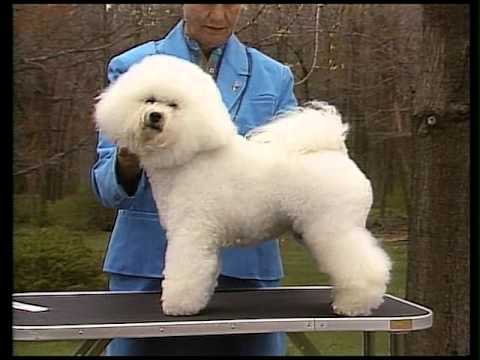 Bichon Frise — Official AKC Breed VideoAmerican Kennel Club
Watch the official AKC video covering temperament, history, traits, and care.
Watch on YouTube →Product Recommendations for Bichon Frises
See all →Vet-reviewed picks for food, insurance, crates, brushes, treats, and toys — matched to this breed.
Compare Bichon Frise with Similar Breeds
See how the Bichon Frise stacks up against other breeds side by side.