Bloodhound
Temperament
About the Bloodhound
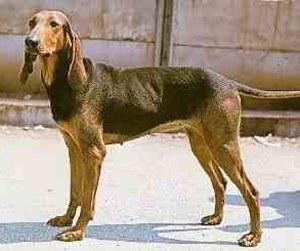
The Bloodhound's story begins not in a kennel but in a monastery. In the seventh century, a monk named Hubert — later canonized as Saint Hubert, the patron saint of hunters — began selectively breeding scent hounds at the Abbey of Saint-Hubert in the Ardennes region of what is now Belgium. These dogs, known in French-speaking Europe as the Chien de Saint-Hubert, were refined over centuries into one of the most purpose-built tracking machines in canine history. When William the Conqueror crossed into England in 1066, he brought these hounds with him, and English breeders continued refining the line. The name "Bloodhound" itself is believed to refer not to any violent purpose but to the dog's status as a hound of pure blood — an aristocratic breed kept with extraordinary care for purity of lineage.
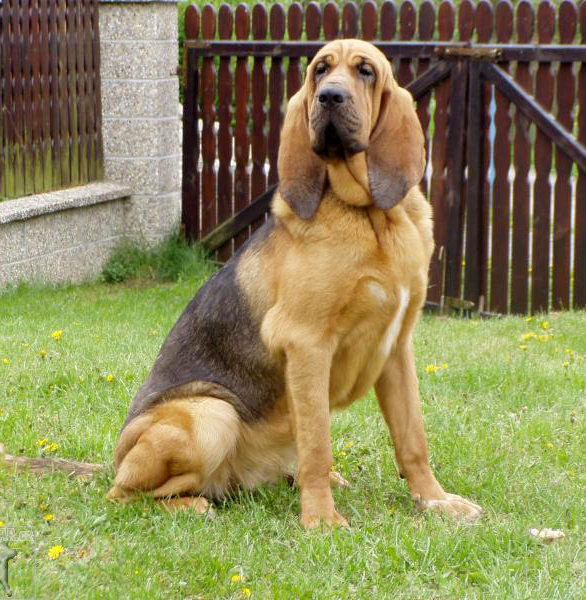
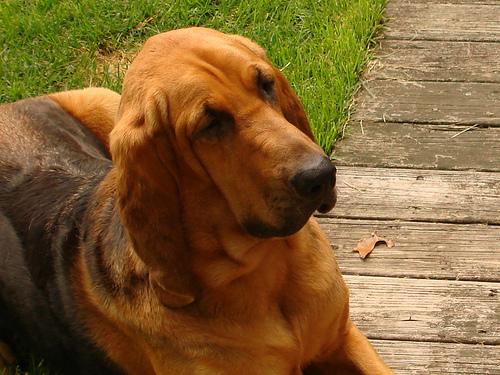
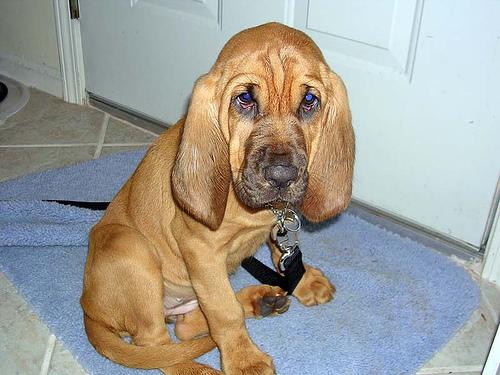
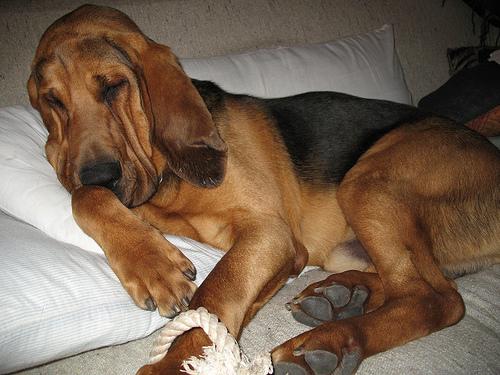
What separates the Bloodhound from other scent hounds isn't simply a better nose — it's a fundamentally different architecture of scenting ability. Bloodhounds possess roughly 300 million scent receptors, compared to a German Shepherd's 225 million or a Beagle's already impressive count. Their long, pendulous ears are not decorative; they physically sweep scent particles upward toward the nose as the dog works. The deep skin folds around the face and neck serve a similar function, trapping and concentrating scent. This combination of anatomy and instinct produces a tracker so reliable that evidence obtained through a Bloodhound's trailing has been admitted in courts of law in the United States — a distinction no other breed holds.
The American Kennel Club officially recognized the Bloodhound in 1885, making it one of the earliest breeds in the AKC's studbook. The breed currently ranks 58th out of 205 recognized breeds in AKC popularity, a respectable position for a working hound that demands significant commitment from its owners. The American Bloodhound Club, founded in 1952, serves as the AKC parent club for the breed and maintains breed standards, health initiatives, and working dog certifications. The club actively promotes the breed's working heritage through competitions and certifications that test tracking ability under real-world conditions.
Compared to its close cousin the Basset Hound, the Bloodhound is dramatically larger and far more physically driven. Compared to the Coonhound lines it influenced, the Bloodhound is more single-minded on human scent specifically rather than game. It remains the gold standard in law enforcement tracking, deployed by police departments worldwide for fugitive recovery and missing persons cases — a role it has held, largely unchanged, for over a thousand years.
At a Glance
Quick Facts
- Breed Group:
- Hound
- Bred For:
- Trailing
- Origin:
- Belgium
- Life Span:
- 8 - 10 years
- Weight:
- 80 - 110 lbs
- Height:
- 23 - 27 in
💰 Bloodhound Cost Guide
Food · Vet · Grooming · Insurance · Full breakdown
Frequently Asked Questions
What is the temperament of a Bloodhound?
Bloodhounds are known to be stubborn, affectionate, gentle, even tempered, playful, friendly, curious, sweet, obedient, respectful, protective. This combination of traits makes them excellent companions for families with children. Their temperament is influenced by both genetics and proper socialization from an early age.
How much exercise does a Bloodhound need?
Bloodhounds have low energy levels and require minimal daily exercise, typically 15-30 minutes of gentle activity.
How often should I groom my Bloodhound?
Bloodhounds need moderate grooming including brushing 2-3 times weekly and regular maintenance.
How do I train a Bloodhound?
Bloodhounds are highly trainable and typically respond well to positive reinforcement methods.
Are Bloodhounds good with children?
Bloodhounds are excellent with children. Their natural patience, gentle nature, and resilience make them outstanding family dogs. They typically form strong bonds with children and tend to be forgiving of the occasional accidental rough handling that can occur with younger kids. Remember that proper socialization and teaching children appropriate interaction with dogs are always important, regardless of breed.
What makes the Bloodhound unique compared to other dog breeds?
The Bloodhound stands out from other breeds due to its rich heritage from Belgium, specialized abilities for trailing. This unique combination of characteristics makes them special among dog breeds and appeals to owners who appreciate these distinct qualities. Understanding these traits helps provide appropriate care tailored to their specific needs.
What should I know before getting a Bloodhound?
Before bringing a Bloodhound into your home, potential owners should consider: They have relatively low exercise needs (2/5), making them suitable for less active households. They typically excel in family environments with children (5/5 child-friendliness). They're typically highly trainable (4/5) and eager to learn. Their large size requires adequate living space. They may be prone to breed-specific health issues including Hip Dysplasia, Bloat (GDV), Ear Infections, Ectropion, Skin Fold Infections, Entropion. Additionally, researching reputable breeders or rescue organizations is essential for finding a healthy, well-socialized Bloodhound. Understanding these factors will help ensure a good match between the breed and your lifestyle, leading to a happy relationship for both you and your dog.
What were Bloodhounds originally bred for?
Bloodhounds were originally bred for trailing. As part of the Hound group, they share characteristics with other breeds developed for similar purposes. Understanding your Bloodhound's breeding heritage helps explain many of their natural behaviors and instincts, which can be channeled appropriately through training and enrichment activities. Even though modern Bloodhounds are primarily companions, these inherent traits remain part of their genetic makeup.
How long do Bloodhounds typically live?
The average lifespan of a Bloodhound is 8 - 10 years. With proper care including quality nutrition, regular veterinary check-ups, appropriate exercise, and preventative healthcare, some Bloodhounds may live beyond this range. Genetics, environment, and healthcare all play important roles in determining longevity.
Are Bloodhounds good family dogs with kids?
Bloodhounds are genuinely good with children in the sense that they are patient, gentle, and tolerant of the kind of physical handling that young kids often subject dogs to. They tend to accept ear-pulling and climbing with more equanimity than most breeds. That said, their size — up to 110 pounds — means they can accidentally knock over small children simply by moving through a room, and their excited greeting behavior can send a toddler flying. They are best suited to families with children old enough to hold their own ground, and supervision is always advisable. Their temperament is not aggressive, but their obliviousness to their own size is a real consideration.
How much exercise does a Bloodhound need every day?
Bloodhounds need more exercise than their laid-back indoor personality suggests. Adults do best with at least 60 to 90 minutes of physical activity daily, ideally split across two sessions. They are not sprinters and do not need high-intensity exercise, but they need sustained movement. Long walks on leash, structured sniff walks where the dog is allowed to work its nose along a trail, and fenced yard time all count. A Bloodhound that does not receive adequate exercise becomes vocal — and their bay is genuinely loud — and destructive in ways that reflect the frustration of an underworked working dog. Mental exercise through nose work or tracking training is as important as physical exercise for this breed.
Can Bloodhounds be left alone during the day?
Bloodhounds can manage moderate alone time — a working owner's standard eight-hour day — provided the dog has been adequately exercised beforehand and has been acclimated to alone time gradually. They are not as prone to separation anxiety as some breeds, but they are vocal when bored or anxious, and a baying Bloodhound in a home with thin walls or close neighbors creates real problems. Crate training from puppyhood helps significantly. Adult dogs adopted from rescue often adapt better than puppies to structured alone time. Dogs left alone for extended periods without sufficient prior exercise will typically express their frustration through chewing, digging, or sustained baying.
Do Bloodhounds smell bad? How do you manage the drool?
Bloodhounds have two reputations that prospective owners need to honestly assess: they drool significantly, and they carry a distinct hound odor that regular bathing only partially addresses. The drool is structural — those long, loose lips are part of the same anatomy that makes them great trackers, and there is no training fix for it. Many Bloodhound owners keep hand towels in every room and accept drool flinging as part of daily life. The hound odor comes from the skin folds and ears and is manageable with a consistent routine of weekly ear cleaning, fold wiping, and monthly baths. Without that routine, the odor becomes pronounced quickly. This is not a breed for owners with strong aversions to dog smell or mess.
Additional Characteristics
Care Requirements
They have a low to moderate energy level and need regular but not extensive exercise.
They need moderate grooming, including regular brushing and occasional professional care.
Highly trainable — quick to learn and eager to please
They are excellent with children and often form strong bonds with them.
Bloodhound
Complete Breed Guide
About the Bloodhound
The Bloodhound is a scent hound with origins that are not definitively known, but they have been used for tracking since the Middle Ages. Weighing between 80 to 110 pounds and standing 23 to 27 inches tall, they are characterized by their long, droopy ears and wrinkled skin, which enhance their sense of smell. Bloodhounds are known for their affectionate and gentle temperament, making them excellent family pets, while their keen tracking abilities are utilized in search and rescue operations and law enforcement. Their lifespan ranges from 8 to 10 years.
Bloodhounds are known for being stubborn, affectionate, gentle, even tempered, playful, and friendly, curious, sweet. As a low-key and calm breed, they are highly responsive to training and thrive with regular mental and physical activity. They are excellent with children of all ages and friendly with other dogs, making them a popular choice for families and experienced dog owners alike.
Caring for a Bloodhound means committing to moderate grooming every week or two, regular daily walks, and positive-reinforcement training. Their gentle, social nature makes them a wonderful addition to active families.
At a Glance
Quick Facts
- Breed Group:
- Hound
- Bred For:
- Trailing
- Origin:
- Belgium
- Life Span:
- 8 - 10 years
- Weight:
- 80 - 110 lbs
- Height:
- 23 - 27 in
Temperament
Free Bloodhound Health Guide
Bloodhounds can be prone to Hip Dysplasia and other conditions. Get our owner's health checklist and monthly vet tips — free.
- ✓Bloodhound-specific health warning signs
- ✓Vet visit checklist & cost tracker
- ✓Monthly breed health newsletter
Finding similar breeds...
How We Find Similar Breeds
We analyze breed characteristics including temperament, size, appearance, and care needs to identify the most similar dog breeds. This helps you discover alternatives that might be a good match for your lifestyle and preferences.
Adopt a Bloodhound
Filter to show only purebred Bloodhounds (excludes mixed breeds and crosses)
Find Dogs Near You
Enter your location to discover adoptable pets nearby
How to Adopt a Bloodhound
Follow these steps to ensure a smooth and responsible adoption process. Remember that adopting a dog is a lifelong commitment.
Research the Breed
Learn everything you can about Bloodhounds, including their temperament, exercise needs, grooming requirements, and potential health issues.
Find Reputable Sources
Look for adoptable dogs through shelters, rescue organizations, or responsible breeders. Avoid puppy mills and online scams.
Apply for Adoption
Complete an adoption application with your chosen organization. Be prepared to provide references and possibly go through a home visit.
Meet Your Potential Pet
Schedule a meeting with the dog to assess compatibility with you, your family, and any existing pets.
Prepare Your Home
Gather necessary supplies and dog-proof your home before bringing your new pet home.
1Essential Supplies
Food and water bowls, high-quality dog food, collar with ID tag, leash, bed, crate, toys, treats, grooming supplies, and cleaning products for accidents.
2Create a Safe Space
Designate an area where your dog can retreat when feeling overwhelmed. This could be a crate with comfortable bedding or a quiet corner with their bed.
3Remove Hazards
Secure or remove toxic plants, chemicals, small objects that could be swallowed, and foods that are harmful to dogs. Use baby gates if needed to restrict access to certain areas.
4Find a Veterinarian
Research and choose a veterinarian before bringing your dog home, and schedule an initial check-up shortly after adoption.
What is the dog's background and history?
Understanding a dog's past can help you anticipate potential behavior issues and provide appropriate support.
Has the dog been spayed/neutered and vaccinated?
This information is important for planning future veterinary care and understanding any immediate medical needs.
What is the dog's energy level and exercise needs?
Bloodhounds typically need regular exercise to stay healthy and happy. Ask about specific exercise requirements.
Has the dog been socialized with other animals and people?
This helps you understand how the dog might interact with your family, friends, and other pets.
Are there any known behavioral or health issues?
Knowing about existing issues helps you prepare for any special care or training needs.
Special Considerations for Bloodhounds
- Bloodhounds may have specific health concerns that require regular monitoring.
- Consider how the typical Bloodhound temperament aligns with your lifestyle.
- Research the grooming needs of Bloodhounds to ensure you can commit to the required maintenance.
- Understand the exercise requirements of Bloodhounds to keep them healthy and prevent behavior problems.
- Learn about proper training methods that work well with Bloodhounds.
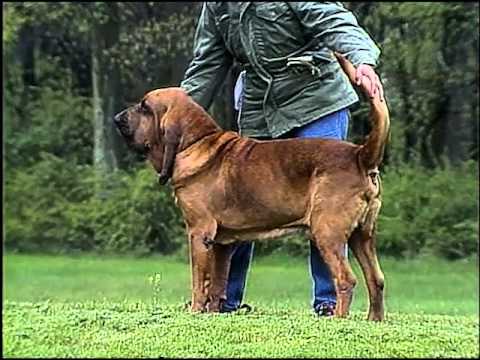 Bloodhound — Official AKC Breed VideoAmerican Kennel Club
Watch the official AKC video covering temperament, history, traits, and care.
Watch on YouTube →Product Recommendations for Bloodhounds
See all →Vet-reviewed picks for food, insurance, crates, brushes, treats, and toys — matched to this breed.
Compare Bloodhound with Similar Breeds
See how the Bloodhound stacks up against other breeds side by side.