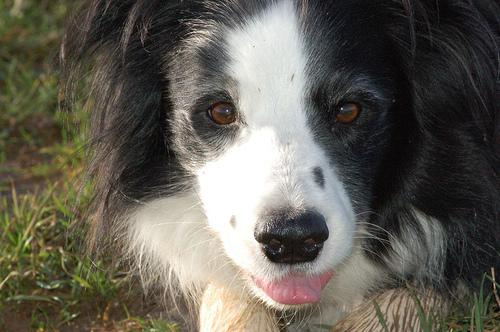
Border Collie
Temperament
About the Border Collie
The Border Collie's roots trace directly to the Anglo-Scottish border region, where shepherds in Northumberland and the surrounding hill country spent centuries refining a working sheepdog capable of managing flocks across rugged, unforgiving terrain. The breed's modern lineage is typically anchored to a single dog: Old Hemp, a tricolor male born in 1893 and bred by Adam Telfer of Northumberland. Old Hemp possessed the silent, crouching style and intense gaze that now defines the breed, and he sired an estimated 200 offspring during his lifetime, establishing the behavioral template that breeders have preserved ever since. Before Old Hemp, regional sheepdogs across the British Isles varied considerably in appearance and method — it was his consistency of type and working style that began consolidating what we now recognize as the Border Collie.
The breed's name itself wasn't widely standardized until the early 20th century, and formal breed organization came later still. The International Sheep Dog Society (ISDS), founded in 1906 in the United Kingdom, became the primary registry and remains so for working dogs today — ISDS registration is based on demonstrated working ability, not conformation. In the United States, the American Border Collie Association (ABCA), founded in 1983, maintains the largest working registry and has historically opposed conformation-based recognition, arguing it separates working ability from breeding decisions.
The American Kennel Club formally recognized the Border Collie in 1995, a move that was — and remains — controversial within working dog communities. The Border Collie Society of America (BCSA) serves as the AKC parent club. Critics of AKC recognition feared that conformation breeding would fragment the gene pool and erode the instinct-driven qualities that define the breed. Those concerns have proven partially well-founded: show-line and working-line Border Collies today can differ meaningfully in structure, drive intensity, and herding ability, though both remain the same breed by registration.
What distinguishes the Border Collie from related collies — the Rough Collie, Smooth Collie, and Bearded Collie — is primarily behavioral rather than physical. The Border Collie works sheep using a technique called "the eye," a fixed, predatory stare combined with a low, controlled stalk that exerts pressure on livestock without physical contact. This style is largely absent in other collie breeds. The Border Collie also ranks first in Stanley Coren's widely cited canine intelligence research, published in "The Intelligence of Dogs" (1994), based on working and obedience criteria — a distinction that reflects real cognitive differences, not just breed enthusiasm.
At a Glance
Quick Facts
- Breed Group:
- Herding
- Bred For:
- Sheep herder
- Origin:
- United Kingdom
- Life Span:
- 12 - 16 years
- Weight:
- 30 - 45 lbs
- Height:
- 18 - 22 in
💰 Border Collie Cost Guide
Food · Vet · Grooming · Insurance · Full breakdown
Frequently Asked Questions
What is the temperament of a Border Collie?
Border Collies are known to be tenacious, keen, energetic, responsive, alert, intelligent, affectionate, friendly, playful, gentle, curious, shy. This combination of traits makes them excellent companions for families with children. Their temperament is influenced by both genetics and proper socialization from an early age.
How much exercise does a Border Collie need?
Border Collies are high-energy dogs requiring 60+ minutes of vigorous daily exercise and mental stimulation.
How often should I groom my Border Collie?
Border Collies require intensive grooming with daily brushing and regular professional grooming sessions.
How do I train a Border Collie?
Border Collies are highly trainable and typically respond well to positive reinforcement methods.
Are Border Collies good with children?
Border Collies are excellent with children. Their natural patience, gentle nature, and resilience make them outstanding family dogs. They typically form strong bonds with children and tend to be forgiving of the occasional accidental rough handling that can occur with younger kids. Remember that proper socialization and teaching children appropriate interaction with dogs are always important, regardless of breed.
What makes the Border Collie unique compared to other dog breeds?
The Border Collie stands out from other breeds due to its rich heritage from United Kingdom, specialized abilities for sheep herder. This unique combination of characteristics makes them special among dog breeds and appeals to owners who appreciate these distinct qualities. Understanding these traits helps provide appropriate care tailored to their specific needs.
What should I know before getting a Border Collie?
Before bringing a Border Collie into your home, potential owners should consider: They have high exercise requirements (4/5) and need an active owner. Their coat requires significant maintenance (4/5) with regular grooming sessions. They typically excel in family environments with children (5/5 child-friendliness). They're typically highly trainable (5/5) and eager to learn. They may be prone to breed-specific health issues including Hip Dysplasia, Collie Eye Anomaly, Progressive Retinal Atrophy, Epilepsy, MDR1 Drug Sensitivity, Trapped Neutrophil Syndrome, Neuronal Ceroid Lipofuscinosis. Additionally, researching reputable breeders or rescue organizations is essential for finding a healthy, well-socialized Border Collie. Understanding these factors will help ensure a good match between the breed and your lifestyle, leading to a happy relationship for both you and your dog.
What were Border Collies originally bred for?
Border Collies were originally bred for sheep herder. This herding heritage explains their intelligence, focus, and sometimes tendency to herd family members, particularly children. As part of the Herding group, they share characteristics with other breeds developed for similar purposes. Understanding your Border Collie's breeding heritage helps explain many of their natural behaviors and instincts, which can be channeled appropriately through training and enrichment activities. Even though modern Border Collies are primarily companions, these inherent traits remain part of their genetic makeup.
How long do Border Collies typically live?
The average lifespan of a Border Collie is 12 - 16 years. With proper care including quality nutrition, regular veterinary check-ups, appropriate exercise, and preventative healthcare, some Border Collies may live beyond this range. Genetics, environment, and healthcare all play important roles in determining longevity.
Are Border Collies good family dogs for first-time owners?
Border Collies can be wonderful family dogs, but they are genuinely one of the most challenging breeds for first-time owners. Their intelligence works against inexperienced handlers — these dogs learn quickly, including learning how to manipulate routines, demand attention, and create their own entertainment when not sufficiently stimulated. They require structured daily exercise, consistent training, and a meaningful mental outlet. Families with young children should also know that Border Collies frequently attempt to herd kids by nipping at heels or circling — this is instinct, not aggression, but it needs active management. First-time owners who are committed to training classes, dog sports, or working with a behaviorist can succeed, but going in without a plan typically results in a frustrated dog and a frustrated family.
How much exercise does a Border Collie need every day?
A healthy adult Border Collie needs a minimum of 60 to 90 minutes of vigorous physical exercise per day — and that number assumes the exercise is genuinely demanding, not a leisurely leash walk. This breed was built to run 20 to 50 miles per day while working stock. Activities that engage both body and mind simultaneously are most effective: agility, fetch with retrieval training, disc, herding, or off-leash running in a safely fenced area. Mental exercise through training sessions, puzzle toys, or scent work is not a substitute for physical activity but should be added on top of it. Border Collies that are under-exercised typically develop compulsive behaviors — obsessive ball fixation, spinning, shadow chasing, or destructive activity inside the home. Working-line dogs generally have higher exercise requirements than show-line dogs.
What is MDR1 sensitivity in Border Collies and which drugs are dangerous?
MDR1 (also called ABCB1) is a genetic mutation found in a number of herding breeds, including Border Collies, that impairs the blood-brain barrier's ability to pump certain drugs back out of the brain. In dogs with this mutation, standard doses of specific medications can reach toxic levels in the central nervous system. The most commonly encountered dangerous drugs include ivermectin (found in some heartworm preventatives and livestock dewormers), loperamide (the active ingredient in Imodium), certain chemotherapy agents including vincristine and doxorubicin, and acepromazine used as a sedative. Not all Border Collies carry the mutation — DNA testing is available through Embark, the Wisdom Panel, and Washington State University's Veterinary Clinical Pharmacology Lab for approximately $65–$95. Every Border Collie owner should test their dog and share results with their veterinarian before any drug is administered, including over-the-counter anti-diarrheal medications.
Do Border Collies bark a lot?
Border Collies are not excessive barkers by default, but they will bark when bored, under-stimulated, anxious, or when their herding instinct is triggered by movement. A Border Collie left in a yard with nothing to do will often begin alert-barking at anything that moves — cars, cyclists, birds, wind. A Border Collie in a household where its exercise and mental needs are consistently met is typically quiet indoors. The breed also uses vocalization as a communication tool, and some individuals are more vocal than others. Nuisance barking in this breed is almost always a symptom of unmet needs rather than a breed-wide trait. Addressing the root cause — insufficient activity, lack of training structure, separation anxiety — resolves barking far more effectively than suppression-based corrections.
Additional Characteristics
Care Requirements
They are high-energy dogs that need significant daily exercise and mental stimulation.
They have high grooming needs requiring frequent brushing and regular professional grooming.
Highly trainable — quick to learn and eager to please
They are excellent with children and often form strong bonds with them.
Border Collie
Complete Breed Guide
About the Border Collie
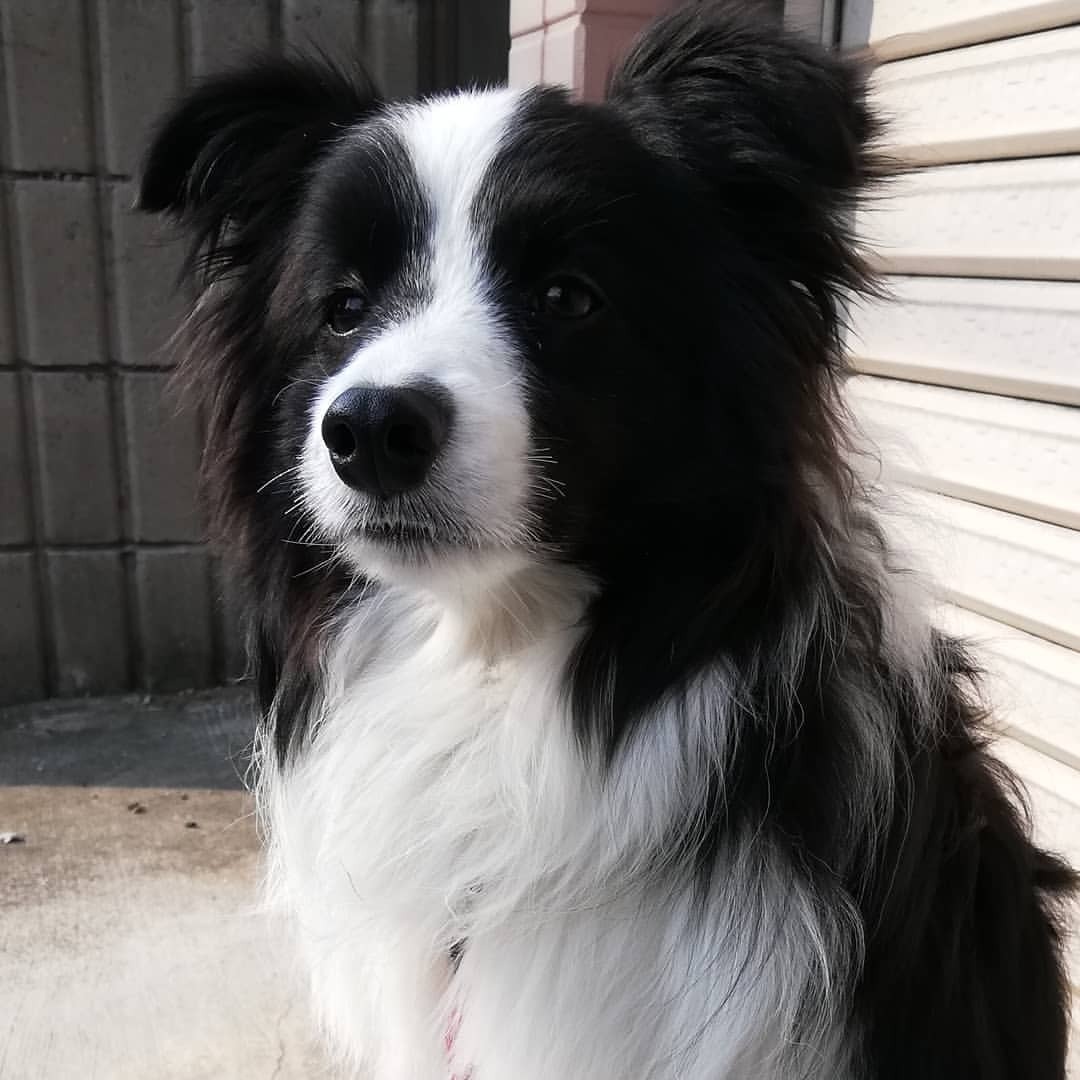
The Border Collie is a highly intelligent and energetic herding breed that originated in the border region between England and Scotland. Typically weighing between 30 to 45 pounds and standing 18 to 22 inches tall, they possess a well-proportioned, athletic build with a dense double coat that can be either smooth or rough. Renowned for their keen responsiveness and tenacity, Border Collies excel in herding livestock and are often employed in various dog sports, making them ideal companions for active families and individuals who can provide ample mental and physical stimulation. Their lifespan ranges from 12 to 16 years, and they are known for their affectionate and playful nature.
Border Collies are known for being tenacious, keen, energetic, responsive, alert, and intelligent, affectionate, friendly. As a high-energy breed, they are highly responsive to training and thrive with regular mental and physical activity. They are excellent with children of all ages and friendly with other dogs, making them a popular choice for families and experienced dog owners alike.
Caring for a Border Collie means committing to regular grooming (brushing several times a week), vigorous daily exercise, and consistent training from an early age. Their gentle, social nature makes them a wonderful addition to active families.
At a Glance
Quick Facts
- Breed Group:
- Herding
- Bred For:
- Sheep herder
- Origin:
- United Kingdom
- Life Span:
- 12 - 16 years
- Weight:
- 30 - 45 lbs
- Height:
- 18 - 22 in
Temperament
Free Border Collie Health Guide
Border Collies can be prone to Hip Dysplasia and other conditions. Get our owner's health checklist and monthly vet tips — free.
- ✓Border Collie-specific health warning signs
- ✓Vet visit checklist & cost tracker
- ✓Monthly breed health newsletter
Finding similar breeds...
How We Find Similar Breeds
We analyze breed characteristics including temperament, size, appearance, and care needs to identify the most similar dog breeds. This helps you discover alternatives that might be a good match for your lifestyle and preferences.
Explore Related Breeds & Guides
Adopt a Border Collie
Filter to show only purebred Border Collies (excludes mixed breeds and crosses)
Find Dogs Near You
Enter your location to discover adoptable pets nearby
How to Adopt a Border Collie
Follow these steps to ensure a smooth and responsible adoption process. Remember that adopting a dog is a lifelong commitment.
Research the Breed
Learn everything you can about Border Collies, including their temperament, exercise needs, grooming requirements, and potential health issues.
Find Reputable Sources
Look for adoptable dogs through shelters, rescue organizations, or responsible breeders. Avoid puppy mills and online scams.
Apply for Adoption
Complete an adoption application with your chosen organization. Be prepared to provide references and possibly go through a home visit.
Meet Your Potential Pet
Schedule a meeting with the dog to assess compatibility with you, your family, and any existing pets.
Prepare Your Home
Gather necessary supplies and dog-proof your home before bringing your new pet home.
1Essential Supplies
Food and water bowls, high-quality dog food, collar with ID tag, leash, bed, crate, toys, treats, grooming supplies, and cleaning products for accidents.
2Create a Safe Space
Designate an area where your dog can retreat when feeling overwhelmed. This could be a crate with comfortable bedding or a quiet corner with their bed.
3Remove Hazards
Secure or remove toxic plants, chemicals, small objects that could be swallowed, and foods that are harmful to dogs. Use baby gates if needed to restrict access to certain areas.
4Find a Veterinarian
Research and choose a veterinarian before bringing your dog home, and schedule an initial check-up shortly after adoption.
What is the dog's background and history?
Understanding a dog's past can help you anticipate potential behavior issues and provide appropriate support.
Has the dog been spayed/neutered and vaccinated?
This information is important for planning future veterinary care and understanding any immediate medical needs.
What is the dog's energy level and exercise needs?
Border Collies typically need regular exercise to stay healthy and happy. Ask about specific exercise requirements.
Has the dog been socialized with other animals and people?
This helps you understand how the dog might interact with your family, friends, and other pets.
Are there any known behavioral or health issues?
Knowing about existing issues helps you prepare for any special care or training needs.
Special Considerations for Border Collies
- Border Collies may have specific health concerns that require regular monitoring.
- Consider how the typical Border Collie temperament aligns with your lifestyle.
- Research the grooming needs of Border Collies to ensure you can commit to the required maintenance.
- Understand the exercise requirements of Border Collies to keep them healthy and prevent behavior problems.
- Learn about proper training methods that work well with Border Collies.
 Border Collie — Official AKC Breed VideoAmerican Kennel Club
Watch the official AKC video covering temperament, history, traits, and care.
Watch on YouTube →Product Recommendations for Border Collies
See all →Vet-reviewed picks for food, insurance, crates, brushes, treats, and toys — matched to this breed.
Compare Border Collie with Similar Breeds
See how the Border Collie stacks up against other breeds side by side.