

Border Terrier
Temperament
About the Border Terrier
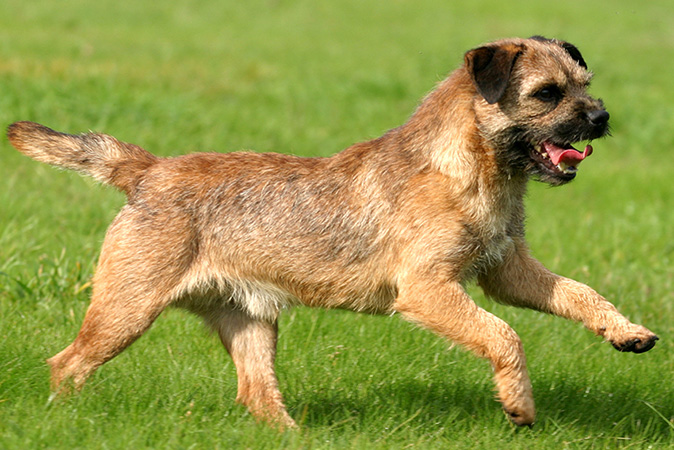
The Border Terrier is one of Britain's oldest working terriers, developed in the rugged hill country straddling Northumberland, England, and the Scottish border counties of Roxburghshire and Dumfriesshire. The breed's origins trace back to at least the 18th century, where farmers and shepherds needed a dog capable of keeping pace with horses during a hunt while still being small enough to bolt foxes and other vermin from their underground dens. The terrain was unforgiving — steep, rocky, and exposed — and the Border Terrier's physicality reflects every bit of that selection pressure. Long legs relative to other small terriers gave it the stride to cover ground quickly, while a narrow, flexible chest allowed it to squeeze through tight rock crevices.
The breed shares ancestry with two other terriers from the same Anglo-Scottish region: the Dandie Dinmont Terrier and the Bedlington Terrier. But where the Dandie Dinmont was refined into a more distinctive silhouette and the Bedlington took on a lamb-like appearance, the Border Terrier remained functionally plain — what VCA Animal Hospitals aptly describes as "the purebred mutt." It was never bred for the show ring first. Utility came before aesthetics, and that ethos is still visible in the breed's wiry, weather-resistant double coat and its hard, otter-shaped head.
The Border Terrier Club was founded in England in 1920, the same year The Kennel Club in Great Britain granted the breed official recognition. The American Kennel Club followed a decade later, recognizing the Border Terrier in 1930 and placing it in the Terrier Group. Today the breed ranks approximately 98th out of 205 recognized AKC breeds in popularity — a mid-tier ranking that has actually served the breed well, keeping it out of the commercialized overbreeding cycles that have damaged some more fashionable breeds.
In the United States, the Border Terrier Club of America serves as the AKC parent club for the breed and is the primary resource for breeder referrals, health research, and breed standards. The club has maintained a notably health-conscious culture, which has helped preserve the Border Terrier's working constitution even as the breed transitioned primarily into companion and sport dog roles. The breed continues to excel in earthdog trials, agility, and obedience competitions — not because it was redirected there artificially, but because its original drives translate naturally into performance sports. A Border Terrier in motion, scaling an agility course, looks exactly like what it is: a working terrier doing what working terriers were built to do.
At a Glance
Quick Facts
- Breed Group:
- Terrier
- Bred For:
- Fox bolting, ratting
- Origin:
- Great Britain
- Life Span:
- 12 - 14 years
- Weight:
- 11.5 - 15.5 lbs
- Height:
- 11 - 16 in
💰 Border Terrier Cost Guide
Food · Vet · Grooming · Insurance · Full breakdown
Frequently Asked Questions
What is the temperament of a Border Terrier?
Border Terriers are known to be fearless, affectionate, alert, obedient, intelligent, even tempered, gentle, loyal, curious, friendly, playful, brave. This combination of traits makes them excellent companions for families with children. Their temperament is influenced by both genetics and proper socialization from an early age.
How much exercise does a Border Terrier need?
Border Terriers are high-energy dogs requiring 60+ minutes of vigorous daily exercise and mental stimulation.
How often should I groom my Border Terrier?
Border Terriers require intensive grooming with daily brushing and regular professional grooming sessions.
How do I train a Border Terrier?
Border Terriers are highly trainable and typically respond well to positive reinforcement methods.
Are Border Terriers good with children?
Border Terriers are excellent with children. Their natural patience, gentle nature, and resilience make them outstanding family dogs. They typically form strong bonds with children and tend to be forgiving of the occasional accidental rough handling that can occur with younger kids. Remember that proper socialization and teaching children appropriate interaction with dogs are always important, regardless of breed.
What makes the Border Terrier unique compared to other dog breeds?
The Border Terrier stands out from other breeds due to its rich heritage from Great Britain, specialized abilities for fox bolting, ratting. This unique combination of characteristics makes them special among dog breeds and appeals to owners who appreciate these distinct qualities. Understanding these traits helps provide appropriate care tailored to their specific needs.
What should I know before getting a Border Terrier?
Before bringing a Border Terrier into your home, potential owners should consider: They have high exercise requirements (4/5) and need an active owner. Their coat requires significant maintenance (5/5) with regular grooming sessions. They typically excel in family environments with children (5/5 child-friendliness). They're typically highly trainable (4/5) and eager to learn. They may be prone to breed-specific health issues including Patellar Luxation, Canine Epileptoid Cramping Syndrome (CECS), Hip Dysplasia, Heart Defects, Hypothyroidism. Additionally, researching reputable breeders or rescue organizations is essential for finding a healthy, well-socialized Border Terrier. Understanding these factors will help ensure a good match between the breed and your lifestyle, leading to a happy relationship for both you and your dog.
What were Border Terriers originally bred for?
Border Terriers were originally bred for fox bolting, ratting. As part of the Terrier group, they share characteristics with other breeds developed for similar purposes. Understanding your Border Terrier's breeding heritage helps explain many of their natural behaviors and instincts, which can be channeled appropriately through training and enrichment activities. Even though modern Border Terriers are primarily companions, these inherent traits remain part of their genetic makeup.
How long do Border Terriers typically live?
The average lifespan of a Border Terrier is 12 - 14 years. With proper care including quality nutrition, regular veterinary check-ups, appropriate exercise, and preventative healthcare, some Border Terriers may live beyond this range. Genetics, environment, and healthcare all play important roles in determining longevity.
Do Border Terriers shed a lot?
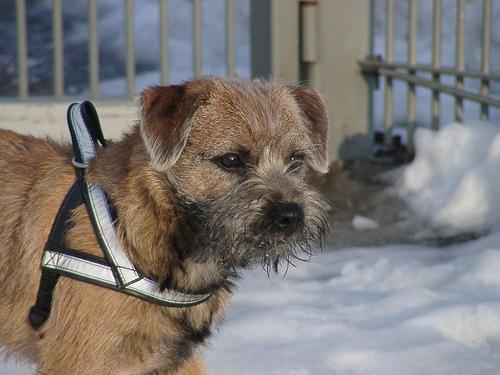
Border Terriers have a dense, wiry double coat that sheds minimally compared to many breeds, but they are not completely non-shedding. The outer coat is coarse and holds dead hair rather than releasing it freely, which is why the breed is often described as low-shedding. However, the undercoat does shed seasonally, typically twice a year, and during these periods more hair becomes noticeable. The critical maintenance practice for this breed is hand-stripping rather than clipping — a process of pulling dead outer coat by hand or with a stripping knife to allow fresh coat growth. Owners who clip the coat instead will eventually lose the texture and color density that characterizes the breed, and the coat becomes softer and less weather-resistant over time.
Are Border Terriers good with cats?
Border Terriers were bred specifically to pursue and bolt small animals, and that prey drive is genuine and persistent. How a specific Border Terrier coexists with cats depends heavily on early socialization and the individual dog's prey drive intensity. Border Terriers raised alongside cats from puppyhood and correctly socialized during the critical window before sixteen weeks often learn to treat household cats as family rather than prey. However, outdoor cats or unfamiliar cats encountered during walks are an entirely different matter — most Border Terriers will give chase regardless of in-home relationships. Adult Border Terriers being introduced to a cat-owning household require careful, slow introductions and should never be left unsupervised until the relationship is genuinely stable over several months.
What is Spike's Disease in Border Terriers?
Spike's Disease is the informal name for Canine Epileptoid Cramping Syndrome, or CECS, a condition found primarily in Border Terriers. It is named after a Border Terrier named Spike, whose owners were among the first to document and publicize the condition. Affected dogs experience episodes of muscle tremoring, stomach cramping, retching, and loss of coordination that can resemble epileptic seizures but are neurologically distinct. Episodes can last from a few minutes to several hours and vary significantly in frequency between affected dogs. The condition does not respond consistently to anti-epileptic medication, and some owners and veterinary researchers have noted improvement following a gluten-free diet, though this connection has not been definitively proven. Any Border Terrier showing these symptoms should be evaluated by a veterinarian familiar with CECS to rule out true epilepsy and develop an appropriate management plan.
How much exercise does a Border Terrier need daily?
Border Terriers need more daily exercise than their small size suggests. These were dogs bred to run alongside horses across rough terrain for hours, and that endurance is still very much part of the modern breed. A minimum of 45 to 60 minutes of active exercise per day is appropriate for an adult Border Terrier, and this should include off-leash time in a securely fenced area where the dog can run and engage its senses fully. On-leash walks alone are not sufficient — they provide physical movement but limited mental engagement. Border Terriers also benefit from nose work, earthdog trials, agility, and interactive play sessions that engage their problem-solving ability. Under-exercised Border Terriers will find their own outlets, typically through digging, barking, or destructive behavior indoors. The breed's energy level does moderate somewhat with age, but even senior Border Terriers remain more active than many comparably sized companion breeds.
Additional Characteristics
Care Requirements
They are high-energy dogs that need significant daily exercise and mental stimulation.
They have very high maintenance coats requiring daily brushing and regular professional grooming.
Highly trainable — quick to learn and eager to please
They are excellent with children and often form strong bonds with them.
Border Terrier
Complete Breed Guide
About the Border Terrier
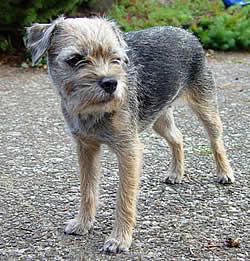
The Border Terrier originated in the border region between England and Scotland, primarily bred for hunting foxes and other small game. This small, sturdy breed typically weighs between 11.5 to 15.5 pounds and stands 11 to 16 inches tall, featuring a wiry coat that can be grizzle and tan or blue and tan. Known for their fearless and affectionate temperament, Border Terriers are intelligent, alert, and loyal companions, making them excellent family pets and versatile working dogs. Their playful nature and athleticism also contribute to their popularity in various dog sports.
Border Terriers are known for being fearless, affectionate, alert, obedient, intelligent, and even tempered, gentle, loyal. As a high-energy breed, they are highly responsive to training and thrive with regular mental and physical activity. They are excellent with children of all ages and friendly with other dogs, making them a popular choice for families and experienced dog owners alike.
Caring for a Border Terrier means committing to regular grooming (brushing several times a week), vigorous daily exercise, and consistent training from an early age. Their gentle, social nature makes them a wonderful addition to active families.
At a Glance
Quick Facts
- Breed Group:
- Terrier
- Bred For:
- Fox bolting, ratting
- Origin:
- Great Britain
- Life Span:
- 12 - 14 years
- Weight:
- 11.5 - 15.5 lbs
- Height:
- 11 - 16 in
Temperament
Free Border Terrier Health Guide
Border Terriers can be prone to Patellar Luxation and other conditions. Get our owner's health checklist and monthly vet tips — free.
- ✓Border Terrier-specific health warning signs
- ✓Vet visit checklist & cost tracker
- ✓Monthly breed health newsletter
Finding similar breeds...
How We Find Similar Breeds
We analyze breed characteristics including temperament, size, appearance, and care needs to identify the most similar dog breeds. This helps you discover alternatives that might be a good match for your lifestyle and preferences.
Explore Related Breeds & Guides
Adopt a Border Terrier
Filter to show only purebred Border Terriers (excludes mixed breeds and crosses)
Find Dogs Near You
Enter your location to discover adoptable pets nearby
How to Adopt a Border Terrier
Follow these steps to ensure a smooth and responsible adoption process. Remember that adopting a dog is a lifelong commitment.
Research the Breed
Learn everything you can about Border Terriers, including their temperament, exercise needs, grooming requirements, and potential health issues.
Find Reputable Sources
Look for adoptable dogs through shelters, rescue organizations, or responsible breeders. Avoid puppy mills and online scams.
Apply for Adoption
Complete an adoption application with your chosen organization. Be prepared to provide references and possibly go through a home visit.
Meet Your Potential Pet
Schedule a meeting with the dog to assess compatibility with you, your family, and any existing pets.
Prepare Your Home
Gather necessary supplies and dog-proof your home before bringing your new pet home.
1Essential Supplies
Food and water bowls, high-quality dog food, collar with ID tag, leash, bed, crate, toys, treats, grooming supplies, and cleaning products for accidents.
2Create a Safe Space
Designate an area where your dog can retreat when feeling overwhelmed. This could be a crate with comfortable bedding or a quiet corner with their bed.
3Remove Hazards
Secure or remove toxic plants, chemicals, small objects that could be swallowed, and foods that are harmful to dogs. Use baby gates if needed to restrict access to certain areas.
4Find a Veterinarian
Research and choose a veterinarian before bringing your dog home, and schedule an initial check-up shortly after adoption.
What is the dog's background and history?
Understanding a dog's past can help you anticipate potential behavior issues and provide appropriate support.
Has the dog been spayed/neutered and vaccinated?
This information is important for planning future veterinary care and understanding any immediate medical needs.
What is the dog's energy level and exercise needs?
Border Terriers typically need regular exercise to stay healthy and happy. Ask about specific exercise requirements.
Has the dog been socialized with other animals and people?
This helps you understand how the dog might interact with your family, friends, and other pets.
Are there any known behavioral or health issues?
Knowing about existing issues helps you prepare for any special care or training needs.
Special Considerations for Border Terriers
- Border Terriers may have specific health concerns that require regular monitoring.
- Consider how the typical Border Terrier temperament aligns with your lifestyle.
- Research the grooming needs of Border Terriers to ensure you can commit to the required maintenance.
- Understand the exercise requirements of Border Terriers to keep them healthy and prevent behavior problems.
- Learn about proper training methods that work well with Border Terriers.
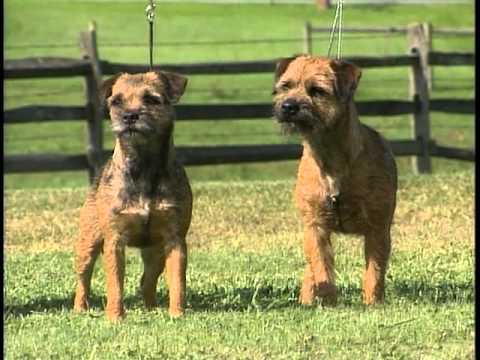 Border Terrier — Official AKC Breed VideoAmerican Kennel Club
Watch the official AKC video covering temperament, history, traits, and care.
Watch on YouTube →Product Recommendations for Border Terriers
See all →Vet-reviewed picks for food, insurance, crates, brushes, treats, and toys — matched to this breed.
Compare Border Terrier with Similar Breeds
See how the Border Terrier stacks up against other breeds side by side.