

Boston Terrier
Temperament
About the Boston Terrier
The Boston Terrier is one of the few dog breeds that can claim a genuinely American origin story, and it begins with a single dog named Hooper's Judge. Around 1870, a Boston man named Robert C. Hooper acquired a cross between an English Bulldog and a white English Terrier — a muscular, heavy-boned dog that became the foundational sire of the entire breed. Hooper's Judge was bred down in size over subsequent generations through careful crosses, likely with the French Bulldog and possibly the Pit Bull Terrier, until breeders in the Boston area had produced the compact, smooth-coated companion recognizable today. The breed's early purpose was far removed from its current reputation — these dogs were originally bred for pit fighting and rat baiting, making the modern Boston's gentle temperament all the more remarkable as a product of deliberate selection.
In 1891, enthusiasts formed the American Bull Terrier Club, though that name drew immediate objections from Bull Terrier and Bulldog fanciers who felt it misrepresented their breeds. The name was changed to the Boston Terrier Club of America, and in 1893 the American Kennel Club formally recognized the Boston Terrier — making it one of the first breeds of American origin to receive AKC recognition. The Boston Terrier Club of America remains the AKC parent club today and sets the breed standard, which specifies three weight classes: under 15 pounds, 15 pounds and under 20 pounds, and 20 pounds and not to exceed 25 pounds.
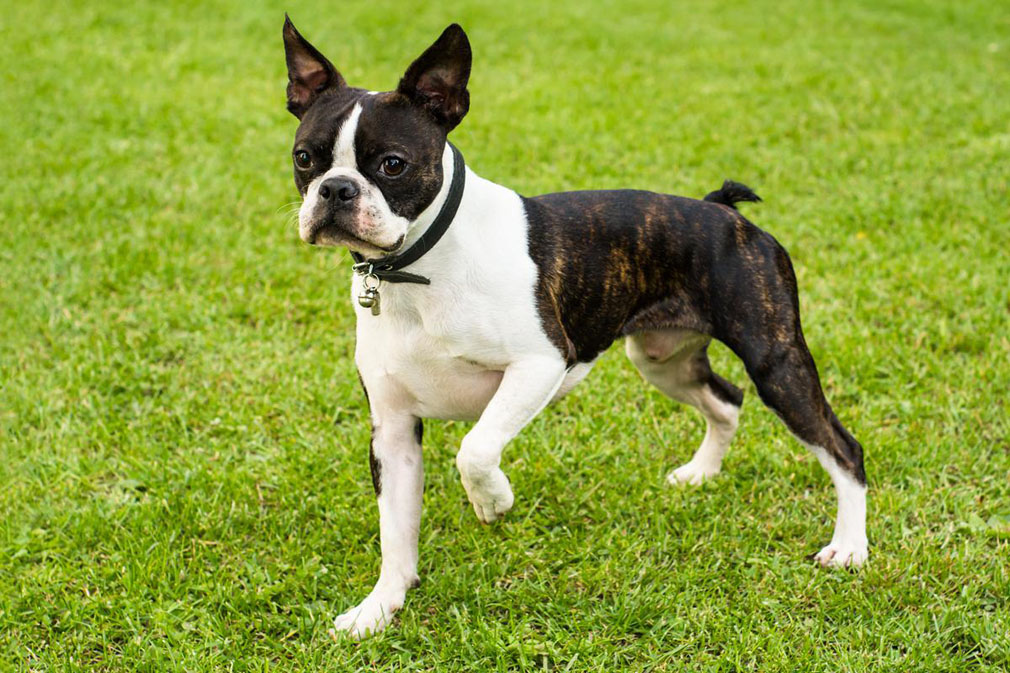
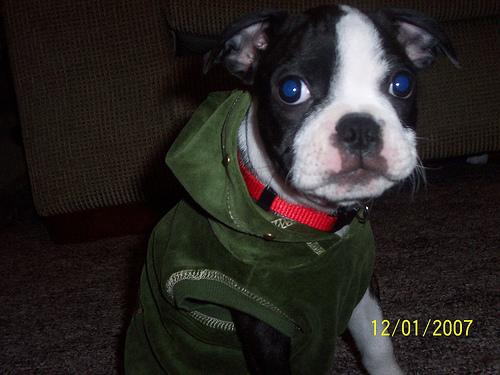
What distinguishes the Boston Terrier from its closest relatives — the French Bulldog and the English Bulldog — is its overall balance and athletic build. The Boston is squarer in profile than either, with a longer leg relative to body length, a flat but not as dramatically wrinkled face, and a natural short tail that is not docked. Its erect, naturally upright ears are a defining characteristic that breeders take seriously in the show ring. The distinctive tuxedo pattern — white muzzle band, white blaze, white chest, and white forelegs against a black, brindle, or seal base — is so consistent that the AKC breed standard specifically requires it. A Boston without these markings can be registered but will not conform to standard.
As of 2024, the Boston Terrier ranked 23rd in AKC registration statistics out of 205 recognized breeds, reflecting its enduring popularity as an urban companion. The breed has held the unofficial title of "The American Gentleman" for over a century, a nickname that speaks equally to its dapper appearance and its characteristically mannerly behavior.
At a Glance
Quick Facts
- Breed Group:
- Non-Sporting
- Bred For:
- Ratting, Companionship
- Origin:
- United States
- Life Span:
- 11 - 13 years
- Weight:
- 10 - 25 lbs
- Height:
- 16 - 17 in
💰 Boston Terrier Cost Guide
Food · Vet · Grooming · Insurance · Full breakdown
Frequently Asked Questions
What is the temperament of a Boston Terrier?
Boston Terriers are known to be friendly, lively, intelligent, affectionate, curious, gentle, quiet, brave, playful, loyal, protective. This combination of traits makes them excellent companions for families with children. Their temperament is influenced by both genetics and proper socialization from an early age.
How much exercise does a Boston Terrier need?
Boston Terriers are high-energy dogs requiring 60+ minutes of vigorous daily exercise and mental stimulation.
How often should I groom my Boston Terrier?
Boston Terriers require intensive grooming with daily brushing and regular professional grooming sessions.
How do I train a Boston Terrier?
Boston Terriers may require extra patience during training and respond best to positive, consistent methods.
Are Boston Terriers good with children?
Boston Terriers are excellent with children. Their natural patience, gentle nature, and resilience make them outstanding family dogs. They typically form strong bonds with children and tend to be forgiving of the occasional accidental rough handling that can occur with younger kids. Remember that proper socialization and teaching children appropriate interaction with dogs are always important, regardless of breed.
What makes the Boston Terrier unique compared to other dog breeds?
The Boston Terrier stands out from other breeds due to its rich heritage from United States, specialized companion qualities. This unique combination of characteristics makes them special among dog breeds and appeals to owners who appreciate these distinct qualities. Understanding these traits helps provide appropriate care tailored to their specific needs.
What should I know before getting a Boston Terrier?
Before bringing a Boston Terrier into your home, potential owners should consider: They have high exercise requirements (5/5) and need an active owner. Their coat requires significant maintenance (5/5) with regular grooming sessions. They typically excel in family environments with children (5/5 child-friendliness). They can be challenging to train (2/5) and are better suited for experienced dog owners. They may be prone to breed-specific health issues including Brachycephalic Obstructive Airway Syndrome, Patellar Luxation, Cataracts, Deafness, Corneal Ulcers, Hemivertebrae. Additionally, researching reputable breeders or rescue organizations is essential for finding a healthy, well-socialized Boston Terrier. Understanding these factors will help ensure a good match between the breed and your lifestyle, leading to a happy relationship for both you and your dog.
What were Boston Terriers originally bred for?
Boston Terriers were originally bred for ratting, companionship. This companion-focused breeding has resulted in their affectionate, people-oriented temperament that makes them excellent pets. As part of the Non-Sporting group, they share characteristics with other breeds developed for similar purposes. Understanding your Boston Terrier's breeding heritage helps explain many of their natural behaviors and instincts, which can be channeled appropriately through training and enrichment activities. Even though modern Boston Terriers are primarily companions, these inherent traits remain part of their genetic makeup.
How long do Boston Terriers typically live?
The average lifespan of a Boston Terrier is 11 - 13 years. With proper care including quality nutrition, regular veterinary check-ups, appropriate exercise, and preventative healthcare, some Boston Terriers may live beyond this range. Genetics, environment, and healthcare all play important roles in determining longevity.
Do Boston Terriers have breathing problems?
Yes, breathing problems are a genuine and common concern in Boston Terriers. The breed is brachycephalic, meaning their shortened skull structure can cause Brachycephalic Obstructive Airway Syndrome (BOAS), which involves narrowed nostrils, an elongated soft palate, and sometimes a narrowed trachea. Affected dogs snore, snort, struggle in heat and humidity, and may show exercise intolerance. Not every Boston Terrier requires surgery, but the condition should be evaluated by a veterinarian. Responsible breeders select for wider nostrils and better airway function to reduce severity across generations. Boston Terriers are generally less severely affected than French Bulldogs or English Bulldogs, but the risk is real and owners should never leave a Boston in a hot car or force sustained aerobic exercise in warm weather.
Are Boston Terriers good apartment dogs?
Boston Terriers are well-suited to apartment living for several practical reasons. They are small — typically 10 to 25 pounds — quiet relative to many other breeds, and do not require a yard to be physically satisfied. Their exercise needs are moderate, and a couple of daily walks plus indoor play generally keeps them content. They are people-oriented and thrive in close-quarters living where they can be near their family throughout the day. One caveat: Boston Terriers are prone to separation anxiety, so apartment owners who work long hours without a dog walker or daycare arrangement may find the dog develops destructive or vocal habits. Their brachycephalic anatomy also means they do better in climate-controlled environments, making apartments with reliable air conditioning actually preferable to outdoor exposure in summer heat.
What is the difference between a Boston Terrier and a French Bulldog?
Boston Terriers and French Bulldogs are frequently confused, but they are distinct breeds with different origins, builds, and temperaments. The Boston Terrier originated in the United States in the 1870s and has a squarer, more athletic build with naturally erect, pointed ears. The French Bulldog was developed in France from English Bulldogs crossed with Parisian ratters and has a heavier, more barrel-shaped body with rounder bat ears set wider on the skull. Boston Terriers have a longer leg relative to body length and a generally lighter frame; French Bulldogs are stockier and lower to the ground. Both breeds are brachycephalic, but French Bulldogs tend to have more dramatically compressed faces and correspondingly more severe BOAS on average. In temperament, Boston Terriers are often described as slightly more alert and energetic, while French Bulldogs tend to be more laid-back. Both make excellent urban companions, but they are not interchangeable.
Additional Characteristics
Care Requirements
They are extremely energetic dogs requiring extensive daily exercise, activities, and mental stimulation.
They have very high maintenance coats requiring daily brushing and regular professional grooming.
May require extra patience — better suited for experienced owners
They are excellent with children and often form strong bonds with them.
Boston Terrier
Complete Breed Guide
About the Boston Terrier
The Boston Terrier originated in the United States in the late 19th century, developed from a cross between the English Bulldog and the now-extinct English Terrier. This breed typically weighs between 10 to 25 pounds and stands 16 to 17 inches tall, characterized by its compact build, short muzzle, and distinctive tuxedo-like coat pattern. Known for their friendly and intelligent temperament, Boston Terriers are affectionate companions that thrive in family environments, making them excellent pets for various households.
Boston Terriers are known for being friendly, lively, intelligent, affectionate, curious, and gentle, quiet, brave. As a high-energy breed, they are independent-minded and requiring patient, consistent training and thrive with regular mental and physical activity. They are excellent with children of all ages and friendly with other dogs, making them a popular choice for families and experienced dog owners alike.
Caring for a Boston Terrier means committing to regular grooming (brushing several times a week), intense daily exercise, and firm, consistent training. Their gentle, social nature makes them a wonderful addition to active families.
At a Glance
Quick Facts
- Breed Group:
- Non-Sporting
- Bred For:
- Ratting, Companionship
- Origin:
- United States
- Life Span:
- 11 - 13 years
- Weight:
- 10 - 25 lbs
- Height:
- 16 - 17 in
Temperament
Free Boston Terrier Health Guide
Boston Terriers can be prone to Brachycephalic Obstructive Airway Syndrome and other conditions. Get our owner's health checklist and monthly vet tips — free.
- ✓Boston Terrier-specific health warning signs
- ✓Vet visit checklist & cost tracker
- ✓Monthly breed health newsletter
Finding similar breeds...
How We Find Similar Breeds
We analyze breed characteristics including temperament, size, appearance, and care needs to identify the most similar dog breeds. This helps you discover alternatives that might be a good match for your lifestyle and preferences.
Explore Related Breeds & Guides
Adopt a Boston Terrier
Filter to show only purebred Boston Terriers (excludes mixed breeds and crosses)
Find Dogs Near You
Enter your location to discover adoptable pets nearby
How to Adopt a Boston Terrier
Follow these steps to ensure a smooth and responsible adoption process. Remember that adopting a dog is a lifelong commitment.
Research the Breed
Learn everything you can about Boston Terriers, including their temperament, exercise needs, grooming requirements, and potential health issues.
Find Reputable Sources
Look for adoptable dogs through shelters, rescue organizations, or responsible breeders. Avoid puppy mills and online scams.
Apply for Adoption
Complete an adoption application with your chosen organization. Be prepared to provide references and possibly go through a home visit.
Meet Your Potential Pet
Schedule a meeting with the dog to assess compatibility with you, your family, and any existing pets.
Prepare Your Home
Gather necessary supplies and dog-proof your home before bringing your new pet home.
1Essential Supplies
Food and water bowls, high-quality dog food, collar with ID tag, leash, bed, crate, toys, treats, grooming supplies, and cleaning products for accidents.
2Create a Safe Space
Designate an area where your dog can retreat when feeling overwhelmed. This could be a crate with comfortable bedding or a quiet corner with their bed.
3Remove Hazards
Secure or remove toxic plants, chemicals, small objects that could be swallowed, and foods that are harmful to dogs. Use baby gates if needed to restrict access to certain areas.
4Find a Veterinarian
Research and choose a veterinarian before bringing your dog home, and schedule an initial check-up shortly after adoption.
What is the dog's background and history?
Understanding a dog's past can help you anticipate potential behavior issues and provide appropriate support.
Has the dog been spayed/neutered and vaccinated?
This information is important for planning future veterinary care and understanding any immediate medical needs.
What is the dog's energy level and exercise needs?
Boston Terriers typically need regular exercise to stay healthy and happy. Ask about specific exercise requirements.
Has the dog been socialized with other animals and people?
This helps you understand how the dog might interact with your family, friends, and other pets.
Are there any known behavioral or health issues?
Knowing about existing issues helps you prepare for any special care or training needs.
Special Considerations for Boston Terriers
- Boston Terriers may have specific health concerns that require regular monitoring.
- Consider how the typical Boston Terrier temperament aligns with your lifestyle.
- Research the grooming needs of Boston Terriers to ensure you can commit to the required maintenance.
- Understand the exercise requirements of Boston Terriers to keep them healthy and prevent behavior problems.
- Learn about proper training methods that work well with Boston Terriers.
 Boston Terrier — Official AKC Breed VideoAmerican Kennel Club
Watch the official AKC video covering temperament, history, traits, and care.
Watch on YouTube →Product Recommendations for Boston Terriers
See all →Vet-reviewed picks for food, insurance, crates, brushes, treats, and toys — matched to this breed.
Compare Boston Terrier with Similar Breeds
See how the Boston Terrier stacks up against other breeds side by side.