
Brittany
Temperament
About the Brittany
The Brittany is one of the oldest pointing breeds developed in France, tracing its documented origins to the Brittany region of northwestern France — a Celtic peninsula with a distinct cultural identity that shaped the working dogs bred there. Early depictions of orange-and-white pointing dogs appearing in 17th-century tapestries and paintings from the region suggest the breed's ancestors were well-established long before formal registry records existed. The first written accounts of what we now recognize as the Brittany date to the mid-1800s, when hunters in the region prized a compact, bob-tailed or naturally tailless dog that could point and retrieve across the dense hedgerows and varied terrain of western France.
Formal breed development began in earnest in the late 19th and early 20th centuries. Arthur Enaud, a French sportsman, is widely credited with standardizing the breed in the early 1900s, and the first Brittany stud book was established in France in 1907. The breed was first shown publicly in 1896 at a show in Loudéac, Brittany. French and English Setters, along with possibly English Pointers, are believed to have been crossed into the early bloodlines, which explains the Brittany's range-running style and keen nose that more closely resembles a setter than a spaniel.
The "Spaniel" designation caused considerable confusion throughout the breed's history. In France and much of Europe, the Brittany is classified as a pointing breed under the Epagneul Breton name. The American Kennel Club originally registered the dog as the Brittany Spaniel when it granted recognition in 1934, but dropped "Spaniel" from the official name in 1982 to better reflect how the dog actually hunts. The American Brittany Club, founded in 1942, serves as the AKC parent club and remains active in preserving dual-purpose working and conformation standards.
What distinguishes the Brittany from related sporting breeds is its unique combination of size and versatility. Weighing between 30 and 45 pounds, it is compact enough to work in tight cover yet athletic enough to cover large ground like a much bigger dog. Unlike the Irish or English Setter, the Brittany retrieves naturally and is expected to perform both pointing and retrieving functions. It consistently ranks among the top AKC sporting breeds, sitting at approximately 31st in breed popularity out of 205 recognized breeds — a reflection of its enduring appeal to both serious bird hunters and active families.
At a Glance
Quick Facts
- Breed Group:
- Sporting
- Bred For:
- Pointing, retrieving
- Origin:
- France
- Life Span:
- 12 - 14 years
- Weight:
- 30 - 45 lbs
- Height:
- 17.5 - 20.5 in
💰 Brittany Cost Guide
Food · Vet · Grooming · Insurance · Full breakdown
Frequently Asked Questions
What is the temperament of a Brittany?
Brittanys are known to be agile, adaptable, quick, intelligent, attentive, happy. This combination of traits makes them highly trainable and suitable for various dog activities and sports. Their temperament is influenced by both genetics and proper socialization from an early age.
How much exercise does a Brittany need?
Brittanys are high-energy dogs requiring 60+ minutes of vigorous daily exercise and mental stimulation.
How often should I groom my Brittany?
Brittanys need moderate grooming including brushing 2-3 times weekly and regular maintenance.
How do I train a Brittany?
Brittanys are highly trainable and typically respond well to positive reinforcement methods.
Are Brittanys good with children?
Brittanys are generally not recommended with children. They generally prefer calm, predictable environments and may become stressed by the unpredictable movements and loud sounds typical of young children. Households with older, respectful children may be more suitable. Remember that proper socialization and teaching children appropriate interaction with dogs are always important, regardless of breed.
What makes the Brittany unique compared to other dog breeds?
The Brittany stands out from other breeds due to its rich heritage from France, specialized abilities for pointing, retrieving. This unique combination of characteristics makes them special among dog breeds and appeals to owners who appreciate these distinct qualities. Understanding these traits helps provide appropriate care tailored to their specific needs.
What should I know before getting a Brittany?
Before bringing a Brittany into your home, potential owners should consider: They have high exercise requirements (5/5) and need an active owner. They may not be ideal for families with young children (2/5 child-friendliness). They're typically highly trainable (4/5) and eager to learn. They may be prone to breed-specific health issues including Hip Dysplasia, Epilepsy, Hypothyroidism, Canine Discoid Lupus Erythematosus. Additionally, researching reputable breeders or rescue organizations is essential for finding a healthy, well-socialized Brittany. Understanding these factors will help ensure a good match between the breed and your lifestyle, leading to a happy relationship for both you and your dog.
What were Brittanys originally bred for?
Brittanys were originally bred for pointing, retrieving. As part of the Sporting group, they share characteristics with other breeds developed for similar purposes. Understanding your Brittany's breeding heritage helps explain many of their natural behaviors and instincts, which can be channeled appropriately through training and enrichment activities. Even though modern Brittanys are primarily companions, these inherent traits remain part of their genetic makeup.
How long do Brittanys typically live?
The average lifespan of a Brittany is 12 - 14 years. With proper care including quality nutrition, regular veterinary check-ups, appropriate exercise, and preventative healthcare, some Brittanys may live beyond this range. Genetics, environment, and healthcare all play important roles in determining longevity.
Are Brittanys good family dogs for active households?
Brittanys can be excellent family dogs for active households, but the match depends heavily on how much daily exercise and engagement a family can realistically provide. This is a high-energy sporting breed that was developed to work all day in the field, and a Brittany that receives less than 60 to 90 minutes of vigorous exercise daily will often redirect that energy into destructive or anxiety-driven behavior indoors. Families with children who enjoy outdoor activities — hiking, running, fetch, or swimming — tend to be the best fit. The Brittany's naturally happy and attentive temperament makes it gentle and affectionate with children, but its energy and enthusiasm can easily knock over very small children during play. With proper exercise and consistent structure, Brittanys are loyal, engaged, and genuinely joyful family companions.
Do Brittanys do well in apartments?
Brittanys can technically live in apartments, but it requires a significant commitment from the owner to meet the dog's exercise needs through daily outdoor activity since the breed has no access to a yard. A Brittany in an apartment that receives two structured exercise sessions per day — morning and evening — totaling at least 90 minutes of genuine physical exertion can adapt reasonably well. However, Brittanys that are under-exercised in small living spaces are prone to developing nuisance behaviors including excessive barking, destructive chewing, and restlessness. Owners in urban environments who work from home or have flexible schedules that allow for midday exercise tend to manage apartment Brittanys more successfully than those working long office hours. A dog door to a shared outdoor space does not substitute for active, structured exercise with a human.
How much exercise does a Brittany need every day?
A healthy adult Brittany needs a minimum of 60 to 90 minutes of vigorous exercise per day, and dogs from active hunting lines often need more than that to be genuinely settled at home. This isn't the kind of exercise need that can be met by a leisurely walk around the block. Brittanys need opportunities to run at full speed, whether through off-leash time in a safely fenced area, structured fetch, swimming, trail running, or field work. Mental exercise matters nearly as much as physical activity for this breed — nose work, retrieving games with variable rewards, and training sessions that require problem-solving all help satisfy the Brittany's working drive. Puppies under 18 months should not be pushed into excessive forced exercise such as long runs on hard surfaces, as their growth plates are still developing, but they still need substantial interactive play and structured activity daily.
What is the difference between a French Brittany and an American Brittany?
The French Brittany, also known as the Epagneul Breton, and the American Brittany are descendants of the same foundational breed but have diverged meaningfully over the past century of selective breeding on different continents. American Brittanys have been bred to cover more ground at faster speeds, reflecting the preference of American field trial competition for wide-ranging dogs that work at significant distances from the hunter. French Brittanys, by contrast, are bred to work in closer proximity to the hunter — typically within gun range — which suits the dense terrain and different hunting traditions of western France. Structurally, French Brittanys tend to be slightly smaller and are more frequently born with natural bobtails. American Brittanys are recognized and registered by the AKC, while the French Brittany is registered under the FCI standard. The two types can interbreed, but field trial and conformation judges in each country apply different standards, and the two populations are increasingly distinct in both appearance and working style.
Additional Characteristics
Care Requirements
They are extremely energetic dogs requiring extensive daily exercise, activities, and mental stimulation.
They need moderate grooming, including regular brushing and occasional professional care.
Highly trainable — quick to learn and eager to please
They can be suitable with older, respectful children but may not be ideal for young children.
Brittany
Complete Breed Guide
About the Brittany
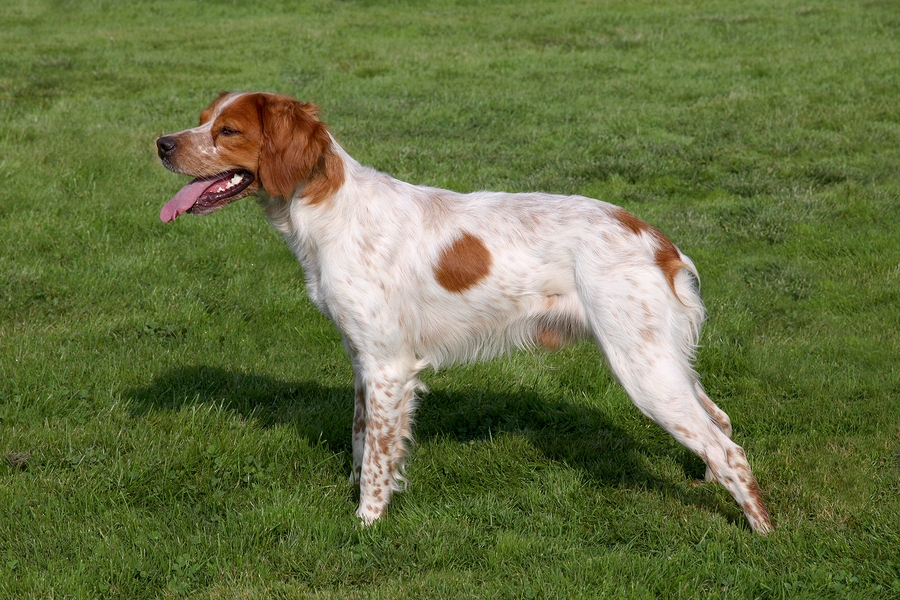
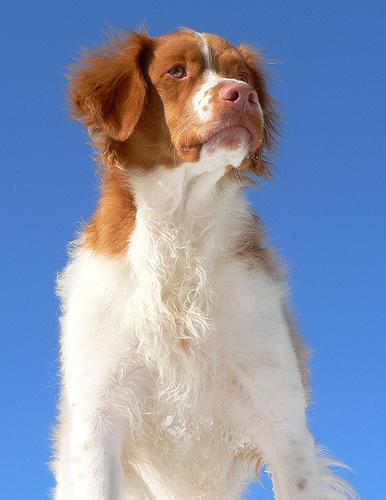
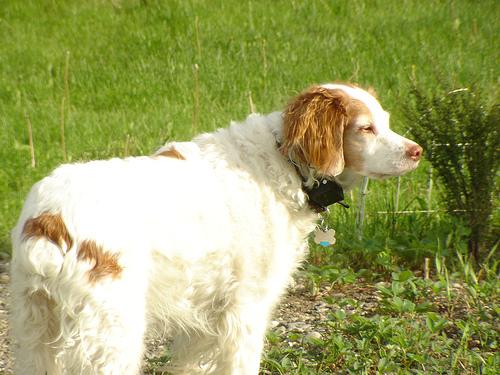
The Brittany is a versatile sporting dog that originated in the Bretagne region of France, where it was developed for hunting game birds. Typically weighing between 30 to 45 pounds and standing 17.5 to 20.5 inches tall, this breed features a compact, athletic build with a distinctive orange and white or liver and white coat. Known for their agility and intelligence, Brittanys are often used as hunting companions and excel in activities such as field trials and agility competitions, displaying a temperament that is adaptable, attentive, and eager to please. Their lifespan ranges from 12 to 14 years.
Brittanys are known for being agile, adaptable, quick, intelligent, attentive, and happy. As a high-energy breed, they are highly responsive to training and thrive with regular mental and physical activity. They are better suited to households without young children and friendly with other dogs, making them a popular choice for families and experienced dog owners alike.
Caring for a Brittany means committing to moderate grooming every week or two, intense daily exercise, and firm, consistent training. They do best in structured environments with experienced dog owners.
At a Glance
Quick Facts
- Breed Group:
- Sporting
- Bred For:
- Pointing, retrieving
- Origin:
- France
- Life Span:
- 12 - 14 years
- Weight:
- 30 - 45 lbs
- Height:
- 17.5 - 20.5 in
Temperament
Free Brittany Health Guide
Brittanys can be prone to Hip Dysplasia and other conditions. Get our owner's health checklist and monthly vet tips — free.
- ✓Brittany-specific health warning signs
- ✓Vet visit checklist & cost tracker
- ✓Monthly breed health newsletter
Finding similar breeds...
How We Find Similar Breeds
We analyze breed characteristics including temperament, size, appearance, and care needs to identify the most similar dog breeds. This helps you discover alternatives that might be a good match for your lifestyle and preferences.
Explore Related Breeds & Guides
Adopt a Brittany
Filter to show only purebred Brittanys (excludes mixed breeds and crosses)
Find Dogs Near You
Enter your location to discover adoptable pets nearby
How to Adopt a Brittany
Follow these steps to ensure a smooth and responsible adoption process. Remember that adopting a dog is a lifelong commitment.
Research the Breed
Learn everything you can about Brittanys, including their temperament, exercise needs, grooming requirements, and potential health issues.
Find Reputable Sources
Look for adoptable dogs through shelters, rescue organizations, or responsible breeders. Avoid puppy mills and online scams.
Apply for Adoption
Complete an adoption application with your chosen organization. Be prepared to provide references and possibly go through a home visit.
Meet Your Potential Pet
Schedule a meeting with the dog to assess compatibility with you, your family, and any existing pets.
Prepare Your Home
Gather necessary supplies and dog-proof your home before bringing your new pet home.
1Essential Supplies
Food and water bowls, high-quality dog food, collar with ID tag, leash, bed, crate, toys, treats, grooming supplies, and cleaning products for accidents.
2Create a Safe Space
Designate an area where your dog can retreat when feeling overwhelmed. This could be a crate with comfortable bedding or a quiet corner with their bed.
3Remove Hazards
Secure or remove toxic plants, chemicals, small objects that could be swallowed, and foods that are harmful to dogs. Use baby gates if needed to restrict access to certain areas.
4Find a Veterinarian
Research and choose a veterinarian before bringing your dog home, and schedule an initial check-up shortly after adoption.
What is the dog's background and history?
Understanding a dog's past can help you anticipate potential behavior issues and provide appropriate support.
Has the dog been spayed/neutered and vaccinated?
This information is important for planning future veterinary care and understanding any immediate medical needs.
What is the dog's energy level and exercise needs?
Brittanys typically need regular exercise to stay healthy and happy. Ask about specific exercise requirements.
Has the dog been socialized with other animals and people?
This helps you understand how the dog might interact with your family, friends, and other pets.
Are there any known behavioral or health issues?
Knowing about existing issues helps you prepare for any special care or training needs.
Special Considerations for Brittanys
- Brittanys may have specific health concerns that require regular monitoring.
- Consider how the typical Brittany temperament aligns with your lifestyle.
- Research the grooming needs of Brittanys to ensure you can commit to the required maintenance.
- Understand the exercise requirements of Brittanys to keep them healthy and prevent behavior problems.
- Learn about proper training methods that work well with Brittanys.
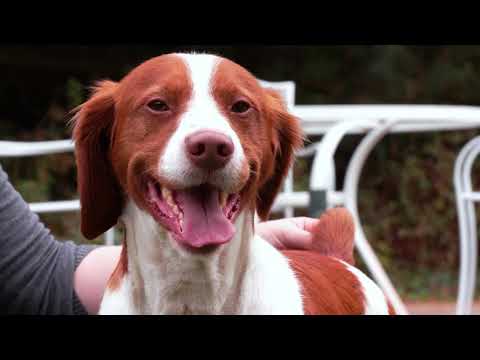 Brittany — Official AKC Breed VideoAmerican Kennel Club
Watch the official AKC video covering temperament, history, traits, and care.
Watch on YouTube →Product Recommendations for Brittanys
See all →Vet-reviewed picks for food, insurance, crates, brushes, treats, and toys — matched to this breed.
Compare Brittany with Similar Breeds
See how the Brittany stacks up against other breeds side by side.