
Bulldog
Temperament
About the Bulldog
The Bulldog's origin is inseparable from one of England's darker sporting traditions. As early as the 13th century, bull-baiting — a practice in which dogs were set upon tethered bulls for public entertainment and the supposed purpose of tenderizing the meat — was already well established across England. The dogs bred for this work were powerful, pain-tolerant, and possessed of an almost reckless grip-and-hold instinct. These were the ancestors of what we now call the Old English Bulldog, a now-extinct type that looked and behaved substantially differently from the breed we recognize today. When bull-baiting was outlawed under the Cruelty to Animals Act of 1835, that working dog had no remaining purpose, and breeders faced a choice: let the type die out or redirect it entirely.
A small number of dedicated fanciers chose the latter. Through deliberate selective breeding across subsequent decades, they transformed the Old English Bulldog's temperament from combative to companionable while simultaneously exaggerating certain physical traits — the shortened muzzle, the heavy skin folds, the wide low-slung body — that became the breed's modern hallmarks. The Bulldog Club, the world's first breed-specific club devoted to a single dog breed, was established in England in 1878 and formalized what the Bulldog should look like in a written breed standard. Twelve years later, in 1890, the Bulldog Club of America was founded and remains the AKC's parent club for the breed to this day. The American Kennel Club officially recognized the Bulldog in 1886, placing it in the Non-Sporting Group, where it currently ranks 9th out of 205 recognized breeds by registration volume — a position that reflects genuine mass popularity rather than a passing trend.
What distinguishes the Bulldog from other brachycephalic breeds in the mastiff family — the French Bulldog, the Boxer, the Dogue de Bordeaux — is a specific combination of structural extremity and historical depth. The Bulldog's skull morphology is among the most modified of any breed, with a degree of brachycephaly and mandibular prognathism (the undershot jaw) that exceeds most close relatives. The French Bulldog shares ancestry and some structural traits but was developed separately in the mid-19th century through crosses with ratting terriers and toy bulldogs, producing a lighter, more compact dog. The modern Bulldog, by contrast, is heavier, lower, and more physically extreme in almost every dimension.
This extremity is precisely what has put the breed under increasing regulatory scrutiny in Europe. The Netherlands banned the breeding of Bulldogs that cannot meet minimum health function standards, and similar legislative pressure is building in other countries. The breed's identity today is genuinely contested — celebrated as an icon by millions of owners and condemned as a welfare crisis by veterinary organizations — and understanding that tension is essential to understanding the breed itself.
At a Glance
Quick Facts
- Breed Group:
- Non-Sporting
- Bred For:
- Bull baiting, Companion
- Origin:
- England
- Life Span:
- 8 - 10 years
- Weight:
- 40 - 50 lbs
- Height:
- 14 - 15 in
💰 Bulldog Cost Guide
Food · Vet · Grooming · Insurance · Full breakdown
Frequently Asked Questions
What is the temperament of a Bulldog?
Bulldogs are known to be docile, willful, friendly, gregarious, devoted, gentle. This combination of traits makes them excellent companions for families with children. Their temperament is influenced by both genetics and proper socialization from an early age.
How much exercise does a Bulldog need?
Bulldogs have low energy levels and require minimal daily exercise, typically 15-30 minutes of gentle activity.
How often should I groom my Bulldog?
Bulldogs need moderate grooming including brushing 2-3 times weekly and regular maintenance.
How do I train a Bulldog?
Bulldogs may require extra patience during training and respond best to positive, consistent methods.
Are Bulldogs good with children?
Bulldogs are excellent with children. Their natural patience, gentle nature, and resilience make them outstanding family dogs. They typically form strong bonds with children and tend to be forgiving of the occasional accidental rough handling that can occur with younger kids. Remember that proper socialization and teaching children appropriate interaction with dogs are always important, regardless of breed.
What makes the Bulldog unique compared to other dog breeds?
The Bulldog stands out from other breeds due to its rich heritage from England, specialized companion qualities. This unique combination of characteristics makes them special among dog breeds and appeals to owners who appreciate these distinct qualities. Understanding these traits helps provide appropriate care tailored to their specific needs.
What should I know before getting a Bulldog?
Before bringing a Bulldog into your home, potential owners should consider: They have relatively low exercise needs (2/5), making them suitable for less active households. They typically excel in family environments with children (5/5 child-friendliness). They can be challenging to train (2/5) and are better suited for experienced dog owners. They may be prone to breed-specific health issues including Brachycephalic Obstructive Airway Syndrome (BOAS), Hip Dysplasia, Skin Fold Dermatitis, Cherry Eye, Elbow Dysplasia, Heat Sensitivity. Additionally, researching reputable breeders or rescue organizations is essential for finding a healthy, well-socialized Bulldog. Understanding these factors will help ensure a good match between the breed and your lifestyle, leading to a happy relationship for both you and your dog.
What were Bulldogs originally bred for?
Bulldogs were originally bred for bull baiting, companion. This companion-focused breeding has resulted in their affectionate, people-oriented temperament that makes them excellent pets. As part of the Non-Sporting group, they share characteristics with other breeds developed for similar purposes. Understanding your Bulldog's breeding heritage helps explain many of their natural behaviors and instincts, which can be channeled appropriately through training and enrichment activities. Even though modern Bulldogs are primarily companions, these inherent traits remain part of their genetic makeup.
How long do Bulldogs typically live?
The average lifespan of a Bulldog is 8 - 10 years. With proper care including quality nutrition, regular veterinary check-ups, appropriate exercise, and preventative healthcare, some Bulldogs may live beyond this range. Genetics, environment, and healthcare all play important roles in determining longevity.
Do Bulldogs have breathing problems and how serious are they?
Yes, breathing problems are extremely common in Bulldogs and can range from moderate to severe. The condition is called Brachycephalic Obstructive Airway Syndrome, or BOAS, and it results from the breed's flat face and compressed skull structure. Most Bulldogs have some degree of stenotic nares (narrow nostrils), an elongated soft palate, and a trachea that is narrower than it should be relative to their body size. Together, these anatomical features restrict airflow, make it difficult to cool down through panting, and can cause snoring, gagging, exercise intolerance, and in serious cases, respiratory distress. Surgical correction of the nares and soft palate is a common and often necessary intervention, typically performed when the dog is between one and two years old. The surgery does not fully resolve the underlying anatomy but meaningfully improves airflow and quality of life. Any Bulldog showing labored breathing at rest, blue-tinged gums, or collapse after mild activity should be evaluated by a veterinarian as an urgent matter.
Are Bulldogs good with kids and other pets?
Bulldogs are generally very good with children and are widely considered one of the more reliably gentle breeds around young kids. They are patient, tolerant of handling, and rarely show aggression toward family members regardless of age. Their low energy level actually works in their favor in homes with small children — they are not likely to knock over a toddler out of excitement. With other pets, Bulldogs are typically compatible, particularly when raised alongside them, though some males can show same-sex dog aggression. Their broad, low body and forward-facing, flat-faced expression can be misread as threatening by other dogs, sometimes provoking reactions from dogs who are unfamiliar with brachycephalic breeds. Early socialization matters here. Their historically low prey drive makes them generally manageable around cats, though individual temperament varies.
How much exercise does a Bulldog actually need?
Bulldogs need far less exercise than most dogs of comparable size, but they do still need consistent daily activity to maintain healthy weight and joint function. Two short walks of 15 to 20 minutes each per day is a realistic and appropriate target for most adult Bulldogs. What they cannot tolerate is sustained vigorous exercise, particularly in warm or humid weather. Because their compromised airways limit their ability to dissipate heat through panting, Bulldogs can overheat rapidly in conditions that would barely register for other breeds. Exercise should be limited during temperatures above 75 degrees Fahrenheit, and outdoor activity during summer months should be restricted to early morning or evening when pavement and air temperatures are lower. A Bulldog that is panting heavily, moving slowly, or lying down during a walk should be moved to a cool environment immediately. Access to air conditioning during hot months is not optional for this breed — it is a health requirement.
Why is my Bulldog's face getting red and smelly between the wrinkles?
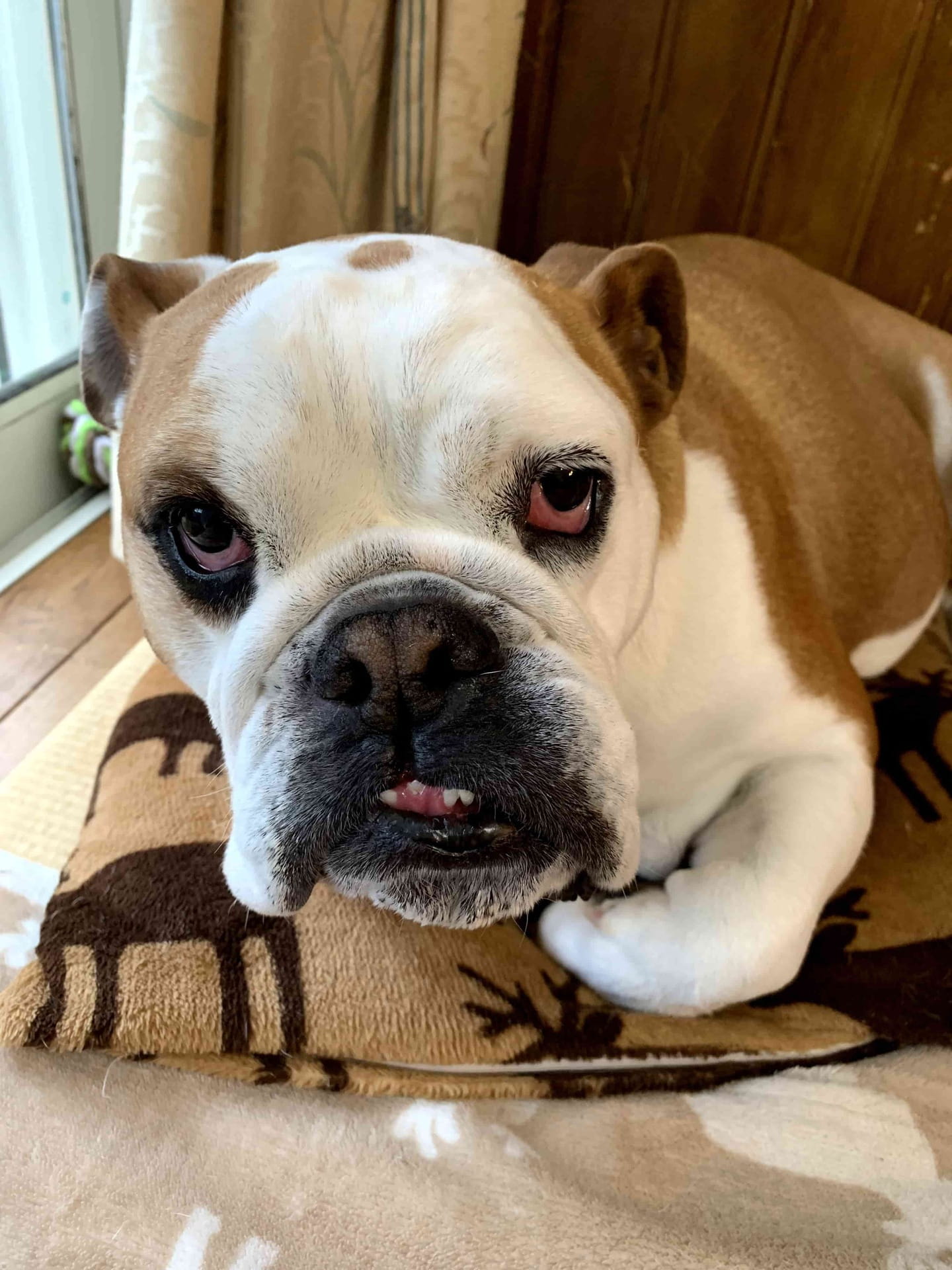
Skin fold dermatitis is the cause, and it is one of the most common and persistent maintenance issues Bulldog owners deal with. The deep folds across a Bulldog's face, around the nose rope, and in the tail pocket create warm, moist, enclosed environments where bacteria and yeast thrive. The result is redness, irritation, discharge, and an unpleasant odor that worsens quickly if the folds are not cleaned regularly. In mild cases, cleaning the folds daily or every other day with an unscented pet-safe wipe or a cloth dampened with dilute chlorhexidine solution will control the problem. In more severe cases, a veterinarian may prescribe topical antifungal or antibiotic treatments. Some Bulldogs with particularly deep or extensive skin folds require surgical fold removal to resolve chronic infections that cannot be managed through cleaning alone. This is not a condition that resolves on its own — consistent maintenance is the only way to prevent it from becoming painful.
Additional Characteristics
Care Requirements
They have a low to moderate energy level and need regular but not extensive exercise.
They need moderate grooming, including regular brushing and occasional professional care.
May require extra patience — better suited for experienced owners
They are excellent with children and often form strong bonds with them.
Bulldog
Complete Breed Guide
About the Bulldog
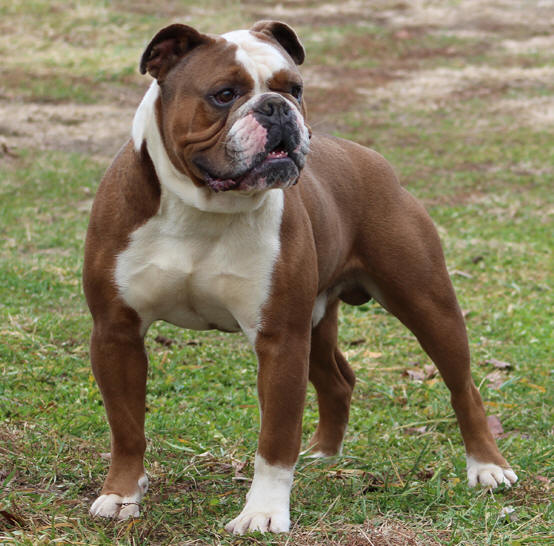
The Bulldog, also known as the English Bulldog or British Bulldog, is one of the most recognizable breeds in the world, with roots in 13th-century England. This breed typically weighs between 40 to 50 pounds and stands 14 to 15 inches tall, characterized by its loose, wrinkled skin, pushed-in nose, and stocky, muscular frame. Despite their tough appearance, Bulldogs are gentle, affectionate, and docile companions that form strong bonds with their families. They are calm, patient dogs well-suited to apartment living, requiring only moderate exercise. Their lifespan ranges from 8 to 10 years.
Bulldogs are known for being docile, willful, friendly, gregarious, devoted, and gentle. As a low-key and calm breed, they are independent-minded and requiring patient, consistent training and thrive with regular mental and physical activity. They are excellent with children of all ages and friendly with other dogs, making them a popular choice for families and experienced dog owners alike.
Caring for a Bulldog means committing to moderate grooming every week or two, regular daily walks, and positive-reinforcement training. Their gentle, social nature makes them a wonderful addition to active families.
At a Glance
Quick Facts
- Breed Group:
- Non-Sporting
- Bred For:
- Bull baiting, Companion
- Origin:
- England
- Life Span:
- 8 - 10 years
- Weight:
- 40 - 50 lbs
- Height:
- 14 - 15 in
Temperament
Free Bulldog Health Guide
Bulldogs can be prone to Brachycephalic Obstructive Airway Syndrome (BOAS) and other conditions. Get our owner's health checklist and monthly vet tips — free.
- ✓Bulldog-specific health warning signs
- ✓Vet visit checklist & cost tracker
- ✓Monthly breed health newsletter
Finding similar breeds...
How We Find Similar Breeds
We analyze breed characteristics including temperament, size, appearance, and care needs to identify the most similar dog breeds. This helps you discover alternatives that might be a good match for your lifestyle and preferences.
Adopt a Bulldog
Filter to show only purebred Bulldogs (excludes mixed breeds and crosses)
Find Dogs Near You
Enter your location to discover adoptable pets nearby
How to Adopt a Bulldog
Follow these steps to ensure a smooth and responsible adoption process. Remember that adopting a dog is a lifelong commitment.
Research the Breed
Learn everything you can about Bulldogs, including their temperament, exercise needs, grooming requirements, and potential health issues.
Find Reputable Sources
Look for adoptable dogs through shelters, rescue organizations, or responsible breeders. Avoid puppy mills and online scams.
Apply for Adoption
Complete an adoption application with your chosen organization. Be prepared to provide references and possibly go through a home visit.
Meet Your Potential Pet
Schedule a meeting with the dog to assess compatibility with you, your family, and any existing pets.
Prepare Your Home
Gather necessary supplies and dog-proof your home before bringing your new pet home.
1Essential Supplies
Food and water bowls, high-quality dog food, collar with ID tag, leash, bed, crate, toys, treats, grooming supplies, and cleaning products for accidents.
2Create a Safe Space
Designate an area where your dog can retreat when feeling overwhelmed. This could be a crate with comfortable bedding or a quiet corner with their bed.
3Remove Hazards
Secure or remove toxic plants, chemicals, small objects that could be swallowed, and foods that are harmful to dogs. Use baby gates if needed to restrict access to certain areas.
4Find a Veterinarian
Research and choose a veterinarian before bringing your dog home, and schedule an initial check-up shortly after adoption.
What is the dog's background and history?
Understanding a dog's past can help you anticipate potential behavior issues and provide appropriate support.
Has the dog been spayed/neutered and vaccinated?
This information is important for planning future veterinary care and understanding any immediate medical needs.
What is the dog's energy level and exercise needs?
Bulldogs typically need regular exercise to stay healthy and happy. Ask about specific exercise requirements.
Has the dog been socialized with other animals and people?
This helps you understand how the dog might interact with your family, friends, and other pets.
Are there any known behavioral or health issues?
Knowing about existing issues helps you prepare for any special care or training needs.
Special Considerations for Bulldogs
- Bulldogs may have specific health concerns that require regular monitoring.
- Consider how the typical Bulldog temperament aligns with your lifestyle.
- Research the grooming needs of Bulldogs to ensure you can commit to the required maintenance.
- Understand the exercise requirements of Bulldogs to keep them healthy and prevent behavior problems.
- Learn about proper training methods that work well with Bulldogs.
 Bulldog — Official AKC Breed VideoAmerican Kennel Club
Watch the official AKC video covering temperament, history, traits, and care.
Watch on YouTube →Product Recommendations for Bulldogs
See all →Vet-reviewed picks for food, insurance, crates, brushes, treats, and toys — matched to this breed.
Compare Bulldog with Similar Breeds
See how the Bulldog stacks up against other breeds side by side.