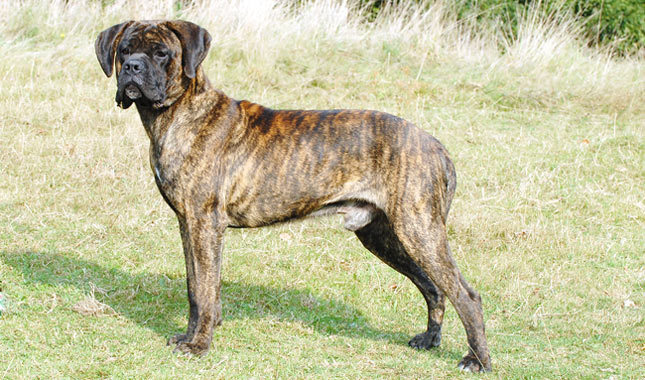
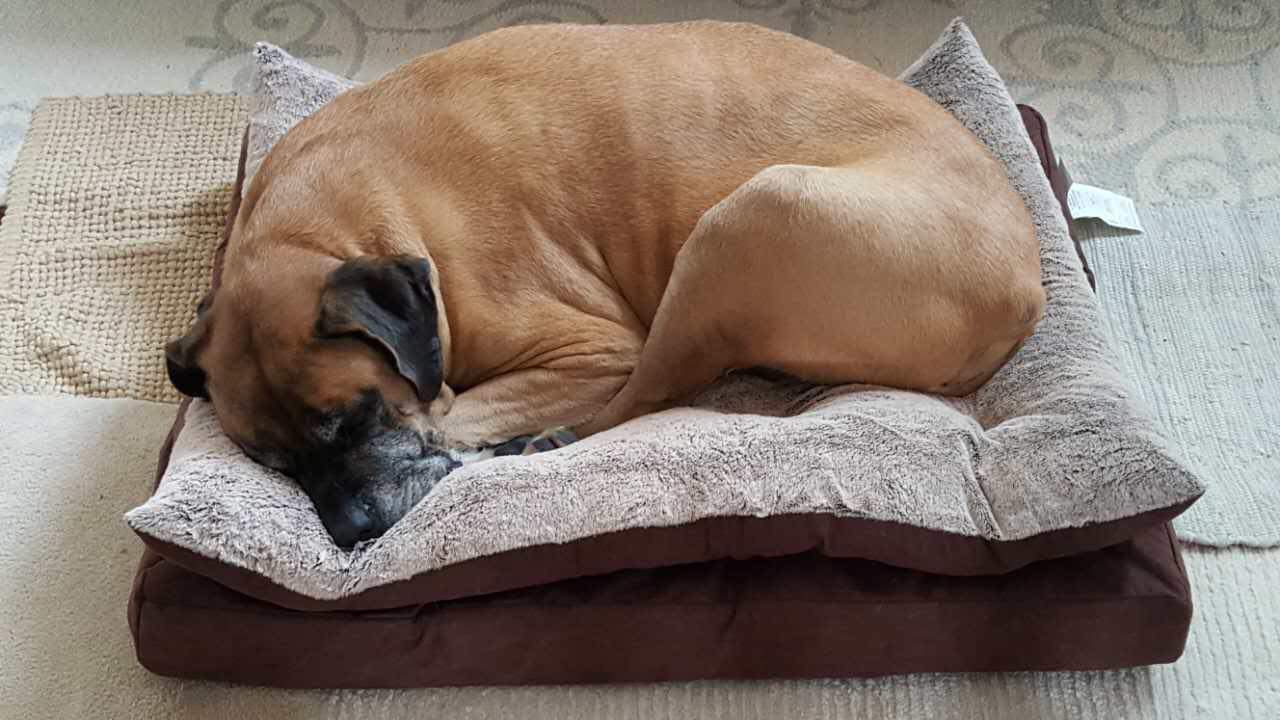
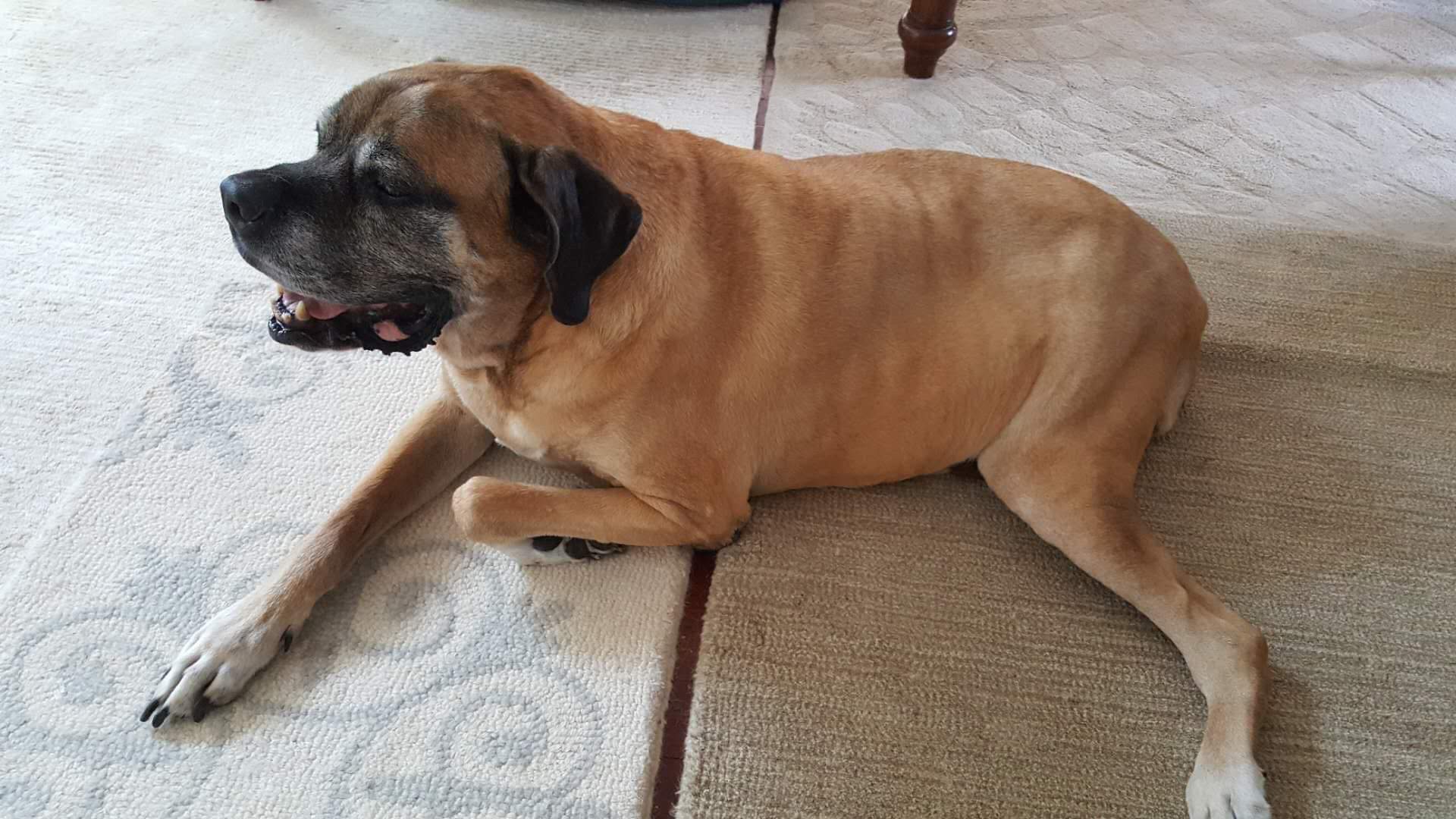


Cane Corso
Temperament
About the Cane Corso
The Cane Corso is a direct descendant of the Roman Molossian war dog, a breed that served the legions of Rome as both battlefield combatant and camp guardian. After the fall of the Roman Empire, these dogs migrated into the agrarian culture of southern Italy, where they spent centuries as indispensable farmhands — driving cattle to market, hunting wild boar and bear, and protecting livestock from predators. The name itself reflects this lineage: the Latin root is debated between "cohors," meaning guardian or protector, and a derivation loosely translating as "bodyguard dog," though both interpretations point to the same ancient purpose.
By the mid-20th century, two world wars, industrialization, and the collapse of traditional Italian farming nearly erased the breed entirely. By the 1970s, the Cane Corso had essentially vanished from most of Italy. The breed's survival is largely credited to a small group of Italian enthusiasts who located surviving specimens in remote rural areas of Puglia and Calabria. Dr. Paolo Breber is widely credited with documenting and beginning the serious recovery effort in the late 1970s. The Società Amatori Cane Corso was founded in 1983, and the Italian Kennel Club (ENCI) officially recognized the breed in 1994. The Fédération Cynologique Internationale (FCI) followed with full recognition in 1996.
In the United States, the breed arrived in 1988, imported by Michael Sottile, who brought the first litter of Cane Corsi to American soil. The International Cane Corso Federation was established shortly after, and the breed steadily built a following among working dog enthusiasts and serious protection dog trainers. The American Kennel Club officially recognized the Cane Corso in 2010, placing it in the Working Group. It now ranks 14th out of 205 breeds in AKC popularity — a remarkable ascent for a breed that was nearly extinct forty years ago. The Cane Corso Club of America (CCCA) serves as the AKC parent club and maintains breed standards, health protocols, and breeder ethics guidelines.
What sets the Cane Corso apart from other mastiff-type breeds — the Neapolitan Mastiff, the English Mastiff, the Bullmastiff — is its comparative athleticism and functional working ability. Unlike the Neapolitan, which is heavy-boned and deliberately slow, the Corso is agile and capable of sustained physical work. It is lighter in bone than the English Mastiff while retaining the imposing physical presence and protective drive that defines the mastiff category. It is, at its core, a working dog that happens to look like a war machine — a distinction that matters enormously when understanding what owners are taking on.
At a Glance
Quick Facts
- Breed Group:
- Working
- Bred For:
- Companion, guard dog, and hunter
- Origin:
- Italy
- Life Span:
- 10 - 11 years
- Weight:
- 88 - 120 lbs
- Height:
- 23.5 - 27.5 in
💰 Cane Corso Cost Guide
Food · Vet · Grooming · Insurance · Full breakdown
Frequently Asked Questions
What is the temperament of a Cane Corso?
Cane Corsos are known to be reserved, stable, quiet, even tempered, calm, affectionate, friendly, gentle, loyal, playful, protective, curious. This combination of traits makes them excellent companions for families with children. Their temperament is influenced by both genetics and proper socialization from an early age.
How much exercise does a Cane Corso need?
Cane Corsos are high-energy dogs requiring 60+ minutes of vigorous daily exercise and mental stimulation.
How often should I groom my Cane Corso?
Cane Corsos require minimal grooming with weekly brushing and occasional baths.
How do I train a Cane Corso?
Cane Corsos are highly trainable and typically respond well to positive reinforcement methods.
Are Cane Corsos good with children?
Cane Corsos are excellent with children. Their natural patience, gentle nature, and resilience make them outstanding family dogs. They typically form strong bonds with children and tend to be forgiving of the occasional accidental rough handling that can occur with younger kids. Remember that proper socialization and teaching children appropriate interaction with dogs are always important, regardless of breed.
What makes the Cane Corso unique compared to other dog breeds?
The Cane Corso stands out from other breeds due to its rich heritage from Italy, exceptional hunting abilities. This unique combination of characteristics makes them special among dog breeds and appeals to owners who appreciate these distinct qualities. Understanding these traits helps provide appropriate care tailored to their specific needs.
What should I know before getting a Cane Corso?
Before bringing a Cane Corso into your home, potential owners should consider: They have high exercise requirements (5/5) and need an active owner. Their coat is relatively low-maintenance (2/5). They typically excel in family environments with children (5/5 child-friendliness). They're typically highly trainable (5/5) and eager to learn. Their large size requires adequate living space. They may be prone to breed-specific health issues including Hip Dysplasia, Elbow Dysplasia, Bloat (GDV), Dilated Cardiomyopathy, Ectropion, Cherry Eye. Additionally, researching reputable breeders or rescue organizations is essential for finding a healthy, well-socialized Cane Corso. Understanding these factors will help ensure a good match between the breed and your lifestyle, leading to a happy relationship for both you and your dog.
What were Cane Corsos originally bred for?
Cane Corsos were originally bred for companion, guard dog, and hunter. This hunting background explains their natural prey drive, scenting abilities, and often high energy levels. As part of the Working group, they share characteristics with other breeds developed for similar purposes. Understanding your Cane Corso's breeding heritage helps explain many of their natural behaviors and instincts, which can be channeled appropriately through training and enrichment activities. Even though modern Cane Corsos are primarily companions, these inherent traits remain part of their genetic makeup.
How long do Cane Corsos typically live?
The average lifespan of a Cane Corso is 10 - 11 years. With proper care including quality nutrition, regular veterinary check-ups, appropriate exercise, and preventative healthcare, some Cane Corsos may live beyond this range. Genetics, environment, and healthcare all play important roles in determining longevity.
Is a Cane Corso a good family dog?
A properly socialized and trained Cane Corso can be an excellent family dog, but the answer depends heavily on the family's experience level and commitment to structure. Corsi form deep bonds with their immediate family members and are notably gentle and affectionate with children they are raised with. However, their size alone — 88 to 120 pounds — means an excitable or poorly trained dog can unintentionally injure small children. They also tend to be reserved with strangers and may show same-sex dog aggression, so families with multiple dogs need to assess compatibility carefully. Families with prior experience managing large guardian breeds and a willingness to invest in consistent training and early socialization are the best fit. First-time dog owners or those accustomed only to soft, biddable breeds are likely to find the Corso's confidence and physical power overwhelming without professional guidance.
How much exercise does a Cane Corso need daily?
Cane Corsi are classified as a medium-energy working breed, which means they need meaningful daily exercise without requiring the relentless activity of herding breeds like the Border Collie. As a practical baseline, most adult Corsi do well with 45 to 60 minutes of structured physical activity per day — this can include leash walks at a brisk pace, off-leash time in a securely fenced area, or structured play sessions. Mental stimulation through training work, scent games, or puzzle feeders is equally important and often underestimated by owners focused only on physical exercise. Puppies should follow a more conservative protocol — their growth plates are not fully closed until 18 to 24 months, and high-impact exercise like running on hard surfaces or repetitive jumping should be avoided during this period to reduce orthopedic stress. A bored, under-exercised Corso typically expresses that frustration through destructive behavior or increased reactivity — neither outcome is manageable in a dog this size.
Are Cane Corsos hard to train?
The Cane Corso is not difficult to train in the sense that it lacks the intelligence or capability to learn — it is genuinely smart and can master commands quickly. The challenge is that it is also confident, independent, and experienced at reading handler inconsistency. Unlike a Labrador Retriever that will enthusiastically repeat behaviors regardless of the handler's clarity, a Corso requires a handler who gives clear, consistent expectations and follows through reliably. Harsh corrections and dominance-based methods tend to backfire — the breed shuts down or escalates rather than submitting. Reward-based training with clear criteria, delivered by someone who is calm and consistent, produces the best results. Professional obedience classes are strongly recommended, and ongoing training — not just a one-time puppy class — is necessary to maintain the reliability expected from a dog this size. Handlers with prior experience managing working breeds will find the Corso highly trainable. Complete beginners typically need substantial professional support.
What health problems are common in Cane Corsos?
The Cane Corso faces several breed-specific health concerns that prospective owners should understand before purchasing or adopting. Hip and elbow dysplasia are the most commonly documented orthopedic conditions, both involving joint malformation that leads to pain and reduced mobility. Dilated cardiomyopathy — a weakening and enlargement of the heart muscle — is a serious cardiac risk in the breed and can progress silently to congestive heart failure, making annual cardiac screening by a board-certified cardiologist important. Bloat, or Gastric Dilatation-Volvulus, is a life-threatening emergency in which the stomach fills with gas and twists; Corsi's deep-chested build makes them structurally susceptible, and prophylactic gastropexy surgery is frequently recommended. Eye conditions including ectropion and cherry eye occur due to the breed's loose facial skin and are surgically correctable. Responsible breeders should be able to provide OFA health clearances for hips, elbows, heart, and eyes on both parents. Pet insurance enrollment before any conditions develop is advisable given the cumulative potential cost of this health profile.
Additional Characteristics
Care Requirements
They are extremely energetic dogs requiring extensive daily exercise, activities, and mental stimulation.
They need regular but basic grooming such as weekly brushing.
Highly trainable — quick to learn and eager to please
They are excellent with children and often form strong bonds with them.
Cane Corso
Complete Breed Guide
About the Cane Corso
The Cane Corso is a large breed that originated in Italy, descended from ancient Roman war dogs. Males typically weigh between 110 to 120 pounds and stand 25 to 27.5 inches tall, while females range from 88 to 110 pounds and 23.5 to 25.5 inches in height. Known for their loyalty and protective nature, Cane Corsos are often used as guard dogs and family companions, exhibiting a calm and affectionate temperament while remaining alert and intelligent. Their life expectancy is around 10 to 11 years.
Cane Corsos are known for being reserved, stable, quiet, even tempered, calm, and affectionate, friendly, gentle. As a high-energy breed, they are highly responsive to training and thrive with regular mental and physical activity. They are excellent with children of all ages and friendly with other dogs, making them a popular choice for families and experienced dog owners alike.
Caring for a Cane Corso means committing to minimal grooming — a quick brush once a week is usually enough, intense daily exercise, and firm, consistent training. Their gentle, social nature makes them a wonderful addition to active families.
At a Glance
Quick Facts
- Breed Group:
- Working
- Bred For:
- Companion, guard dog, and hunter
- Origin:
- Italy
- Life Span:
- 10 - 11 years
- Weight:
- 88 - 120 lbs
- Height:
- 23.5 - 27.5 in
Temperament
Free Cane Corso Health Guide
Cane Corsos can be prone to Hip Dysplasia and other conditions. Get our owner's health checklist and monthly vet tips — free.
- ✓Cane Corso-specific health warning signs
- ✓Vet visit checklist & cost tracker
- ✓Monthly breed health newsletter
Finding similar breeds...
How We Find Similar Breeds
We analyze breed characteristics including temperament, size, appearance, and care needs to identify the most similar dog breeds. This helps you discover alternatives that might be a good match for your lifestyle and preferences.
Adopt a Cane Corso
Filter to show only purebred Cane Corsos (excludes mixed breeds and crosses)
Find Dogs Near You
Enter your location to discover adoptable pets nearby
How to Adopt a Cane Corso
Follow these steps to ensure a smooth and responsible adoption process. Remember that adopting a dog is a lifelong commitment.
Research the Breed
Learn everything you can about Cane Corsos, including their temperament, exercise needs, grooming requirements, and potential health issues.
Find Reputable Sources
Look for adoptable dogs through shelters, rescue organizations, or responsible breeders. Avoid puppy mills and online scams.
Apply for Adoption
Complete an adoption application with your chosen organization. Be prepared to provide references and possibly go through a home visit.
Meet Your Potential Pet
Schedule a meeting with the dog to assess compatibility with you, your family, and any existing pets.
Prepare Your Home
Gather necessary supplies and dog-proof your home before bringing your new pet home.
1Essential Supplies
Food and water bowls, high-quality dog food, collar with ID tag, leash, bed, crate, toys, treats, grooming supplies, and cleaning products for accidents.
2Create a Safe Space
Designate an area where your dog can retreat when feeling overwhelmed. This could be a crate with comfortable bedding or a quiet corner with their bed.
3Remove Hazards
Secure or remove toxic plants, chemicals, small objects that could be swallowed, and foods that are harmful to dogs. Use baby gates if needed to restrict access to certain areas.
4Find a Veterinarian
Research and choose a veterinarian before bringing your dog home, and schedule an initial check-up shortly after adoption.
What is the dog's background and history?
Understanding a dog's past can help you anticipate potential behavior issues and provide appropriate support.
Has the dog been spayed/neutered and vaccinated?
This information is important for planning future veterinary care and understanding any immediate medical needs.
What is the dog's energy level and exercise needs?
Cane Corsos typically need regular exercise to stay healthy and happy. Ask about specific exercise requirements.
Has the dog been socialized with other animals and people?
This helps you understand how the dog might interact with your family, friends, and other pets.
Are there any known behavioral or health issues?
Knowing about existing issues helps you prepare for any special care or training needs.
Special Considerations for Cane Corsos
- Cane Corsos may have specific health concerns that require regular monitoring.
- Consider how the typical Cane Corso temperament aligns with your lifestyle.
- Research the grooming needs of Cane Corsos to ensure you can commit to the required maintenance.
- Understand the exercise requirements of Cane Corsos to keep them healthy and prevent behavior problems.
- Learn about proper training methods that work well with Cane Corsos.
Product Recommendations for Cane Corsos
See all →Vet-reviewed picks for food, insurance, crates, brushes, treats, and toys — matched to this breed.
Compare Cane Corso with Similar Breeds
See how the Cane Corso stacks up against other breeds side by side.