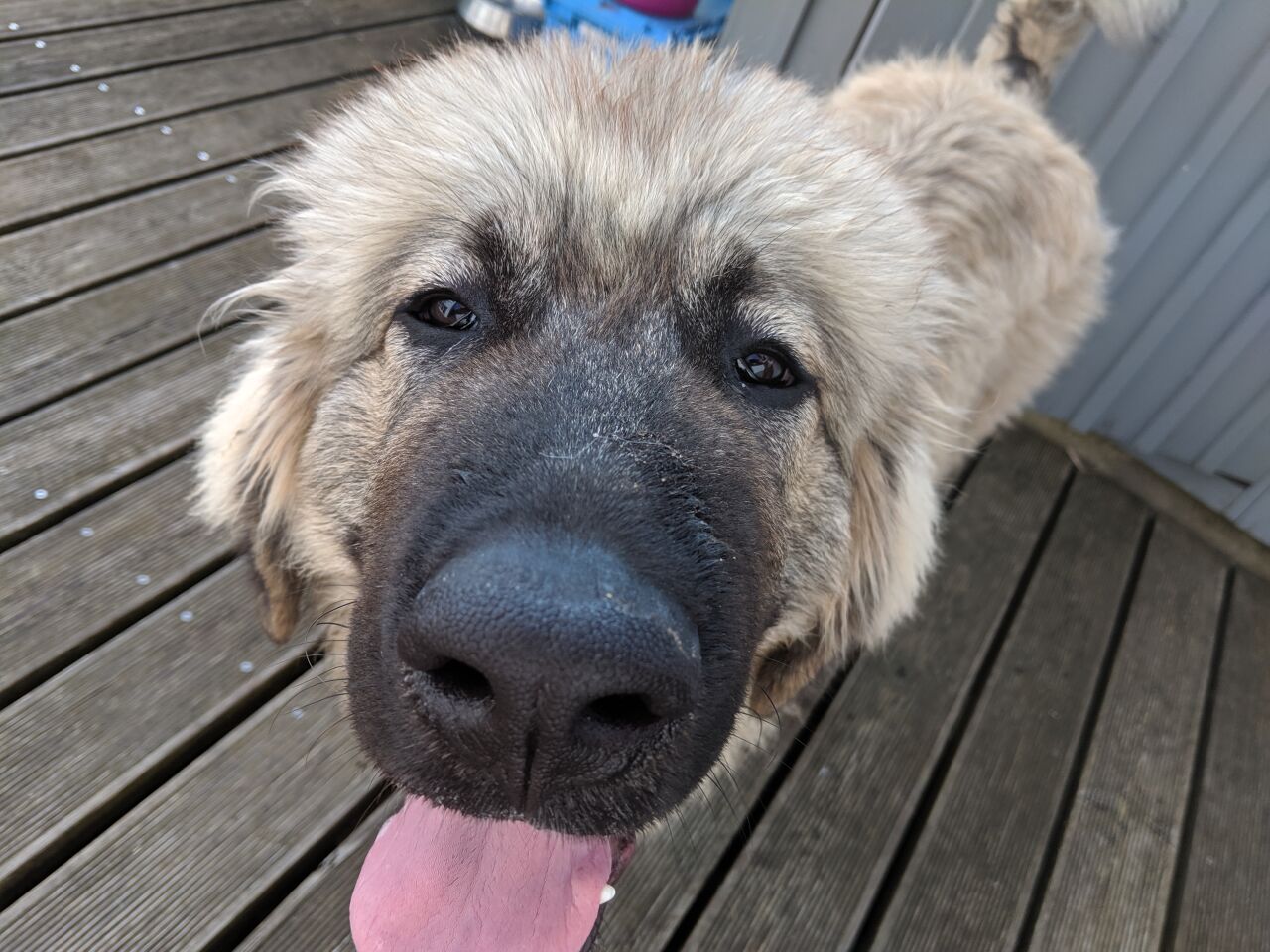
Caucasian Shepherd (Ovcharka)
Temperament
About the Caucasian Shepherd (Ovcharka)
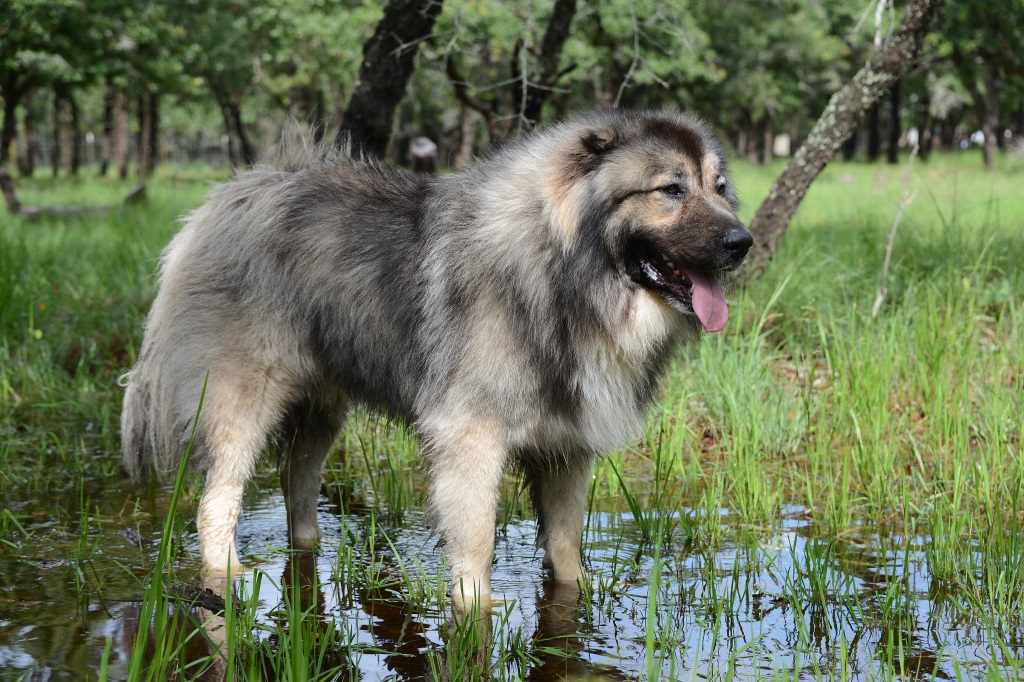
The Caucasian Shepherd Dog — known in its homeland as the Kavkazskaya Ovcharka — is one of the oldest and most formidable livestock guardian breeds in existence, with origins tracing back at least two thousand years across the Caucasus mountain region spanning modern-day Russia, Georgia, Armenia, and Azerbaijan. These dogs were developed not by any single breeder or kennel program, but through millennia of natural and functional selection by shepherds who needed a dog capable of confronting wolves, bears, and human intruders across brutal mountain terrain. The breed was shaped by necessity, not aesthetics, and that utilitarian origin is visible in everything from its bone density to its behavioral architecture.
Soviet-era Russia played a significant role in standardizing the breed during the 20th century. Soviet military and border patrol programs made extensive use of Caucasian Shepherds beginning in the 1930s, selectively breeding for size, aggression control, and trainability within a working context. The breed became particularly associated with East German prison duty after Soviet dogs were transferred to the German Democratic Republic — a documented program that ran from the late 1960s through German reunification in 1990, during which an estimated 7,000 Caucasian Shepherds reportedly patrolled the Berlin Wall. After reunification, many of these dogs were placed with German families, which introduced the breed to a wider European audience.
In the United States, the American Kennel Club added the Caucasian Shepherd Dog to its Foundation Stock Service (FSS) in 1996, which is the AKC's record-keeping program for rare breeds not yet eligible for full registration. The breed has not advanced to full AKC recognition as of 2025, meaning it cannot compete in AKC conformation events, though it may participate in companion events. The United Kennel Club (UKC) fully recognized the breed in 1995 under the Guardian Dog Group. Internationally, the Fédération Cynologique Internationale (FCI) recognizes the breed under Standard No. 328, classifying it in Group 2, Section 2.2 as a Molossoid Mountain Dog.
The Caucasian Shepherd is frequently compared to similar guardian breeds such as the Kangal, the Anatolian Shepherd, and the Central Asian Ovcharka. What distinguishes the Caucasian is its combination of extreme mass, dense double coat adapted for mountain winters, and an exceptionally strong territorial instinct that makes it less biddable than the Kangal but arguably more viscerally imposing. The Georgian and Russian breed lines also differ meaningfully from each other, with Georgian dogs typically exhibiting heavier bone and longer coats compared to the leaner, shorter-coated steppe-type dogs found in some Russian lines.
At a Glance
Quick Facts
- Breed Group:
- Working
- Bred For:
- Guard dogs, defending sheep from predators, mainly wolves, jackals and bears
- Origin:
- Russia
- Life Span:
- 10 - 12 years
- Weight:
- 80 - 100 lbs
- Height:
- 24 - 33.5 in
💰 Caucasian Shepherd (Ovcharka) Cost Guide
Food · Vet · Grooming · Insurance · Full breakdown
Frequently Asked Questions
What is the temperament of a Caucasian Shepherd (Ovcharka)?
Caucasian Shepherd (Ovcharka)s are known to be alert, quick, dominant, powerful, calm, strong. This combination of traits makes them excellent watchdogs and devoted family protectors. Their temperament is influenced by both genetics and proper socialization from an early age.
How much exercise does a Caucasian Shepherd (Ovcharka) need?
Caucasian Shepherd (Ovcharka)s have low energy levels and require minimal daily exercise, typically 15-30 minutes of gentle activity.
How often should I groom my Caucasian Shepherd (Ovcharka)?
Caucasian Shepherd (Ovcharka)s require intensive grooming with daily brushing and regular professional grooming sessions.
How do I train a Caucasian Shepherd (Ovcharka)?
Caucasian Shepherd (Ovcharka)s are highly trainable and typically respond well to positive reinforcement methods.
Are Caucasian Shepherd (Ovcharka)s good with children?
Caucasian Shepherd (Ovcharka)s are generally not recommended with children. They generally prefer calm, predictable environments and may become stressed by the unpredictable movements and loud sounds typical of young children. Households with older, respectful children may be more suitable. Remember that proper socialization and teaching children appropriate interaction with dogs are always important, regardless of breed.
What makes the Caucasian Shepherd (Ovcharka) unique compared to other dog breeds?
The Caucasian Shepherd (Ovcharka) stands out from other breeds due to its impressive stature and presence, rich heritage from Russia, natural protective instincts. This unique combination of characteristics makes them special among dog breeds and appeals to owners who appreciate these distinct qualities. Understanding these traits helps provide appropriate care tailored to their specific needs.
What should I know before getting a Caucasian Shepherd (Ovcharka)?
Before bringing a Caucasian Shepherd (Ovcharka) into your home, potential owners should consider: They have relatively low exercise needs (2/5), making them suitable for less active households. Their coat requires significant maintenance (5/5) with regular grooming sessions. They may not be ideal for families with young children (2/5 child-friendliness). They're typically highly trainable (4/5) and eager to learn. Their large size requires adequate living space. They may be prone to breed-specific health issues including Hip Dysplasia, Elbow Dysplasia, Heart Disease, Bloat (GDV), Cataracts. Additionally, researching reputable breeders or rescue organizations is essential for finding a healthy, well-socialized Caucasian Shepherd (Ovcharka). Understanding these factors will help ensure a good match between the breed and your lifestyle, leading to a happy relationship for both you and your dog.
What were Caucasian Shepherd (Ovcharka)s originally bred for?
Caucasian Shepherd (Ovcharka)s were originally bred for guard dogs, defending sheep from predators, mainly wolves, jackals and bears. This protective background explains their naturally alert, territorial nature and sometimes reserved attitude toward strangers. As part of the Working group, they share characteristics with other breeds developed for similar purposes. Understanding your Caucasian Shepherd (Ovcharka)'s breeding heritage helps explain many of their natural behaviors and instincts, which can be channeled appropriately through training and enrichment activities. Even though modern Caucasian Shepherd (Ovcharka)s are primarily companions, these inherent traits remain part of their genetic makeup.
How long do Caucasian Shepherd (Ovcharka)s typically live?
The average lifespan of a Caucasian Shepherd (Ovcharka) is 10 - 12 years. With proper care including quality nutrition, regular veterinary check-ups, appropriate exercise, and preventative healthcare, some Caucasian Shepherd (Ovcharka)s may live beyond this range. Genetics, environment, and healthcare all play important roles in determining longevity.
Is a Caucasian Shepherd a good family dog?
A Caucasian Shepherd can be a devoted and protective family companion, but it is not a forgiving breed for unprepared households. With children it has been raised alongside from puppyhood, the breed is typically loyal and tolerant. However, its size, strength, and strong territorial instincts mean it requires consistent adult supervision around children's friends and visitors. This is not a dog that naturally extends trust to strangers entering its home. Families considering this breed need prior experience with large, dominant dogs and must commit to serious socialization and training from the first day the puppy comes home.
How big does a Caucasian Shepherd get?
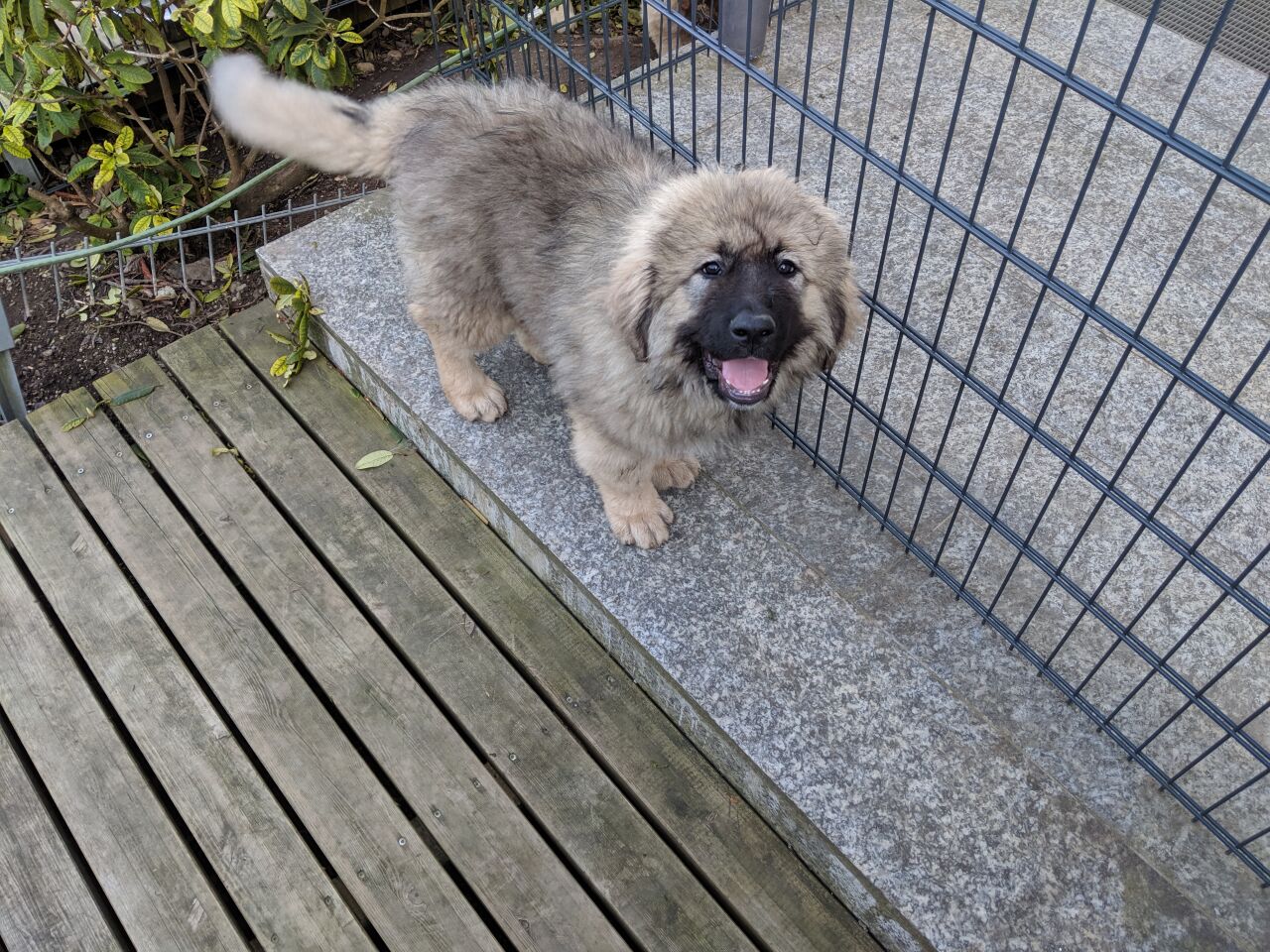
The breed standard lists a weight range of approximately 80 to 110 pounds, but real-world working and show specimens frequently exceed this — adult males from heavy-boned lines often reach 130 to 170 pounds, and heights of 27 to 30 inches at the shoulder are common. Females are noticeably smaller, typically ranging from 80 to 120 pounds. Full physical and social maturity is not reached until 2 to 3 years of age, which means owners are managing a rapidly growing, increasingly powerful animal through an extended developmental window. Do not assume the dog you see at six months represents the dog you will have at three years.
Are Caucasian Shepherds aggressive?
Caucasian Shepherds are not randomly aggressive, but they are a breed with a very strong protective instinct and a low threshold for perceived territorial threats — which is precisely what they were bred for over centuries. A properly socialized and trained Caucasian Shepherd with a confident, experienced owner will be calm and controlled. However, the breed's wariness of strangers, intense dog-dog reactivity (particularly with same-sex adults), and willingness to confront threats without hesitation means that mismanagement, poor socialization, or inexperienced ownership can result in serious behavioral problems. The breed requires structure, not just affection.
Do Caucasian Shepherds shed a lot?
Yes, significantly. The long-coated variety — which is the most common in Western countries — produces a dense, heavy double coat that sheds substantially year-round with two major seasonal blows in spring and fall. During peak shedding periods, daily brushing is necessary to manage undercoat buildup and prevent matting. The shorter-coated steppe variety sheds less dramatically but still requires regular maintenance. Owners should invest in a quality slicker brush, a long-toothed metal comb, and an undercoat rake before bringing this dog home. Professional grooming every 8 to 12 weeks is highly recommended for the long-coated type, particularly for owners without prior double-coated breed experience.
Additional Characteristics
Care Requirements
They have a low to moderate energy level and need regular but not extensive exercise.
They have very high maintenance coats requiring daily brushing and regular professional grooming.
Highly trainable — quick to learn and eager to please
They can be suitable with older, respectful children but may not be ideal for young children.
Caucasian Shepherd (Ovcharka)
Complete Breed Guide
About the Caucasian Shepherd (Ovcharka)
The Caucasian Shepherd, also known as Ovcharka, is a large and powerful breed with origins that are not precisely documented, but they have historically been used as livestock guardians in the Caucasus region. Weighing between 80 to 100 pounds and standing 24 to 33.5 inches tall, they possess a thick double coat that provides protection against harsh weather. Known for their alert and dominant temperament, these dogs are calm yet strong, making them effective protectors of property and livestock. Their lifespan ranges from 10 to 12 years.
Caucasian Shepherd (Ovcharka)s are known for being alert, quick, dominant, powerful, calm, and strong. As a low-key and calm breed, they are highly responsive to training and thrive with regular mental and physical activity. They are better suited to households without young children and selective around other dogs, making them a popular choice for families and experienced dog owners alike.
Caring for a Caucasian Shepherd (Ovcharka) means committing to regular grooming (brushing several times a week), regular daily walks, and positive-reinforcement training. They do best in structured environments with experienced dog owners.
At a Glance
Quick Facts
- Breed Group:
- Working
- Bred For:
- Guard dogs, defending sheep from predators, mainly wolves, jackals and bears
- Origin:
- Russia
- Life Span:
- 10 - 12 years
- Weight:
- 80 - 100 lbs
- Height:
- 24 - 33.5 in
Temperament
Free Caucasian Shepherd (Ovcharka) Health Guide
Caucasian Shepherd (Ovcharka)s can be prone to Hip Dysplasia and other conditions. Get our owner's health checklist and monthly vet tips — free.
- ✓Caucasian Shepherd (Ovcharka)-specific health warning signs
- ✓Vet visit checklist & cost tracker
- ✓Monthly breed health newsletter
Finding similar breeds...
How We Find Similar Breeds
We analyze breed characteristics including temperament, size, appearance, and care needs to identify the most similar dog breeds. This helps you discover alternatives that might be a good match for your lifestyle and preferences.
Adopt a Caucasian Shepherd (Ovcharka)
Filter to show only purebred Caucasian Shepherd (Ovcharka)s (excludes mixed breeds and crosses)
Find Dogs Near You
Enter your location to discover adoptable pets nearby
How to Adopt a Caucasian Shepherd (Ovcharka)
Follow these steps to ensure a smooth and responsible adoption process. Remember that adopting a dog is a lifelong commitment.
Research the Breed
Learn everything you can about Caucasian Shepherd (Ovcharka)s, including their temperament, exercise needs, grooming requirements, and potential health issues.
Find Reputable Sources
Look for adoptable dogs through shelters, rescue organizations, or responsible breeders. Avoid puppy mills and online scams.
Apply for Adoption
Complete an adoption application with your chosen organization. Be prepared to provide references and possibly go through a home visit.
Meet Your Potential Pet
Schedule a meeting with the dog to assess compatibility with you, your family, and any existing pets.
Prepare Your Home
Gather necessary supplies and dog-proof your home before bringing your new pet home.
1Essential Supplies
Food and water bowls, high-quality dog food, collar with ID tag, leash, bed, crate, toys, treats, grooming supplies, and cleaning products for accidents.
2Create a Safe Space
Designate an area where your dog can retreat when feeling overwhelmed. This could be a crate with comfortable bedding or a quiet corner with their bed.
3Remove Hazards
Secure or remove toxic plants, chemicals, small objects that could be swallowed, and foods that are harmful to dogs. Use baby gates if needed to restrict access to certain areas.
4Find a Veterinarian
Research and choose a veterinarian before bringing your dog home, and schedule an initial check-up shortly after adoption.
What is the dog's background and history?
Understanding a dog's past can help you anticipate potential behavior issues and provide appropriate support.
Has the dog been spayed/neutered and vaccinated?
This information is important for planning future veterinary care and understanding any immediate medical needs.
What is the dog's energy level and exercise needs?
Caucasian Shepherd (Ovcharka)s typically need regular exercise to stay healthy and happy. Ask about specific exercise requirements.
Has the dog been socialized with other animals and people?
This helps you understand how the dog might interact with your family, friends, and other pets.
Are there any known behavioral or health issues?
Knowing about existing issues helps you prepare for any special care or training needs.
Special Considerations for Caucasian Shepherd (Ovcharka)s
- Caucasian Shepherd (Ovcharka)s may have specific health concerns that require regular monitoring.
- Consider how the typical Caucasian Shepherd (Ovcharka) temperament aligns with your lifestyle.
- Research the grooming needs of Caucasian Shepherd (Ovcharka)s to ensure you can commit to the required maintenance.
- Understand the exercise requirements of Caucasian Shepherd (Ovcharka)s to keep them healthy and prevent behavior problems.
- Learn about proper training methods that work well with Caucasian Shepherd (Ovcharka)s.
Product Recommendations for Caucasian Shepherd (Ovcharka)s
See all →Vet-reviewed picks for food, insurance, crates, brushes, treats, and toys — matched to this breed.
Compare Caucasian Shepherd (Ovcharka) with Similar Breeds
See how the Caucasian Shepherd (Ovcharka) stacks up against other breeds side by side.