

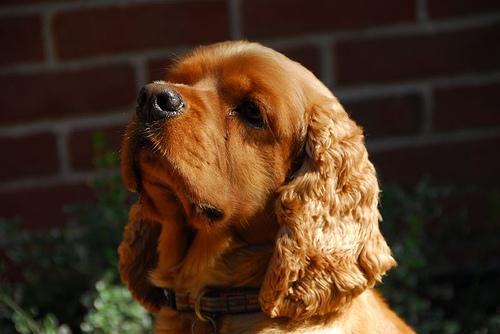
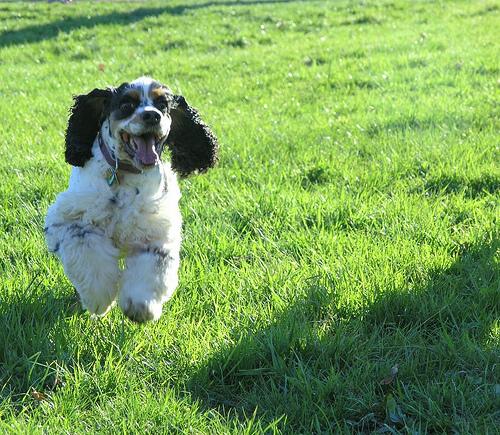

Cavalier King Charles Spaniel
Temperament
About the Cavalier King Charles Spaniel
The Cavalier King Charles Spaniel carries one of the most specific origin stories in dogdom — a breed deliberately reconstructed from historical paintings. Small spaniels with longer muzzles and flatter skulls had been favorites of British royalty since the Stuart era. King Charles I and his son Charles II were so attached to their spaniels that Charles II reportedly issued a royal decree permitting the dogs entry into any public building in England, a legend that persists to this day. By the late 17th century, however, these dogs began crossbreeding with flat-nosed Asian toy breeds — likely Pugs and Japanese Chin — and over the following centuries the skull shape changed dramatically, producing what became the King Charles Spaniel (also called the English Toy Spaniel in the United States): a domed head, a pronounced stop, and a much shorter muzzle.
The Cavalier's modern history begins with an American expatriate named Roswell Eldridge. In 1926, Eldridge offered cash prizes at Crufts — £25 per class, for five consecutive years — to breeders who could produce dogs resembling the longer-nosed spaniels depicted in 17th- and 18th-century paintings, particularly those by Van Dyck. Eldridge died in 1928, just before the prizes were awarded, but his challenge had already ignited serious interest. A small group of British fanciers formed the Cavalier King Charles Spaniel Club in 1928 and established the first breed standard based on a dog named Ann's Son, owned by Mostyn Walker, who was considered the closest living example of the historical type.
For decades the Cavalier remained almost exclusively a British breed. The American Cavalier King Charles Spaniel Club was founded in 1954, but full American Kennel Club recognition did not come until 1995, when the breed entered the Toy Group. That relatively late recognition — compared to many toy breeds — reflects the protracted debate within breed clubs about whether AKC membership would compromise the careful breeding practices the club had cultivated. Today the Cavalier consistently ranks inside the AKC's top 15 most popular breeds, sitting at number 13 out of 205 recognized breeds as of recent rankings.
What distinguishes the Cavalier from its close relative, the King Charles Spaniel (English Toy Spaniel), is primarily structural. The Cavalier retains a flatter skull, a longer muzzle with a shallow stop, a higher-set ear, and a generally more athletic body. The King Charles Spaniel has a domed skull and a deeply cushioned, brachycephalic face. Both breeds share four recognized color patterns — Blenheim, tricolor, black and tan, and ruby — but the Cavalier's silhouette is unmistakably more spaniel-like in proportion. The coat is silky, moderately long, and carries feathering on the ears, chest, legs, and tail.
At a Glance
Quick Facts
- Breed Group:
- Toy
- Bred For:
- Flushing small birds, companion
- Origin:
- Great Britain
- Life Span:
- 10 - 14 years
- Weight:
- 13 - 18 lbs
- Height:
- 12 - 13 in
💰 Cavalier King Charles Spaniel Cost Guide
Food · Vet · Grooming · Insurance · Full breakdown
Frequently Asked Questions
What is the temperament of a Cavalier King Charles Spaniel?
Cavalier King Charles Spaniels are known to be fearless, affectionate, sociable, patient, playful, adaptable, friendly, curious, gentle, loyal, independent, protective, quiet. This combination of traits makes them excellent companions for families with children. Their temperament is influenced by both genetics and proper socialization from an early age.
How much exercise does a Cavalier King Charles Spaniel need?
Cavalier King Charles Spaniels have low energy levels and require minimal daily exercise, typically 15-30 minutes of gentle activity.
How often should I groom my Cavalier King Charles Spaniel?
Cavalier King Charles Spaniels require minimal grooming with weekly brushing and occasional baths.
How do I train a Cavalier King Charles Spaniel?
Cavalier King Charles Spaniels have moderate trainability and benefit from consistent, positive training approaches.
Are Cavalier King Charles Spaniels good with children?
Cavalier King Charles Spaniels are excellent with children. Their natural patience, gentle nature, and resilience make them outstanding family dogs. They typically form strong bonds with children and tend to be forgiving of the occasional accidental rough handling that can occur with younger kids. Remember that proper socialization and teaching children appropriate interaction with dogs are always important, regardless of breed.
What makes the Cavalier King Charles Spaniel unique compared to other dog breeds?
The Cavalier King Charles Spaniel stands out from other breeds due to its rich heritage from Great Britain, specialized companion qualities. This unique combination of characteristics makes them special among dog breeds and appeals to owners who appreciate these distinct qualities. Understanding these traits helps provide appropriate care tailored to their specific needs.
What should I know before getting a Cavalier King Charles Spaniel?
Before bringing a Cavalier King Charles Spaniel into your home, potential owners should consider: They have relatively low exercise needs (2/5), making them suitable for less active households. Their coat is relatively low-maintenance (2/5). They typically excel in family environments with children (5/5 child-friendliness). They may be prone to breed-specific health issues including Mitral Valve Disease (MVD), Syringomyelia/Chiari-Like Malformation, Hip Dysplasia, Episodic Falling Syndrome, Progressive Retinal Atrophy. Additionally, researching reputable breeders or rescue organizations is essential for finding a healthy, well-socialized Cavalier King Charles Spaniel. Understanding these factors will help ensure a good match between the breed and your lifestyle, leading to a happy relationship for both you and your dog.
What were Cavalier King Charles Spaniels originally bred for?
Cavalier King Charles Spaniels were originally bred for flushing small birds, companion. This companion-focused breeding has resulted in their affectionate, people-oriented temperament that makes them excellent pets. As part of the Toy group, they share characteristics with other breeds developed for similar purposes. Understanding your Cavalier King Charles Spaniel's breeding heritage helps explain many of their natural behaviors and instincts, which can be channeled appropriately through training and enrichment activities. Even though modern Cavalier King Charles Spaniels are primarily companions, these inherent traits remain part of their genetic makeup.
How long do Cavalier King Charles Spaniels typically live?
The average lifespan of a Cavalier King Charles Spaniel is 10 - 14 years. With proper care including quality nutrition, regular veterinary check-ups, appropriate exercise, and preventative healthcare, some Cavalier King Charles Spaniels may live beyond this range. Genetics, environment, and healthcare all play important roles in determining longevity.
Do Cavalier King Charles Spaniels have heart problems?
Yes — Mitral Valve Disease (MVD) is the most serious and widespread health issue in the breed. Research indicates that nearly all Cavaliers will develop some degree of MVD by age ten, and a significant percentage develop heart murmurs much earlier than that, sometimes by age five or six. The disease causes the heart's mitral valve to deteriorate progressively, eventually leading to congestive heart failure. Responsible breeders follow the MVD Breeding Protocol, which requires both parent dogs to be free of heart murmurs at age 2.5 or older — evaluated by a board-certified cardiologist, not a general practitioner. If you are purchasing a Cavalier puppy, ask specifically to see the cardiologist clearance certificates for both parents and confirm the dates comply with the protocol. Once you own a Cavalier, annual cardiac evaluations are recommended starting at age one, and an echocardiogram should be performed once any murmur is detected.
Are Cavalier King Charles Spaniels good apartment dogs?
Cavaliers adapt well to apartment living, provided they receive regular daily walks and enough mental stimulation to prevent boredom. At 13 to 18 pounds and a moderate energy level, they do not require a yard and are not a breed that will pace or vocalize due to confined space alone. Their quiet nature — they are not typically excessive barkers — makes them compatible with multi-unit housing. The more significant challenge in an apartment setting is managing the breed's susceptibility to separation anxiety. Cavaliers bond intensely to their people and can develop distress behaviors, including whining and destructive chewing, when left alone for extended periods. Apartment owners who work long hours should have a plan in place — a midday dog walker, doggy daycare, or a second pet for companionship — to address this tendency.
What is syringomyelia in Cavalier King Charles Spaniels?
Syringomyelia (SM) is a condition in which fluid-filled cavities, called syrinxes, form within the spinal cord. In Cavaliers, it is caused almost exclusively by Chiari-Like Malformation (CM) — a condition in which the dog's skull is too small for its brain, causing the cerebellum to herniate through the opening at the base of the skull and obstruct the normal flow of cerebrospinal fluid. The hallmark symptom owners often notice first is phantom scratching — the dog scratches at its neck or shoulder area, often without actually making contact with the skin, particularly during exercise or excitement. Some affected dogs show signs of chronic pain, sensitivity around the head and neck, and an altered gait. Diagnosis requires an MRI. Severity varies widely: some dogs with SM on MRI show minimal symptoms, while others are significantly affected. A DNA test is not yet available for SM/CM the way it is for some other Cavalier conditions, making MRI screening of breeding dogs the current best practice recommended by neurological researchers.
Additional Characteristics
Care Requirements
They have a low to moderate energy level and need regular but not extensive exercise.
They need regular but basic grooming such as weekly brushing.
Moderately trainable with consistent methods
They are excellent with children and often form strong bonds with them.
Cavalier King Charles Spaniel
Complete Breed Guide
About the Cavalier King Charles Spaniel
The Cavalier King Charles Spaniel is a toy breed that originated in Great Britain and Ireland, known for its royal connections as a companion dog. Weighing between 13 to 18 pounds and standing 12 to 13 inches tall, they have a silky, medium-length coat and expressive eyes. This breed is characterized by its affectionate and sociable temperament, making it an excellent family pet, while also being adaptable to various living situations. With a lifespan of 10 to 14 years, Cavaliers are playful, gentle, and intelligent, thriving on companionship and interaction with their owners.
Cavalier King Charles Spaniels are known for being fearless, affectionate, sociable, patient, playful, and adaptable, friendly, curious. As a low-key and calm breed, they are moderately trainable and thrive with regular mental and physical activity. They are excellent with children of all ages and friendly with other dogs, making them a popular choice for families and experienced dog owners alike.
Caring for a Cavalier King Charles Spaniel means committing to minimal grooming — a quick brush once a week is usually enough, regular daily walks, and positive-reinforcement training. Their gentle, social nature makes them a wonderful addition to active families.
At a Glance
Quick Facts
- Breed Group:
- Toy
- Bred For:
- Flushing small birds, companion
- Origin:
- Great Britain
- Life Span:
- 10 - 14 years
- Weight:
- 13 - 18 lbs
- Height:
- 12 - 13 in
Temperament
Free Cavalier King Charles Spaniel Health Guide
Cavalier King Charles Spaniels can be prone to Mitral Valve Disease (MVD) and other conditions. Get our owner's health checklist and monthly vet tips — free.
- ✓Cavalier King Charles Spaniel-specific health warning signs
- ✓Vet visit checklist & cost tracker
- ✓Monthly breed health newsletter
Finding similar breeds...
How We Find Similar Breeds
We analyze breed characteristics including temperament, size, appearance, and care needs to identify the most similar dog breeds. This helps you discover alternatives that might be a good match for your lifestyle and preferences.
Adopt a Cavalier King Charles Spaniel
Filter to show only purebred Cavalier King Charles Spaniels (excludes mixed breeds and crosses)
Find Dogs Near You
Enter your location to discover adoptable pets nearby
How to Adopt a Cavalier King Charles Spaniel
Follow these steps to ensure a smooth and responsible adoption process. Remember that adopting a dog is a lifelong commitment.
Research the Breed
Learn everything you can about Cavalier King Charles Spaniels, including their temperament, exercise needs, grooming requirements, and potential health issues.
Find Reputable Sources
Look for adoptable dogs through shelters, rescue organizations, or responsible breeders. Avoid puppy mills and online scams.
Apply for Adoption
Complete an adoption application with your chosen organization. Be prepared to provide references and possibly go through a home visit.
Meet Your Potential Pet
Schedule a meeting with the dog to assess compatibility with you, your family, and any existing pets.
Prepare Your Home
Gather necessary supplies and dog-proof your home before bringing your new pet home.
1Essential Supplies
Food and water bowls, high-quality dog food, collar with ID tag, leash, bed, crate, toys, treats, grooming supplies, and cleaning products for accidents.
2Create a Safe Space
Designate an area where your dog can retreat when feeling overwhelmed. This could be a crate with comfortable bedding or a quiet corner with their bed.
3Remove Hazards
Secure or remove toxic plants, chemicals, small objects that could be swallowed, and foods that are harmful to dogs. Use baby gates if needed to restrict access to certain areas.
4Find a Veterinarian
Research and choose a veterinarian before bringing your dog home, and schedule an initial check-up shortly after adoption.
What is the dog's background and history?
Understanding a dog's past can help you anticipate potential behavior issues and provide appropriate support.
Has the dog been spayed/neutered and vaccinated?
This information is important for planning future veterinary care and understanding any immediate medical needs.
What is the dog's energy level and exercise needs?
Cavalier King Charles Spaniels typically need regular exercise to stay healthy and happy. Ask about specific exercise requirements.
Has the dog been socialized with other animals and people?
This helps you understand how the dog might interact with your family, friends, and other pets.
Are there any known behavioral or health issues?
Knowing about existing issues helps you prepare for any special care or training needs.
Special Considerations for Cavalier King Charles Spaniels
- Cavalier King Charles Spaniels may have specific health concerns that require regular monitoring.
- Consider how the typical Cavalier King Charles Spaniel temperament aligns with your lifestyle.
- Research the grooming needs of Cavalier King Charles Spaniels to ensure you can commit to the required maintenance.
- Understand the exercise requirements of Cavalier King Charles Spaniels to keep them healthy and prevent behavior problems.
- Learn about proper training methods that work well with Cavalier King Charles Spaniels.
 Cavalier King Charles Spaniel — Official AKC Breed VideoAmerican Kennel Club
Watch the official AKC video covering temperament, history, traits, and care.
Watch on YouTube →Product Recommendations for Cavalier King Charles Spaniels
See all →Vet-reviewed picks for food, insurance, crates, brushes, treats, and toys — matched to this breed.
Compare Cavalier King Charles Spaniel with Similar Breeds
See how the Cavalier King Charles Spaniel stacks up against other breeds side by side.