


Chihuahua
Temperament
About the Chihuahua
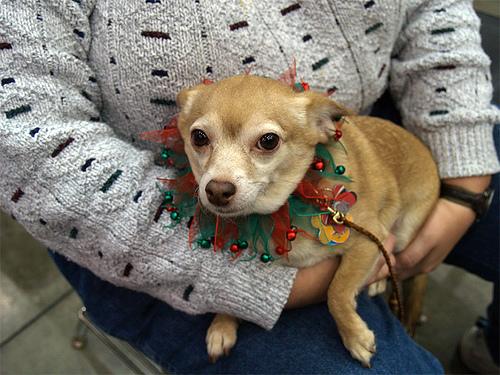
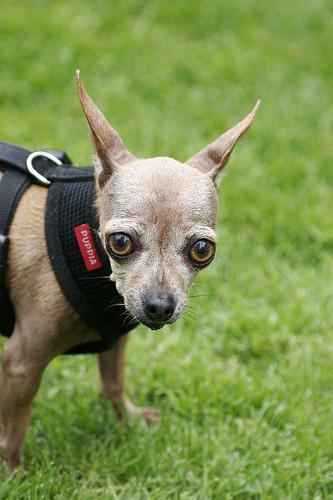
The Chihuahua is the smallest recognized dog breed in the world and one of the most ancient breeds in the Americas, with roots tracing back to pre-Columbian Mexico. Named after the Mexican state of Chihuahua, the breed is descended from the Techichi, a small, mute companion dog kept by the Toltec civilization as far back as the 9th century AD. Spanish conquistadors documented small dogs with large, round eyes and erect ears among the indigenous peoples of Mexico, and by the mid-19th century, American tourists and traders began bringing the breed north across the border. The AKC recognized the Chihuahua in 1904, making it one of the first breeds registered with the club.
The Chihuahua comes in two coat varieties — smooth coat and long coat — both of which are recognized as the same breed by the AKC. Smooth coats are short, close-fitting, and require minimal grooming. Long coats have a soft, flat or slightly wavy coat with feathering on the ears, legs, and tail. Both varieties come in virtually every color and pattern — solid, marked, or splashed — and in every combination from pure white to jet black. The breed standard sets the maximum weight at 6 pounds, with most dogs falling between 2 and 6 pounds and standing 5 to 8 inches at the shoulder. Head shape varies between the round-skulled 'apple head' (preferred by the AKC standard) and the flatter 'deer head' type.
Ranked consistently in the top 15 most popular breeds in the United States, the Chihuahua's popularity reflects a genuine match between the breed's characteristics and modern urban living. They are devoted to their primary person with an intensity rarely matched by larger breeds, adapt well to small living spaces, and have exercise requirements manageable for any owner. Their lifespan of 14 to 18 years makes them one of the longest-lived dog breeds in existence — a Chihuahua adopted today may be a companion for nearly two decades. Despite the teacup Chihuahua marketing term occasionally seen online, no such AKC variety exists; dogs marketed as 'teacups' are simply undersized individuals that often carry elevated health risks.
At a Glance
Quick Facts
- Breed Group:
- Toy
- Bred For:
- Companion
- Origin:
- Mexico
- Life Span:
- 14 - 18 years
- Weight:
- 2 - 6 lbs
- Height:
- 5 - 8 in
💰 Chihuahua Cost Guide
Food · Vet · Grooming · Insurance · Full breakdown
Frequently Asked Questions
What is the temperament of a Chihuahua?
Chihuahuas are known to be devoted, alert, courageous, lively, saucy, confident, loyal, charming, feisty, intelligent. This combination of traits makes them excellent watchdogs and devoted family protectors. Their temperament is influenced by both genetics and proper socialization from an early age.
How much exercise does a Chihuahua need?
Chihuahuas have moderate energy levels and need 30-60 minutes of daily exercise including walks and playtime.
How often should I groom my Chihuahua?
Chihuahuas require minimal grooming with weekly brushing and occasional baths.
How do I train a Chihuahua?
Chihuahuas have moderate trainability and benefit from consistent, positive training approaches.
Are Chihuahuas good with children?
Chihuahuas are moderately good with children. They can adapt well to family life when properly socialized with children. Teaching children to respect the dog's boundaries and supervising interactions will help ensure a positive relationship. Remember that proper socialization and teaching children appropriate interaction with dogs are always important, regardless of breed.
What makes the Chihuahua unique compared to other dog breeds?
The Chihuahua stands out from other breeds due to its tiny, compact size, rich heritage from Mexico, specialized companion qualities. This unique combination of characteristics makes them special among dog breeds and appeals to owners who appreciate these distinct qualities. Understanding these traits helps provide appropriate care tailored to their specific needs.
What should I know before getting a Chihuahua?
Before bringing a Chihuahua into your home, potential owners should consider: Their coat is relatively low-maintenance (1/5). They may be prone to breed-specific health issues including Patellar Luxation, Hypoglycemia, Heart Disease, Dental Disease, Hydrocephalus, Tracheal Collapse. Additionally, researching reputable breeders or rescue organizations is essential for finding a healthy, well-socialized Chihuahua. Understanding these factors will help ensure a good match between the breed and your lifestyle, leading to a happy relationship for both you and your dog.
What were Chihuahuas originally bred for?
Chihuahuas were originally bred for companion. This companion-focused breeding has resulted in their affectionate, people-oriented temperament that makes them excellent pets. As part of the Toy group, they share characteristics with other breeds developed for similar purposes. Understanding your Chihuahua's breeding heritage helps explain many of their natural behaviors and instincts, which can be channeled appropriately through training and enrichment activities. Even though modern Chihuahuas are primarily companions, these inherent traits remain part of their genetic makeup.
How long do Chihuahuas typically live?
The average lifespan of a Chihuahua is 14 - 18 years. With proper care including quality nutrition, regular veterinary check-ups, appropriate exercise, and preventative healthcare, some Chihuahuas may live beyond this range. Genetics, environment, and healthcare all play important roles in determining longevity.
Are Chihuahuas good apartment dogs?
Yes — Chihuahuas are one of the best breeds for apartment living. Their tiny size means they don't need a yard, their exercise needs are modest (20 to 30 minutes of activity per day), and they are content in small spaces as long as they have their owner nearby. The main apartment consideration is barking: Chihuahuas are alert dogs and will bark at sounds in hallways and neighboring units. Early training to a reliable 'quiet' cue and adequate mental stimulation reduce nuisance barking significantly.
Do Chihuahuas get along with children?
Chihuahuas can do well with older, calm children who understand how to handle a very small dog gently. Their tiny size — 3 to 6 pounds — makes them genuinely fragile around young children or boisterous play. A toddler who falls on or accidentally drops a Chihuahua can cause serious injury. Most breed rescues and responsible breeders recommend Chihuahuas for households with children aged 8 or older. With appropriate supervision and children who are taught to interact gently at floor level, Chihuahuas can be affectionate and playful family companions.
How long do Chihuahuas live?
Chihuahuas have the longest average lifespan of any dog breed — 14 to 18 years is typical, and many individuals live into their late teens with proper care. The most important factors affecting longevity are dental health (daily tooth brushing prevents periodontal disease, which causes systemic illness), maintaining a lean body weight (obesity stresses tiny joints and the heart), and managing the breed's known cardiac risk with annual veterinary monitoring after age five.
Are Chihuahuas hard to train?
Chihuahuas are intelligent dogs capable of learning quickly, but they have a stubborn streak and are very sensitive to training approach. Positive reinforcement with high-value food rewards and short, consistent training sessions produces the best results. Harsh corrections backfire — this breed will shut down or become anxious rather than comply. Housetraining is the most common challenge due to small bladder capacity and cold sensitivity; crate training and strict feeding/elimination schedules are essential for reliable results.
Additional Characteristics
Care Requirements
They have a moderate energy level and benefit from daily walks and play sessions.
They require minimal grooming with occasional brushing.
Moderately trainable with consistent methods
They are moderately good with children, especially when properly socialized.
Chihuahua
Complete Breed Guide
About the Chihuahua
The Chihuahua is the smallest recognized dog breed in the world, originating from Mexico and named after the Mexican state of Chihuahua. Despite their tiny size — typically 3 to 6 pounds — Chihuahuas possess enormous personalities, fierce loyalty to their owners, and surprising confidence. They come in two coat varieties (smooth and long) and a wide range of colors. Among the most popular companion breeds in the United States, the Chihuahua is an ideal city dog that adapts well to apartment living. They are devoted to their primary person and can live 14 to 18 years.
Chihuahuas are known for being devoted, alert, courageous, lively, saucy, and confident, loyal, charming. As a moderately energetic breed, they are moderately trainable and thrive with regular mental and physical activity. They are generally good with children and sociable with other dogs when properly introduced, making them a popular choice for families and experienced dog owners alike.
Caring for a Chihuahua means committing to minimal grooming — a quick brush once a week is usually enough, regular daily walks, and positive-reinforcement training. With the right environment and socialization, they make loyal and loving companions.
At a Glance
Quick Facts
- Breed Group:
- Toy
- Bred For:
- Companion
- Origin:
- Mexico
- Life Span:
- 14 - 18 years
- Weight:
- 2 - 6 lbs
- Height:
- 5 - 8 in
Temperament
Free Chihuahua Health Guide
Chihuahuas can be prone to Patellar Luxation and other conditions. Get our owner's health checklist and monthly vet tips — free.
- ✓Chihuahua-specific health warning signs
- ✓Vet visit checklist & cost tracker
- ✓Monthly breed health newsletter
Finding similar breeds...
How We Find Similar Breeds
We analyze breed characteristics including temperament, size, appearance, and care needs to identify the most similar dog breeds. This helps you discover alternatives that might be a good match for your lifestyle and preferences.
Explore Related Breeds & Guides
Adopt a Chihuahua
Filter to show only purebred Chihuahuas (excludes mixed breeds and crosses)
Find Dogs Near You
Enter your location to discover adoptable pets nearby
How to Adopt a Chihuahua
Follow these steps to ensure a smooth and responsible adoption process. Remember that adopting a dog is a lifelong commitment.
Research the Breed
Learn everything you can about Chihuahuas, including their temperament, exercise needs, grooming requirements, and potential health issues.
Find Reputable Sources
Look for adoptable dogs through shelters, rescue organizations, or responsible breeders. Avoid puppy mills and online scams.
Apply for Adoption
Complete an adoption application with your chosen organization. Be prepared to provide references and possibly go through a home visit.
Meet Your Potential Pet
Schedule a meeting with the dog to assess compatibility with you, your family, and any existing pets.
Prepare Your Home
Gather necessary supplies and dog-proof your home before bringing your new pet home.
1Essential Supplies
Food and water bowls, high-quality dog food, collar with ID tag, leash, bed, crate, toys, treats, grooming supplies, and cleaning products for accidents.
2Create a Safe Space
Designate an area where your dog can retreat when feeling overwhelmed. This could be a crate with comfortable bedding or a quiet corner with their bed.
3Remove Hazards
Secure or remove toxic plants, chemicals, small objects that could be swallowed, and foods that are harmful to dogs. Use baby gates if needed to restrict access to certain areas.
4Find a Veterinarian
Research and choose a veterinarian before bringing your dog home, and schedule an initial check-up shortly after adoption.
What is the dog's background and history?
Understanding a dog's past can help you anticipate potential behavior issues and provide appropriate support.
Has the dog been spayed/neutered and vaccinated?
This information is important for planning future veterinary care and understanding any immediate medical needs.
What is the dog's energy level and exercise needs?
Chihuahuas typically need regular exercise to stay healthy and happy. Ask about specific exercise requirements.
Has the dog been socialized with other animals and people?
This helps you understand how the dog might interact with your family, friends, and other pets.
Are there any known behavioral or health issues?
Knowing about existing issues helps you prepare for any special care or training needs.
Special Considerations for Chihuahuas
- Chihuahuas may have specific health concerns that require regular monitoring.
- Consider how the typical Chihuahua temperament aligns with your lifestyle.
- Research the grooming needs of Chihuahuas to ensure you can commit to the required maintenance.
- Understand the exercise requirements of Chihuahuas to keep them healthy and prevent behavior problems.
- Learn about proper training methods that work well with Chihuahuas.
 Chihuahua — Official AKC Breed VideoAmerican Kennel Club
Watch the official AKC video covering temperament, history, traits, and care.
Watch on YouTube →Product Recommendations for Chihuahuas
See all →Vet-reviewed picks for food, insurance, crates, brushes, treats, and toys — matched to this breed.
Compare Chihuahua with Similar Breeds
See how the Chihuahua stacks up against other breeds side by side.