

Chinese Crested
Temperament
About the Chinese Crested
The Chinese Crested occupies a peculiar and fascinating place in canine history — a breed whose name suggests one origin while the genetic evidence points to another. Despite the "Chinese" designation, a 2023 genomic study published in scientific literature suggests closer ties to hairless breeds from the Americas and possibly Africa, with Chinese sailors likely serving as distributors rather than developers of the breed. The prevailing theory holds that Chinese maritime traders acquired hairless dogs from port cities across Africa, the Americas, and Asia during the era of expansive sea trade, eventually standardizing a type that became associated with China by the time Western cynologists took notice. These dogs reportedly served dual purposes aboard ships — providing warmth to ill sailors and serving as capable ratters in the holds.
The modern Chinese Crested as a recognized breed owes significant credit to American breeder Debora Wood, who began collecting and promoting the dogs in the 1950s and founded the Crest Haven kennel. Gypsy Rose Lee, the famous entertainer, became an equally influential figure in the breed's American development, breeding Cresteds and helping introduce them to a wider audience through her celebrity connections. The American Chinese Crested Club (ACCC) was founded in 1979 and remains the AKC parent club for the breed today. The AKC granted the Chinese Crested full recognition in 1991, placing it in the Toy Group.
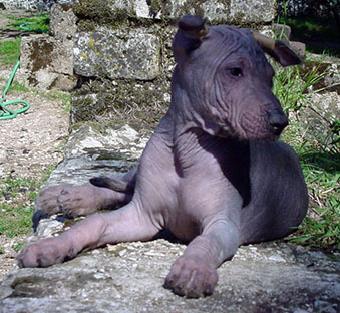
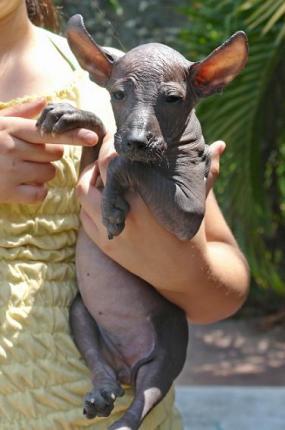
What immediately sets the Chinese Crested apart is its dual-variety structure — the Hairless and the Powderpuff — which can appear in the same litter and are shown as one breed rather than two separate varieties. The Hairless carries a dominant gene that, in homozygous form, is lethal in utero, meaning all Hairless dogs are actually heterozygous carriers. The Powderpuff is homozygous for the recessive allele and carries a full double coat of silky, fine hair. The Hairless displays hair only on its head (the crest), feet (the socks), and tail (the plume), leaving the rest of the body skin exposed — skin that is notably warm to the touch, soft, and surprisingly human-like in texture.
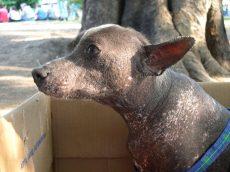
Physically, the breed is fine-boned, elegant, and graceful, weighing between 10 and 13 pounds and standing 11 to 13 inches at the withers. The Crested's expression is uniquely alert and almost foxy, with large ears held erect and dark, almond-shaped eyes. No other AKC Toy breed shares the Crested's combination of hairlessness, coat duality, and that distinctive warm-skinned physical presence that owners consistently describe as more cat-like than canine.
At a Glance
Quick Facts
- Breed Group:
- Toy
- Bred For:
- Ratting, lapdog, curio
- Origin:
- China
- Life Span:
- 10 - 14 years
- Weight:
- 10 - 13 lbs
- Height:
- 11 - 13 in
💰 Chinese Crested Cost Guide
Food · Vet · Grooming · Insurance · Full breakdown
Frequently Asked Questions
What is the temperament of a Chinese Crested?
Chinese Cresteds are known to be affectionate, sweet-tempered, lively, alert, playful, happy. This combination of traits makes them excellent companions for families with children. Their temperament is influenced by both genetics and proper socialization from an early age.
How much exercise does a Chinese Crested need?
Chinese Cresteds have low energy levels and require minimal daily exercise, typically 15-30 minutes of gentle activity.
How often should I groom my Chinese Crested?
Chinese Cresteds need moderate grooming including brushing 2-3 times weekly and regular maintenance.
How do I train a Chinese Crested?
Chinese Cresteds may require extra patience during training and respond best to positive, consistent methods.
Are Chinese Cresteds good with children?
Chinese Cresteds are excellent with children. Their natural patience, gentle nature, and resilience make them outstanding family dogs. They typically form strong bonds with children and tend to be forgiving of the occasional accidental rough handling that can occur with younger kids. Remember that proper socialization and teaching children appropriate interaction with dogs are always important, regardless of breed.
What makes the Chinese Crested unique compared to other dog breeds?
The Chinese Crested stands out from other breeds due to its rich heritage from China, specialized abilities for ratting, lapdog, curio. This unique combination of characteristics makes them special among dog breeds and appeals to owners who appreciate these distinct qualities. Understanding these traits helps provide appropriate care tailored to their specific needs.
What should I know before getting a Chinese Crested?
Before bringing a Chinese Crested into your home, potential owners should consider: They have relatively low exercise needs (2/5), making them suitable for less active households. They typically excel in family environments with children (4/5 child-friendliness). They can be challenging to train (2/5) and are better suited for experienced dog owners. They may be prone to breed-specific health issues including Patellar Luxation, Progressive Retinal Atrophy, Legg-Calve-Perthes Disease, Dental Disease (hairless variety), Sunburn Susceptibility. Additionally, researching reputable breeders or rescue organizations is essential for finding a healthy, well-socialized Chinese Crested. Understanding these factors will help ensure a good match between the breed and your lifestyle, leading to a happy relationship for both you and your dog.
What were Chinese Cresteds originally bred for?
Chinese Cresteds were originally bred for ratting, lapdog, curio. This companion-focused breeding has resulted in their affectionate, people-oriented temperament that makes them excellent pets. As part of the Toy group, they share characteristics with other breeds developed for similar purposes. Understanding your Chinese Crested's breeding heritage helps explain many of their natural behaviors and instincts, which can be channeled appropriately through training and enrichment activities. Even though modern Chinese Cresteds are primarily companions, these inherent traits remain part of their genetic makeup.
How long do Chinese Cresteds typically live?
The average lifespan of a Chinese Crested is 10 - 14 years. With proper care including quality nutrition, regular veterinary check-ups, appropriate exercise, and preventative healthcare, some Chinese Cresteds may live beyond this range. Genetics, environment, and healthcare all play important roles in determining longevity.
Do Chinese Crested dogs smell bad because they have no fur?
Chinese Crested Hairless dogs do not inherently smell more than other breeds, but their skin requires consistent care to stay healthy and odor-free. Because they lack a coat to absorb oils, their exposed skin can accumulate sebum and environmental debris more visibly than a coated dog. Regular bathing — typically every one to two weeks — with a gentle, dog-safe shampoo followed by a light, fragrance-free moisturizer keeps the skin clean and balanced. Dogs that are bathed infrequently or whose pores become clogged with heavy lotions can develop a musty or slightly off smell, but this is a care issue rather than an inherent breed characteristic. The Powderpuff variety, with its full silky coat, does not have any breed-specific odor concerns beyond standard coat maintenance.
Are Chinese Crested dogs good for people with dog allergies?
The Hairless Chinese Crested is often marketed as hypoallergenic, but this requires an important clarification. No dog breed is truly hypoallergenic — most human allergic reactions to dogs are triggered by the protein Can f 1 found in dog saliva, urine, and dander, not by hair itself. The Hairless Crested does shed minimal hair, which reduces one vector for allergen distribution through a home, but the dog still produces dander and saliva. Some allergy sufferers do report tolerating Hairless Cresteds better than heavily shedding breeds, but this varies significantly by individual sensitivity. Anyone with known dog allergies should spend time with the specific dog before committing to adoption or purchase. The Powderpuff variety, despite its full coat, sheds relatively lightly, but is not meaningfully different from other low-shedding breeds in terms of allergen production.
How do you take care of a Chinese Crested's skin in winter?
Hairless Chinese Cresteds lose body heat rapidly in cold weather and require active management during winter months. At temperatures below 45 degrees Fahrenheit, a well-fitted dog sweater or coat is a functional necessity rather than an aesthetic choice — the breed genuinely cannot maintain comfortable body temperature in cold air without coverage. Indoors, the skin can become dry and prone to flaking during winter due to heated air, so a light application of a fragrance-free, dog-safe moisturizer two to three times per week helps maintain skin integrity. Avoid heavy human lotions with fragrances, alcohol, or zinc oxide, which can irritate canine skin or be toxic if licked. Boots are useful on icy or salted pavement both for warmth and to protect the sensitive skin on the paws, which is as exposed as the rest of the body.
Can a Chinese Crested be left alone during the day?
Chinese Cresteds form extremely tight bonds with their people and are among the toy breeds most prone to separation anxiety when left alone without preparation. A Crested that has never been taught to tolerate solitude can become destructive, vocalize persistently, or develop stress-related behaviors like repetitive pacing or self-grooming to the point of skin irritation. However, with deliberate training from puppyhood — crate training introduced positively, graduated absences starting from just a few minutes, and a consistent pre-departure routine — most Cresteds can comfortably handle a standard workday alone. Adult dogs already exhibiting separation anxiety require a structured desensitization program, sometimes alongside guidance from a certified applied animal behaviorist. Leaving a Crested with enrichment toys, a piece of clothing carrying the owner's scent, and access to a safe, comfortable space significantly improves their ability to rest calmly in the owner's absence.
Additional Characteristics
Care Requirements
They have a low to moderate energy level and need regular but not extensive exercise.
They need moderate grooming, including regular brushing and occasional professional care.
May require extra patience — better suited for experienced owners
They are generally very good with children and tend to be patient and tolerant.
Chinese Crested
Complete Breed Guide
About the Chinese Crested
The Chinese Crested is a small toy breed that originated in China, where it was used as a companion dog on trading ships. Weighing between 10 to 13 pounds and standing 11 to 13 inches tall, this breed is known for its distinctive hairless variety, featuring soft skin and tufts of hair on the head, feet, and tail. Chinese Cresteds are affectionate, lively, and playful, making them excellent companions, and they typically have a lifespan of 10 to 14 years.
Chinese Cresteds are known for being affectionate, sweet-tempered, lively, alert, playful, and happy. As a low-key and calm breed, they are independent-minded and requiring patient, consistent training and thrive with regular mental and physical activity. They are excellent with children of all ages and selective around other dogs, making them a popular choice for families and experienced dog owners alike.
Caring for a Chinese Crested means committing to moderate grooming every week or two, regular daily walks, and positive-reinforcement training. Their gentle, social nature makes them a wonderful addition to active families.
At a Glance
Quick Facts
- Breed Group:
- Toy
- Bred For:
- Ratting, lapdog, curio
- Origin:
- China
- Life Span:
- 10 - 14 years
- Weight:
- 10 - 13 lbs
- Height:
- 11 - 13 in
Temperament
Free Chinese Crested Health Guide
Chinese Cresteds can be prone to Patellar Luxation and other conditions. Get our owner's health checklist and monthly vet tips — free.
- ✓Chinese Crested-specific health warning signs
- ✓Vet visit checklist & cost tracker
- ✓Monthly breed health newsletter
Finding similar breeds...
How We Find Similar Breeds
We analyze breed characteristics including temperament, size, appearance, and care needs to identify the most similar dog breeds. This helps you discover alternatives that might be a good match for your lifestyle and preferences.
Adopt a Chinese Crested
Filter to show only purebred Chinese Cresteds (excludes mixed breeds and crosses)
Find Dogs Near You
Enter your location to discover adoptable pets nearby
How to Adopt a Chinese Crested
Follow these steps to ensure a smooth and responsible adoption process. Remember that adopting a dog is a lifelong commitment.
Research the Breed
Learn everything you can about Chinese Cresteds, including their temperament, exercise needs, grooming requirements, and potential health issues.
Find Reputable Sources
Look for adoptable dogs through shelters, rescue organizations, or responsible breeders. Avoid puppy mills and online scams.
Apply for Adoption
Complete an adoption application with your chosen organization. Be prepared to provide references and possibly go through a home visit.
Meet Your Potential Pet
Schedule a meeting with the dog to assess compatibility with you, your family, and any existing pets.
Prepare Your Home
Gather necessary supplies and dog-proof your home before bringing your new pet home.
1Essential Supplies
Food and water bowls, high-quality dog food, collar with ID tag, leash, bed, crate, toys, treats, grooming supplies, and cleaning products for accidents.
2Create a Safe Space
Designate an area where your dog can retreat when feeling overwhelmed. This could be a crate with comfortable bedding or a quiet corner with their bed.
3Remove Hazards
Secure or remove toxic plants, chemicals, small objects that could be swallowed, and foods that are harmful to dogs. Use baby gates if needed to restrict access to certain areas.
4Find a Veterinarian
Research and choose a veterinarian before bringing your dog home, and schedule an initial check-up shortly after adoption.
What is the dog's background and history?
Understanding a dog's past can help you anticipate potential behavior issues and provide appropriate support.
Has the dog been spayed/neutered and vaccinated?
This information is important for planning future veterinary care and understanding any immediate medical needs.
What is the dog's energy level and exercise needs?
Chinese Cresteds typically need regular exercise to stay healthy and happy. Ask about specific exercise requirements.
Has the dog been socialized with other animals and people?
This helps you understand how the dog might interact with your family, friends, and other pets.
Are there any known behavioral or health issues?
Knowing about existing issues helps you prepare for any special care or training needs.
Special Considerations for Chinese Cresteds
- Chinese Cresteds may have specific health concerns that require regular monitoring.
- Consider how the typical Chinese Crested temperament aligns with your lifestyle.
- Research the grooming needs of Chinese Cresteds to ensure you can commit to the required maintenance.
- Understand the exercise requirements of Chinese Cresteds to keep them healthy and prevent behavior problems.
- Learn about proper training methods that work well with Chinese Cresteds.
Product Recommendations for Chinese Cresteds
See all →Vet-reviewed picks for food, insurance, crates, brushes, treats, and toys — matched to this breed.
Compare Chinese Crested with Similar Breeds
See how the Chinese Crested stacks up against other breeds side by side.