

Chinese Shar-Pei
Temperament
About the Chinese Shar-Pei
The Chinese Shar-Pei is one of the oldest and most visually distinctive dog breeds in existence, with origins traced back approximately 2,000 years to the southern provinces of China, particularly the Guangdong region. Ancient Chinese statues dating to the Han Dynasty (around 200 B.C.) depict dogs bearing a striking resemblance to the modern Shar-Pei, suggesting the breed's lineage is among the most ancient of any recognized dog. Developed as a multipurpose farm and working dog, the Shar-Pei served Chinese farmers as a hunter, herder, property guardian, and companion. The breed's name translates roughly from Cantonese as 'sand skin' or 'sandpaper-like coat,' a direct reference to the harsh, bristly texture of its short coat — a feature entirely unique to the breed.
The Shar-Pei's history took a dark turn in the 20th century. Following the rise of the People's Republic of China and heavy taxation on dogs, the breed was nearly eradicated on mainland China. By the early 1970s, the Shar-Pei was listed in the Guinness World Records as the world's rarest dog breed. It was a Hong Kong businessman and breeder named Matgo Law who is credited with saving the breed from extinction. In 1973, Law wrote an impassioned letter to the American dog magazine Dogs, appealing to American breeders to help preserve the Shar-Pei. The response was immediate and substantial, and the breed was imported to the United States in significant numbers throughout the late 1970s.
The Chinese Shar-Pei Club of America (CSPCA) was founded in 1974 and remains the AKC parent club for the breed. The AKC officially recognized the Chinese Shar-Pei in 1992, placing it in the Non-Sporting Group. As of recent AKC rankings, the breed sits at approximately 83rd in popularity out of 205 recognized breeds — a testament to its dedicated following despite being considered a challenging breed for average dog owners.
It is worth noting that two distinct types exist: the heavily wrinkled 'meat-mouth' type, which became popular in the West through American breeding programs, and the traditional 'bone-mouth' type, which retains tighter skin and a more moderate appearance and is still maintained in Hong Kong. These are not separate breeds but rather divergent breeding philosophies within the same lineage. The Shar-Pei shares its characteristic blue-black tongue with the Chow Chow, and both breeds likely share ancestral roots in ancient Chinese dog populations. However, the Shar-Pei is taller and more angular than the Chow Chow and carries a notably different temperament — less diffusely aloof and more pointedly devoted to its immediate family.
At a Glance
Quick Facts
- Breed Group:
- Non-Sporting
- Bred For:
- Fighting
- Origin:
- China
- Life Span:
- 8 - 12 years
- Weight:
- 45 - 60 lbs
- Height:
- 18 - 20 in
💰 Chinese Shar-Pei Cost Guide
Food · Vet · Grooming · Insurance · Full breakdown
Frequently Asked Questions
What is the temperament of a Chinese Shar-Pei?
Chinese Shar-Peis are known to be suspicious, affectionate, devoted, reserved, independent, loving. This combination of traits makes them wonderful companions for most households. Their temperament is influenced by both genetics and proper socialization from an early age.
How much exercise does a Chinese Shar-Pei need?
Chinese Shar-Peis are high-energy dogs requiring 60+ minutes of vigorous daily exercise and mental stimulation.
How often should I groom my Chinese Shar-Pei?
Chinese Shar-Peis require intensive grooming with daily brushing and regular professional grooming sessions.
How do I train a Chinese Shar-Pei?
Chinese Shar-Peis have moderate trainability and benefit from consistent, positive training approaches.
Are Chinese Shar-Peis good with children?
Chinese Shar-Peis are generally not recommended with children. They generally prefer calm, predictable environments and may become stressed by the unpredictable movements and loud sounds typical of young children. Households with older, respectful children may be more suitable. Remember that proper socialization and teaching children appropriate interaction with dogs are always important, regardless of breed.
What makes the Chinese Shar-Pei unique compared to other dog breeds?
The Chinese Shar-Pei stands out from other breeds due to its rich heritage from China, specialized abilities for fighting. This unique combination of characteristics makes them special among dog breeds and appeals to owners who appreciate these distinct qualities. Understanding these traits helps provide appropriate care tailored to their specific needs.
What should I know before getting a Chinese Shar-Pei?
Before bringing a Chinese Shar-Pei into your home, potential owners should consider: They have high exercise requirements (4/5) and need an active owner. Their coat requires significant maintenance (5/5) with regular grooming sessions. They may not be ideal for families with young children (2/5 child-friendliness). They may be prone to breed-specific health issues including Shar-Pei Autoinflammatory Disease (SPAID), Entropion, Hypothyroidism, Skin Fold Dermatitis, Hip Dysplasia, Ear Infections. Additionally, researching reputable breeders or rescue organizations is essential for finding a healthy, well-socialized Chinese Shar-Pei. Understanding these factors will help ensure a good match between the breed and your lifestyle, leading to a happy relationship for both you and your dog.
What were Chinese Shar-Peis originally bred for?
Chinese Shar-Peis were originally bred for fighting. As part of the Non-Sporting group, they share characteristics with other breeds developed for similar purposes. Understanding your Chinese Shar-Pei's breeding heritage helps explain many of their natural behaviors and instincts, which can be channeled appropriately through training and enrichment activities. Even though modern Chinese Shar-Peis are primarily companions, these inherent traits remain part of their genetic makeup.
How long do Chinese Shar-Peis typically live?
The average lifespan of a Chinese Shar-Pei is 8 - 12 years. With proper care including quality nutrition, regular veterinary check-ups, appropriate exercise, and preventative healthcare, some Chinese Shar-Peis may live beyond this range. Genetics, environment, and healthcare all play important roles in determining longevity.
Are Chinese Shar-Pei good family dogs?
Chinese Shar-Pei can be excellent family dogs, but with important caveats. They are deeply devoted and affectionate with their immediate family, including children they are raised with, but they are naturally suspicious of strangers and can be territorial. They do best in families where the adults are experienced dog owners who understand guardian-breed temperament, can enforce consistent boundaries, and commit to early and ongoing socialization. Homes with very young children require careful supervision, as the Shar-Pei's tolerance for rough handling is limited compared to more overtly people-pleasing breeds.
How serious is Shar-Pei fever and SPAID?
Shar-Pei Autoinflammatory Disease, or SPAID, is a serious and breed-specific hereditary condition that should be a primary health consideration for anyone acquiring a Shar-Pei. Affected dogs experience recurrent episodes of fever, typically 103–107°F, often accompanied by swelling of the hock joints. The long-term danger is amyloidosis — the accumulation of amyloid protein in the kidneys and liver — which can lead to organ failure and significantly shortened lifespan if not managed. There is no cure, but early diagnosis, anti-inflammatory management during episodes, and careful monitoring can slow progression. Selecting from breeders who actively health-test and work to reduce SPAID in their lines is one of the most important decisions a prospective owner can make.
Do Chinese Shar-Pei get along with other dogs?
The Chinese Shar-Pei's history as a fighting dog in parts of China left a legacy of same-sex dog aggression that appears with real frequency in the breed today. Many Shar-Pei coexist peacefully with dogs they are raised with from puppyhood, particularly if those dogs are of the opposite sex, but introductions to unfamiliar dogs require careful management. Dog-to-dog aggression, especially toward dogs of the same sex, is considered a breed tendency rather than a training failure. Shar-Pei who are well-socialized from an early age have better odds of tolerability in multi-dog households, but this should not be assumed — each dog must be assessed individually, and adopters with existing dogs should arrange a carefully supervised introduction before committing.
How much grooming does a Shar-Pei need?
The Shar-Pei's short coat is low-maintenance in the traditional sense — no trimming, no complicated brushing routines, and professional grooming every six to eight weeks for a bath is typically sufficient for coat care. The real grooming demand with this breed is skin fold maintenance, which is non-negotiable. The deep wrinkles on the face, neck, and body trap moisture, debris, and microorganisms that lead to bacterial and yeast infections if not regularly cleaned. Owners need to clean between folds multiple times per week using veterinarian-recommended wipes or solutions and ensure the skin is fully dried afterward. Ears also require regular inspection and cleaning due to the breed's narrow ear canals, which are prone to chronic infection.
Additional Characteristics
Care Requirements
They are high-energy dogs that need significant daily exercise and mental stimulation.
They have very high maintenance coats requiring daily brushing and regular professional grooming.
Moderately trainable with consistent methods
They can be suitable with older, respectful children but may not be ideal for young children.
Chinese Shar-Pei
Complete Breed Guide
About the Chinese Shar-Pei
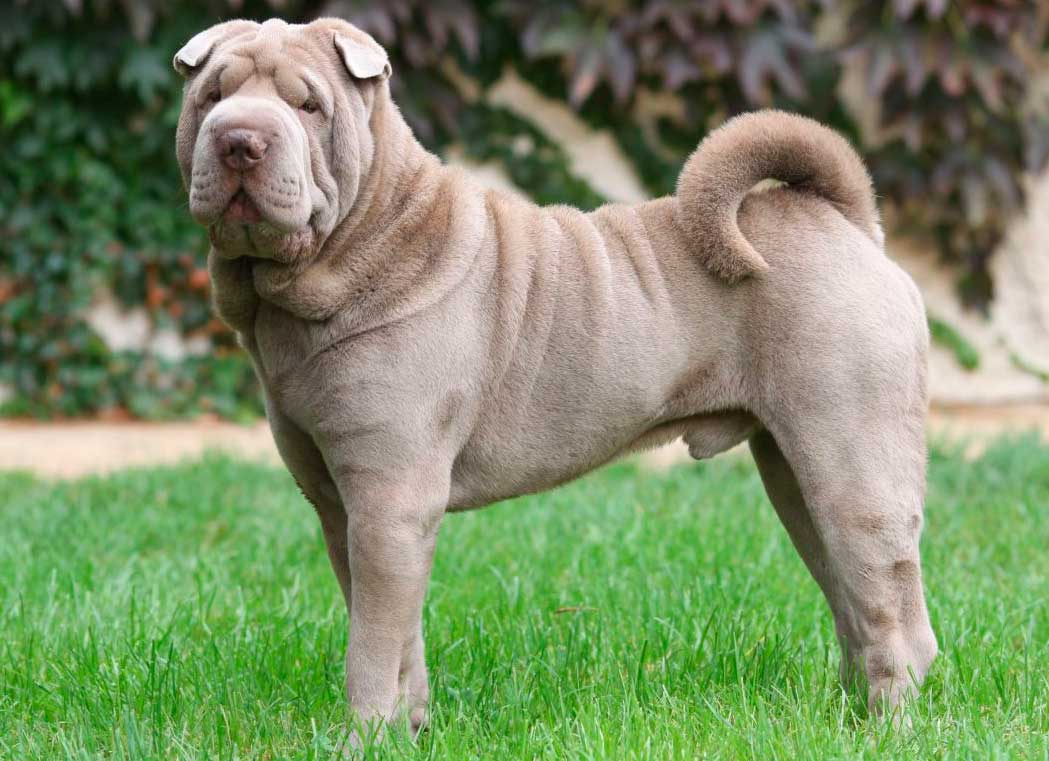
The Chinese Shar-Pei is a breed that originated in China, historically used for guarding and as a fighting dog. They are characterized by their deep wrinkles, a broad head, and a distinctive "hippopotamus" face, standing 18 to 20 inches tall and weighing between 45 to 60 pounds. Known for their independent and reserved temperament, Shar-Peis are often suspicious of strangers but are affectionate and devoted to their families, typically living around 10 years.
Chinese Shar-Peis are known for being suspicious, affectionate, devoted, reserved, independent, and loving. As a high-energy breed, they are moderately trainable and thrive with regular mental and physical activity. They are better suited to households without young children and friendly with other dogs, making them a popular choice for families and experienced dog owners alike.
Caring for a Chinese Shar-Pei means committing to regular grooming (brushing several times a week), vigorous daily exercise, and consistent training from an early age. They do best in structured environments with experienced dog owners.
At a Glance
Quick Facts
- Breed Group:
- Non-Sporting
- Bred For:
- Fighting
- Origin:
- China
- Life Span:
- 8 - 12 years
- Weight:
- 45 - 60 lbs
- Height:
- 18 - 20 in
Temperament
Free Chinese Shar-Pei Health Guide
Chinese Shar-Peis can be prone to Shar-Pei Autoinflammatory Disease (SPAID) and other conditions. Get our owner's health checklist and monthly vet tips — free.
- ✓Chinese Shar-Pei-specific health warning signs
- ✓Vet visit checklist & cost tracker
- ✓Monthly breed health newsletter
Finding similar breeds...
How We Find Similar Breeds
We analyze breed characteristics including temperament, size, appearance, and care needs to identify the most similar dog breeds. This helps you discover alternatives that might be a good match for your lifestyle and preferences.
Explore Related Breeds & Guides
Adopt a Chinese Shar-Pei
Filter to show only purebred Chinese Shar-Peis (excludes mixed breeds and crosses)
Find Dogs Near You
Enter your location to discover adoptable pets nearby
How to Adopt a Chinese Shar-Pei
Follow these steps to ensure a smooth and responsible adoption process. Remember that adopting a dog is a lifelong commitment.
Research the Breed
Learn everything you can about Chinese Shar-Peis, including their temperament, exercise needs, grooming requirements, and potential health issues.
Find Reputable Sources
Look for adoptable dogs through shelters, rescue organizations, or responsible breeders. Avoid puppy mills and online scams.
Apply for Adoption
Complete an adoption application with your chosen organization. Be prepared to provide references and possibly go through a home visit.
Meet Your Potential Pet
Schedule a meeting with the dog to assess compatibility with you, your family, and any existing pets.
Prepare Your Home
Gather necessary supplies and dog-proof your home before bringing your new pet home.
1Essential Supplies
Food and water bowls, high-quality dog food, collar with ID tag, leash, bed, crate, toys, treats, grooming supplies, and cleaning products for accidents.
2Create a Safe Space
Designate an area where your dog can retreat when feeling overwhelmed. This could be a crate with comfortable bedding or a quiet corner with their bed.
3Remove Hazards
Secure or remove toxic plants, chemicals, small objects that could be swallowed, and foods that are harmful to dogs. Use baby gates if needed to restrict access to certain areas.
4Find a Veterinarian
Research and choose a veterinarian before bringing your dog home, and schedule an initial check-up shortly after adoption.
What is the dog's background and history?
Understanding a dog's past can help you anticipate potential behavior issues and provide appropriate support.
Has the dog been spayed/neutered and vaccinated?
This information is important for planning future veterinary care and understanding any immediate medical needs.
What is the dog's energy level and exercise needs?
Chinese Shar-Peis typically need regular exercise to stay healthy and happy. Ask about specific exercise requirements.
Has the dog been socialized with other animals and people?
This helps you understand how the dog might interact with your family, friends, and other pets.
Are there any known behavioral or health issues?
Knowing about existing issues helps you prepare for any special care or training needs.
Special Considerations for Chinese Shar-Peis
- Chinese Shar-Peis may have specific health concerns that require regular monitoring.
- Consider how the typical Chinese Shar-Pei temperament aligns with your lifestyle.
- Research the grooming needs of Chinese Shar-Peis to ensure you can commit to the required maintenance.
- Understand the exercise requirements of Chinese Shar-Peis to keep them healthy and prevent behavior problems.
- Learn about proper training methods that work well with Chinese Shar-Peis.
Product Recommendations for Chinese Shar-Peis
See all →Vet-reviewed picks for food, insurance, crates, brushes, treats, and toys — matched to this breed.
Compare Chinese Shar-Pei with Similar Breeds
See how the Chinese Shar-Pei stacks up against other breeds side by side.