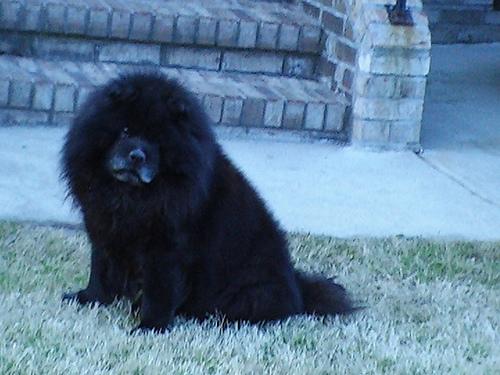
Chow Chow
Temperament
About the Chow Chow
The Chow Chow is one of the oldest identifiable dog breeds on earth, with historians tracing recognizable ancestors to Chinese pottery and sculpture from as early as 200 B.C., during the Han Dynasty (206 BCE to 220 CE). Some genetic studies suggest the breed's lineage may stretch back even further, placing it among a small group of ancient breeds whose DNA most closely resembles that of wolves. Originating in northern China, the Chow was never a one-job dog — it hunted, herded, guarded homes and temples, pulled carts, and, in harder historical periods, was raised for its meat and dense fur. This utilitarian past shaped a dog built for endurance and self-sufficiency rather than constant human direction.
The breed arrived in England in the late 18th century, with early specimens exhibited at the London Zoo as curiosities under the label 'Wild Dogs of China.' The name 'Chow Chow' is widely believed to derive from a pidgin English term used by British sailors to describe miscellaneous cargo from the East, though the breed's Chinese name, Songshi Quan, translates roughly to 'puffy-lion dog.' Queen Victoria's interest in the breed helped elevate its status in Europe during the 1880s, and the American Kennel Club officially recognized the Chow Chow in 1903. Today, the breed ranks 88th out of 205 AKC-recognized breeds in popularity — respected but never trendy, which suits the Chow's temperament well.
The Chow Chow Club, Inc. is the AKC parent club for the breed in the United States, founded in 1906, making it one of the older specialty clubs in the country. The club maintains the breed standard, sanctions regional specialties, and oversees health and welfare initiatives. In the United Kingdom, the Chow Chow Club was established in 1895, one of the earliest breed-specific clubs ever formed.
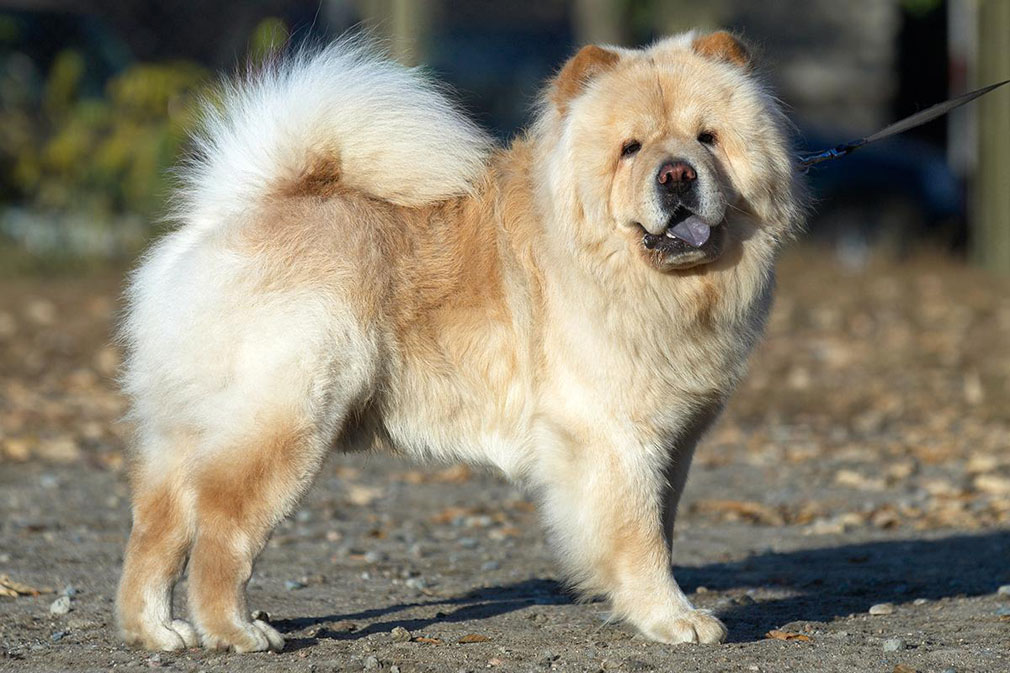
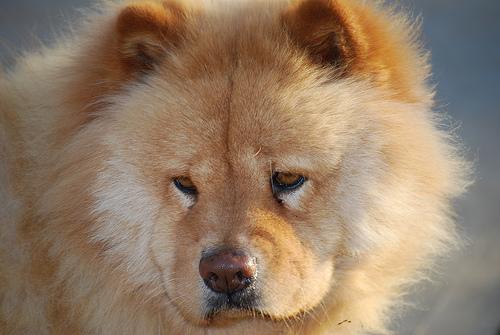
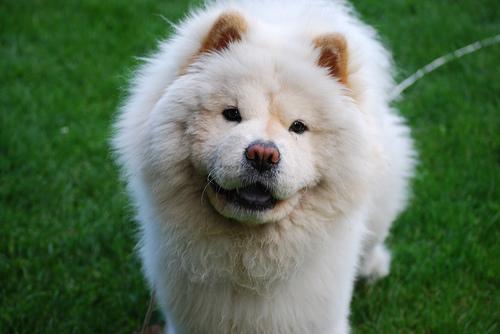
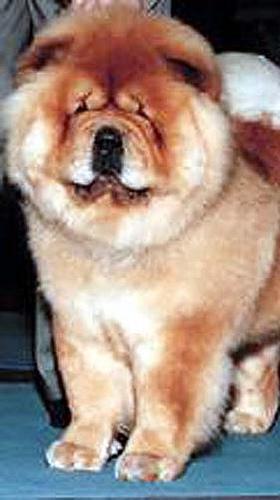
What separates the Chow from other spitz-type breeds — the Akita, the Shiba Inu, the Keeshond — is the particular combination of its physical and behavioral traits. The famously blue-black tongue and gums are a hallmark shared only with the Shar-Pei among purebred dogs. The breed's stilted, almost deliberate gait results from its nearly straight hind legs, a conformation point unique among working-origin dogs. The coat comes in two distinct varieties, rough and smooth, with the rough coat producing the lionlike mane around the neck and shoulders that makes the Chow instantly recognizable. Five AKC-accepted colors exist: red, black, blue, cinnamon, and cream. This is not a breed that resembles anything else, and that singularity is as true in temperament as it is in appearance.
At a Glance
Quick Facts
- Breed Group:
- Non-Sporting
- Bred For:
- Guardian, cart pulling, hunting
- Origin:
- China
- Life Span:
- 12 - 15 years
- Weight:
- 40 - 70 lbs
- Height:
- 17 - 20 in
💰 Chow Chow Cost Guide
Food · Vet · Grooming · Insurance · Full breakdown
Frequently Asked Questions
What is the temperament of a Chow Chow?
Chow Chows are known to be aloof, loyal, independent, quiet, curious, playful, affectionate, gentle, friendly, protective, timid. This combination of traits makes them excellent companions for families with children. Their temperament is influenced by both genetics and proper socialization from an early age.
How much exercise does a Chow Chow need?
Chow Chows are high-energy dogs requiring 60+ minutes of vigorous daily exercise and mental stimulation.
How often should I groom my Chow Chow?
Chow Chows require intensive grooming with daily brushing and regular professional grooming sessions.
How do I train a Chow Chow?
Chow Chows are highly trainable and typically respond well to positive reinforcement methods.
Are Chow Chows good with children?
Chow Chows are excellent with children. Their natural patience, gentle nature, and resilience make them outstanding family dogs. They typically form strong bonds with children and tend to be forgiving of the occasional accidental rough handling that can occur with younger kids. Remember that proper socialization and teaching children appropriate interaction with dogs are always important, regardless of breed.
What makes the Chow Chow unique compared to other dog breeds?
The Chow Chow stands out from other breeds due to its rich heritage from China, exceptional hunting abilities. This unique combination of characteristics makes them special among dog breeds and appeals to owners who appreciate these distinct qualities. Understanding these traits helps provide appropriate care tailored to their specific needs.
What should I know before getting a Chow Chow?
Before bringing a Chow Chow into your home, potential owners should consider: They have high exercise requirements (5/5) and need an active owner. Their coat requires significant maintenance (4/5) with regular grooming sessions. They typically excel in family environments with children (5/5 child-friendliness). They're typically highly trainable (4/5) and eager to learn. Their large size requires adequate living space. They may be prone to breed-specific health issues including Hip Dysplasia, Elbow Dysplasia, Entropion, Patellar Luxation, Hypothyroidism, Bloat (GDV). Additionally, researching reputable breeders or rescue organizations is essential for finding a healthy, well-socialized Chow Chow. Understanding these factors will help ensure a good match between the breed and your lifestyle, leading to a happy relationship for both you and your dog.
What were Chow Chows originally bred for?
Chow Chows were originally bred for guardian, cart pulling, hunting. This hunting background explains their natural prey drive, scenting abilities, and often high energy levels. As part of the Non-Sporting group, they share characteristics with other breeds developed for similar purposes. Understanding your Chow Chow's breeding heritage helps explain many of their natural behaviors and instincts, which can be channeled appropriately through training and enrichment activities. Even though modern Chow Chows are primarily companions, these inherent traits remain part of their genetic makeup.
How long do Chow Chows typically live?
The average lifespan of a Chow Chow is 12 - 15 years. With proper care including quality nutrition, regular veterinary check-ups, appropriate exercise, and preventative healthcare, some Chow Chows may live beyond this range. Genetics, environment, and healthcare all play important roles in determining longevity.
Are Chow Chows good family dogs?
Chow Chows can be excellent family dogs in the right household, but they are not universally suited to family life the way a Golden Retriever or Labrador might be. They form deep bonds with their immediate family and are typically gentle and affectionate with children they have grown up with. However, the breed's natural wariness of strangers extends to unfamiliar children, and Chows do not tolerate rough handling or unpredictable behavior well. Families with young children who have not been taught to respect a dog's boundaries can create stress for a Chow that manifests as avoidance or, in poorly socialized dogs, defensiveness. Chows raised with children from puppyhood, in a household where boundaries are consistently taught on both sides, generally do very well. The breed is not recommended as a first dog for families who have no prior experience with guardian or independent-type breeds.
Why do Chow Chows have blue tongues?
The blue-black tongue and gums of the Chow Chow are caused by a high concentration of pigment-producing cells in the oral tissue — the same cellular mechanism that produces dark pigmentation in skin. It is a defining genetic trait of the breed and appears in Chow puppies by about 8 to 10 weeks of age; puppies born with pink tongues that do not darken are considered to have a fault by AKC breed standards. The only other purebred dog that shares this characteristic is the Chinese Shar-Pei, suggesting a common ancestral origin. A pink or spotted tongue in an adult Chow may indicate mixed ancestry. The trait has no health implications — it is purely a pigmentation characteristic, not a sign of any circulatory or metabolic condition.
Do Chow Chows shed a lot?
Yes, Chow Chows shed considerably, and prospective owners should understand what that means in practical terms before bringing one home. The breed carries a dense double coat — a soft, woolly undercoat beneath a coarser outer layer — and blows this undercoat heavily twice a year, typically in spring and fall, when the seasonal coat change produces truly significant volumes of fur. During these periods, daily brushing is necessary to prevent matting and manage the shedding. Outside of seasonal blows, the Chow sheds moderately year-round. A high-quality slicker brush and an undercoat rake are essential tools. Smooth-coated Chows shed just as much as rough-coated ones despite their shorter fur. Households with severe allergies to dog dander should treat the Chow Chow as a high-allergen breed.
Are Chow Chows hard to train?
Chow Chows are not impossible to train, but they require a fundamentally different approach than most people expect from a dog. The breed is intelligent and observant, but it does not have the biddable, eager-to-please quality of retrievers or herding breeds. Chows learn quickly what they are being asked to do — they simply evaluate whether they want to comply. Repetitive drills bore them, and confrontational or punishment-based training causes them to disengage or become defensive. The most successful approach combines high-value reward motivation, short and varied training sessions, and consistent early socialization. Obedience classes that use force-free methods and that have instructors familiar with independent or guardian breeds tend to produce the best outcomes. The breed is best suited to owners with some prior dog experience — not necessarily professional trainers, but people who understand that compliance must be earned through relationship rather than demanded through pressure.
Additional Characteristics
Care Requirements
They are extremely energetic dogs requiring extensive daily exercise, activities, and mental stimulation.
They have high grooming needs requiring frequent brushing and regular professional grooming.
Highly trainable — quick to learn and eager to please
They are excellent with children and often form strong bonds with them.
Chow Chow
Complete Breed Guide
About the Chow Chow
The Chow Chow is a breed with origins in China, where it was historically used for guarding and pulling sleds. This breed is characterized by its distinctive lion-like mane, deep-set eyes, and a blue-black tongue, with a weight range of 40 to 70 pounds and a height of 17 to 20 inches. Chow Chows are known for their aloof yet loyal temperament, often exhibiting an independent nature while being protective of their families. They require early socialization and training to manage their sometimes reserved demeanor.
Chow Chows are known for being aloof, loyal, independent, quiet, curious, and playful, affectionate, gentle. As a high-energy breed, they are highly responsive to training and thrive with regular mental and physical activity. They are excellent with children of all ages and friendly with other dogs, making them a popular choice for families and experienced dog owners alike.
Caring for a Chow Chow means committing to regular grooming (brushing several times a week), intense daily exercise, and firm, consistent training. Their gentle, social nature makes them a wonderful addition to active families.
At a Glance
Quick Facts
- Breed Group:
- Non-Sporting
- Bred For:
- Guardian, cart pulling, hunting
- Origin:
- China
- Life Span:
- 12 - 15 years
- Weight:
- 40 - 70 lbs
- Height:
- 17 - 20 in
Temperament
Free Chow Chow Health Guide
Chow Chows can be prone to Hip Dysplasia and other conditions. Get our owner's health checklist and monthly vet tips — free.
- ✓Chow Chow-specific health warning signs
- ✓Vet visit checklist & cost tracker
- ✓Monthly breed health newsletter
Finding similar breeds...
How We Find Similar Breeds
We analyze breed characteristics including temperament, size, appearance, and care needs to identify the most similar dog breeds. This helps you discover alternatives that might be a good match for your lifestyle and preferences.
Explore Related Breeds & Guides
Adopt a Chow Chow
Filter to show only purebred Chow Chows (excludes mixed breeds and crosses)
Find Dogs Near You
Enter your location to discover adoptable pets nearby
How to Adopt a Chow Chow
Follow these steps to ensure a smooth and responsible adoption process. Remember that adopting a dog is a lifelong commitment.
Research the Breed
Learn everything you can about Chow Chows, including their temperament, exercise needs, grooming requirements, and potential health issues.
Find Reputable Sources
Look for adoptable dogs through shelters, rescue organizations, or responsible breeders. Avoid puppy mills and online scams.
Apply for Adoption
Complete an adoption application with your chosen organization. Be prepared to provide references and possibly go through a home visit.
Meet Your Potential Pet
Schedule a meeting with the dog to assess compatibility with you, your family, and any existing pets.
Prepare Your Home
Gather necessary supplies and dog-proof your home before bringing your new pet home.
1Essential Supplies
Food and water bowls, high-quality dog food, collar with ID tag, leash, bed, crate, toys, treats, grooming supplies, and cleaning products for accidents.
2Create a Safe Space
Designate an area where your dog can retreat when feeling overwhelmed. This could be a crate with comfortable bedding or a quiet corner with their bed.
3Remove Hazards
Secure or remove toxic plants, chemicals, small objects that could be swallowed, and foods that are harmful to dogs. Use baby gates if needed to restrict access to certain areas.
4Find a Veterinarian
Research and choose a veterinarian before bringing your dog home, and schedule an initial check-up shortly after adoption.
What is the dog's background and history?
Understanding a dog's past can help you anticipate potential behavior issues and provide appropriate support.
Has the dog been spayed/neutered and vaccinated?
This information is important for planning future veterinary care and understanding any immediate medical needs.
What is the dog's energy level and exercise needs?
Chow Chows typically need regular exercise to stay healthy and happy. Ask about specific exercise requirements.
Has the dog been socialized with other animals and people?
This helps you understand how the dog might interact with your family, friends, and other pets.
Are there any known behavioral or health issues?
Knowing about existing issues helps you prepare for any special care or training needs.
Special Considerations for Chow Chows
- Chow Chows may have specific health concerns that require regular monitoring.
- Consider how the typical Chow Chow temperament aligns with your lifestyle.
- Research the grooming needs of Chow Chows to ensure you can commit to the required maintenance.
- Understand the exercise requirements of Chow Chows to keep them healthy and prevent behavior problems.
- Learn about proper training methods that work well with Chow Chows.
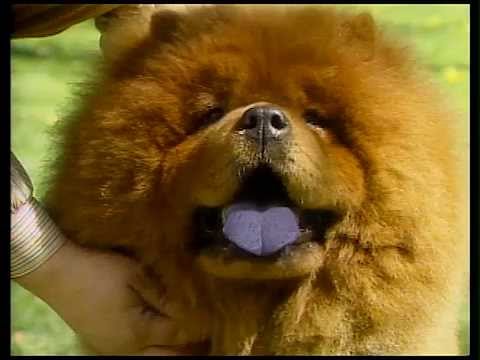 Chow Chow — Official AKC Breed VideoAmerican Kennel Club
Watch the official AKC video covering temperament, history, traits, and care.
Watch on YouTube →Product Recommendations for Chow Chows
See all →Vet-reviewed picks for food, insurance, crates, brushes, treats, and toys — matched to this breed.
Compare Chow Chow with Similar Breeds
See how the Chow Chow stacks up against other breeds side by side.