


Coton de Tulear
Temperament
About the Coton de Tulear
The Coton de Tulear's origin story is unusual even by dog breed standards. The most widely accepted account holds that small white dogs arrived on the island of Madagascar centuries ago — likely aboard trading or colonial vessels — and eventually established themselves in and around the port city of Tuléar, known today as Toliara, on the island's southwestern coast. Some accounts trace their arrival to as early as the 15th or 16th century, with the dogs potentially descending from ancestors related to the Bichon Frise and the Maltese, breeds that traveled widely across Mediterranean and Indian Ocean trade routes. One persistent legend describes a group of small white dogs surviving a shipwreck and swimming ashore, though historians treat this as folklore rather than documented fact.
What is well documented is what happened next. By the time France colonized Madagascar in the late 1800s, the Coton had become firmly embedded in the island's aristocratic culture. Malagasy nobility — particularly in the Merina royal court — kept the dogs as prized companions, and ownership was reportedly restricted to the ruling class. Commoners were forbidden from keeping them, which earned the breed its informal title: the Royal Dog of Madagascar.
The breed remained largely unknown outside Madagascar until the 1970s, when French tourists encountered them and began importing dogs to Europe. Dr. Robert Jay Russell is credited with bringing the Coton to the United States in the 1970s and establishing the foundation for American breeding programs. The United States Coton de Tulear Club (USCTC) was founded to preserve the breed's standards, and the American Kennel Club formally recognized the Coton de Tulear in 2014, placing it in the Non-Sporting Group. The breed currently ranks around 92nd out of 205 AKC-recognized breeds in popularity — notable for a dog that was virtually unknown in North America fifty years ago.
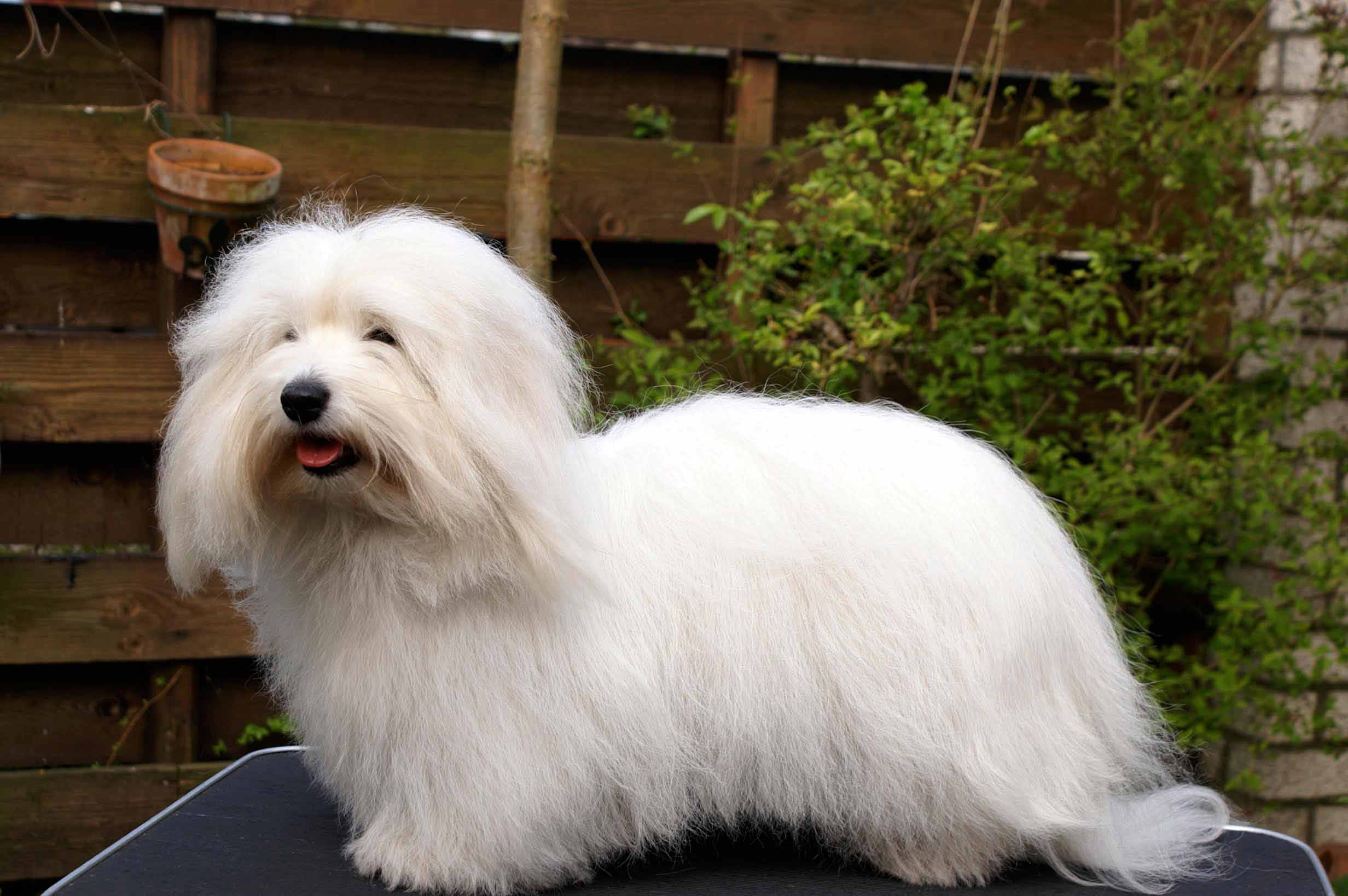
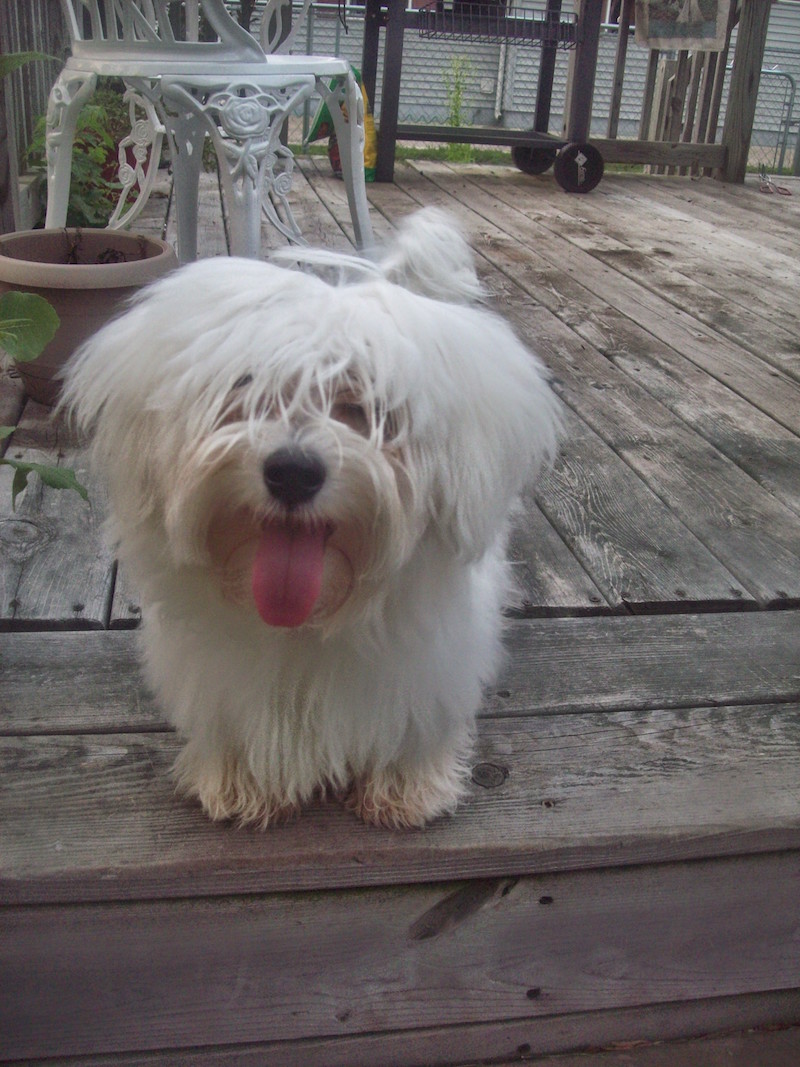
What separates the Coton from its closest relatives — the Bichon Frise, Maltese, and Havanese — is primarily coat texture and structure. The Coton's coat is genuinely cotton-like in feel: soft, dry, and slightly rough rather than silky. It also carries a distinct body structure that is slightly longer than tall, giving it a sturdier, more grounded appearance than the Maltese. The Bichon Frise shares the white coat and companion-dog temperament but was developed in Europe under entirely different circumstances. The Coton's island isolation over several centuries produced a breed with a subtly different energy — easygoing and adaptable in ways that reflect a long history of living closely alongside humans in a warm, relaxed environment.
At a Glance
Quick Facts
- Breed Group:
- Non-Sporting
- Bred For:
- Accompanying ladies on long sea voyages, ratters onboard ship.
- Origin:
- Madagascar
- Life Span:
- 13 - 16 years
- Weight:
- 9 - 15 lbs
- Height:
- 9 - 11 in
💰 Coton de Tulear Cost Guide
Food · Vet · Grooming · Insurance · Full breakdown
Frequently Asked Questions
What is the temperament of a Coton de Tulear?
Coton de Tulears are known to be affectionate, lively, playful, intelligent, vocal, curious, friendly, gentle, quiet, loyal. This combination of traits makes them excellent companions for families with children. Their temperament is influenced by both genetics and proper socialization from an early age.
How much exercise does a Coton de Tulear need?
Coton de Tulears are high-energy dogs requiring 60+ minutes of vigorous daily exercise and mental stimulation.
How often should I groom my Coton de Tulear?
Coton de Tulears require intensive grooming with daily brushing and regular professional grooming sessions.
How do I train a Coton de Tulear?
Coton de Tulears are highly trainable and typically respond well to positive reinforcement methods.
Are Coton de Tulears good with children?
Coton de Tulears are excellent with children. Their natural patience, gentle nature, and resilience make them outstanding family dogs. They typically form strong bonds with children and tend to be forgiving of the occasional accidental rough handling that can occur with younger kids. Remember that proper socialization and teaching children appropriate interaction with dogs are always important, regardless of breed.
What makes the Coton de Tulear unique compared to other dog breeds?
The Coton de Tulear stands out from other breeds due to its rich heritage from Madagascar, specialized abilities for accompanying ladies on long sea voyages, ratters onboard ship.. This unique combination of characteristics makes them special among dog breeds and appeals to owners who appreciate these distinct qualities. Understanding these traits helps provide appropriate care tailored to their specific needs.
What should I know before getting a Coton de Tulear?
Before bringing a Coton de Tulear into your home, potential owners should consider: They have high exercise requirements (5/5) and need an active owner. Their coat requires significant maintenance (4/5) with regular grooming sessions. They typically excel in family environments with children (5/5 child-friendliness). They're typically highly trainable (4/5) and eager to learn. They may be prone to breed-specific health issues including Patellar Luxation, Progressive Retinal Atrophy, Hip Dysplasia, Portosystemic Shunts. Additionally, researching reputable breeders or rescue organizations is essential for finding a healthy, well-socialized Coton de Tulear. Understanding these factors will help ensure a good match between the breed and your lifestyle, leading to a happy relationship for both you and your dog.
What were Coton de Tulears originally bred for?
Coton de Tulears were originally bred for accompanying ladies on long sea voyages, ratters onboard ship.. As part of the Non-Sporting group, they share characteristics with other breeds developed for similar purposes. Understanding your Coton de Tulear's breeding heritage helps explain many of their natural behaviors and instincts, which can be channeled appropriately through training and enrichment activities. Even though modern Coton de Tulears are primarily companions, these inherent traits remain part of their genetic makeup.
How long do Coton de Tulears typically live?
The average lifespan of a Coton de Tulear is 13 - 16 years. With proper care including quality nutrition, regular veterinary check-ups, appropriate exercise, and preventative healthcare, some Coton de Tulears may live beyond this range. Genetics, environment, and healthcare all play important roles in determining longevity.
Do Coton de Tulears bark a lot?
Cotons are not excessive barkers by nature, but they are alert dogs that will vocalize when they notice something unfamiliar — a stranger at the door, an unusual sound, another animal outside. Without early training to establish a reliable "quiet" cue, this alert barking can become a habitual behavior that's difficult to reverse in adulthood. Compared to breeds like the Beagle or Miniature Schnauzer, the Coton's baseline vocalization is relatively moderate, and most owners report that consistent early training keeps barking well managed. Separation anxiety can also trigger extended vocalization in this breed, since Cotons form very strong bonds with their primary person and do not cope well with long periods alone.
Are Coton de Tulears good for people with allergies?
The Coton de Tulear is frequently recommended for allergy-sensitive households, and there is a practical basis for this. The breed sheds very little compared to double-coated or short-haired breeds, and its cotton-textured coat tends to trap loose hair rather than releasing it into the environment. However, no dog breed is truly hypoallergenic — allergic reactions in humans are typically triggered by the protein Can f 1 found in dog saliva, urine, and skin dander, not just fur itself. Cotons do produce these allergens. Many allergy sufferers report tolerating the Coton well, but results vary significantly by individual. Spending time with the specific dog before committing is the only reliable way to assess your personal reaction.
How much exercise does a Coton de Tulear need daily?
The Coton de Tulear has a moderate energy level that is well-suited to a range of living situations, including apartments. They benefit from two short walks per day — around 20 to 30 minutes total — plus indoor play sessions that satisfy their need for mental engagement. Unlike terriers or sporting breeds, Cotons do not require vigorous physical outlets to remain calm and balanced. What they do require is social interaction and mental stimulation; a bored Coton that is physically under-exercised but mentally ignored will find its own entertainment, which typically involves following its owner relentlessly and occasionally developing nuisance behaviors. Puzzle toys, trick training, and interactive play fill that need effectively.
How long can a Coton de Tulear be left alone?
The Coton de Tulear is not a breed that tolerates extended solitude well. These dogs were developed specifically as human companions, and their temperament reflects that purpose — they are oriented toward people in a way that makes isolation genuinely stressful for them. Most Cotons manage up to four to five hours alone reasonably well if properly exercised beforehand and given enrichment toys, but beyond that, anxiety-related behaviors become increasingly likely: persistent vocalization, destructive chewing, and house-training regression are all documented responses to prolonged isolation in this breed. Cotons that must be left alone for full work days generally do better in households where a second dog or regular midday check-ins are part of the routine.
Additional Characteristics
Care Requirements
They are extremely energetic dogs requiring extensive daily exercise, activities, and mental stimulation.
They have high grooming needs requiring frequent brushing and regular professional grooming.
Highly trainable — quick to learn and eager to please
They are excellent with children and often form strong bonds with them.
Coton de Tulear
Complete Breed Guide
About the Coton de Tulear
The Coton de Tulear is a small dog breed that originated from Madagascar, where it was bred as a companion for royalty. Weighing between 9 to 15 pounds and standing 9 to 11 inches tall, this breed is known for its soft, cotton-like coat. Coton de Tulears are affectionate, lively, and playful, making them excellent family pets, while their intelligence and vocal nature can lead to a charming, engaging personality. With a lifespan of 13 to 16 years, they thrive in social environments and are known for their loyalty and gentle demeanor.
Coton de Tulears are known for being affectionate, lively, playful, intelligent, vocal, and curious, friendly, gentle. As a high-energy breed, they are highly responsive to training and thrive with regular mental and physical activity. They are excellent with children of all ages and friendly with other dogs, making them a popular choice for families and experienced dog owners alike.
Caring for a Coton de Tulear means committing to regular grooming (brushing several times a week), intense daily exercise, and firm, consistent training. Their gentle, social nature makes them a wonderful addition to active families.
At a Glance
Quick Facts
- Breed Group:
- Non-Sporting
- Bred For:
- Accompanying ladies on long sea voyages, ratters onboard ship.
- Origin:
- Madagascar
- Life Span:
- 13 - 16 years
- Weight:
- 9 - 15 lbs
- Height:
- 9 - 11 in
Temperament
Free Coton de Tulear Health Guide
Coton de Tulears can be prone to Patellar Luxation and other conditions. Get our owner's health checklist and monthly vet tips — free.
- ✓Coton de Tulear-specific health warning signs
- ✓Vet visit checklist & cost tracker
- ✓Monthly breed health newsletter
Finding similar breeds...
How We Find Similar Breeds
We analyze breed characteristics including temperament, size, appearance, and care needs to identify the most similar dog breeds. This helps you discover alternatives that might be a good match for your lifestyle and preferences.
Explore Related Breeds & Guides
Adopt a Coton de Tulear
Filter to show only purebred Coton de Tulears (excludes mixed breeds and crosses)
Find Dogs Near You
Enter your location to discover adoptable pets nearby
How to Adopt a Coton de Tulear
Follow these steps to ensure a smooth and responsible adoption process. Remember that adopting a dog is a lifelong commitment.
Research the Breed
Learn everything you can about Coton de Tulears, including their temperament, exercise needs, grooming requirements, and potential health issues.
Find Reputable Sources
Look for adoptable dogs through shelters, rescue organizations, or responsible breeders. Avoid puppy mills and online scams.
Apply for Adoption
Complete an adoption application with your chosen organization. Be prepared to provide references and possibly go through a home visit.
Meet Your Potential Pet
Schedule a meeting with the dog to assess compatibility with you, your family, and any existing pets.
Prepare Your Home
Gather necessary supplies and dog-proof your home before bringing your new pet home.
1Essential Supplies
Food and water bowls, high-quality dog food, collar with ID tag, leash, bed, crate, toys, treats, grooming supplies, and cleaning products for accidents.
2Create a Safe Space
Designate an area where your dog can retreat when feeling overwhelmed. This could be a crate with comfortable bedding or a quiet corner with their bed.
3Remove Hazards
Secure or remove toxic plants, chemicals, small objects that could be swallowed, and foods that are harmful to dogs. Use baby gates if needed to restrict access to certain areas.
4Find a Veterinarian
Research and choose a veterinarian before bringing your dog home, and schedule an initial check-up shortly after adoption.
What is the dog's background and history?
Understanding a dog's past can help you anticipate potential behavior issues and provide appropriate support.
Has the dog been spayed/neutered and vaccinated?
This information is important for planning future veterinary care and understanding any immediate medical needs.
What is the dog's energy level and exercise needs?
Coton de Tulears typically need regular exercise to stay healthy and happy. Ask about specific exercise requirements.
Has the dog been socialized with other animals and people?
This helps you understand how the dog might interact with your family, friends, and other pets.
Are there any known behavioral or health issues?
Knowing about existing issues helps you prepare for any special care or training needs.
Special Considerations for Coton de Tulears
- Coton de Tulears may have specific health concerns that require regular monitoring.
- Consider how the typical Coton de Tulear temperament aligns with your lifestyle.
- Research the grooming needs of Coton de Tulears to ensure you can commit to the required maintenance.
- Understand the exercise requirements of Coton de Tulears to keep them healthy and prevent behavior problems.
- Learn about proper training methods that work well with Coton de Tulears.
Product Recommendations for Coton de Tulears
See all →Vet-reviewed picks for food, insurance, crates, brushes, treats, and toys — matched to this breed.
Compare Coton de Tulear with Similar Breeds
See how the Coton de Tulear stacks up against other breeds side by side.