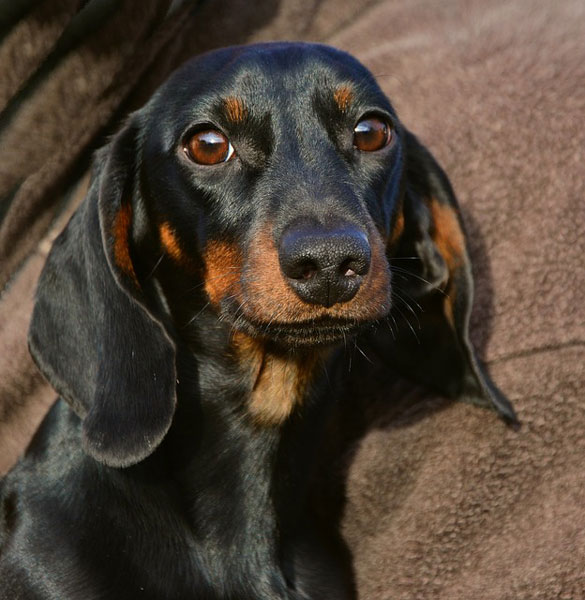
Dachshund
Temperament
About the Dachshund
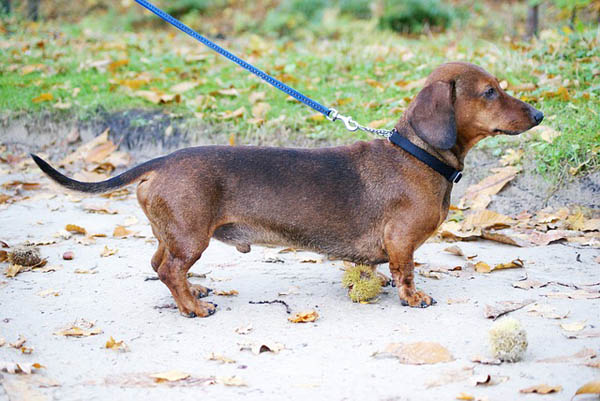
The Dachshund's origins trace back to 15th-century Germany, though the breed was systematically refined by German foresters and hunters during the 18th and 19th centuries with a very specific quarry in mind: the European badger. The word "Dachshund" translates directly from German as "badger dog" — dachs meaning badger, hund meaning dog — and every physical feature of this breed is a direct consequence of that purpose. The elongated body allowed the dog to enter and navigate narrow underground burrows. The short, muscular legs gave leverage for digging. The broad chest accommodated the lung capacity needed for sustained underground work. Even the distinctive curved tail served a function, giving hunters something to grip when pulling the dog back out of a tunnel.
Breeding was not casual. German foresters deliberately crossed several hound and terrier types — likely including the Schweisshund (a scenthound), the Pinscher, and possibly the Bibarhund — to produce a dog with the nose of a hound, the tenacity of a terrier, and a body architecture unlike virtually any other working breed. Standard Dachshunds were used to hunt badgers and wild boar, while the miniature variety, refined later in the breed's development, was purpose-built to pursue rabbits and other small burrowing animals through tighter passages.
The breed reached the United States in the late 1800s, and the American Kennel Club officially recognized the Dachshund in 1885 — making it one of the earlier breeds on the AKC's registry. The Dachshund Club of America, founded in 1895, remains the AKC parent club for the breed and is one of the oldest breed clubs in the country. Today the breed consistently ranks among the most popular in the United States, sitting at number 6 out of 205 recognized breeds according to AKC registration data.
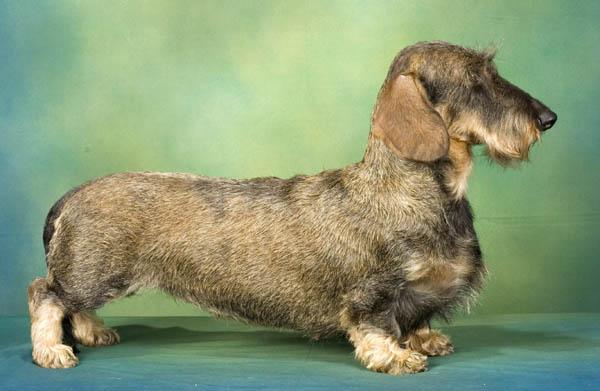
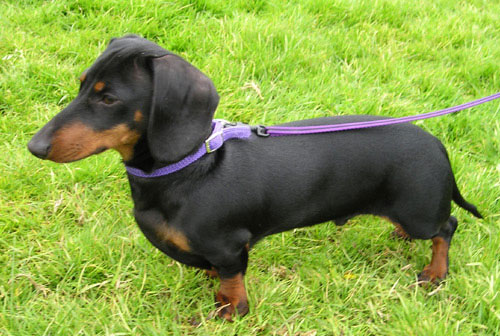
What separates the Dachshund from superficially similar small breeds is its classification. It is not a toy breed, not a terrier, and not a companion breed by original design — it is a scenthound, grouped by the AKC in the Hound Group alongside Beagles and Bloodhounds. That working heritage matters enormously for understanding the dog's behavior and needs. The breed comes in two sizes — standard (16 to 32 pounds) and miniature (11 pounds and under) — and three coat types: smooth, wirehaired, and longhaired. The wirehaired variety, which likely carries some terrier ancestry, tends to be the most comedic and mischievous of the three coat types, a distinction even longtime breed enthusiasts acknowledge.
At a Glance
Quick Facts
- Breed Group:
- Hound
- Bred For:
- Hunting badgers and small prey, Companion
- Origin:
- Germany
- Life Span:
- 12 - 16 years
- Weight:
- 11 - 32 lbs
- Height:
- 5 - 9 in
💰 Dachshund Cost Guide
Food · Vet · Grooming · Insurance · Full breakdown
Frequently Asked Questions
What is the temperament of a Dachshund?
Dachshunds are known to be stubborn, devoted, playful, lively, clever, courageous. This combination of traits makes them suitable for owners who understand their specific temperament needs. Their temperament is influenced by both genetics and proper socialization from an early age.
How much exercise does a Dachshund need?
Dachshunds are high-energy dogs requiring 60+ minutes of vigorous daily exercise and mental stimulation.
How often should I groom my Dachshund?
Dachshunds require minimal grooming with weekly brushing and occasional baths.
How do I train a Dachshund?
Dachshunds may require extra patience during training and respond best to positive, consistent methods.
Are Dachshunds good with children?
Dachshunds are excellent with children. Their natural patience, gentle nature, and resilience make them outstanding family dogs. They typically form strong bonds with children and tend to be forgiving of the occasional accidental rough handling that can occur with younger kids. Remember that proper socialization and teaching children appropriate interaction with dogs are always important, regardless of breed.
What makes the Dachshund unique compared to other dog breeds?
The Dachshund stands out from other breeds due to its tiny, compact size, rich heritage from Germany, exceptional hunting abilities. This unique combination of characteristics makes them special among dog breeds and appeals to owners who appreciate these distinct qualities. Understanding these traits helps provide appropriate care tailored to their specific needs.
What should I know before getting a Dachshund?
Before bringing a Dachshund into your home, potential owners should consider: They have high exercise requirements (4/5) and need an active owner. Their coat is relatively low-maintenance (2/5). They typically excel in family environments with children (4/5 child-friendliness). They can be challenging to train (2/5) and are better suited for experienced dog owners. They may be prone to breed-specific health issues including Intervertebral Disc Disease (IVDD), Progressive Retinal Atrophy (PRA), Epilepsy, Cushing's Disease, Obesity, Patellar Luxation. Additionally, researching reputable breeders or rescue organizations is essential for finding a healthy, well-socialized Dachshund. Understanding these factors will help ensure a good match between the breed and your lifestyle, leading to a happy relationship for both you and your dog.
What were Dachshunds originally bred for?
Dachshunds were originally bred for hunting badgers and small prey, companion. This hunting background explains their natural prey drive, scenting abilities, and often high energy levels. As part of the Hound group, they share characteristics with other breeds developed for similar purposes. Understanding your Dachshund's breeding heritage helps explain many of their natural behaviors and instincts, which can be channeled appropriately through training and enrichment activities. Even though modern Dachshunds are primarily companions, these inherent traits remain part of their genetic makeup.
How long do Dachshunds typically live?
The average lifespan of a Dachshund is 12 - 16 years. With proper care including quality nutrition, regular veterinary check-ups, appropriate exercise, and preventative healthcare, some Dachshunds may live beyond this range. Genetics, environment, and healthcare all play important roles in determining longevity.
Are Dachshunds good apartment dogs?
Dachshunds can adapt well to apartment living, but there are two practical concerns specific to the breed that apartment owners need to manage. First, Dachshunds are alert, vocal dogs with a hound's instinct to announce anything that seems out of place — neighbors in close proximity will notice. Early training and socialization can reduce nuisance barking, but it rarely eliminates it entirely. Second, repeated stair use significantly stresses a Dachshund's spine and is a known contributor to IVDD events. Apartment buildings with elevator access are preferable to walk-ups. If stairs are unavoidable, limiting trips and using a ramp or carrying the dog for multiple-flight climbs is advisable. Otherwise, Dachshunds are moderate-energy dogs that do not require a yard to be content, and their exercise needs can be met with daily walks.
How do I know if my Dachshund has IVDD?
Intervertebral Disc Disease in Dachshunds can present across a spectrum of severity. Early or mild signs include reluctance to jump, stiffness when moving, crying out when touched along the back or neck, or a visible hunching of the spine. More serious disc events involve weakness or wobbliness in the hind legs, knuckling of the paws, loss of coordination, or in severe cases complete hind-limb paralysis and loss of bladder or bowel control. Any sudden change in a Dachshund's mobility, willingness to move, or pain response should be treated as an emergency and evaluated by a veterinarian immediately — ideally one with access to MRI imaging. Time between the onset of neurological symptoms and surgical intervention is a critical factor in outcome. Dogs treated within 24 to 48 hours of paralysis onset have significantly better recovery rates than those treated later.
Do Dachshunds get along with other dogs?
Dachshunds are generally social with other dogs, particularly with other Dachshunds — the breed has historically been worked in packs, and many Dachshunds genuinely enjoy canine company. However, their confidence and fearlessness relative to their size means they will not automatically defer to larger dogs and may challenge or provoke dogs significantly bigger than themselves without appearing to recognize the size difference as relevant information. Early socialization is important. Dachshunds introduced to other dogs during the puppy socialization window — ideally before 12 weeks of age — typically develop reliable dog-to-dog social skills. Adult Dachshunds with no prior dog exposure can be more variable. In multi-dog households, the dynamic between individual personalities matters more than breed combination.
How long do Dachshunds live?
The typical Dachshund lifespan is 12 to 16 years, which is on the longer end for domestic dogs and consistent with the general pattern of smaller breeds outliving larger ones. There are well-documented cases of Dachshunds living into their late teens — a Dachshund named Chanel held a Guinness World Record as the world's oldest dog at 21 years before her death in 2009. Longevity in the breed is meaningfully influenced by weight management, as obesity both shortens lifespan directly and accelerates the spinal degeneration associated with IVDD. Dachshunds kept at a lean, healthy weight and protected from repeated high-impact activities like jumping from furniture throughout their lives tend to age with fewer complications. Genetics also play a role, which is one reason purchasing from health-tested lines matters even for buyers primarily interested in a companion dog.
Additional Characteristics
Care Requirements
They are high-energy dogs that need significant daily exercise and mental stimulation.
They need regular but basic grooming such as weekly brushing.
May require extra patience — better suited for experienced owners
They are generally very good with children and tend to be patient and tolerant.
Dachshund
Complete Breed Guide
About the Dachshund
The Dachshund, whose name means 'badger dog' in German, was developed in Germany in the 15th century to hunt badgers and other burrow-dwelling animals. This breed comes in two sizes - Standard (16 to 32 pounds) and Miniature (under 11 pounds) - and three coat types: smooth, wirehaired, and longhaired. Dachshunds are instantly recognizable by their long bodies and short legs, a shape purpose-built for entering tunnels. Despite their small stature, they are bold, curious, and surprisingly tenacious. Their lifespan ranges from 12 to 16 years.
Dachshunds are known for being stubborn, devoted, playful, lively, clever, and courageous. As a high-energy breed, they are independent-minded and requiring patient, consistent training and thrive with regular mental and physical activity. They are excellent with children of all ages and sociable with other dogs when properly introduced, making them a popular choice for families and experienced dog owners alike.
Caring for a Dachshund means committing to minimal grooming — a quick brush once a week is usually enough, vigorous daily exercise, and consistent training from an early age. Their gentle, social nature makes them a wonderful addition to active families.
At a Glance
Quick Facts
- Breed Group:
- Hound
- Bred For:
- Hunting badgers and small prey, Companion
- Origin:
- Germany
- Life Span:
- 12 - 16 years
- Weight:
- 11 - 32 lbs
- Height:
- 5 - 9 in
Temperament
Free Dachshund Health Guide
Dachshunds can be prone to Intervertebral Disc Disease (IVDD) and other conditions. Get our owner's health checklist and monthly vet tips — free.
- ✓Dachshund-specific health warning signs
- ✓Vet visit checklist & cost tracker
- ✓Monthly breed health newsletter
Finding similar breeds...
How We Find Similar Breeds
We analyze breed characteristics including temperament, size, appearance, and care needs to identify the most similar dog breeds. This helps you discover alternatives that might be a good match for your lifestyle and preferences.
Explore Related Breeds & Guides
Adopt a Dachshund
Filter to show only purebred Dachshunds (excludes mixed breeds and crosses)
Find Dogs Near You
Enter your location to discover adoptable pets nearby
How to Adopt a Dachshund
Follow these steps to ensure a smooth and responsible adoption process. Remember that adopting a dog is a lifelong commitment.
Research the Breed
Learn everything you can about Dachshunds, including their temperament, exercise needs, grooming requirements, and potential health issues.
Find Reputable Sources
Look for adoptable dogs through shelters, rescue organizations, or responsible breeders. Avoid puppy mills and online scams.
Apply for Adoption
Complete an adoption application with your chosen organization. Be prepared to provide references and possibly go through a home visit.
Meet Your Potential Pet
Schedule a meeting with the dog to assess compatibility with you, your family, and any existing pets.
Prepare Your Home
Gather necessary supplies and dog-proof your home before bringing your new pet home.
1Essential Supplies
Food and water bowls, high-quality dog food, collar with ID tag, leash, bed, crate, toys, treats, grooming supplies, and cleaning products for accidents.
2Create a Safe Space
Designate an area where your dog can retreat when feeling overwhelmed. This could be a crate with comfortable bedding or a quiet corner with their bed.
3Remove Hazards
Secure or remove toxic plants, chemicals, small objects that could be swallowed, and foods that are harmful to dogs. Use baby gates if needed to restrict access to certain areas.
4Find a Veterinarian
Research and choose a veterinarian before bringing your dog home, and schedule an initial check-up shortly after adoption.
What is the dog's background and history?
Understanding a dog's past can help you anticipate potential behavior issues and provide appropriate support.
Has the dog been spayed/neutered and vaccinated?
This information is important for planning future veterinary care and understanding any immediate medical needs.
What is the dog's energy level and exercise needs?
Dachshunds typically need regular exercise to stay healthy and happy. Ask about specific exercise requirements.
Has the dog been socialized with other animals and people?
This helps you understand how the dog might interact with your family, friends, and other pets.
Are there any known behavioral or health issues?
Knowing about existing issues helps you prepare for any special care or training needs.
Special Considerations for Dachshunds
- Dachshunds may have specific health concerns that require regular monitoring.
- Consider how the typical Dachshund temperament aligns with your lifestyle.
- Research the grooming needs of Dachshunds to ensure you can commit to the required maintenance.
- Understand the exercise requirements of Dachshunds to keep them healthy and prevent behavior problems.
- Learn about proper training methods that work well with Dachshunds.
 Dachshund — Official AKC Breed VideoAmerican Kennel Club
Watch the official AKC video covering temperament, history, traits, and care.
Watch on YouTube →Product Recommendations for Dachshunds
See all →Vet-reviewed picks for food, insurance, crates, brushes, treats, and toys — matched to this breed.
Compare Dachshund with Similar Breeds
See how the Dachshund stacks up against other breeds side by side.