
Doberman Pinscher
Temperament
About the Doberman Pinscher
The Doberman Pinscher traces its origins to Apolda, in the Thuringian region of Germany, where Karl Friedrich Louis Dobermann — a tax collector, night watchman, and part-time dog catcher — began developing the breed around 1890. Dobermann's job regularly put him in dangerous situations, and he wanted a dog capable of protecting him on the road: loyal, fearless, physically imposing, and intelligent enough to make judgment calls. The exact crosses he used were never formally recorded, but the Doberman Pinscher Club of America (DPCA) believes he likely worked with Old German Shepherds (a now-extinct breed distinct from today's German Shepherd Dog), German Pinschers, Black and Tan Manchester Terriers, and Greyhounds. The result was a dog with the speed of a sight hound, the tenacity of a terrier, and the structural athleticism of a working guardian.
Louis Dobermann died in 1894, just a few years into the breed's development. Otto Goeller, a fellow German breeder, is widely credited with refining the breed after Dobermann's death, and the National Dobermann Pinscher Club was founded in Germany in 1899. The breed was recognized by the American Kennel Club in 1908 and has remained in the Working Group ever since. As of recent AKC rankings, the Doberman Pinscher sits at approximately 16th out of 205 recognized breeds — a remarkable position for a breed that was, for much of the 20th century, publicly typecast as a dangerous attack dog.
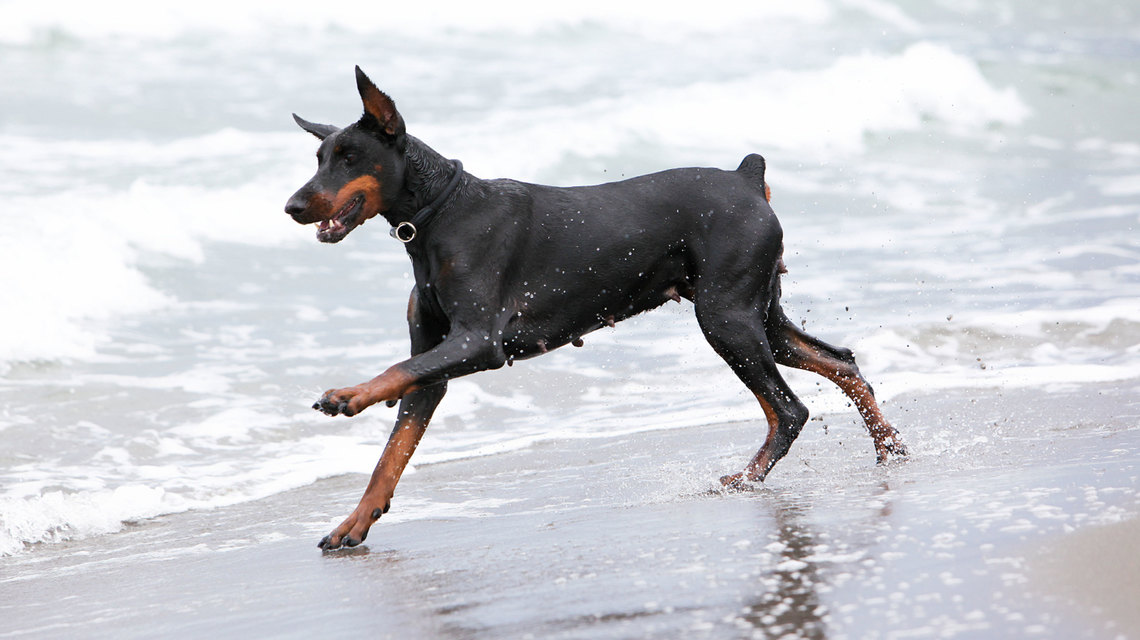
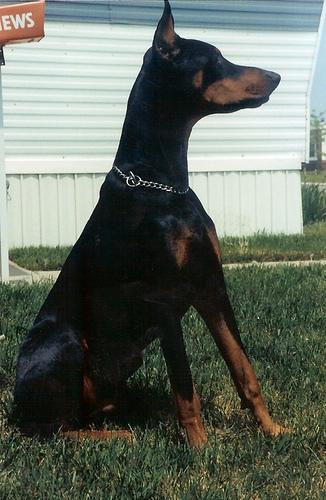
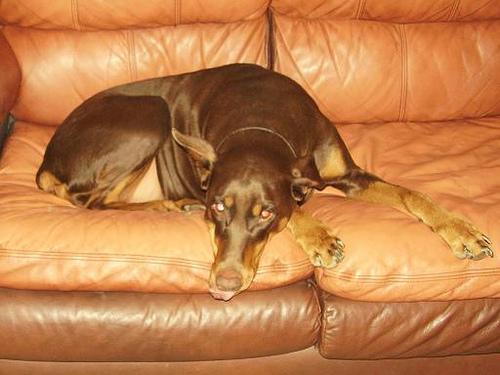
What separates the Doberman from visually similar working breeds is the combination of characteristics Dobermann deliberately engineered. Unlike the Rottweiler, which carries more mass and a more deliberate movement style, the Doberman is built for speed and endurance — males stand 26 to 28 inches at the shoulder with a lean, muscular frame that was designed to cover ground quickly. The long, wedge-shaped muzzle and the characteristic square silhouette are immediately recognizable. Ears were historically cropped and tails docked to reduce vulnerabilities during protection work, though both practices are now banned in much of Europe and increasingly restricted in other countries.
Today, the DPCA serves as the breed's parent club in the United States and works closely with health researchers, particularly around cardiac disease. The European Dobermann is sometimes referred to informally as the "Dobermann" (double-n spelling), tends to be slightly heavier and more substantial in build than the American show line, and there are ongoing discussions within the fancy about whether the two populations have diverged meaningfully enough to warrant separate consideration. Both, however, share the same foundational genetic heritage and the same defining combination of drive, sensitivity, and loyalty.
At a Glance
Quick Facts
- Breed Group:
- Working
- Bred For:
- Guardian
- Origin:
- Germany
- Life Span:
- 10 - 12 years
- Weight:
- 66 - 88 lbs
- Height:
- 24 - 28 in
💰 Doberman Pinscher Cost Guide
Food · Vet · Grooming · Insurance · Full breakdown
Frequently Asked Questions
What is the temperament of a Doberman Pinscher?
Doberman Pinschers are known to be fearless, energetic, alert, loyal, obedient, confident, intelligent, playful, friendly, affectionate, curious. This combination of traits makes them excellent companions for families with children. Their temperament is influenced by both genetics and proper socialization from an early age.
How much exercise does a Doberman Pinscher need?
Doberman Pinschers have moderate energy levels and need 30-60 minutes of daily exercise including walks and playtime.
How often should I groom my Doberman Pinscher?
Doberman Pinschers require intensive grooming with daily brushing and regular professional grooming sessions.
How do I train a Doberman Pinscher?
Doberman Pinschers are highly trainable and typically respond well to positive reinforcement methods.
Are Doberman Pinschers good with children?
Doberman Pinschers are excellent with children. Their natural patience, gentle nature, and resilience make them outstanding family dogs. They typically form strong bonds with children and tend to be forgiving of the occasional accidental rough handling that can occur with younger kids. Remember that proper socialization and teaching children appropriate interaction with dogs are always important, regardless of breed.
What makes the Doberman Pinscher unique compared to other dog breeds?
The Doberman Pinscher stands out from other breeds due to its impressive stature and presence, rich heritage from Germany, natural protective instincts. This unique combination of characteristics makes them special among dog breeds and appeals to owners who appreciate these distinct qualities. Understanding these traits helps provide appropriate care tailored to their specific needs.
What should I know before getting a Doberman Pinscher?
Before bringing a Doberman Pinscher into your home, potential owners should consider: Their coat requires significant maintenance (4/5) with regular grooming sessions. They typically excel in family environments with children (5/5 child-friendliness). They're typically highly trainable (5/5) and eager to learn. Their large size requires adequate living space. They may be prone to breed-specific health issues including Dilated Cardiomyopathy (DCM), Von Willebrand's Disease, Wobbler Syndrome (Cervical Spondylomyelopathy), Hip Dysplasia, Hypothyroidism, Chronic Active Hepatitis. Additionally, researching reputable breeders or rescue organizations is essential for finding a healthy, well-socialized Doberman Pinscher. Understanding these factors will help ensure a good match between the breed and your lifestyle, leading to a happy relationship for both you and your dog.
What were Doberman Pinschers originally bred for?
Doberman Pinschers were originally bred for guardian. This protective background explains their naturally alert, territorial nature and sometimes reserved attitude toward strangers. As part of the Working group, they share characteristics with other breeds developed for similar purposes. Understanding your Doberman Pinscher's breeding heritage helps explain many of their natural behaviors and instincts, which can be channeled appropriately through training and enrichment activities. Even though modern Doberman Pinschers are primarily companions, these inherent traits remain part of their genetic makeup.
How long do Doberman Pinschers typically live?
The average lifespan of a Doberman Pinscher is 10 - 12 years. With proper care including quality nutrition, regular veterinary check-ups, appropriate exercise, and preventative healthcare, some Doberman Pinschers may live beyond this range. Genetics, environment, and healthcare all play important roles in determining longevity.
Are Doberman Pinschers good family dogs with kids?
Yes, a properly socialized and trained Doberman Pinscher can be an excellent family dog with children. The breed is affectionate, loyal, and naturally protective of their household. That said, Dobermans are large, energetic dogs — males typically weigh 75 to 100 pounds — and their enthusiasm during play can easily knock over small children unintentionally. Early socialization starting in puppyhood, consistent obedience training, and teaching children how to interact respectfully with dogs are all essential. Dobermans that have been well-raised alongside children are known for forming very close bonds with them, but the breed's size and drive mean supervision with very young children is always a good idea.
How much exercise does a Doberman Pinscher need every day?
Dobermans are a high-energy working breed that requires substantial daily exercise — at minimum 60 to 90 minutes of vigorous activity per day for an adult dog. This should include more than just leash walks. Off-leash running in a securely fenced area, structured play sessions, or participation in a dog sport like agility, nosework, or Schutzhund provides both the physical outlet and the mental stimulation the breed genuinely needs. Under-exercised Dobermans frequently develop destructive behaviors, excessive barking, or anxiety. Mental stimulation through training and puzzle work is just as important as physical exercise for this breed's overall behavioral health.
What is the lifespan of a Doberman Pinscher and what do they usually die from?
The average lifespan of a Doberman Pinscher is 10 to 12 years, though many do not reach the upper end of that range. Dilated cardiomyopathy (DCM) is the leading cause of death in the breed — studies suggest that up to 40 to 58 percent of Dobermans carry a genetic predisposition to this progressive heart condition. Many dogs with DCM experience sudden cardiac death or congestive heart failure, often before obvious symptoms appear. This is why annual cardiac screening with echocardiogram and 24-hour Holter monitoring is so important for the breed. Working with a breeder who actively cardiac-tests their lines gives a puppy the best statistical chance at a longer, healthier life.
Do Doberman Pinschers bark a lot?
Dobermans are alert dogs that will typically bark to signal something unusual — an approaching stranger, an unfamiliar sound, or a change in their environment. They are not typically nuisance barkers in the way some smaller terrier breeds can be. However, Dobermans that are under-exercised, under-stimulated, or experiencing separation anxiety may develop excessive barking as a stress outlet. Consistent training from puppyhood, adequate daily exercise and mental enrichment, and addressing any underlying anxiety early will significantly reduce problem barking. A well-exercised, mentally fulfilled Doberman in a stable household is generally not an excessively vocal dog.
Additional Characteristics
Care Requirements
They have a moderate energy level and benefit from daily walks and play sessions.
They have high grooming needs requiring frequent brushing and regular professional grooming.
Highly trainable — quick to learn and eager to please
They are excellent with children and often form strong bonds with them.
Doberman Pinscher
Complete Breed Guide
About the Doberman Pinscher
The Doberman Pinscher originated in Germany in the late 19th century, developed by a tax collector named Karl Friedrich Louis Dobermann for protection and companionship. This breed is characterized by its sleek, muscular build, standing 24 to 28 inches tall and weighing between 66 to 88 pounds. Known for their intelligence and loyalty, Dobermans are often utilized in roles such as police and military work, as well as personal protection, while also being affectionate family pets. Their fearless and energetic nature makes them both alert watchdogs and playful companions.
Doberman Pinschers are known for being fearless, energetic, alert, loyal, obedient, and confident, intelligent, playful. As a moderately energetic breed, they are highly responsive to training and thrive with regular mental and physical activity. They are excellent with children of all ages and friendly with other dogs, making them a popular choice for families and experienced dog owners alike.
Caring for a Doberman Pinscher means committing to regular grooming (brushing several times a week), regular daily walks, and positive-reinforcement training. Their gentle, social nature makes them a wonderful addition to active families.
At a Glance
Quick Facts
- Breed Group:
- Working
- Bred For:
- Guardian
- Origin:
- Germany
- Life Span:
- 10 - 12 years
- Weight:
- 66 - 88 lbs
- Height:
- 24 - 28 in
Temperament
Free Doberman Pinscher Health Guide
Doberman Pinschers can be prone to Dilated Cardiomyopathy (DCM) and other conditions. Get our owner's health checklist and monthly vet tips — free.
- ✓Doberman Pinscher-specific health warning signs
- ✓Vet visit checklist & cost tracker
- ✓Monthly breed health newsletter
Finding similar breeds...
How We Find Similar Breeds
We analyze breed characteristics including temperament, size, appearance, and care needs to identify the most similar dog breeds. This helps you discover alternatives that might be a good match for your lifestyle and preferences.
Explore Related Breeds & Guides
Adopt a Doberman Pinscher
Filter to show only purebred Doberman Pinschers (excludes mixed breeds and crosses)
Find Dogs Near You
Enter your location to discover adoptable pets nearby
How to Adopt a Doberman Pinscher
Follow these steps to ensure a smooth and responsible adoption process. Remember that adopting a dog is a lifelong commitment.
Research the Breed
Learn everything you can about Doberman Pinschers, including their temperament, exercise needs, grooming requirements, and potential health issues.
Find Reputable Sources
Look for adoptable dogs through shelters, rescue organizations, or responsible breeders. Avoid puppy mills and online scams.
Apply for Adoption
Complete an adoption application with your chosen organization. Be prepared to provide references and possibly go through a home visit.
Meet Your Potential Pet
Schedule a meeting with the dog to assess compatibility with you, your family, and any existing pets.
Prepare Your Home
Gather necessary supplies and dog-proof your home before bringing your new pet home.
1Essential Supplies
Food and water bowls, high-quality dog food, collar with ID tag, leash, bed, crate, toys, treats, grooming supplies, and cleaning products for accidents.
2Create a Safe Space
Designate an area where your dog can retreat when feeling overwhelmed. This could be a crate with comfortable bedding or a quiet corner with their bed.
3Remove Hazards
Secure or remove toxic plants, chemicals, small objects that could be swallowed, and foods that are harmful to dogs. Use baby gates if needed to restrict access to certain areas.
4Find a Veterinarian
Research and choose a veterinarian before bringing your dog home, and schedule an initial check-up shortly after adoption.
What is the dog's background and history?
Understanding a dog's past can help you anticipate potential behavior issues and provide appropriate support.
Has the dog been spayed/neutered and vaccinated?
This information is important for planning future veterinary care and understanding any immediate medical needs.
What is the dog's energy level and exercise needs?
Doberman Pinschers typically need regular exercise to stay healthy and happy. Ask about specific exercise requirements.
Has the dog been socialized with other animals and people?
This helps you understand how the dog might interact with your family, friends, and other pets.
Are there any known behavioral or health issues?
Knowing about existing issues helps you prepare for any special care or training needs.
Special Considerations for Doberman Pinschers
- Doberman Pinschers may have specific health concerns that require regular monitoring.
- Consider how the typical Doberman Pinscher temperament aligns with your lifestyle.
- Research the grooming needs of Doberman Pinschers to ensure you can commit to the required maintenance.
- Understand the exercise requirements of Doberman Pinschers to keep them healthy and prevent behavior problems.
- Learn about proper training methods that work well with Doberman Pinschers.
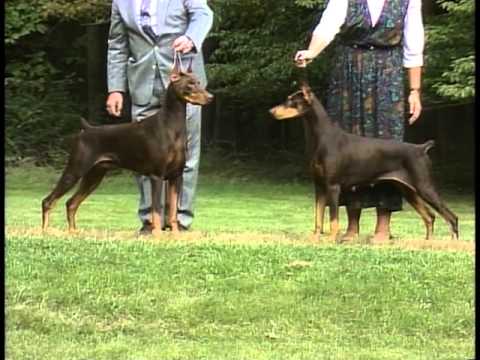 Doberman Pinscher — Official AKC Breed VideoAmerican Kennel Club
Watch the official AKC video covering temperament, history, traits, and care.
Watch on YouTube →Product Recommendations for Doberman Pinschers
See all →Vet-reviewed picks for food, insurance, crates, brushes, treats, and toys — matched to this breed.
Compare Doberman Pinscher with Similar Breeds
See how the Doberman Pinscher stacks up against other breeds side by side.