
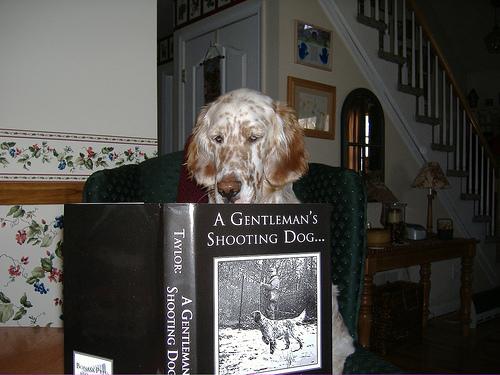



English Setter
Temperament
About the English Setter
The English Setter is one of the oldest gun dog breeds in existence, with roots tracing back to the English moors as far as the 1300s. The breed was developed from a combination of hunting spaniels trained to locate game birds and then crouch — or "set" — low to the ground, allowing hunters to cast nets over both dog and quarry. This ancient working style gave the setter group its name, and the English Setter emerged as the earliest and most refined expression of that tradition.
The breed's modern form owes its existence primarily to two men working in the 19th century with very different goals. Edward Laverack began a meticulous 35-year breeding program around 1825, selecting for elegant conformation and a stylish, high-tailed gait that would become the hallmark of the show-type English Setter. Shortly after, R. Purcell Llewellin — working partly from Laverack stock — prioritized hunting performance above all else, producing a leaner, faster dog with exceptional bird sense. This split established two distinct strains that persist to this day: the heavier, more heavily coated bench type and the lighter, more driven field type. The two are so different in structure and working style that they are sometimes treated as functionally separate dogs, though both are registered as the same breed.
The American Kennel Club recognized the English Setter in 1878, making it one of the earliest breeds admitted to AKC registration. The breed is currently grouped in the Sporting group and ranks 93rd out of 205 recognized breeds in AKC popularity — a mid-tier placement that reflects a loyal but specialized following. The English Setter Association of America serves as the AKC parent club and remains active in promoting both hunting and conformation events.
Within the setter group, the English Setter occupies a specific niche. It is generally considered the most versatile and moderate of the four British setters — more tractable than the high-energy Irish Setter, less regionally specialized than the Gordon Setter, and distinguished from the Irish Red and White Setter by its unique flecked coat pattern. That coat pattern, known as belton — a term reportedly borrowed from a village in Northumberland — comes in five recognized color combinations: orange belton, blue belton, tricolor, lemon belton, and liver belton. No other setter breed uses this terminology or produces this specific ticking pattern, which makes the English Setter visually unmistakable in any form it takes.
At a Glance
Quick Facts
- Breed Group:
- Sporting
- Bred For:
- Bird setting, retrieving
- Origin:
- England
- Life Span:
- 12 - 14 years
- Weight:
- 45 - 80 lbs
- Height:
- 24 - 25 in
💰 English Setter Cost Guide
Food · Vet · Grooming · Insurance · Full breakdown
Frequently Asked Questions
What is the temperament of a English Setter?
English Setters are known to be strong willed, mischievous, affectionate, energetic, playful, companionable, gentle, hard-working, intelligent, eager, people-oriented, curious, friendly. This combination of traits makes them excellent companions for families with children. Their temperament is influenced by both genetics and proper socialization from an early age.
How much exercise does a English Setter need?
English Setters are high-energy dogs requiring 60+ minutes of vigorous daily exercise and mental stimulation.
How often should I groom my English Setter?
English Setters need moderate grooming including brushing 2-3 times weekly and regular maintenance.
How do I train a English Setter?
English Setters have moderate trainability and benefit from consistent, positive training approaches.
Are English Setters good with children?
English Setters are excellent with children. Their natural patience, gentle nature, and resilience make them outstanding family dogs. They typically form strong bonds with children and tend to be forgiving of the occasional accidental rough handling that can occur with younger kids. Remember that proper socialization and teaching children appropriate interaction with dogs are always important, regardless of breed.
What makes the English Setter unique compared to other dog breeds?
The English Setter stands out from other breeds due to its rich heritage from England, specialized abilities for bird setting, retrieving. This unique combination of characteristics makes them special among dog breeds and appeals to owners who appreciate these distinct qualities. Understanding these traits helps provide appropriate care tailored to their specific needs.
What should I know before getting a English Setter?
Before bringing a English Setter into your home, potential owners should consider: They have high exercise requirements (4/5) and need an active owner. They typically excel in family environments with children (5/5 child-friendliness). Their large size requires adequate living space. They may be prone to breed-specific health issues including Hip Dysplasia, Deafness (some lines), Hypothyroidism, Neuronal Ceroid Lipofuscinosis. Additionally, researching reputable breeders or rescue organizations is essential for finding a healthy, well-socialized English Setter. Understanding these factors will help ensure a good match between the breed and your lifestyle, leading to a happy relationship for both you and your dog.
What were English Setters originally bred for?
English Setters were originally bred for bird setting, retrieving. As part of the Sporting group, they share characteristics with other breeds developed for similar purposes. Understanding your English Setter's breeding heritage helps explain many of their natural behaviors and instincts, which can be channeled appropriately through training and enrichment activities. Even though modern English Setters are primarily companions, these inherent traits remain part of their genetic makeup.
How long do English Setters typically live?
The average lifespan of a English Setter is 12 - 14 years. With proper care including quality nutrition, regular veterinary check-ups, appropriate exercise, and preventative healthcare, some English Setters may live beyond this range. Genetics, environment, and healthcare all play important roles in determining longevity.
Are English Setters good family dogs for first-time owners?
English Setters can work well for first-time owners, but only if those owners are genuinely prepared for the breed's energy level and independence. This is not a low-maintenance dog. English Setters need significant daily exercise — at minimum an hour of genuine physical activity, not just a short walk — and they go through an extended adolescent phase between roughly eight months and two years of age that involves real destructive potential and selective listening. The breed is affectionate and people-oriented, which makes training rewarding when it goes well, but the same independence that made them excellent bird dogs means they will test boundaries consistently. First-time owners who invest in a structured puppy class early, commit to daily exercise, and approach training with patience and positive reinforcement can absolutely succeed with this breed. Those expecting an easy, compliant companion dog are likely to be frustrated.
What is the difference between a show English Setter and a field English Setter?
The difference is substantial and practically relevant if you are considering this breed. Show-line English Setters — descended primarily from the Laverack strain — are built for conformation and tend to be larger, heavier-boned, and more heavily coated. They typically weigh closer to the upper end of the 65–80 pound range and carry significant feathering on their legs, belly, ears, and tail. Field-line English Setters, often called Llewellin Setters informally, trace back to R. Purcell Llewellin's 19th-century hunting strain. They are leaner, faster, more finely built, and carry less coat. More importantly, their working drive is considerably more intense. A field-line English Setter from active hunting stock can be exhausting to keep as a pure companion dog — they are bred to run for hours in open terrain. Show-line dogs, while still athletic and energetic, are generally more manageable in a household setting. If hunting is your goal, field lines are the right choice; if family companionship is primary, show lines are better suited.
How much exercise does an English Setter need every day?
English Setters are high-energy sporting dogs that require substantial daily exercise to remain mentally stable and physically healthy. A minimum of 60 to 90 minutes of genuine aerobic exercise per day is realistic for an adult English Setter — not leash walking at a human pace, but running, swimming, fetch in a securely fenced area, or structured field work. Young dogs between 8 months and 2 years are in the most demanding phase of their energy cycle and can be relentless without adequate outlet. Under-exercised English Setters commonly develop destructive behaviors including chewing, digging, and counter-surfing, as well as anxiety-driven behaviors like excessive barking or pacing. Off-leash running should only happen in securely fenced areas or with a very solid, specifically trained recall — the breed's scenting instinct can override verbal commands entirely once their nose locks onto something. As English Setters age past 7 or 8 years, exercise needs typically decrease, and they become noticeably calmer housemates.
Do English Setters have a lot of health problems?
English Setters have several breed-specific health concerns that owners should take seriously, though a dog from health-tested parents has a meaningfully lower risk profile than one from untested lines. The most significant concerns are hip dysplasia, congenital deafness in some lines due to their white coat genetics, hypothyroidism, and Neuronal Ceroid Lipofuscinosis (NCL) — a fatal neurological storage disease. NCL is the most alarming of these because it is progressive and incurable, but it is also entirely preventable through DNA testing of breeding dogs. A reputable breeder who tests both parents and avoids affected pairings will not produce puppies with NCL. Hypothyroidism is manageable with daily medication but requires lifelong treatment. Hip dysplasia severity varies widely. The key protective step is choosing a breeder who participates in OFA health testing and the CHIC program, which requires documentation of hip, thyroid, and hearing evaluations at minimum. Pet insurance enrolled early in the dog's life provides meaningful financial protection given this breed's risk profile.
Additional Characteristics
Care Requirements
They are high-energy dogs that need significant daily exercise and mental stimulation.
They need moderate grooming, including regular brushing and occasional professional care.
Moderately trainable with consistent methods
They are excellent with children and often form strong bonds with them.
English Setter
Complete Breed Guide
About the English Setter
The English Setter originated in England as a hunting dog, specifically bred for locating game birds. This breed typically weighs between 45 to 80 pounds and stands 24 to 25 inches tall, characterized by a sleek, athletic build and a distinctive coat that is often white with colored markings. English Setters are known for their strong-willed and energetic temperament, making them excellent companions for active families, while also being affectionate and intelligent, which aids in their training and socialization.
English Setters are known for being strong willed, mischievous, affectionate, energetic, playful, and companionable, gentle, hard-working. As a high-energy breed, they are moderately trainable and thrive with regular mental and physical activity. They are excellent with children of all ages and friendly with other dogs, making them a popular choice for families and experienced dog owners alike.
Caring for a English Setter means committing to moderate grooming every week or two, vigorous daily exercise, and consistent training from an early age. Their gentle, social nature makes them a wonderful addition to active families.
At a Glance
Quick Facts
- Breed Group:
- Sporting
- Bred For:
- Bird setting, retrieving
- Origin:
- England
- Life Span:
- 12 - 14 years
- Weight:
- 45 - 80 lbs
- Height:
- 24 - 25 in
Temperament
Free English Setter Health Guide
English Setters can be prone to Hip Dysplasia and other conditions. Get our owner's health checklist and monthly vet tips — free.
- ✓English Setter-specific health warning signs
- ✓Vet visit checklist & cost tracker
- ✓Monthly breed health newsletter
Finding similar breeds...
How We Find Similar Breeds
We analyze breed characteristics including temperament, size, appearance, and care needs to identify the most similar dog breeds. This helps you discover alternatives that might be a good match for your lifestyle and preferences.
Explore Related Breeds & Guides
Adopt a English Setter
Filter to show only purebred English Setters (excludes mixed breeds and crosses)
Find Dogs Near You
Enter your location to discover adoptable pets nearby
How to Adopt a English Setter
Follow these steps to ensure a smooth and responsible adoption process. Remember that adopting a dog is a lifelong commitment.
Research the Breed
Learn everything you can about English Setters, including their temperament, exercise needs, grooming requirements, and potential health issues.
Find Reputable Sources
Look for adoptable dogs through shelters, rescue organizations, or responsible breeders. Avoid puppy mills and online scams.
Apply for Adoption
Complete an adoption application with your chosen organization. Be prepared to provide references and possibly go through a home visit.
Meet Your Potential Pet
Schedule a meeting with the dog to assess compatibility with you, your family, and any existing pets.
Prepare Your Home
Gather necessary supplies and dog-proof your home before bringing your new pet home.
1Essential Supplies
Food and water bowls, high-quality dog food, collar with ID tag, leash, bed, crate, toys, treats, grooming supplies, and cleaning products for accidents.
2Create a Safe Space
Designate an area where your dog can retreat when feeling overwhelmed. This could be a crate with comfortable bedding or a quiet corner with their bed.
3Remove Hazards
Secure or remove toxic plants, chemicals, small objects that could be swallowed, and foods that are harmful to dogs. Use baby gates if needed to restrict access to certain areas.
4Find a Veterinarian
Research and choose a veterinarian before bringing your dog home, and schedule an initial check-up shortly after adoption.
What is the dog's background and history?
Understanding a dog's past can help you anticipate potential behavior issues and provide appropriate support.
Has the dog been spayed/neutered and vaccinated?
This information is important for planning future veterinary care and understanding any immediate medical needs.
What is the dog's energy level and exercise needs?
English Setters typically need regular exercise to stay healthy and happy. Ask about specific exercise requirements.
Has the dog been socialized with other animals and people?
This helps you understand how the dog might interact with your family, friends, and other pets.
Are there any known behavioral or health issues?
Knowing about existing issues helps you prepare for any special care or training needs.
Special Considerations for English Setters
- English Setters may have specific health concerns that require regular monitoring.
- Consider how the typical English Setter temperament aligns with your lifestyle.
- Research the grooming needs of English Setters to ensure you can commit to the required maintenance.
- Understand the exercise requirements of English Setters to keep them healthy and prevent behavior problems.
- Learn about proper training methods that work well with English Setters.
 English Setter — Official AKC Breed VideoAmerican Kennel Club
Watch the official AKC video covering temperament, history, traits, and care.
Watch on YouTube →Product Recommendations for English Setters
See all →Vet-reviewed picks for food, insurance, crates, brushes, treats, and toys — matched to this breed.
Compare English Setter with Similar Breeds
See how the English Setter stacks up against other breeds side by side.