


Field Spaniel
Temperament
About the Field Spaniel
The Field Spaniel's story is one of the more dramatic in purebred dog history — a breed nearly engineered into extinction by its own fanciers, then painstakingly rebuilt by dedicated breeders who refused to let it disappear. In the late 19th century, as dog shows gained popularity in England, breeders began crossing Cocker Spaniels, English Springer Spaniels, and Sussex Spaniels with the goal of producing a striking all-black show dog. The results were catastrophically exaggerated: dogs with enormously long bodies, very short legs, and heavy, low-set heads that made them essentially useless in the field. These dogs won in the ring but couldn't work, and public interest collapsed quickly. By the time both World Wars had further decimated the breeding population, the Field Spaniel was on the verge of vanishing entirely.
The modern Field Spaniel owes its survival largely to the efforts of a small group of British enthusiasts in the mid-20th century who deliberately reconformed the breed toward a functional, athletic working dog. Breeders reintroduced Springer Spaniel lines to restore leg length, working ability, and a more balanced structure. The result is the Field Spaniel we know today — a medium-sized, sturdy flushing spaniel standing 17 to 18 inches at the withers, weighing 35 to 50 pounds, and built to cover varied terrain all day without tiring. The Kennel Club in the UK currently lists the breed as a Vulnerable Native Breed, a designation given to breeds registering fewer than 300 dogs per year in the UK — a status the Field Spaniel has held for years.
In the United States, the American Kennel Club fully recognizes the Field Spaniel within the Sporting Group, but the breed ranks 160th out of 205 AKC-recognized breeds in popularity. The Field Spaniel Society of America, the breed's official parent club, notes that Field Spaniels were being registered and shown in the U.S. even before the AKC's founding in 1884, making theirs one of the oldest documented pedigrees in American show records. Despite this early presence, the breed never achieved the mainstream following of its close cousins.
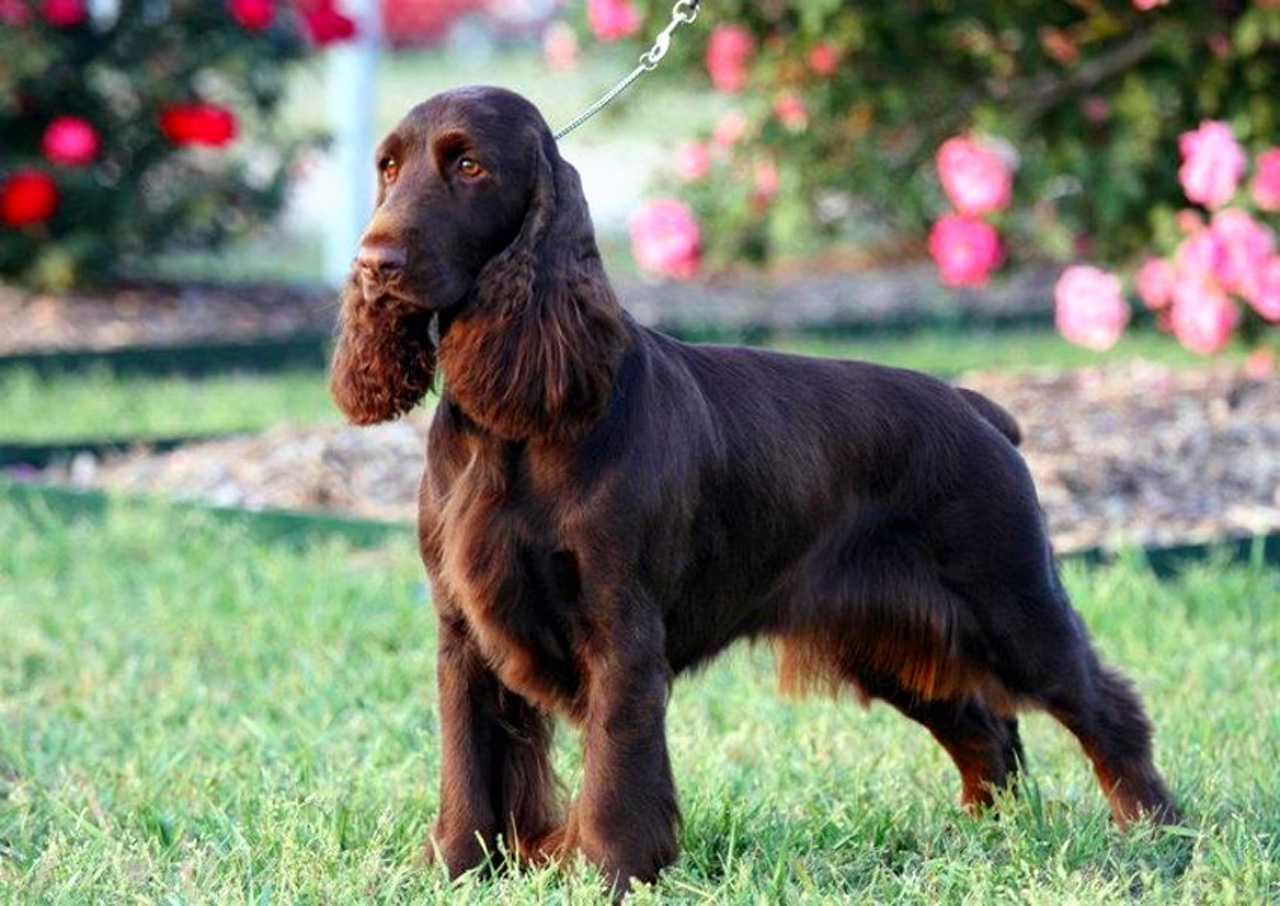
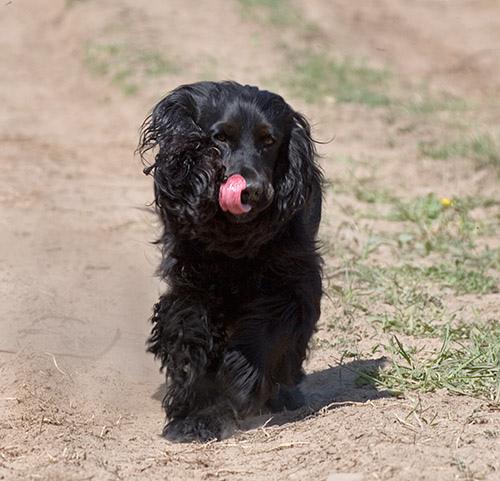
What sets the Field Spaniel apart physically from related spaniels is its distinctly darker, single-layered coat — lacking the undercoat typical of most field-type spaniels — and its notably somber, noble expression. The coat comes in solid black, liver, or golden liver, sometimes with tan points or roan patterns. Compared to the Cocker Spaniel, the Field is longer in body, more serious in expression, and considerably less common. Compared to the English Springer, it's lower to the ground, heavier-boned, and more deliberate in temperament. The Field Spaniel occupies a genuine middle ground: a working dog that is also genuinely house-adaptable, but one that demands an owner who appreciates its rarity and respects its intelligence.
At a Glance
Quick Facts
- Breed Group:
- Sporting
- Bred For:
- Bird flushing, retrieving
- Origin:
- England
- Life Span:
- 11 - 15 years
- Weight:
- 35 - 50 lbs
- Height:
- 17 - 18 in
💰 Field Spaniel Cost Guide
Food · Vet · Grooming · Insurance · Full breakdown
Frequently Asked Questions
What is the temperament of a Field Spaniel?
Field Spaniels are known to be docile, cautious, sociable, adaptable, familial, friendly, affectionate, loyal, playful, protective, brave, curious, independent. This combination of traits makes them excellent companions for families with children. Their temperament is influenced by both genetics and proper socialization from an early age.
How much exercise does a Field Spaniel need?
Field Spaniels are high-energy dogs requiring 60+ minutes of vigorous daily exercise and mental stimulation.
How often should I groom my Field Spaniel?
Field Spaniels need moderate grooming including brushing 2-3 times weekly and regular maintenance.
How do I train a Field Spaniel?
Field Spaniels have moderate trainability and benefit from consistent, positive training approaches.
Are Field Spaniels good with children?
Field Spaniels are excellent with children. Their natural patience, gentle nature, and resilience make them outstanding family dogs. They typically form strong bonds with children and tend to be forgiving of the occasional accidental rough handling that can occur with younger kids. Remember that proper socialization and teaching children appropriate interaction with dogs are always important, regardless of breed.
What makes the Field Spaniel unique compared to other dog breeds?
The Field Spaniel stands out from other breeds due to its rich heritage from England, specialized abilities for bird flushing, retrieving. This unique combination of characteristics makes them special among dog breeds and appeals to owners who appreciate these distinct qualities. Understanding these traits helps provide appropriate care tailored to their specific needs.
What should I know before getting a Field Spaniel?
Before bringing a Field Spaniel into your home, potential owners should consider: They have high exercise requirements (4/5) and need an active owner. They typically excel in family environments with children (5/5 child-friendliness). They may be prone to breed-specific health issues including Hip Dysplasia, Progressive Retinal Atrophy, Ear Infections, Hypothyroidism, Cataracts. Additionally, researching reputable breeders or rescue organizations is essential for finding a healthy, well-socialized Field Spaniel. Understanding these factors will help ensure a good match between the breed and your lifestyle, leading to a happy relationship for both you and your dog.
What were Field Spaniels originally bred for?
Field Spaniels were originally bred for bird flushing, retrieving. As part of the Sporting group, they share characteristics with other breeds developed for similar purposes. Understanding your Field Spaniel's breeding heritage helps explain many of their natural behaviors and instincts, which can be channeled appropriately through training and enrichment activities. Even though modern Field Spaniels are primarily companions, these inherent traits remain part of their genetic makeup.
How long do Field Spaniels typically live?
The average lifespan of a Field Spaniel is 11 - 15 years. With proper care including quality nutrition, regular veterinary check-ups, appropriate exercise, and preventative healthcare, some Field Spaniels may live beyond this range. Genetics, environment, and healthcare all play important roles in determining longevity.
Are Field Spaniels good family dogs?
Yes, Field Spaniels are genuinely well-suited to family life, but with some nuance. They are affectionate, loyal, and playful with family members they know well, and they tend to be gentle enough for homes with older children. However, their naturally cautious temperament around strangers means they're not the instantly gregarious, everyone-is-my-best-friend type of dog. They form strong bonds with their immediate family and can be mildly protective of that circle. Families willing to provide early socialization, consistent routine, and an outlet for the breed's working energy — whether through dog sports, hiking, or backyard play — will find the Field Spaniel an exceptionally devoted companion. Households with very young children should supervise interactions as they would with any medium-sized dog, though Field Spaniels are not known for snapping or irritability.
How rare is the Field Spaniel breed?
The Field Spaniel is genuinely rare, not just relatively uncommon. In the UK, the Kennel Club formally designates it a Vulnerable Native Breed, a classification reserved for breeds registering fewer than 300 individuals per year in the country of their origin. In the United States, the AKC ranks the Field Spaniel 160th out of 205 recognized breeds by registration numbers — placing it firmly in the bottom quarter of American breed popularity. For context, thousands of Cocker Spaniels and English Springer Spaniels are registered in the U.S. annually, while Field Spaniels number in the hundreds at best. This rarity has direct practical implications for prospective owners: finding a responsible breeder typically involves a waitlist, finding a rescue dog requires patience and proactive contact with the Field Spaniel Society of America, and even finding a veterinarian with hands-on breed experience may require some searching.
Do Field Spaniels need a lot of exercise?
Field Spaniels have moderate-to-high exercise needs that reflect their spaniel heritage as flushing and retrieving dogs bred to work full days in varied terrain. They are not the kind of dog that will self-regulate happily with a small apartment and short leash walks. A Field Spaniel that doesn't get sufficient physical and mental stimulation tends to become restless, and occasionally destructive, in the house. In practical terms, they need at least an hour of meaningful exercise daily — not just a walk, but off-leash running, fetch, sniff-heavy exploration, or structured dog sports like agility or tracking. That said, they are not as relentlessly high-energy as some other sporting breeds; they can genuinely settle and relax indoors once their exercise needs are met. A house with a securely fenced yard is strongly recommended.
What's the difference between a Field Spaniel and a Cocker Spaniel?
Field Spaniels and Cocker Spaniels share common ancestry — both descended from land spaniels in 19th-century England, with size originally being the primary distinction between what became the two breeds. Today, the differences are more substantial. The Field Spaniel is noticeably larger and longer in body than the American Cocker Spaniel, standing 17 to 18 inches at the withers and weighing 35 to 50 pounds, compared to the American Cocker's 13.5 to 15.5 inches and 20 to 30 pounds. The Field's coat is flatter, darker, and carried in less volume than the profuse, heavily feathered coat of the show-type American Cocker. Temperamentally, Field Spaniels tend to be more reserved with strangers and more serious in overall demeanor, while American Cockers are generally more outgoing and have been shaped by decades of selection as companion dogs. The Field Spaniel also lacks the undercoat typical of most field spaniels and its close relatives.
Additional Characteristics
Care Requirements
They are high-energy dogs that need significant daily exercise and mental stimulation.
They need moderate grooming, including regular brushing and occasional professional care.
Moderately trainable with consistent methods
They are excellent with children and often form strong bonds with them.
Field Spaniel
Complete Breed Guide
About the Field Spaniel
The Field Spaniel is a breed that originated in England, developed in the 19th century primarily for hunting and retrieving game. They typically weigh between 35 to 50 pounds and stand 17 to 18 inches tall, featuring a long, low body with a silky, feathered coat. Known for their docile and sociable temperament, Field Spaniels are affectionate and loyal family companions, while also displaying intelligence and a playful nature, making them suitable for various activities, including obedience and agility training.
Field Spaniels are known for being docile, cautious, sociable, adaptable, familial, and friendly, affectionate, loyal. As a high-energy breed, they are moderately trainable and thrive with regular mental and physical activity. They are excellent with children of all ages and friendly with other dogs, making them a popular choice for families and experienced dog owners alike.
Caring for a Field Spaniel means committing to moderate grooming every week or two, vigorous daily exercise, and consistent training from an early age. Their gentle, social nature makes them a wonderful addition to active families.
At a Glance
Quick Facts
- Breed Group:
- Sporting
- Bred For:
- Bird flushing, retrieving
- Origin:
- England
- Life Span:
- 11 - 15 years
- Weight:
- 35 - 50 lbs
- Height:
- 17 - 18 in
Temperament
Free Field Spaniel Health Guide
Field Spaniels can be prone to Hip Dysplasia and other conditions. Get our owner's health checklist and monthly vet tips — free.
- ✓Field Spaniel-specific health warning signs
- ✓Vet visit checklist & cost tracker
- ✓Monthly breed health newsletter
Finding similar breeds...
How We Find Similar Breeds
We analyze breed characteristics including temperament, size, appearance, and care needs to identify the most similar dog breeds. This helps you discover alternatives that might be a good match for your lifestyle and preferences.
Explore Related Breeds & Guides
Adopt a Field Spaniel
Filter to show only purebred Field Spaniels (excludes mixed breeds and crosses)
Find Dogs Near You
Enter your location to discover adoptable pets nearby
How to Adopt a Field Spaniel
Follow these steps to ensure a smooth and responsible adoption process. Remember that adopting a dog is a lifelong commitment.
Research the Breed
Learn everything you can about Field Spaniels, including their temperament, exercise needs, grooming requirements, and potential health issues.
Find Reputable Sources
Look for adoptable dogs through shelters, rescue organizations, or responsible breeders. Avoid puppy mills and online scams.
Apply for Adoption
Complete an adoption application with your chosen organization. Be prepared to provide references and possibly go through a home visit.
Meet Your Potential Pet
Schedule a meeting with the dog to assess compatibility with you, your family, and any existing pets.
Prepare Your Home
Gather necessary supplies and dog-proof your home before bringing your new pet home.
1Essential Supplies
Food and water bowls, high-quality dog food, collar with ID tag, leash, bed, crate, toys, treats, grooming supplies, and cleaning products for accidents.
2Create a Safe Space
Designate an area where your dog can retreat when feeling overwhelmed. This could be a crate with comfortable bedding or a quiet corner with their bed.
3Remove Hazards
Secure or remove toxic plants, chemicals, small objects that could be swallowed, and foods that are harmful to dogs. Use baby gates if needed to restrict access to certain areas.
4Find a Veterinarian
Research and choose a veterinarian before bringing your dog home, and schedule an initial check-up shortly after adoption.
What is the dog's background and history?
Understanding a dog's past can help you anticipate potential behavior issues and provide appropriate support.
Has the dog been spayed/neutered and vaccinated?
This information is important for planning future veterinary care and understanding any immediate medical needs.
What is the dog's energy level and exercise needs?
Field Spaniels typically need regular exercise to stay healthy and happy. Ask about specific exercise requirements.
Has the dog been socialized with other animals and people?
This helps you understand how the dog might interact with your family, friends, and other pets.
Are there any known behavioral or health issues?
Knowing about existing issues helps you prepare for any special care or training needs.
Special Considerations for Field Spaniels
- Field Spaniels may have specific health concerns that require regular monitoring.
- Consider how the typical Field Spaniel temperament aligns with your lifestyle.
- Research the grooming needs of Field Spaniels to ensure you can commit to the required maintenance.
- Understand the exercise requirements of Field Spaniels to keep them healthy and prevent behavior problems.
- Learn about proper training methods that work well with Field Spaniels.
Product Recommendations for Field Spaniels
See all →Vet-reviewed picks for food, insurance, crates, brushes, treats, and toys — matched to this breed.
Compare Field Spaniel with Similar Breeds
See how the Field Spaniel stacks up against other breeds side by side.