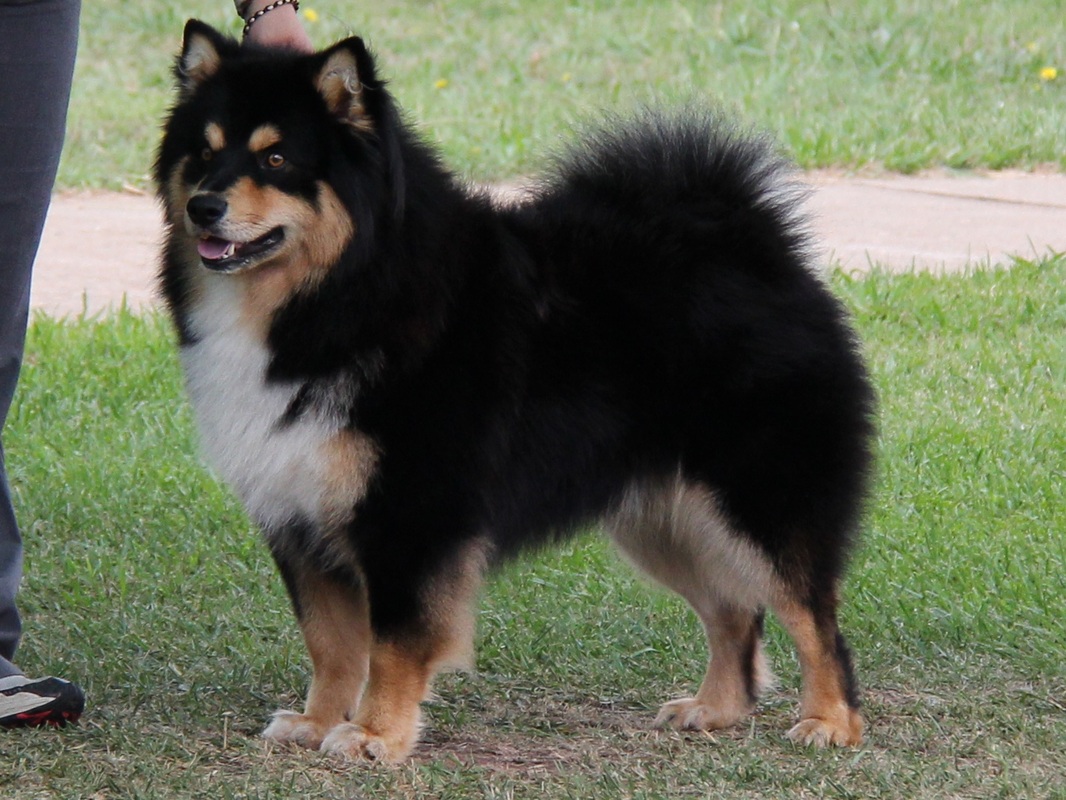
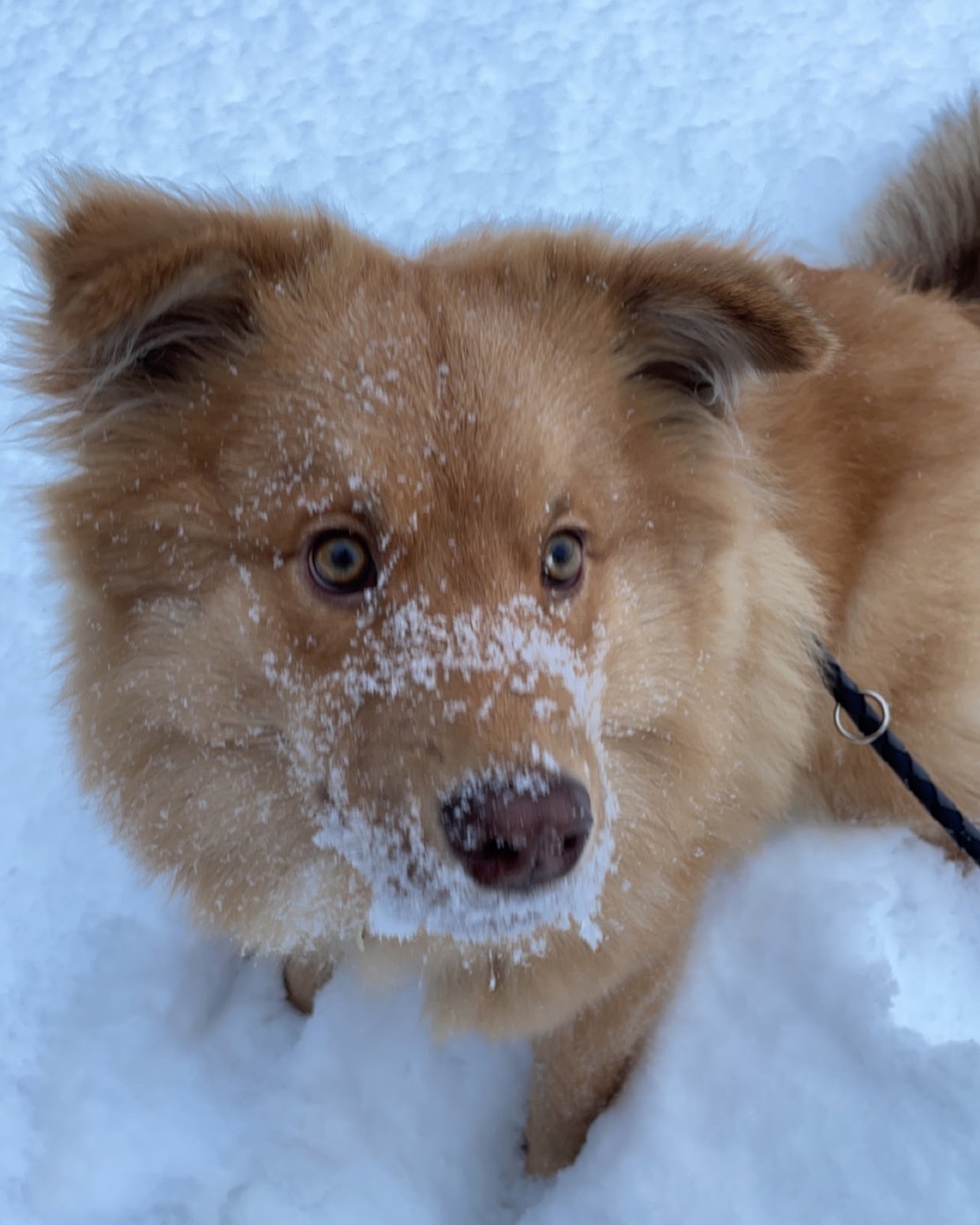
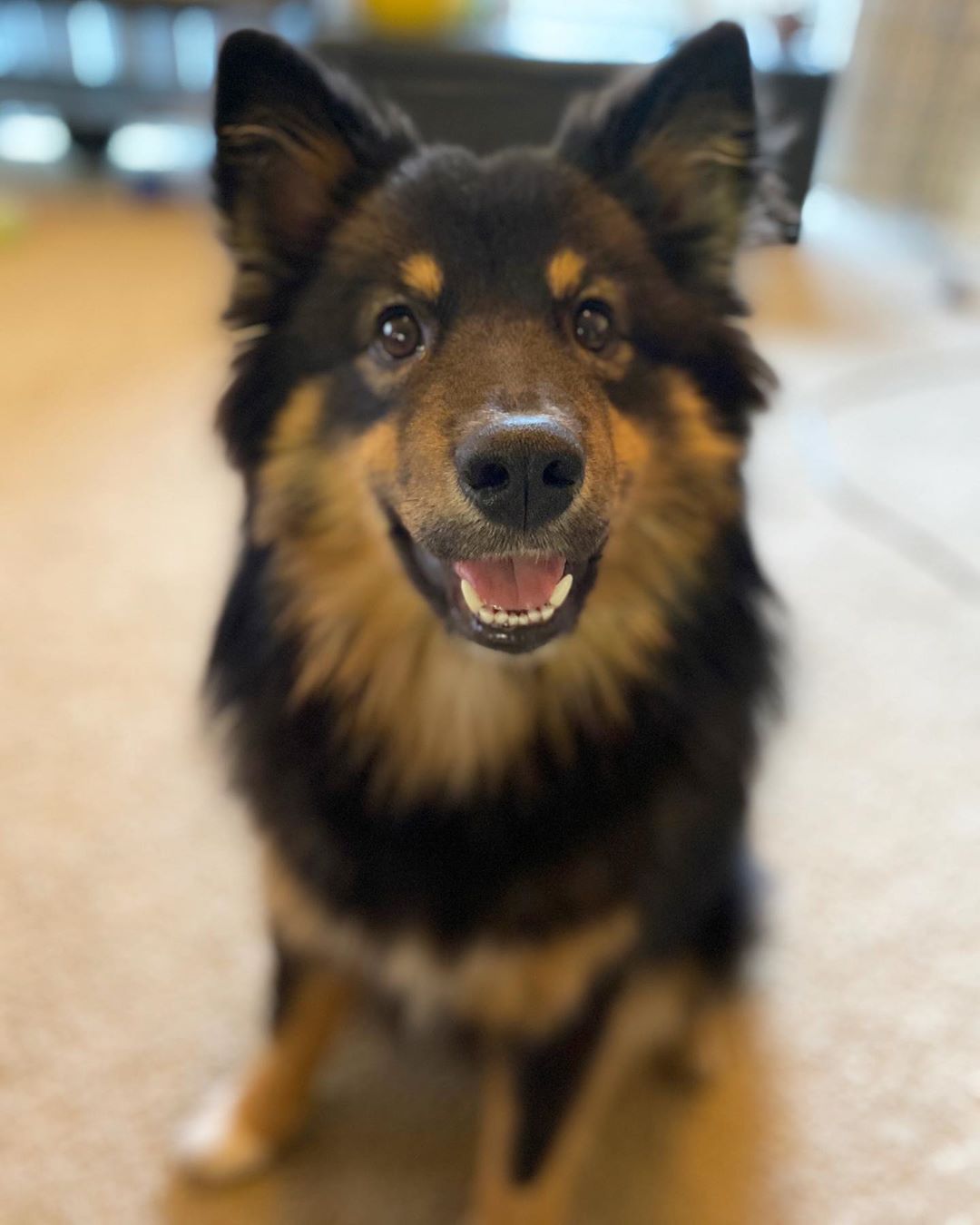
Finnish Lapphund
Temperament
About the Finnish Lapphund
The Finnish Lapphund is one of the oldest dog breeds in the world, with archaeological evidence suggesting its ancestors lived alongside the Sami people of Lapland as far back as 7,000 BC. The Sami, a semi-nomadic indigenous people whose territory spans the northern reaches of Finland, Sweden, Norway, and Russia, originally used these dogs for hunting. As Sami culture shifted toward reindeer herding over centuries, the dogs adapted alongside them, developing the specific instincts and physical traits needed to manage large reindeer herds across vast, frozen terrain north of the Arctic Circle.
The breed's modern history began in earnest around 1940, when Finnish dog fanciers began acquiring Lapponian dogs from Sami herders and establishing formal breeding programs. The Finnish Kennel Club officially recognized the breed in 1945, though the early years of standardization were complicated by the existence of related types. The Finnish Kennel Club eventually separated the Finnish Lapphund from the Lapponian Herder — a closely related but distinct breed — in 1967, with the Finnish Lapphund being defined by its longer, more profuse coat and slightly more refined build. The breed standard was further revised in 1996 by the Suomen Lapinkoirat ry (Finnish Lapphund Club of Finland), which remains the primary breed organization in its homeland.
The Fédération Cynologique Internationale (FCI) classifies the Finnish Lapphund in Group 5, Section 3, among Nordic Watchdogs and Herders. In the United States, the Finnish Lapphund Club of America (FLCA) worked for years to achieve full American Kennel Club recognition, which was granted in 2011, placing the breed in the Herding Group. As of recent AKC popularity rankings, the Finnish Lapphund sits around 129th out of 205 recognized breeds — relatively obscure in North America but consistently one of the most popular breeds in Finland, where it ranks among the top ten.
What distinguishes the Finnish Lapphund from its Spitz relatives is less about physical structure and more about temperament. While breeds like the Siberian Husky or Alaskan Malamute were developed primarily for sled work emphasizing endurance and independence from human direction, the Finnish Lapphund was bred to work in close, responsive partnership with its Sami handlers. This produced a dog that is attentive, emotionally attuned, and genuinely cooperative — qualities that make it distinct even from its nearest relative, the Lapponian Herder, which tends to be more intense and driven. The Finnish Lapphund is the softer, more family-oriented expression of the Arctic herding dog.
At a Glance
Quick Facts
- Breed Group:
- Herding
- Bred For:
- Herding reindeer
- Origin:
- Finland
- Life Span:
- 12 - 15 years
- Weight:
- 33 - 53 lbs
- Height:
- 16 - 21 in
💰 Finnish Lapphund Cost Guide
Food · Vet · Grooming · Insurance · Full breakdown
Frequently Asked Questions
What is the temperament of a Finnish Lapphund?
Finnish Lapphunds are known to be friendly, keen, faithful, calm, courageous, loyal, playful, brave, curious, independent, talkative. This combination of traits makes them wonderful companions for most households. Their temperament is influenced by both genetics and proper socialization from an early age.
How much exercise does a Finnish Lapphund need?
Finnish Lapphunds are high-energy dogs requiring 60+ minutes of vigorous daily exercise and mental stimulation.
How often should I groom my Finnish Lapphund?
Finnish Lapphunds need moderate grooming including brushing 2-3 times weekly and regular maintenance.
How do I train a Finnish Lapphund?
Finnish Lapphunds are highly trainable and typically respond well to positive reinforcement methods.
Are Finnish Lapphunds good with children?
Finnish Lapphunds are moderately good with children. They can adapt well to family life when properly socialized with children. Teaching children to respect the dog's boundaries and supervising interactions will help ensure a positive relationship. Remember that proper socialization and teaching children appropriate interaction with dogs are always important, regardless of breed.
What makes the Finnish Lapphund unique compared to other dog breeds?
The Finnish Lapphund stands out from other breeds due to its rich heritage from Finland, specialized abilities for herding reindeer. This unique combination of characteristics makes them special among dog breeds and appeals to owners who appreciate these distinct qualities. Understanding these traits helps provide appropriate care tailored to their specific needs.
What should I know before getting a Finnish Lapphund?
Before bringing a Finnish Lapphund into your home, potential owners should consider: They have high exercise requirements (5/5) and need an active owner. They're typically highly trainable (5/5) and eager to learn. They may be prone to breed-specific health issues including Hip Dysplasia, Progressive Retinal Atrophy, Collie Eye Anomaly, Progressive Cone-Rod Dystrophy. Additionally, researching reputable breeders or rescue organizations is essential for finding a healthy, well-socialized Finnish Lapphund. Understanding these factors will help ensure a good match between the breed and your lifestyle, leading to a happy relationship for both you and your dog.
What were Finnish Lapphunds originally bred for?
Finnish Lapphunds were originally bred for herding reindeer. This herding heritage explains their intelligence, focus, and sometimes tendency to herd family members, particularly children. As part of the Herding group, they share characteristics with other breeds developed for similar purposes. Understanding your Finnish Lapphund's breeding heritage helps explain many of their natural behaviors and instincts, which can be channeled appropriately through training and enrichment activities. Even though modern Finnish Lapphunds are primarily companions, these inherent traits remain part of their genetic makeup.
How long do Finnish Lapphunds typically live?
The average lifespan of a Finnish Lapphund is 12 - 15 years. With proper care including quality nutrition, regular veterinary check-ups, appropriate exercise, and preventative healthcare, some Finnish Lapphunds may live beyond this range. Genetics, environment, and healthcare all play important roles in determining longevity.
Do Finnish Lapphunds shed a lot?
Yes, Finnish Lapphunds are significant shedders. They have a thick double coat that sheds moderately throughout the year and heavily twice a year during seasonal coat blows, typically in spring and fall. During heavy shedding periods, daily brushing is necessary to manage loose fur and prevent matting in the dense undercoat. Outside of coat blow seasons, brushing two to three times per week is generally sufficient. The coat is not prone to matting under the outer guard hairs when maintained regularly, but neglecting brushing for even a few weeks during a coat blow can create dense mats that require professional intervention to remove safely.
Are Finnish Lapphunds good with kids and other pets?
Finnish Lapphunds are generally excellent with children and tend to be one of the more family-oriented Arctic breeds. They are patient, playful, and attuned to the emotional state of the people around them, which translates well into family life. That said, their reindeer herding background means some individuals may attempt to herd small children by circling or nudging — a behavior that should be redirected early with consistent training rather than punished harshly. With other dogs, Finnish Lapphunds are typically sociable and non-aggressive. They can coexist with cats when introduced properly, particularly if raised with them, though small pets that move quickly may trigger chase instincts in some dogs.
What is the difference between a Finnish Lapphund and a Lapponian Herder?
Both breeds share the same Sami working dog roots and were formally separated by the Finnish Kennel Club in 1967, but they differ in several meaningful ways. The Finnish Lapphund has a longer, softer, more profuse coat that gives it the characteristic bear-like or teddy bear appearance the breed is known for. The Lapponian Herder, by contrast, has a shorter, denser coat and a slightly more angular, working-dog build. Temperamentally, the Lapponian Herder tends to be more intense, driven, and task-focused — closer to traditional herding dog energy — while the Finnish Lapphund is softer, more family-oriented, and generally considered an easier fit for pet life. The Finnish Lapphund is also considerably more common globally, having gained AKC recognition in 2011, while the Lapponian Herder remains largely unknown outside of Scandinavia.
Additional Characteristics
Care Requirements
They are extremely energetic dogs requiring extensive daily exercise, activities, and mental stimulation.
They need moderate grooming, including regular brushing and occasional professional care.
Highly trainable — quick to learn and eager to please
They are moderately good with children, especially when properly socialized.
Finnish Lapphund
Complete Breed Guide
About the Finnish Lapphund
The Finnish Lapphund is a herding breed originating from Finland, where they were traditionally used by the Sami people to herd reindeer. These dogs are medium-sized, weighing between 33 to 53 pounds and standing 16 to 21 inches tall, with a thick double coat that protects them from harsh weather. Known for their friendly and loyal temperament, Finnish Lapphunds are intelligent and playful, making them excellent companions and versatile working dogs in various roles, including herding and family pets. Their life span ranges from 12 to 15 years.
Finnish Lapphunds are known for being friendly, keen, faithful, calm, courageous, and loyal, playful, brave. As a high-energy breed, they are highly responsive to training and thrive with regular mental and physical activity. They are generally good with children and friendly with other dogs, making them a popular choice for families and experienced dog owners alike.
Caring for a Finnish Lapphund means committing to moderate grooming every week or two, intense daily exercise, and firm, consistent training. With the right environment and socialization, they make loyal and loving companions.
At a Glance
Quick Facts
- Breed Group:
- Herding
- Bred For:
- Herding reindeer
- Origin:
- Finland
- Life Span:
- 12 - 15 years
- Weight:
- 33 - 53 lbs
- Height:
- 16 - 21 in
Temperament
Free Finnish Lapphund Health Guide
Finnish Lapphunds can be prone to Hip Dysplasia and other conditions. Get our owner's health checklist and monthly vet tips — free.
- ✓Finnish Lapphund-specific health warning signs
- ✓Vet visit checklist & cost tracker
- ✓Monthly breed health newsletter
Finding similar breeds...
How We Find Similar Breeds
We analyze breed characteristics including temperament, size, appearance, and care needs to identify the most similar dog breeds. This helps you discover alternatives that might be a good match for your lifestyle and preferences.
Explore Related Breeds & Guides
Adopt a Finnish Lapphund
Filter to show only purebred Finnish Lapphunds (excludes mixed breeds and crosses)
Find Dogs Near You
Enter your location to discover adoptable pets nearby
How to Adopt a Finnish Lapphund
Follow these steps to ensure a smooth and responsible adoption process. Remember that adopting a dog is a lifelong commitment.
Research the Breed
Learn everything you can about Finnish Lapphunds, including their temperament, exercise needs, grooming requirements, and potential health issues.
Find Reputable Sources
Look for adoptable dogs through shelters, rescue organizations, or responsible breeders. Avoid puppy mills and online scams.
Apply for Adoption
Complete an adoption application with your chosen organization. Be prepared to provide references and possibly go through a home visit.
Meet Your Potential Pet
Schedule a meeting with the dog to assess compatibility with you, your family, and any existing pets.
Prepare Your Home
Gather necessary supplies and dog-proof your home before bringing your new pet home.
1Essential Supplies
Food and water bowls, high-quality dog food, collar with ID tag, leash, bed, crate, toys, treats, grooming supplies, and cleaning products for accidents.
2Create a Safe Space
Designate an area where your dog can retreat when feeling overwhelmed. This could be a crate with comfortable bedding or a quiet corner with their bed.
3Remove Hazards
Secure or remove toxic plants, chemicals, small objects that could be swallowed, and foods that are harmful to dogs. Use baby gates if needed to restrict access to certain areas.
4Find a Veterinarian
Research and choose a veterinarian before bringing your dog home, and schedule an initial check-up shortly after adoption.
What is the dog's background and history?
Understanding a dog's past can help you anticipate potential behavior issues and provide appropriate support.
Has the dog been spayed/neutered and vaccinated?
This information is important for planning future veterinary care and understanding any immediate medical needs.
What is the dog's energy level and exercise needs?
Finnish Lapphunds typically need regular exercise to stay healthy and happy. Ask about specific exercise requirements.
Has the dog been socialized with other animals and people?
This helps you understand how the dog might interact with your family, friends, and other pets.
Are there any known behavioral or health issues?
Knowing about existing issues helps you prepare for any special care or training needs.
Special Considerations for Finnish Lapphunds
- Finnish Lapphunds may have specific health concerns that require regular monitoring.
- Consider how the typical Finnish Lapphund temperament aligns with your lifestyle.
- Research the grooming needs of Finnish Lapphunds to ensure you can commit to the required maintenance.
- Understand the exercise requirements of Finnish Lapphunds to keep them healthy and prevent behavior problems.
- Learn about proper training methods that work well with Finnish Lapphunds.
Product Recommendations for Finnish Lapphunds
See all →Vet-reviewed picks for food, insurance, crates, brushes, treats, and toys — matched to this breed.
Compare Finnish Lapphund with Similar Breeds
See how the Finnish Lapphund stacks up against other breeds side by side.