
French Bulldog
Temperament
About the French Bulldog
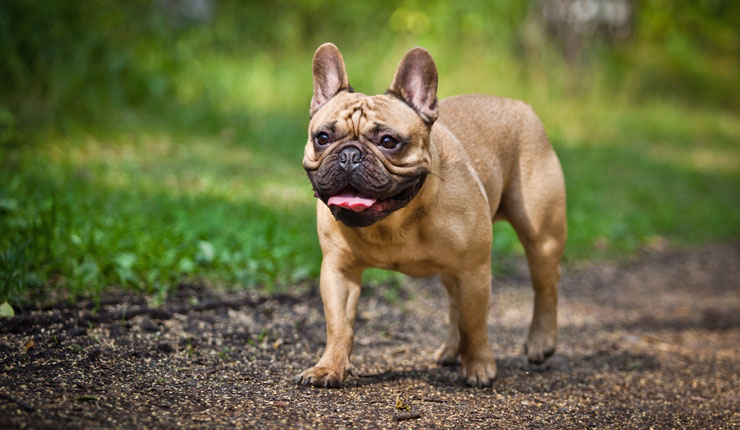
The French Bulldog's origin story is more complicated than its name suggests. The breed traces back to mid-19th century England, where Toy Bulldogs — smaller, lighter versions of the working Bulldog — were popular among Nottingham lace workers. When the Industrial Revolution mechanized the lace trade and displaced many of those workers, a significant number emigrated to Normandy and later Paris, bringing their small bulldogs with them. French breeders, particularly those in Paris, crossed these Toy Bulldogs with local terrier-type ratting dogs, and possibly Pugs, producing a distinctive companion animal with an upright, bat-like ear that was considered a flaw in England but became the breed's defining characteristic in France. By the 1880s, the breed had become fashionable among Parisian society, attracting the attention of artists, writers, and the demi-monde alike. Toulouse-Lautrec and Edgar Degas both kept company in circles where Frenchies were a fixture.
American tourists encountered the breed in Paris during the late 1800s and began importing them back to the United States. The French Bulldog Club of America, founded in 1897, is one of the oldest breed clubs in the country and played a pivotal role in standardizing the upright bat ear as the breed's correct form — overriding British preference for the rose ear. The AKC recognized the French Bulldog in 1898, placing it in the Non-Sporting Group, where it remains today.
For much of the 20th century, the Frenchie was a niche breed with a devoted but small following. That changed dramatically in the 2000s as urban apartment living became more common and celebrity ownership — everyone from Lady Gaga to Dwayne Johnson has owned one — pushed the breed into the mainstream. By 2022, the French Bulldog had displaced the Labrador Retriever as the AKC's most registered breed, ending the Lab's 31-year consecutive run at number one. That kind of meteoric popularity has come with consequences, including a surge in irresponsible breeding.
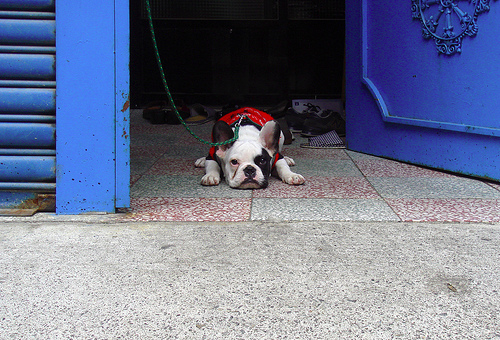
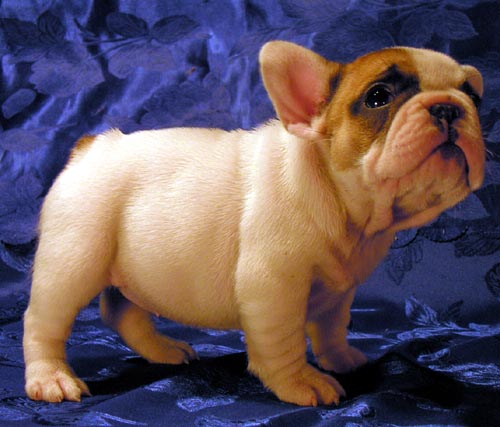
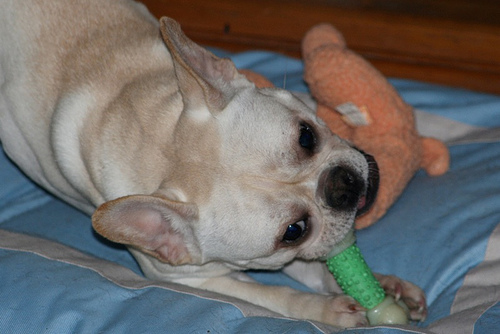
What separates the French Bulldog from its English Bulldog cousin is primarily scale and temperament energy. The Frenchie is lighter, longer-legged relative to body size, and considerably more animated. Unlike the Bulldog's more stolid, immovable quality, the Frenchie is genuinely playful and curious well into adulthood. The bat ears are entirely unique to the breed — no other Bulldog variety shares them as a breed standard requirement. The breed's compact size, typically under 28 pounds, combined with its low exercise requirements and relative quiet (Frenchies rarely bark excessively) makes it one of the most practical companion breeds for dense urban environments.
At a Glance
Quick Facts
- Breed Group:
- Non-Sporting
- Bred For:
- Lapdog
- Origin:
- France
- Life Span:
- 9 - 11 years
- Weight:
- 28 lbs
- Height:
- 11 - 12 in
💰 French Bulldog Cost Guide
Food · Vet · Grooming · Insurance · Full breakdown
Frequently Asked Questions
What is the temperament of a French Bulldog?
French Bulldogs are known to be playful, affectionate, keen, sociable, lively, alert, easygoing, patient, bright, curious, friendly. This combination of traits makes them excellent companions for families with children. Their temperament is influenced by both genetics and proper socialization from an early age.
How much exercise does a French Bulldog need?
French Bulldogs are high-energy dogs requiring 60+ minutes of vigorous daily exercise and mental stimulation.
How often should I groom my French Bulldog?
French Bulldogs require intensive grooming with daily brushing and regular professional grooming sessions.
How do I train a French Bulldog?
French Bulldogs have moderate trainability and benefit from consistent, positive training approaches.
Are French Bulldogs good with children?
French Bulldogs are excellent with children. Their natural patience, gentle nature, and resilience make them outstanding family dogs. They typically form strong bonds with children and tend to be forgiving of the occasional accidental rough handling that can occur with younger kids. Remember that proper socialization and teaching children appropriate interaction with dogs are always important, regardless of breed.
What makes the French Bulldog unique compared to other dog breeds?
The French Bulldog stands out from other breeds due to its rich heritage from France, specialized abilities for lapdog. This unique combination of characteristics makes them special among dog breeds and appeals to owners who appreciate these distinct qualities. Understanding these traits helps provide appropriate care tailored to their specific needs.
What should I know before getting a French Bulldog?
Before bringing a French Bulldog into your home, potential owners should consider: They have high exercise requirements (5/5) and need an active owner. Their coat requires significant maintenance (4/5) with regular grooming sessions. They typically excel in family environments with children (5/5 child-friendliness). They may be prone to breed-specific health issues including Brachycephalic Obstructive Airway Syndrome, Intervertebral Disc Disease, Hemivertebrae, Skin Fold Dermatitis, Hip Dysplasia, Allergies, Heat Sensitivity. Additionally, researching reputable breeders or rescue organizations is essential for finding a healthy, well-socialized French Bulldog. Understanding these factors will help ensure a good match between the breed and your lifestyle, leading to a happy relationship for both you and your dog.
What were French Bulldogs originally bred for?
French Bulldogs were originally bred for lapdog. This companion-focused breeding has resulted in their affectionate, people-oriented temperament that makes them excellent pets. As part of the Non-Sporting group, they share characteristics with other breeds developed for similar purposes. Understanding your French Bulldog's breeding heritage helps explain many of their natural behaviors and instincts, which can be channeled appropriately through training and enrichment activities. Even though modern French Bulldogs are primarily companions, these inherent traits remain part of their genetic makeup.
How long do French Bulldogs typically live?
The average lifespan of a French Bulldog is 9 - 11 years. With proper care including quality nutrition, regular veterinary check-ups, appropriate exercise, and preventative healthcare, some French Bulldogs may live beyond this range. Genetics, environment, and healthcare all play important roles in determining longevity.
Do French Bulldogs have breathing problems?
Yes, most French Bulldogs have some degree of Brachycephalic Obstructive Airway Syndrome (BOAS), a structural condition caused by their flat face and compressed airway anatomy. It includes a combination of stenotic nares (pinched nostrils), an elongated soft palate, and sometimes a narrowed trachea. Severity varies widely — some dogs live comfortably with minor management, while others require corrective surgery to breathe normally. Signs of significant BOAS include loud breathing at rest, snoring, exercise intolerance, and gagging or regurgitation. Dogs with moderate to severe BOAS should have surgical evaluation, ideally before two years of age, when outcomes are generally better. Heat and humidity dramatically worsen breathing difficulties, and French Bulldogs should never be left in warm environments without climate control.
Are French Bulldogs good apartment dogs?
French Bulldogs are one of the most apartment-suitable breeds available. They are small, typically under 28 pounds, have low exercise requirements — a couple of short daily walks is sufficient for most — and rarely bark excessively, which matters in multi-unit buildings. Their temperament is calm and adaptable, and they are content spending much of the day resting indoors. The main apartment-related caveat is that Frenchies do not tolerate being left alone for very long stretches. They are companion dogs by design and can develop separation anxiety when isolated for eight or more hours regularly. Climate control is also a non-negotiable in apartment settings, as French Bulldogs are highly heat-sensitive and can go into respiratory distress quickly in warm, poorly ventilated spaces.
How much does French Bulldog back surgery cost?
French Bulldog back surgery for Intervertebral Disc Disease (IVDD) is one of the most significant financial risks associated with owning the breed. The procedure, typically a hemilaminectomy to decompress the spinal cord, ranges from approximately $4,500 to $8,000 or more depending on the severity of the disc herniation, the facility performing the surgery, and geographic location. Emergency presentation often adds to the total cost through diagnostics including MRI, which alone can run $2,000 to $3,500. Post-surgical rehabilitation, including hydrotherapy and physical therapy, adds further expense. Not all IVDD cases require surgery — mild cases may be managed with strict crate rest and anti-inflammatory medication at a cost of $200 to $600 — but severe cases involving paralysis require surgery quickly for the best chance of recovery. Pet insurance enrolled before symptoms appear is strongly recommended.
Why are French Bulldogs so expensive?
French Bulldogs are expensive primarily because they are almost universally bred through artificial insemination and delivered by cesarean section, making natural reproduction the exception rather than the rule. The female's narrow hips make natural whelping dangerous for both the mother and the puppies, so planned C-sections are standard practice among responsible breeders. The combined cost of progesterone testing, artificial insemination, and a scheduled surgical delivery easily runs $3,000 to $5,000 per litter before a single puppy is raised. Add to that the cost of health testing breeding stock through OFA, raising a small litter through eight weeks with appropriate veterinary care, and the fact that Frenchies typically produce only three to five puppies per litter, and the economics of responsible breeding justify high purchase prices. Breeders charging significantly below market rate are almost always cutting corners on health testing, veterinary care, or whelping safety.
Additional Characteristics
Care Requirements
They are extremely energetic dogs requiring extensive daily exercise, activities, and mental stimulation.
They have high grooming needs requiring frequent brushing and regular professional grooming.
Moderately trainable with consistent methods
They are excellent with children and often form strong bonds with them.
French Bulldog
Complete Breed Guide
About the French Bulldog
The French Bulldog originated in France and was developed as a companion dog in the 1800s, descending from the English Bulldog and smaller terriers. This breed typically weighs around 28 pounds and stands 11 to 12 inches tall, characterized by its distinctive bat-like ears, compact build, and short snout. French Bulldogs are known for their playful and sociable temperament, making them excellent companions, and they thrive in family environments while being alert and easygoing. Their lifespan ranges from 9 to 11 years.
French Bulldogs are known for being playful, affectionate, keen, sociable, lively, and alert, easygoing, patient. As a high-energy breed, they are moderately trainable and thrive with regular mental and physical activity. They are excellent with children of all ages and friendly with other dogs, making them a popular choice for families and experienced dog owners alike.
Caring for a French Bulldog means committing to regular grooming (brushing several times a week), intense daily exercise, and firm, consistent training. Their gentle, social nature makes them a wonderful addition to active families.
At a Glance
Quick Facts
- Breed Group:
- Non-Sporting
- Bred For:
- Lapdog
- Origin:
- France
- Life Span:
- 9 - 11 years
- Weight:
- 28 lbs
- Height:
- 11 - 12 in
Temperament
Free French Bulldog Health Guide
French Bulldogs can be prone to Brachycephalic Obstructive Airway Syndrome and other conditions. Get our owner's health checklist and monthly vet tips — free.
- ✓French Bulldog-specific health warning signs
- ✓Vet visit checklist & cost tracker
- ✓Monthly breed health newsletter
Finding similar breeds...
How We Find Similar Breeds
We analyze breed characteristics including temperament, size, appearance, and care needs to identify the most similar dog breeds. This helps you discover alternatives that might be a good match for your lifestyle and preferences.
Explore Related Breeds & Guides
Adopt a French Bulldog
Filter to show only purebred French Bulldogs (excludes mixed breeds and crosses)
Find Dogs Near You
Enter your location to discover adoptable pets nearby
How to Adopt a French Bulldog
Follow these steps to ensure a smooth and responsible adoption process. Remember that adopting a dog is a lifelong commitment.
Research the Breed
Learn everything you can about French Bulldogs, including their temperament, exercise needs, grooming requirements, and potential health issues.
Find Reputable Sources
Look for adoptable dogs through shelters, rescue organizations, or responsible breeders. Avoid puppy mills and online scams.
Apply for Adoption
Complete an adoption application with your chosen organization. Be prepared to provide references and possibly go through a home visit.
Meet Your Potential Pet
Schedule a meeting with the dog to assess compatibility with you, your family, and any existing pets.
Prepare Your Home
Gather necessary supplies and dog-proof your home before bringing your new pet home.
1Essential Supplies
Food and water bowls, high-quality dog food, collar with ID tag, leash, bed, crate, toys, treats, grooming supplies, and cleaning products for accidents.
2Create a Safe Space
Designate an area where your dog can retreat when feeling overwhelmed. This could be a crate with comfortable bedding or a quiet corner with their bed.
3Remove Hazards
Secure or remove toxic plants, chemicals, small objects that could be swallowed, and foods that are harmful to dogs. Use baby gates if needed to restrict access to certain areas.
4Find a Veterinarian
Research and choose a veterinarian before bringing your dog home, and schedule an initial check-up shortly after adoption.
What is the dog's background and history?
Understanding a dog's past can help you anticipate potential behavior issues and provide appropriate support.
Has the dog been spayed/neutered and vaccinated?
This information is important for planning future veterinary care and understanding any immediate medical needs.
What is the dog's energy level and exercise needs?
French Bulldogs typically need regular exercise to stay healthy and happy. Ask about specific exercise requirements.
Has the dog been socialized with other animals and people?
This helps you understand how the dog might interact with your family, friends, and other pets.
Are there any known behavioral or health issues?
Knowing about existing issues helps you prepare for any special care or training needs.
Special Considerations for French Bulldogs
- French Bulldogs may have specific health concerns that require regular monitoring.
- Consider how the typical French Bulldog temperament aligns with your lifestyle.
- Research the grooming needs of French Bulldogs to ensure you can commit to the required maintenance.
- Understand the exercise requirements of French Bulldogs to keep them healthy and prevent behavior problems.
- Learn about proper training methods that work well with French Bulldogs.
 French Bulldog — Official AKC Breed VideoAmerican Kennel Club
Watch the official AKC video covering temperament, history, traits, and care.
Watch on YouTube →Product Recommendations for French Bulldogs
See all →Vet-reviewed picks for food, insurance, crates, brushes, treats, and toys — matched to this breed.
Compare French Bulldog with Similar Breeds
See how the French Bulldog stacks up against other breeds side by side.