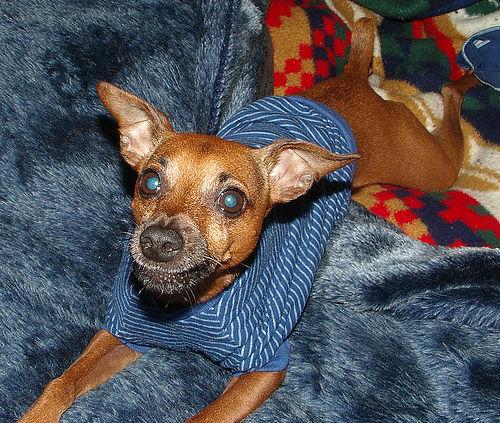
German Pinscher
Temperament
About the German Pinscher
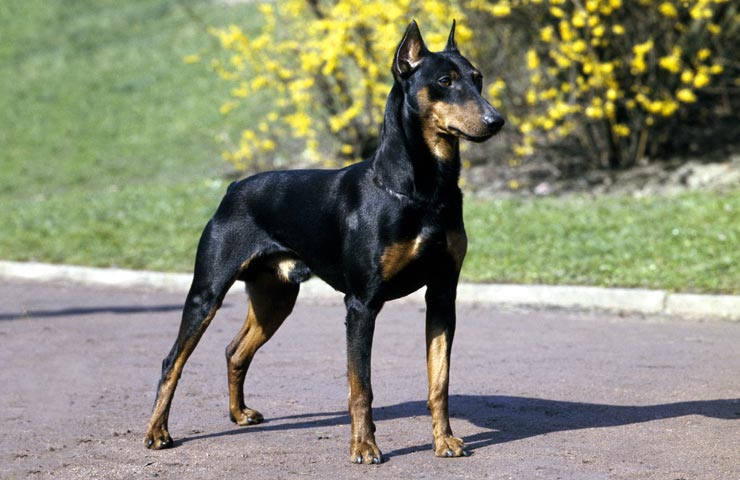
The German Pinscher is one of Germany's oldest breeds and, in many respects, the foundational template from which several other pinscher and schnauzer breeds were developed. Its documented history traces back to at least 1780, when early records in Germany described a medium-sized, smooth-coated working dog used on farms and alongside carriages. The breed was formally recognized in the German Stud Book in 1884, the same year the Pinscher-Schnauzer-Klub was founded in Cologne — an organization that continues to serve as the breed's primary steward in Germany. The German Pinscher is correctly understood as the smooth-coated counterpart to the Standard Schnauzer, and the two breeds share direct ancestral lineage. It is a distinct breed from the Miniature Pinscher, the Doberman Pinscher, the Affenpinscher, and the Austrian Pinscher, despite the shared name causing frequent confusion among the general public.
The breed's survival into the modern era is a remarkable story. Both World War I and World War II devastated German Pinscher populations to the point of near extinction. By the early 1950s, no purebred German Pinschers were being registered in Germany. The breed's recovery is attributed almost entirely to one man: Werner Jung, a German breed enthusiast who in the 1950s obtained dogs with German Pinscher characteristics from East Germany, bred them carefully, and reconstructed the breed's gene pool — reportedly even incorporating oversized Miniature Pinschers in the early stages to rebuild numbers. His work prevented the breed from disappearing entirely, and by 1958, German Pinschers were once again being registered.
The American Kennel Club officially recognized the German Pinscher in 2003, placing it in the Working Group — a classification that reflects its historical role as a guardian and working farm dog rather than a sporting or herding animal. In the United States, the German Pinscher Club of America serves as the AKC parent club and actively promotes health testing, responsible breeding, and breed preservation. As of recent AKC rankings, the breed sits around 133rd in popularity out of 205 recognized breeds, making it genuinely uncommon but not impossible to find from reputable sources.
What makes the German Pinscher distinct is its combination of physical elegance and functional toughness. It is neither a scaled-up Miniature Pinscher nor a scaled-down Doberman. It carries a short, dense, glossy coat that comes in solid red shades ranging from deer-red to dark reddish brown, or in black-and-tan. Its build is square, muscular, and athletic — designed for endurance and agility rather than bulk. The breed is listed as endangered on Germany's Rote Liste, maintained by the Gesellschaft zur Erhaltung alter und gefährdeter Haustierrassen, underscoring how precarious its global numbers remain.
At a Glance
Quick Facts
- Breed Group:
- Working
- Bred For:
- Watchdog, Hunting vermin on the farm.
- Origin:
- Germany
- Life Span:
- 12 - 14 years
- Weight:
- 25 - 45 lbs
- Height:
- 17 - 20 in
💰 German Pinscher Cost Guide
Food · Vet · Grooming · Insurance · Full breakdown
Frequently Asked Questions
What is the temperament of a German Pinscher?
German Pinschers are known to be spirited, lively, intelligent, loving, even tempered, familial, playful, affectionate, brave, curious, loyal, gentle. This combination of traits makes them excellent companions for families with children. Their temperament is influenced by both genetics and proper socialization from an early age.
How much exercise does a German Pinscher need?
German Pinschers are high-energy dogs requiring 60+ minutes of vigorous daily exercise and mental stimulation.
How often should I groom my German Pinscher?
German Pinschers require intensive grooming with daily brushing and regular professional grooming sessions.
How do I train a German Pinscher?
German Pinschers are highly trainable and typically respond well to positive reinforcement methods.
Are German Pinschers good with children?
German Pinschers are excellent with children. Their natural patience, gentle nature, and resilience make them outstanding family dogs. They typically form strong bonds with children and tend to be forgiving of the occasional accidental rough handling that can occur with younger kids. Remember that proper socialization and teaching children appropriate interaction with dogs are always important, regardless of breed.
What makes the German Pinscher unique compared to other dog breeds?
The German Pinscher stands out from other breeds due to its rich heritage from Germany, exceptional hunting abilities. This unique combination of characteristics makes them special among dog breeds and appeals to owners who appreciate these distinct qualities. Understanding these traits helps provide appropriate care tailored to their specific needs.
What should I know before getting a German Pinscher?
Before bringing a German Pinscher into your home, potential owners should consider: They have high exercise requirements (4/5) and need an active owner. Their coat requires significant maintenance (4/5) with regular grooming sessions. They typically excel in family environments with children (5/5 child-friendliness). They're typically highly trainable (5/5) and eager to learn. They may be prone to breed-specific health issues including Hip Dysplasia, Eye Conditions, Von Willebrand's Disease, Cardiac Issues, Thyroid Issues. Additionally, researching reputable breeders or rescue organizations is essential for finding a healthy, well-socialized German Pinscher. Understanding these factors will help ensure a good match between the breed and your lifestyle, leading to a happy relationship for both you and your dog.
What were German Pinschers originally bred for?
German Pinschers were originally bred for watchdog, hunting vermin on the farm.. This hunting background explains their natural prey drive, scenting abilities, and often high energy levels. As part of the Working group, they share characteristics with other breeds developed for similar purposes. Understanding your German Pinscher's breeding heritage helps explain many of their natural behaviors and instincts, which can be channeled appropriately through training and enrichment activities. Even though modern German Pinschers are primarily companions, these inherent traits remain part of their genetic makeup.
How long do German Pinschers typically live?
The average lifespan of a German Pinscher is 12 - 14 years. With proper care including quality nutrition, regular veterinary check-ups, appropriate exercise, and preventative healthcare, some German Pinschers may live beyond this range. Genetics, environment, and healthcare all play important roles in determining longevity.
Is a German Pinscher a good family dog?
German Pinschers can be excellent family dogs in the right household, but they are not a universally easy fit. They are loyal, affectionate, and genuinely playful with family members they know well, including children — particularly when raised with them from puppyhood. However, this is a breed with strong prey drive, high energy, and an independent streak that requires consistent structure. Families with young toddlers should be aware that the German Pinscher's enthusiasm and speed can overwhelm very small children, not out of aggression but sheer intensity. They do best in active households where at least one person has prior experience with strong-willed, intelligent breeds. A German Pinscher left under-stimulated or without clear boundaries in a family environment will find its own entertainment, and that entertainment is rarely what owners had in mind.
How is the German Pinscher different from a Doberman Pinscher?
The German Pinscher and the Doberman Pinscher are related but entirely separate breeds with distinct histories, sizes, and temperaments. The German Pinscher is the older breed, with documented origins in 18th-century Germany. The Doberman was developed in the late 1800s by Louis Dobermann, a tax collector who reportedly crossed German Pinschers with several other breeds — including the Rottweiler, Greyhound, and Weimaraner — to create a larger, more imposing personal protection dog. The result is a breed that can reach 60–100 pounds, significantly larger than the German Pinscher's 25–45 pound frame. While both breeds share the sleek coat, athletic build, and black-and-tan coloring options, they are governed by separate breed standards, registered separately by all major kennel clubs, and carry different health profiles. The German Pinscher is considerably rarer than the Doberman in the United States.
Do German Pinschers bark a lot?
German Pinschers are alert, watchful dogs with a genuine instinct to signal intruders or unusual activity — a direct extension of their historical role as farm guardians. They will bark to announce strangers at the door or alert to unfamiliar sounds, and they take that job seriously. However, they are not considered a chronically noisy or nuisance-barking breed under normal conditions. A German Pinscher that barks excessively is almost always a dog that is under-stimulated, under-exercised, or under-socialized. Meeting the breed's significant daily exercise requirements and providing adequate mental engagement dramatically reduces problem barking. Early training that establishes a 'quiet' cue and teaches the dog that alerting once is sufficient is more effective than trying to suppress the alert instinct entirely.
Are German Pinschers rare in the United States?
Yes, the German Pinscher is genuinely uncommon in the United States. The breed ranks around 133rd out of 205 AKC-recognized breeds in terms of registration numbers, which places it well outside the mainstream. The rarity has roots in history — the breed nearly went extinct after both World Wars, and its recovery in Germany during the 1950s was due largely to the efforts of a single breeder, Werner Jung, who rebuilt the population from a very small foundation. In America, the German Pinscher Club of America maintains a registry of reputable breeders, but the number of actively breeding programs at any given time is small. This means wait lists for puppies from health-tested parents are common, sometimes extending six months to a year or more. It also means anyone claiming to have German Pinscher puppies readily available at low prices warrants careful scrutiny.
Additional Characteristics
Care Requirements
They are high-energy dogs that need significant daily exercise and mental stimulation.
They have high grooming needs requiring frequent brushing and regular professional grooming.
Highly trainable — quick to learn and eager to please
They are excellent with children and often form strong bonds with them.
German Pinscher
Complete Breed Guide
About the German Pinscher
The German Pinscher is a medium-sized breed that originated in Germany, where it was developed as a versatile farm dog and rat catcher. Standing 17 to 20 inches tall and weighing between 25 to 45 pounds, they possess a sleek, muscular build with a short, smooth coat. Known for their spirited and intelligent temperament, German Pinschers are affectionate and loyal companions, often excelling in obedience and agility activities while also serving as effective watchdogs. Their lifespan ranges from 12 to 14 years.
German Pinschers are known for being spirited, lively, intelligent, loving, even tempered, and familial, playful, affectionate. As a high-energy breed, they are highly responsive to training and thrive with regular mental and physical activity. They are excellent with children of all ages and friendly with other dogs, making them a popular choice for families and experienced dog owners alike.
Caring for a German Pinscher means committing to regular grooming (brushing several times a week), vigorous daily exercise, and consistent training from an early age. Their gentle, social nature makes them a wonderful addition to active families.
At a Glance
Quick Facts
- Breed Group:
- Working
- Bred For:
- Watchdog, Hunting vermin on the farm.
- Origin:
- Germany
- Life Span:
- 12 - 14 years
- Weight:
- 25 - 45 lbs
- Height:
- 17 - 20 in
Temperament
Free German Pinscher Health Guide
German Pinschers can be prone to Hip Dysplasia and other conditions. Get our owner's health checklist and monthly vet tips — free.
- ✓German Pinscher-specific health warning signs
- ✓Vet visit checklist & cost tracker
- ✓Monthly breed health newsletter
Finding similar breeds...
How We Find Similar Breeds
We analyze breed characteristics including temperament, size, appearance, and care needs to identify the most similar dog breeds. This helps you discover alternatives that might be a good match for your lifestyle and preferences.
Explore Related Breeds & Guides
Adopt a German Pinscher
Filter to show only purebred German Pinschers (excludes mixed breeds and crosses)
Find Dogs Near You
Enter your location to discover adoptable pets nearby
How to Adopt a German Pinscher
Follow these steps to ensure a smooth and responsible adoption process. Remember that adopting a dog is a lifelong commitment.
Research the Breed
Learn everything you can about German Pinschers, including their temperament, exercise needs, grooming requirements, and potential health issues.
Find Reputable Sources
Look for adoptable dogs through shelters, rescue organizations, or responsible breeders. Avoid puppy mills and online scams.
Apply for Adoption
Complete an adoption application with your chosen organization. Be prepared to provide references and possibly go through a home visit.
Meet Your Potential Pet
Schedule a meeting with the dog to assess compatibility with you, your family, and any existing pets.
Prepare Your Home
Gather necessary supplies and dog-proof your home before bringing your new pet home.
1Essential Supplies
Food and water bowls, high-quality dog food, collar with ID tag, leash, bed, crate, toys, treats, grooming supplies, and cleaning products for accidents.
2Create a Safe Space
Designate an area where your dog can retreat when feeling overwhelmed. This could be a crate with comfortable bedding or a quiet corner with their bed.
3Remove Hazards
Secure or remove toxic plants, chemicals, small objects that could be swallowed, and foods that are harmful to dogs. Use baby gates if needed to restrict access to certain areas.
4Find a Veterinarian
Research and choose a veterinarian before bringing your dog home, and schedule an initial check-up shortly after adoption.
What is the dog's background and history?
Understanding a dog's past can help you anticipate potential behavior issues and provide appropriate support.
Has the dog been spayed/neutered and vaccinated?
This information is important for planning future veterinary care and understanding any immediate medical needs.
What is the dog's energy level and exercise needs?
German Pinschers typically need regular exercise to stay healthy and happy. Ask about specific exercise requirements.
Has the dog been socialized with other animals and people?
This helps you understand how the dog might interact with your family, friends, and other pets.
Are there any known behavioral or health issues?
Knowing about existing issues helps you prepare for any special care or training needs.
Special Considerations for German Pinschers
- German Pinschers may have specific health concerns that require regular monitoring.
- Consider how the typical German Pinscher temperament aligns with your lifestyle.
- Research the grooming needs of German Pinschers to ensure you can commit to the required maintenance.
- Understand the exercise requirements of German Pinschers to keep them healthy and prevent behavior problems.
- Learn about proper training methods that work well with German Pinschers.
Product Recommendations for German Pinschers
See all →Vet-reviewed picks for food, insurance, crates, brushes, treats, and toys — matched to this breed.
Compare German Pinscher with Similar Breeds
See how the German Pinscher stacks up against other breeds side by side.