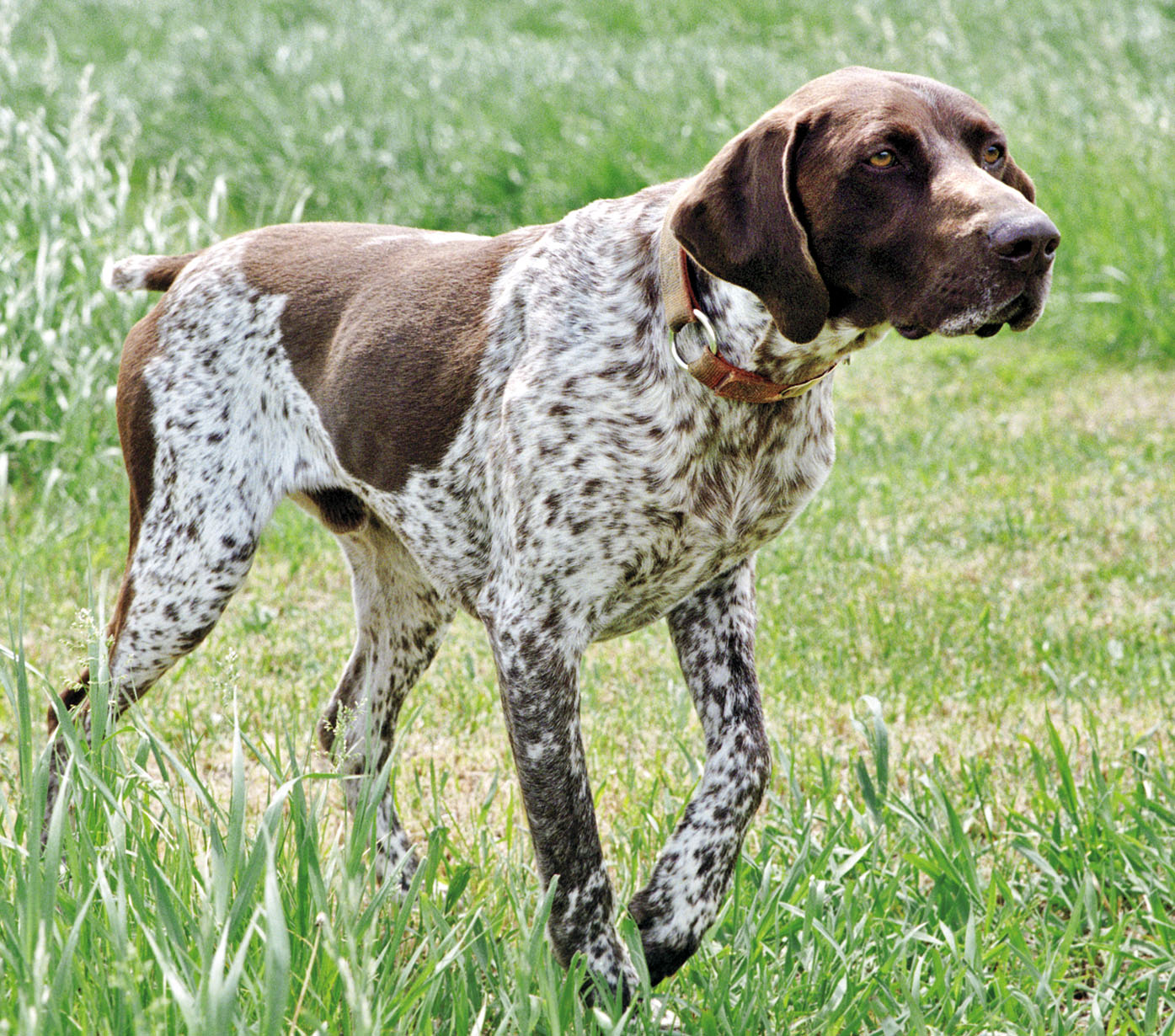
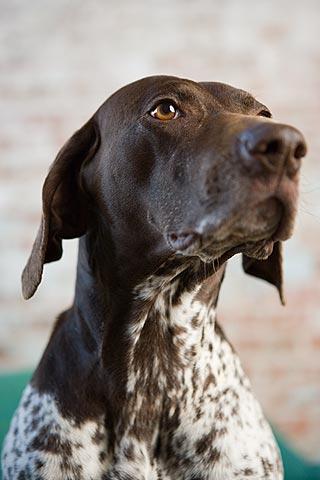
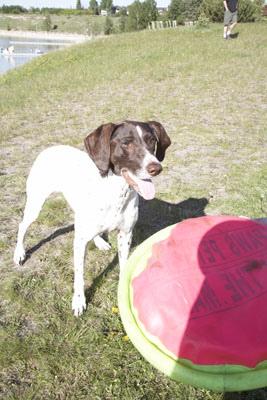
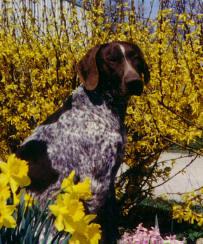
German Shorthaired Pointer
Temperament
About the German Shorthaired Pointer
The German Shorthaired Pointer traces its origins to nineteenth-century Germany, where breeders set out to create something the hunting world had never quite seen before: a single dog capable of tracking, pointing, flushing, and retrieving game on both land and water — a true all-purpose gun dog. The breed's foundation rested on crosses between the old Spanish Pointer, which had been imported into Germany during the 1600s, and the Hannover Hound, a scent-trailing breed that gave early dogs their exceptional nose and willingness to work ground scent. These early dogs were capable but heavy and slow. Subsequent infusions of English Pointer blood, introduced in the latter half of the 1800s, sharpened the silhouette dramatically — adding speed, elegance, and that characteristic high-headed air-scenting style that defines the breed today.
The first German Shorthaired Pointer stud book was established in Germany in 1872, making the breed's recorded history one of the oldest among continental sporting dogs. Prince Albrecht zu Solms-Braunfels is widely credited with guiding the breed's early development, advocating that function must always take priority over appearance — a philosophy that shaped GSP breeding standards for generations. The breed arrived in the United States in the 1920s, with Dr. Charles Thornton of Montana among the early American importers and breeders. The American Kennel Club formally recognized the German Shorthaired Pointer in 1930, and the German Shorthaired Pointer Club of America, founded in 1938, remains the AKC parent club today. As of recent AKC rankings, the GSP sits at number 10 out of 205 recognized breeds — a remarkable position for a hunting dog in an era of companion-focused ownership.
What separates the GSP from related continental breeds like the Vizsla, Weimaraner, or German Wirehaired Pointer is its particular balance of versatility and biddability. The Weimaraner tends toward more stubborn independence; the Vizsla is softer and more Velcro-like in temperament. The German Wirehaired Pointer shares much of the GSP's working DNA but was developed later and with a rougher coat suited to denser cover. The GSP occupies a middle ground: athletic enough to run all day in the field, sociable enough to sleep at the foot of your bed at night, and cooperative enough that a committed amateur can actually train one. Its liver and white ticked or roan coat, webbed feet, and docked tail (historically) are the breed's most recognizable physical signatures, though natural tail practices are increasingly common in non-hunting homes across the United States.
At a Glance
Quick Facts
- Breed Group:
- Sporting
- Bred For:
- General hunting
- Origin:
- Germany
- Life Span:
- 12 - 14 years
- Weight:
- 45 - 70 lbs
- Height:
- 21 - 25 in
💰 German Shorthaired Pointer Cost Guide
Food · Vet · Grooming · Insurance · Full breakdown
Frequently Asked Questions
What is the temperament of a German Shorthaired Pointer?
German Shorthaired Pointers are known to be boisterous, bold, affectionate, intelligent, cooperative, curious, friendly, playful, gentle, loyal, brave. This combination of traits makes them excellent companions for families with children. Their temperament is influenced by both genetics and proper socialization from an early age.
How much exercise does a German Shorthaired Pointer need?
German Shorthaired Pointers are high-energy dogs requiring 60+ minutes of vigorous daily exercise and mental stimulation.
How often should I groom my German Shorthaired Pointer?
German Shorthaired Pointers need moderate grooming including brushing 2-3 times weekly and regular maintenance.
How do I train a German Shorthaired Pointer?
German Shorthaired Pointers are highly trainable and typically respond well to positive reinforcement methods.
Are German Shorthaired Pointers good with children?
German Shorthaired Pointers are excellent with children. Their natural patience, gentle nature, and resilience make them outstanding family dogs. They typically form strong bonds with children and tend to be forgiving of the occasional accidental rough handling that can occur with younger kids. Remember that proper socialization and teaching children appropriate interaction with dogs are always important, regardless of breed.
What makes the German Shorthaired Pointer unique compared to other dog breeds?
The German Shorthaired Pointer stands out from other breeds due to its rich heritage from Germany, exceptional hunting abilities. This unique combination of characteristics makes them special among dog breeds and appeals to owners who appreciate these distinct qualities. Understanding these traits helps provide appropriate care tailored to their specific needs.
What should I know before getting a German Shorthaired Pointer?
Before bringing a German Shorthaired Pointer into your home, potential owners should consider: They have high exercise requirements (5/5) and need an active owner. They typically excel in family environments with children (5/5 child-friendliness). They're typically highly trainable (5/5) and eager to learn. Their large size requires adequate living space. They may be prone to breed-specific health issues including Hip Dysplasia, Bloat (GDV), Von Willebrand's Disease, Hypothyroidism, Epilepsy, Cone Degeneration. Additionally, researching reputable breeders or rescue organizations is essential for finding a healthy, well-socialized German Shorthaired Pointer. Understanding these factors will help ensure a good match between the breed and your lifestyle, leading to a happy relationship for both you and your dog.
What were German Shorthaired Pointers originally bred for?
German Shorthaired Pointers were originally bred for general hunting. This hunting background explains their natural prey drive, scenting abilities, and often high energy levels. As part of the Sporting group, they share characteristics with other breeds developed for similar purposes. Understanding your German Shorthaired Pointer's breeding heritage helps explain many of their natural behaviors and instincts, which can be channeled appropriately through training and enrichment activities. Even though modern German Shorthaired Pointers are primarily companions, these inherent traits remain part of their genetic makeup.
How long do German Shorthaired Pointers typically live?
The average lifespan of a German Shorthaired Pointer is 12 - 14 years. With proper care including quality nutrition, regular veterinary check-ups, appropriate exercise, and preventative healthcare, some German Shorthaired Pointers may live beyond this range. Genetics, environment, and healthcare all play important roles in determining longevity.
How much exercise does a German Shorthaired Pointer need every day?
German Shorthaired Pointers need a minimum of one to two hours of vigorous exercise daily, and that figure is not an exaggeration or a worst-case scenario — it is the baseline for a healthy adult GSP to remain physically and mentally stable. This is a breed that was developed to work all day in the field across varied terrain, and that endurance is bred in deeply. A 20-minute leash walk will not meet that need. Running, swimming, fetch, dog sports like agility or dock diving, or actual hunting work all qualify as appropriate outlets. Puppies should have their exercise moderated to protect developing joints — shorter sessions of free play rather than forced running — but their mental stimulation needs are equally high from a young age. GSPs that do not receive adequate daily exercise reliably develop problem behaviors: destructive chewing, excessive barking, anxiety, and hyperactivity indoors. A well-exercised GSP is calm, affectionate, and genuinely easy to live with. An under-exercised one is the reason many GSPs end up in rescue.
Are German Shorthaired Pointers good family dogs?
German Shorthaired Pointers are excellent family dogs in the right household, with some specific caveats worth understanding. The breed is genuinely affectionate, playful, and bonds closely with all members of its family rather than attaching exclusively to one person. They tend to be patient and gentle with children, though their size and exuberance — particularly as young adults — means they can accidentally knock over small children during play. Early socialization is important, and supervision with very young children is always advisable regardless of temperament. GSPs typically get along well with other dogs, especially when raised together or introduced thoughtfully. Their hunting instinct means small animals like rabbits, cats, and birds may trigger prey drive, though individual variation exists and early exposure can significantly reduce this. The breed's core suitability as a family dog depends heavily on whether the family can meet its exercise requirements. A family that runs, hikes, hunts, or is otherwise outdoors-active will find the GSP an ideal match. A primarily sedentary household will find the mismatch challenging regardless of how loving the dog is.
Do German Shorthaired Pointers bark a lot?
German Shorthaired Pointers are not chronic or nuisance barkers in the way some breeds are, but they are vocal dogs that will communicate clearly when something warrants it — and their threshold for what warrants it is lower than many owners expect. A GSP will alert bark at strangers, unfamiliar sounds, and activity outside windows. They may bark or whine when under-stimulated, when left alone for extended periods, or when they spot wildlife. Separation-related vocalization is a real concern with this breed because of how strongly GSPs bond to their people — a dog left alone for long hours without adequate exercise beforehand is a dog likely to be noisy about its dissatisfaction. Excessive barking in a GSP is almost always a symptom of insufficient exercise or mental stimulation rather than a personality flaw. Consistent training can teach a GSP a reliable quiet cue, and addressing the root cause — boredom, anxiety, unmet exercise needs — resolves most barking issues more effectively than any correction-based approach.
What is the difference between a German Shorthaired Pointer and a Vizsla?
The German Shorthaired Pointer and the Vizsla are both continental pointing breeds with similar builds, similar energy levels, and overlapping sporting capabilities, which is why they are frequently compared. The most obvious visual distinction is coat color: GSPs come in liver, liver and white, liver roan, and liver ticked patterns, while Vizslas are a distinctive solid golden rust with no white markings permitted in the breed standard. The GSP tends to be slightly larger and heavier on average, with males reaching 55 to 70 pounds compared to the Vizsla's 45 to 65. Temperamentally, the Vizsla is generally regarded as the more sensitive and velcro-like of the two — Vizslas are sometimes called the breed that cannot be kenneled because of how intensely they need human contact. GSPs are also highly affectionate and people-oriented, but they tend to carry slightly more independence and confidence in the field. From a health standpoint, both breeds are prone to hip dysplasia and bloat, but Vizslas see higher rates of certain cancers, including mast cell tumors and hemangiosarcoma, than GSPs typically do. Both breeds require the same commitment to daily vigorous exercise and early socialization.
Additional Characteristics
Care Requirements
They are extremely energetic dogs requiring extensive daily exercise, activities, and mental stimulation.
They need moderate grooming, including regular brushing and occasional professional care.
Highly trainable — quick to learn and eager to please
They are excellent with children and often form strong bonds with them.
German Shorthaired Pointer
Complete Breed Guide
About the German Shorthaired Pointer
The German Shorthaired Pointer originated in Germany in the 19th century as a versatile hunting dog, bred for both land and water retrieval. This breed typically weighs between 45 to 70 pounds and stands 21 to 25 inches tall, characterized by a sleek, muscular build and a short, dense coat that often features a combination of liver and white markings. Known for their boisterous and affectionate temperament, they are intelligent and cooperative, making them excellent companions for active families and skilled hunting partners.
German Shorthaired Pointers are known for being boisterous, bold, affectionate, intelligent, cooperative, and curious, friendly, playful. As a high-energy breed, they are highly responsive to training and thrive with regular mental and physical activity. They are excellent with children of all ages and friendly with other dogs, making them a popular choice for families and experienced dog owners alike.
Caring for a German Shorthaired Pointer means committing to moderate grooming every week or two, intense daily exercise, and firm, consistent training. Their gentle, social nature makes them a wonderful addition to active families.
At a Glance
Quick Facts
- Breed Group:
- Sporting
- Bred For:
- General hunting
- Origin:
- Germany
- Life Span:
- 12 - 14 years
- Weight:
- 45 - 70 lbs
- Height:
- 21 - 25 in
Temperament
Free German Shorthaired Pointer Health Guide
German Shorthaired Pointers can be prone to Hip Dysplasia and other conditions. Get our owner's health checklist and monthly vet tips — free.
- ✓German Shorthaired Pointer-specific health warning signs
- ✓Vet visit checklist & cost tracker
- ✓Monthly breed health newsletter
Finding similar breeds...
How We Find Similar Breeds
We analyze breed characteristics including temperament, size, appearance, and care needs to identify the most similar dog breeds. This helps you discover alternatives that might be a good match for your lifestyle and preferences.
Explore Related Breeds & Guides
Adopt a German Shorthaired Pointer
Filter to show only purebred German Shorthaired Pointers (excludes mixed breeds and crosses)
Find Dogs Near You
Enter your location to discover adoptable pets nearby
How to Adopt a German Shorthaired Pointer
Follow these steps to ensure a smooth and responsible adoption process. Remember that adopting a dog is a lifelong commitment.
Research the Breed
Learn everything you can about German Shorthaired Pointers, including their temperament, exercise needs, grooming requirements, and potential health issues.
Find Reputable Sources
Look for adoptable dogs through shelters, rescue organizations, or responsible breeders. Avoid puppy mills and online scams.
Apply for Adoption
Complete an adoption application with your chosen organization. Be prepared to provide references and possibly go through a home visit.
Meet Your Potential Pet
Schedule a meeting with the dog to assess compatibility with you, your family, and any existing pets.
Prepare Your Home
Gather necessary supplies and dog-proof your home before bringing your new pet home.
1Essential Supplies
Food and water bowls, high-quality dog food, collar with ID tag, leash, bed, crate, toys, treats, grooming supplies, and cleaning products for accidents.
2Create a Safe Space
Designate an area where your dog can retreat when feeling overwhelmed. This could be a crate with comfortable bedding or a quiet corner with their bed.
3Remove Hazards
Secure or remove toxic plants, chemicals, small objects that could be swallowed, and foods that are harmful to dogs. Use baby gates if needed to restrict access to certain areas.
4Find a Veterinarian
Research and choose a veterinarian before bringing your dog home, and schedule an initial check-up shortly after adoption.
What is the dog's background and history?
Understanding a dog's past can help you anticipate potential behavior issues and provide appropriate support.
Has the dog been spayed/neutered and vaccinated?
This information is important for planning future veterinary care and understanding any immediate medical needs.
What is the dog's energy level and exercise needs?
German Shorthaired Pointers typically need regular exercise to stay healthy and happy. Ask about specific exercise requirements.
Has the dog been socialized with other animals and people?
This helps you understand how the dog might interact with your family, friends, and other pets.
Are there any known behavioral or health issues?
Knowing about existing issues helps you prepare for any special care or training needs.
Special Considerations for German Shorthaired Pointers
- German Shorthaired Pointers may have specific health concerns that require regular monitoring.
- Consider how the typical German Shorthaired Pointer temperament aligns with your lifestyle.
- Research the grooming needs of German Shorthaired Pointers to ensure you can commit to the required maintenance.
- Understand the exercise requirements of German Shorthaired Pointers to keep them healthy and prevent behavior problems.
- Learn about proper training methods that work well with German Shorthaired Pointers.
 German Shorthaired Pointer — Official AKC Breed VideoAmerican Kennel Club
Watch the official AKC video covering temperament, history, traits, and care.
Watch on YouTube →Product Recommendations for German Shorthaired Pointers
See all →Vet-reviewed picks for food, insurance, crates, brushes, treats, and toys — matched to this breed.
Compare German Shorthaired Pointer with Similar Breeds
See how the German Shorthaired Pointer stacks up against other breeds side by side.