
Golden Retriever
Temperament
About the Golden Retriever
The Golden Retriever traces its origins to a single estate in the Scottish Highlands. Between 1868 and 1871, Sir Dudley Marjoribanks — later known as Lord Tweedmouth — selectively bred at his Guisachan estate near Inverness to produce a retriever capable of working the wet, rugged terrain of the Scottish moors and waterways. His studbook records, made available to the public by his great-nephew in 1952, reveal that the foundation cross was a yellow Flat-coated Retriever named Nous bred to a Tweed Water Spaniel named Belle. Subsequent generations incorporated Red Setter for scenting ability, Labrador Retriever for water drive, and Bloodhound for tracking instinct. The goal was a dog with a reliably soft mouth for retrieving game undamaged, exceptional nose work, and the physical stamina to hunt all day in cold, wet conditions.
The breed was first shown publicly in 1908 and received formal recognition from The Kennel Club in Britain in 1913, initially classified under the name "Yellow or Golden Retriever." The American Kennel Club recognized the Golden Retriever in 1925, placing it in the Sporting Group. The Golden Retriever Club of America, founded in 1938, remains the AKC parent club for the breed in the United States and sets the breed standard against which all conformation dogs are judged. In the United Kingdom, breed registration requires the successful completion of a working trial — a meaningful distinction that keeps a working standard embedded in the breed's formal structure.
What sets the Golden apart from its closest relatives — the Labrador Retriever and the Flat-coated Retriever — is a combination of coat type, trainability ceiling, and temperament consistency. The Lab is more physically resilient and slightly more heat-tolerant. The Flat-coat carries more genetic diversity and a more independent streak. The Golden occupies a middle space: deeply biddable, emotionally attuned to human cues in a way that even other retrievers rarely match, and bred with such intentionality in that original Highland program that the temperament has remained remarkably stable across 150 years.
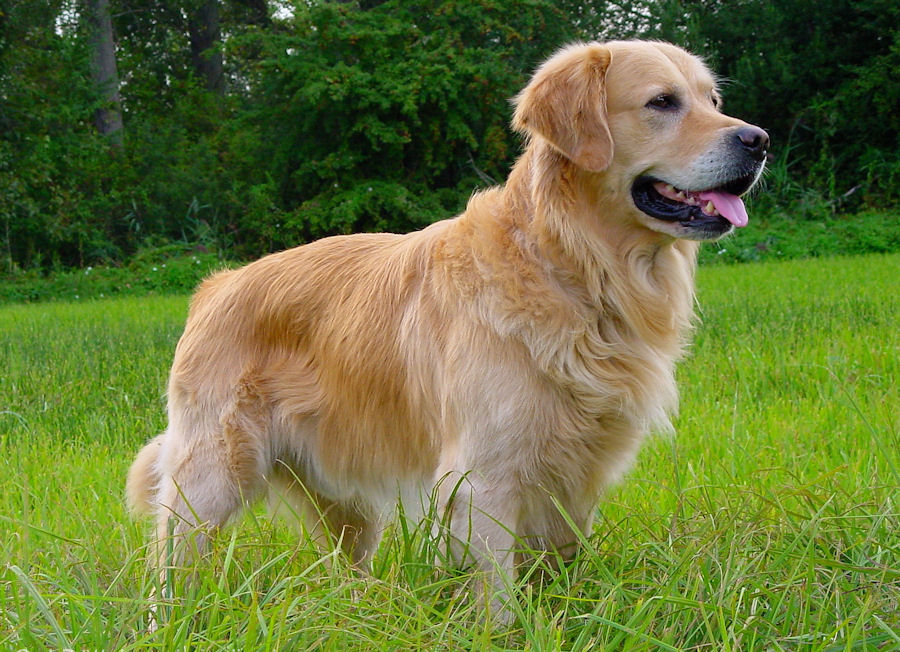
The breed currently ranks third in AKC registration statistics out of 205 recognized breeds, a position it has held consistently for decades. Three distinct types exist within the breed — American, British (or English), and Canadian — which differ in coat color range, build, and head shape, though all are registered under the same breed standard in their respective countries. The English type tends toward a broader skull, deeper chest, and cream-to-gold coat. The American type is leaner through the hindquarters with a richer golden coat. The Canadian type sits between the two, with a thinner, darker coat and slightly taller frame.
At a Glance
Quick Facts
- Breed Group:
- Sporting
- Bred For:
- Retrieving
- Origin:
- Scotland
- Life Span:
- 10 - 12 years
- Weight:
- 55 - 75 lbs
- Height:
- 21.5 - 24 in
💰 Golden Retriever Cost Guide
Food · Vet · Grooming · Insurance · Full breakdown
Frequently Asked Questions
What is the temperament of a Golden Retriever?
Golden Retrievers are known to be intelligent, kind, reliable, friendly, trustworthy, confident, affectionate, curious, gentle, playful, quiet, loyal. This combination of traits makes them excellent companions for families with children. Their temperament is influenced by both genetics and proper socialization from an early age.
How much exercise does a Golden Retriever need?
Golden Retrievers are high-energy dogs requiring 60+ minutes of vigorous daily exercise and mental stimulation.
How often should I groom my Golden Retriever?
Golden Retrievers require intensive grooming with daily brushing and regular professional grooming sessions.
How do I train a Golden Retriever?
Golden Retrievers are highly trainable and typically respond well to positive reinforcement methods.
Are Golden Retrievers good with children?
Golden Retrievers are excellent with children. Their natural patience, gentle nature, and resilience make them outstanding family dogs. They typically form strong bonds with children and tend to be forgiving of the occasional accidental rough handling that can occur with younger kids. Remember that proper socialization and teaching children appropriate interaction with dogs are always important, regardless of breed.
What makes the Golden Retriever unique compared to other dog breeds?
The Golden Retriever stands out from other breeds due to its rich heritage from Scotland, specialized abilities for retrieving. This unique combination of characteristics makes them special among dog breeds and appeals to owners who appreciate these distinct qualities. Understanding these traits helps provide appropriate care tailored to their specific needs.
What should I know before getting a Golden Retriever?
Before bringing a Golden Retriever into your home, potential owners should consider: They have high exercise requirements (4/5) and need an active owner. Their coat requires significant maintenance (5/5) with regular grooming sessions. They typically excel in family environments with children (5/5 child-friendliness). They're typically highly trainable (5/5) and eager to learn. Their large size requires adequate living space. They may be prone to breed-specific health issues including Hip Dysplasia, Cancer (60% die from cancer - highest rate of any breed), Elbow Dysplasia, Subvalvular Aortic Stenosis, Progressive Retinal Atrophy, Hypothyroidism, Skin Conditions. Additionally, researching reputable breeders or rescue organizations is essential for finding a healthy, well-socialized Golden Retriever. Understanding these factors will help ensure a good match between the breed and your lifestyle, leading to a happy relationship for both you and your dog.
What were Golden Retrievers originally bred for?
Golden Retrievers were originally bred for retrieving. As part of the Sporting group, they share characteristics with other breeds developed for similar purposes. Understanding your Golden Retriever's breeding heritage helps explain many of their natural behaviors and instincts, which can be channeled appropriately through training and enrichment activities. Even though modern Golden Retrievers are primarily companions, these inherent traits remain part of their genetic makeup.
How long do Golden Retrievers typically live?
The average lifespan of a Golden Retriever is 10 - 12 years. With proper care including quality nutrition, regular veterinary check-ups, appropriate exercise, and preventative healthcare, some Golden Retrievers may live beyond this range. Genetics, environment, and healthcare all play important roles in determining longevity.
do golden retrievers really get cancer more than other dogs
Yes, and the statistics are stark. According to the Morris Animal Foundation's Golden Retriever Lifetime Study — the largest prospective study of canine health ever conducted — approximately 60 percent of Golden Retrievers die from cancer, the highest cancer mortality rate of any breed. The most common forms are hemangiosarcoma, lymphoma, mast cell tumors, and osteosarcoma. Research from this study is ongoing. The cause is believed to involve genetic predispositions unique to the breed. While cancer cannot be prevented outright, purchasing from a breeder who health-tests breeding stock and has no history of early-onset cancer in their lines is the most meaningful mitigation a buyer can make.
how long do golden retrievers live
The typical lifespan for a Golden Retriever is 10 to 12 years. This is slightly shorter than many breeds of similar size, and the elevated cancer rate is the primary reason. Some Goldens live into their early teens, particularly those from health-tested lines with no history of cancer or major orthopedic disease. English or British-type Goldens are sometimes cited anecdotally as having marginally longer lifespans, though this has not been conclusively established in peer-reviewed research. Regular veterinary monitoring from middle age onward — including bloodwork and imaging — is the best tool for catching problems early.
are golden retrievers good for first time dog owners
Golden Retrievers are widely regarded as one of the most manageable breeds for first-time owners, but they are not self-maintaining. Their high trainability and forgiving temperament make early mistakes less costly than they would be with an independent or high-drive breed. The real demands are time, consistency, and financial readiness. Goldens need daily exercise, ongoing training through at least the first two years, regular grooming, and veterinary care that can become expensive given their health profile. A first-time owner who commits to structured training and budgets appropriately will find a Golden to be an excellent first dog. An owner expecting a low-maintenance companion will be caught off guard.
how much does a golden retriever puppy cost from a reputable breeder
From a breeder performing the full range of health tests recommended by the Golden Retriever Club of America — OFA hip and elbow clearances, cardiac evaluation by a cardiologist, eye certification, and PRA DNA testing — expect to pay between $1,500 and $3,500 in the United States as of 2024. Dogs from titled field or conformation lines may exceed $4,000. Breeders pricing significantly below $1,500 are typically not completing health testing, which transfers that cost risk to the buyer in the form of higher veterinary bills later. Waiting lists of six months to a year are common with responsible breeders, and that wait is generally worth it given the breed's health risks.
Additional Characteristics
Care Requirements
They are high-energy dogs that need significant daily exercise and mental stimulation.
They have very high maintenance coats requiring daily brushing and regular professional grooming.
Highly trainable — quick to learn and eager to please
They are excellent with children and often form strong bonds with them.
Golden Retriever
Complete Breed Guide
About the Golden Retriever
The Golden Retriever originated in Scotland in the late 19th century, developed for retrieving game during hunting. This breed is characterized by its dense, water-repellent golden coat, a strong build, and an average height of 21.5 to 24 inches, with a weight ranging from 55 to 75 pounds. Known for their intelligence and friendly disposition, Golden Retrievers excel as family pets, therapy dogs, and in various canine sports, making them reliable companions and versatile working dogs. Their lifespan typically ranges from 10 to 12 years.
Golden Retrievers are known for being intelligent, kind, reliable, friendly, trustworthy, and confident, affectionate, curious. As a high-energy breed, they are highly responsive to training and thrive with regular mental and physical activity. They are excellent with children of all ages and friendly with other dogs, making them a popular choice for families and experienced dog owners alike.
Caring for a Golden Retriever means committing to regular grooming (brushing several times a week), vigorous daily exercise, and consistent training from an early age. Their gentle, social nature makes them a wonderful addition to active families.
At a Glance
Quick Facts
- Breed Group:
- Sporting
- Bred For:
- Retrieving
- Origin:
- Scotland
- Life Span:
- 10 - 12 years
- Weight:
- 55 - 75 lbs
- Height:
- 21.5 - 24 in
Temperament
Free Golden Retriever Health Guide
Golden Retrievers can be prone to Hip Dysplasia and other conditions. Get our owner's health checklist and monthly vet tips — free.
- ✓Golden Retriever-specific health warning signs
- ✓Vet visit checklist & cost tracker
- ✓Monthly breed health newsletter
Finding similar breeds...
How We Find Similar Breeds
We analyze breed characteristics including temperament, size, appearance, and care needs to identify the most similar dog breeds. This helps you discover alternatives that might be a good match for your lifestyle and preferences.
Explore Related Breeds & Guides
Adopt a Golden Retriever
Filter to show only purebred Golden Retrievers (excludes mixed breeds and crosses)
Find Dogs Near You
Enter your location to discover adoptable pets nearby
How to Adopt a Golden Retriever
Follow these steps to ensure a smooth and responsible adoption process. Remember that adopting a dog is a lifelong commitment.
Research Golden Retriever Rescue Groups
Start by looking into Golden Retriever-specific rescue organizations, as well as local shelters and rescue groups that may have Goldens available for adoption.
Submit Applications
Complete applications with several rescue groups to increase your chances. Golden Retrievers are popular, so be prepared for a waiting period.
Home Visit and Interview
Most Golden Retriever rescues require a home visit to ensure your living situation is suitable for an active, medium to large-sized dog.
Meet Available Dogs
Once approved, arrange to meet Golden Retrievers that match your lifestyle and family situation.
Prepare for Your Golden
Golden Retrievers shed a lot and need regular exercise. Prepare your home with appropriate supplies including a sturdy brush, toys, and secure fencing if you have a yard.
1Exercise Equipment
Tennis balls, a chuck-it thrower, and durable toys are essential for an active Golden Retriever. They love to retrieve (hence the name) and swim when possible.
2Grooming Supplies
A good slicker brush, undercoat rake, and nail trimmers are essential for Golden Retrievers. Plan to brush at least twice a week to manage shedding.
3Joint Supplements
Golden Retrievers can be prone to hip and elbow dysplasia. Consider joint supplements, especially for adult or senior Goldens.
4Training Tools
Goldens are intelligent and eager to please, making them highly trainable. Have treats, a clicker, and a 6-foot leash ready for positive reinforcement training.
How much exercise does the specific Golden need?
While all Golden Retrievers need regular exercise, individual needs can vary. Some may be more laid-back, while others are extremely energetic.
Does the dog have any history of food allergies?
Goldens can be prone to food sensitivities. Knowing any history will help you choose the right diet.
Has the dog been trained around water?
Many Goldens love water, but not all have been introduced to swimming. Ask about water experience if you have a pool or live near water.
Does the dog have any resource guarding issues?
While not typical for the breed, some individual dogs may guard food or toys, which is important to know before bringing them home.
How does the dog interact with children and other pets?
Goldens are generally good with kids and other animals, but always ask about the specific dog's history and temperament.
Special Considerations for Golden Retrievers
- Golden Retrievers are prone to certain cancers, so regular veterinary check-ups are essential.
- They typically shed heavily twice a year, with moderate shedding year-round.
- Goldens remain puppy-like well into adulthood and need mental stimulation to prevent boredom.
- They love being part of family activities and don't do well when left alone for long periods.
- Swimming is an excellent exercise for Goldens, especially those with joint issues, as it's low-impact.
 Golden Retriever — Official AKC Breed VideoAmerican Kennel Club
Watch the official AKC video covering temperament, history, traits, and care.
Watch on YouTube →Product Recommendations for Golden Retrievers
See all →Vet-reviewed picks for food, insurance, crates, brushes, treats, and toys — matched to this breed.
Compare Golden Retriever with Similar Breeds
See how the Golden Retriever stacks up against other breeds side by side.