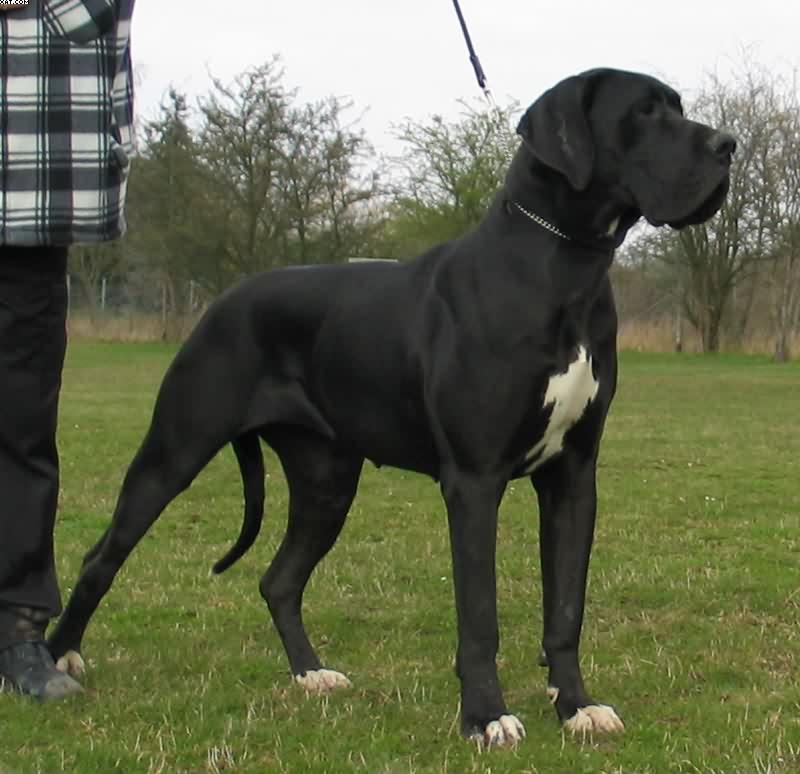
Great Dane
Temperament
About the Great Dane
The Great Dane is a German breed with a history that stretches back to the Middle Ages, when large, powerful dogs were bred by German nobility to hunt bear, wild boar, and deer. These early ancestors were a deliberate cross between the English Mastiff and the Irish Greyhound, combining the Mastiff's bulk and power with the Greyhound's speed and reach. By the 17th century, the most prized of these dogs were kept as chamber dogs in the estates of German aristocracy — sleeping in ornate beds and wearing gilded collars — a reflection of their status as symbols of wealth and prestige.
The breed was formally standardized in Germany during the 19th century. In 1880, at a dog show in Berlin, German breeders and judges agreed to separate the breed from the English Mastiff entirely and rename it the Deutsche Dogge — German Mastiff. The German Dane Club, known as the Deutsche Doggen Club, was founded in 1888, and it remains the breed's parent club in its country of origin to this day. The name "Great Dane" is something of a historical accident — a French naturalist traveling through Denmark in the 1700s encountered one of these dogs and called it the "Grand Danois," a name that stuck in English-speaking countries despite having nothing to do with Denmark.
The American Kennel Club recognized the Great Dane in 1887, making it one of the earlier breeds formally registered in the United States. Today it is governed in America by the Great Dane Club of America (GDCA), founded in 1889, one of the oldest breed clubs in the country. The GDCA maintains the breed standard, promotes ethical breeding, and runs its own health registry program in coordination with the Orthopedic Foundation for Animals.
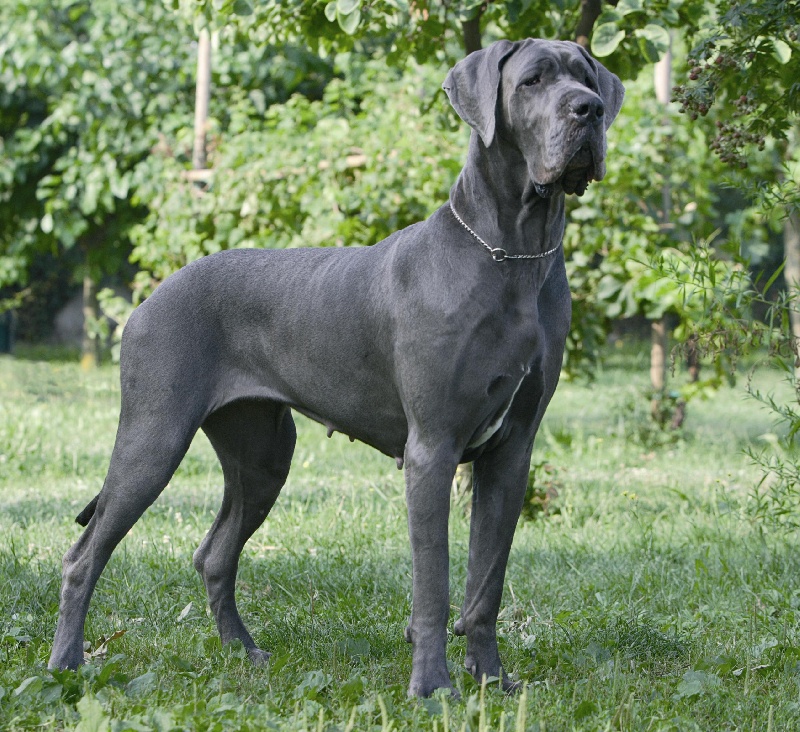
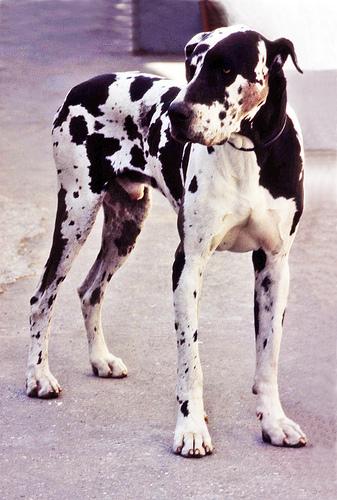
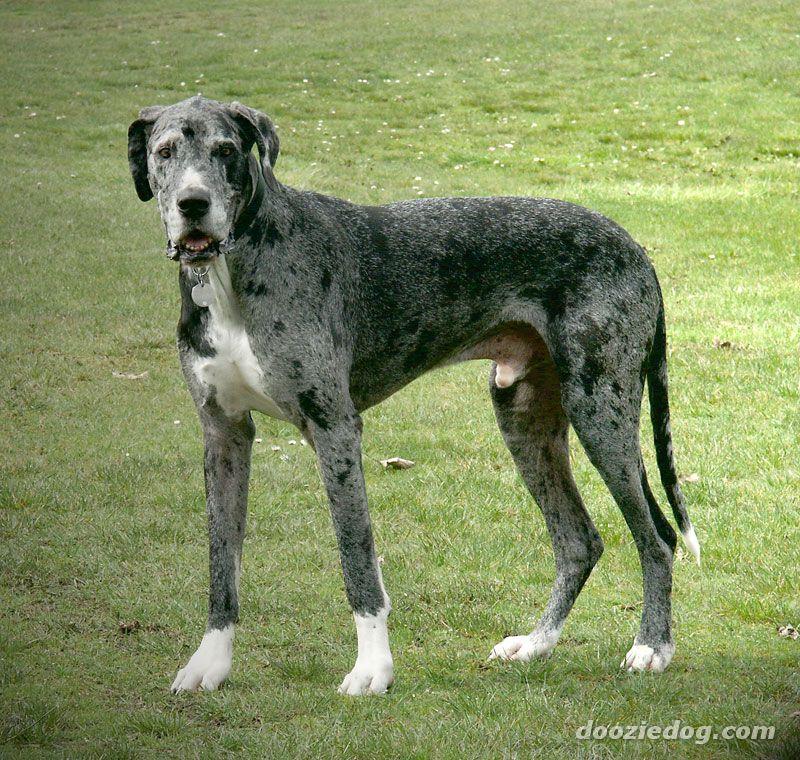
What makes the Great Dane distinct from related giant breeds is its unique mastiff-sighthound heritage, which produces a dog that is simultaneously massive and elegant. Unlike the Saint Bernard or Mastiff, which are built low and wide, the Great Dane is tall and lean — the tallest of all dog breeds by standard, with males required to stand at least 30 inches at the shoulder. The AKC ranks the Great Dane 21st in popularity out of 205 recognized breeds, a testament to how well this giant has adapted from boar hunter and estate guardian to family companion. No other breed combines the Apollo-like physical presence of the Dane with its characteristically gentle, almost philosophical temperament.
At a Glance
Quick Facts
- Breed Group:
- Working
- Bred For:
- Hunting & holding boars, Guardian
- Origin:
- Germany
- Life Span:
- 7 - 10 years
- Weight:
- 110 - 190 lbs
- Height:
- 28 - 32 in
💰 Great Dane Cost Guide
Food · Vet · Grooming · Insurance · Full breakdown
Frequently Asked Questions
What is the temperament of a Great Dane?
Great Danes are known to be friendly, devoted, reserved, gentle, confident, loving, affectionate, independent, curious, dignified, loyal. This combination of traits makes them excellent companions for families with children. Their temperament is influenced by both genetics and proper socialization from an early age.
How much exercise does a Great Dane need?
Great Danes are high-energy dogs requiring 60+ minutes of vigorous daily exercise and mental stimulation.
How often should I groom my Great Dane?
Great Danes require minimal grooming with weekly brushing and occasional baths.
How do I train a Great Dane?
Great Danes are highly trainable and typically respond well to positive reinforcement methods.
Are Great Danes good with children?
Great Danes are excellent with children. Their natural patience, gentle nature, and resilience make them outstanding family dogs. They typically form strong bonds with children and tend to be forgiving of the occasional accidental rough handling that can occur with younger kids. Remember that proper socialization and teaching children appropriate interaction with dogs are always important, regardless of breed.
What makes the Great Dane unique compared to other dog breeds?
The Great Dane stands out from other breeds due to its impressive stature and presence, dignified appearance and bearing, rich heritage from Germany, exceptional hunting abilities. This unique combination of characteristics makes them special among dog breeds and appeals to owners who appreciate these distinct qualities. Understanding these traits helps provide appropriate care tailored to their specific needs.
What should I know before getting a Great Dane?
Before bringing a Great Dane into your home, potential owners should consider: They have high exercise requirements (5/5) and need an active owner. Their coat is relatively low-maintenance (2/5). They typically excel in family environments with children (5/5 child-friendliness). They're typically highly trainable (5/5) and eager to learn. Their large size requires adequate living space. They may be prone to breed-specific health issues including Bloat (GDV), Dilated Cardiomyopathy, Hip Dysplasia, Wobbler Syndrome (Cervical Spondylomyelopathy), Osteosarcoma, Hypertrophic Osteodystrophy. Additionally, researching reputable breeders or rescue organizations is essential for finding a healthy, well-socialized Great Dane. Understanding these factors will help ensure a good match between the breed and your lifestyle, leading to a happy relationship for both you and your dog.
What were Great Danes originally bred for?
Great Danes were originally bred for hunting & holding boars, guardian. This hunting background explains their natural prey drive, scenting abilities, and often high energy levels. As part of the Working group, they share characteristics with other breeds developed for similar purposes. Understanding your Great Dane's breeding heritage helps explain many of their natural behaviors and instincts, which can be channeled appropriately through training and enrichment activities. Even though modern Great Danes are primarily companions, these inherent traits remain part of their genetic makeup.
How long do Great Danes typically live?
The average lifespan of a Great Dane is 7 - 10 years. With proper care including quality nutrition, regular veterinary check-ups, appropriate exercise, and preventative healthcare, some Great Danes may live beyond this range. Genetics, environment, and healthcare all play important roles in determining longevity.
How long do Great Danes live on average?
Great Danes have one of the shortest lifespans of any dog breed, averaging 7 to 10 years. In practice, many Danes fall on the lower end of that range, particularly those affected by dilated cardiomyopathy or cancer. The breed's enormous size places significant metabolic stress on the heart and skeletal system throughout its life. Some Danes do reach 10 or 11 years, and this is more likely in dogs from lines with strong cardiac health testing, maintained at a lean healthy weight, and fed appropriate giant-breed nutrition from puppyhood. The lifespan is one of the most emotionally significant factors prospective owners need to honestly consider before bringing a Dane home.
Are Great Danes good apartment dogs?
Great Danes adapt to apartment living better than their size suggests, largely because of their calm, low-energy indoor temperament. An adult Dane that has been properly exercised is content to spend the majority of its day resting, and its moderate exercise needs — typically one or two good daily walks — can realistically be met without a yard. The practical challenges of apartment life with a Dane are real, however: elevators are mandatory in multi-story buildings given joint stress from stairs, neighbors may have concerns, and the dog's sheer physical mass makes small spaces feel genuinely crowded. Dane puppies are a different story — the first 18 months involve significant energy, clumsiness, and destructive potential that is much harder to manage in a small space.
What is bloat in Great Danes and how do you prevent it?
Bloat, or Gastric Dilatation-Volvulus (GDV), is a life-threatening condition in which a Great Dane's stomach fills with gas and then rotates on itself, trapping the contents and cutting off blood supply. Great Danes have an estimated 40 percent lifetime risk of GDV — among the highest of any breed — due to their deep, narrow chest conformation. Without emergency surgery, GDV is fatal within hours. Prevention centers on a surgical procedure called a prophylactic gastropexy, in which the stomach is sutured to the abdominal wall to prevent the fatal twist. Many veterinarians recommend performing this surgery when the dog is spayed or neutered. Additional management strategies include feeding multiple small meals per day rather than one large meal, using a slow-feeder bowl, and avoiding vigorous exercise immediately before and after eating.
Do Great Danes get along with children and other pets?
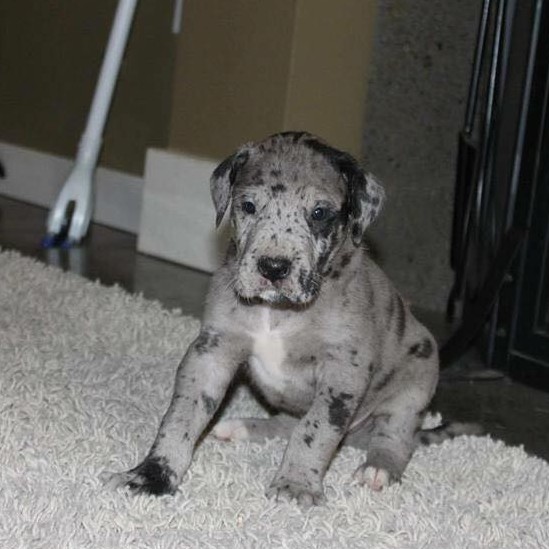
Great Danes are generally patient, gentle, and affectionate with children and tend to bond strongly with the family unit. However, the primary safety concern with Danes and young children is not aggression — it is size. An enthusiastic Dane can knock a toddler or small child over simply by turning around or wagging its tail, and interactions between very young children and Danes should always be supervised. With proper early socialization, most Danes coexist well with other dogs, including dogs much smaller than themselves. Cat compatibility varies more by individual dog, particularly in Danes that still carry strong prey drive, and introductions should be managed carefully. A Dane raised with cats from puppyhood is typically far more reliable around them than one introduced to cats as an adult.
Additional Characteristics
Care Requirements
They are extremely energetic dogs requiring extensive daily exercise, activities, and mental stimulation.
They need regular but basic grooming such as weekly brushing.
Highly trainable — quick to learn and eager to please
They are excellent with children and often form strong bonds with them.
Great Dane
Complete Breed Guide
About the Great Dane
The Great Dane, originating from Germany, was initially bred for hunting large game and as a guard dog. This breed is characterized by its impressive size, standing between 28 to 32 inches tall and weighing 110 to 190 pounds. Known for their friendly and devoted temperament, Great Danes are gentle giants who are affectionate with families, yet can be reserved around strangers, making them both loyal companions and effective watchdogs. Their life expectancy ranges from 7 to 10 years.
Great Danes are known for being friendly, devoted, reserved, gentle, confident, and loving, affectionate, independent. As a high-energy breed, they are highly responsive to training and thrive with regular mental and physical activity. They are excellent with children of all ages and friendly with other dogs, making them a popular choice for families and experienced dog owners alike.
Caring for a Great Dane means committing to minimal grooming — a quick brush once a week is usually enough, intense daily exercise, and firm, consistent training. Their gentle, social nature makes them a wonderful addition to active families.
At a Glance
Quick Facts
- Breed Group:
- Working
- Bred For:
- Hunting & holding boars, Guardian
- Origin:
- Germany
- Life Span:
- 7 - 10 years
- Weight:
- 110 - 190 lbs
- Height:
- 28 - 32 in
Temperament
Free Great Dane Health Guide
Great Danes can be prone to Bloat (GDV) and other conditions. Get our owner's health checklist and monthly vet tips — free.
- ✓Great Dane-specific health warning signs
- ✓Vet visit checklist & cost tracker
- ✓Monthly breed health newsletter
Finding similar breeds...
How We Find Similar Breeds
We analyze breed characteristics including temperament, size, appearance, and care needs to identify the most similar dog breeds. This helps you discover alternatives that might be a good match for your lifestyle and preferences.
Adopt a Great Dane
Filter to show only purebred Great Danes (excludes mixed breeds and crosses)
Find Dogs Near You
Enter your location to discover adoptable pets nearby
How to Adopt a Great Dane
Follow these steps to ensure a smooth and responsible adoption process. Remember that adopting a dog is a lifelong commitment.
Research the Breed
Learn everything you can about Great Danes, including their temperament, exercise needs, grooming requirements, and potential health issues.
Find Reputable Sources
Look for adoptable dogs through shelters, rescue organizations, or responsible breeders. Avoid puppy mills and online scams.
Apply for Adoption
Complete an adoption application with your chosen organization. Be prepared to provide references and possibly go through a home visit.
Meet Your Potential Pet
Schedule a meeting with the dog to assess compatibility with you, your family, and any existing pets.
Prepare Your Home
Gather necessary supplies and dog-proof your home before bringing your new pet home.
1Essential Supplies
Food and water bowls, high-quality dog food, collar with ID tag, leash, bed, crate, toys, treats, grooming supplies, and cleaning products for accidents.
2Create a Safe Space
Designate an area where your dog can retreat when feeling overwhelmed. This could be a crate with comfortable bedding or a quiet corner with their bed.
3Remove Hazards
Secure or remove toxic plants, chemicals, small objects that could be swallowed, and foods that are harmful to dogs. Use baby gates if needed to restrict access to certain areas.
4Find a Veterinarian
Research and choose a veterinarian before bringing your dog home, and schedule an initial check-up shortly after adoption.
What is the dog's background and history?
Understanding a dog's past can help you anticipate potential behavior issues and provide appropriate support.
Has the dog been spayed/neutered and vaccinated?
This information is important for planning future veterinary care and understanding any immediate medical needs.
What is the dog's energy level and exercise needs?
Great Danes typically need regular exercise to stay healthy and happy. Ask about specific exercise requirements.
Has the dog been socialized with other animals and people?
This helps you understand how the dog might interact with your family, friends, and other pets.
Are there any known behavioral or health issues?
Knowing about existing issues helps you prepare for any special care or training needs.
Special Considerations for Great Danes
- Great Danes may have specific health concerns that require regular monitoring.
- Consider how the typical Great Dane temperament aligns with your lifestyle.
- Research the grooming needs of Great Danes to ensure you can commit to the required maintenance.
- Understand the exercise requirements of Great Danes to keep them healthy and prevent behavior problems.
- Learn about proper training methods that work well with Great Danes.
 Great Dane — Official AKC Breed VideoAmerican Kennel Club
Watch the official AKC video covering temperament, history, traits, and care.
Watch on YouTube →Product Recommendations for Great Danes
See all →Vet-reviewed picks for food, insurance, crates, brushes, treats, and toys — matched to this breed.
Compare Great Dane with Similar Breeds
See how the Great Dane stacks up against other breeds side by side.