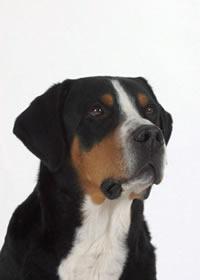
Greater Swiss Mountain Dog
Temperament
About the Greater Swiss Mountain Dog
The Greater Swiss Mountain Dog — affectionately called the Swissy — is the largest and believed to be the oldest of the four Sennenhund breeds native to the Swiss Alps, a group that also includes the Bernese Mountain Dog, Appenzeller Sennenhund, and Entlebucher Mountain Dog. These dogs served Alpine communities for centuries as all-purpose farm workers: hauling milk carts and butcher's wagons, driving cattle to market, guarding farmsteads, and serving as general companions to farming families. The breed nearly went extinct in the late 19th and early 20th centuries as mechanization replaced draft animals, but was preserved through the efforts of cynologist Albert Heim and the Swiss Cynological Society beginning in the early 1900s.
The AKC recognized the Greater Swiss Mountain Dog in 1995, placing it in the Working Group. The breed's US population is relatively small — typically ranking outside the top 75 in AKC registrations — which means the breeding community is more concentrated and health-conscious than in higher-volume breeds, but puppy availability and rescue inventory are also limited.
The Swissy is a dog that surprises new owners with its emotional sensitivity and family devotion. Despite the substantial size — males reaching 140 pounds — they are gentle giants within their households, deeply attached to their people and reliable with children when properly socialized. They have a calm, self-assured confidence that is characteristic of working guardian breeds: not aggressive, not anxious, but watchful and assured. Their exercise needs are moderate relative to their size — they are not as relentlessly active as, say, a Belgian Malinois — but they do require consistent daily activity and definitely should not be confined to an apartment.
At a Glance
Quick Facts
- Breed Group:
- Working
- Bred For:
- Drafting, herding cattle, guarding farms
- Origin:
- Switzerland
- Life Span:
- 8 - 11 years
- Weight:
- 85 - 140 lbs
- Height:
- 23.5 - 28.5 in
💰 Greater Swiss Mountain Dog Cost Guide
Food · Vet · Grooming · Insurance · Full breakdown
Frequently Asked Questions
What is the temperament of a Greater Swiss Mountain Dog?
Greater Swiss Mountain Dogs are known to be bold, faithful, alert, affectionate, good-natured, devoted, confident, dependable, gentle, intelligent. This combination of traits makes them excellent companions for families with children. Their temperament is influenced by both genetics and proper socialization from an early age.
How much exercise does a Greater Swiss Mountain Dog need?
Greater Swiss Mountain Dogs have moderate energy levels and need 30-60 minutes of daily exercise including walks and playtime.
How often should I groom my Greater Swiss Mountain Dog?
Greater Swiss Mountain Dogs require minimal grooming with weekly brushing and occasional baths.
How do I train a Greater Swiss Mountain Dog?
Greater Swiss Mountain Dogs have moderate trainability and benefit from consistent, positive training approaches.
Are Greater Swiss Mountain Dogs good with children?
Greater Swiss Mountain Dogs are excellent with children. Their natural patience, gentle nature, and resilience make them outstanding family dogs. They typically form strong bonds with children and tend to be forgiving of the occasional accidental rough handling that can occur with younger kids. Remember that proper socialization and teaching children appropriate interaction with dogs are always important, regardless of breed.
What makes the Greater Swiss Mountain Dog unique compared to other dog breeds?
The Greater Swiss Mountain Dog stands out from other breeds due to its impressive stature and presence, rich heritage from Switzerland, natural protective instincts. This unique combination of characteristics makes them special among dog breeds and appeals to owners who appreciate these distinct qualities. Understanding these traits helps provide appropriate care tailored to their specific needs.
What should I know before getting a Greater Swiss Mountain Dog?
Before bringing a Greater Swiss Mountain Dog into your home, potential owners should consider: Their coat is relatively low-maintenance (2/5). They typically excel in family environments with children (5/5 child-friendliness). Their large size requires adequate living space. They may be prone to breed-specific health issues including Hip Dysplasia, Elbow Dysplasia, Gastric Dilatation-Volvulus (Bloat), Osteochondrosis (OCD), Epilepsy, Distichiasis. Additionally, researching reputable breeders or rescue organizations is essential for finding a healthy, well-socialized Greater Swiss Mountain Dog. Understanding these factors will help ensure a good match between the breed and your lifestyle, leading to a happy relationship for both you and your dog.
What were Greater Swiss Mountain Dogs originally bred for?
Greater Swiss Mountain Dogs were originally bred for drafting, herding cattle, guarding farms. This herding heritage explains their intelligence, focus, and sometimes tendency to herd family members, particularly children. As part of the Working group, they share characteristics with other breeds developed for similar purposes. Understanding your Greater Swiss Mountain Dog's breeding heritage helps explain many of their natural behaviors and instincts, which can be channeled appropriately through training and enrichment activities. Even though modern Greater Swiss Mountain Dogs are primarily companions, these inherent traits remain part of their genetic makeup.
How long do Greater Swiss Mountain Dogs typically live?
The average lifespan of a Greater Swiss Mountain Dog is 8 - 11 years. With proper care including quality nutrition, regular veterinary check-ups, appropriate exercise, and preventative healthcare, some Greater Swiss Mountain Dogs may live beyond this range. Genetics, environment, and healthcare all play important roles in determining longevity.
Is a Greater Swiss Mountain Dog the same as a Bernese Mountain Dog?
No — Greater Swiss Mountain Dogs and Bernese Mountain Dogs are two separate breeds, though both belong to the Swiss Sennenhund family and share the distinctive tricolor black, white, and rust markings. The Greater Swiss has a short, dense coat; the Bernese has a long, silky coat with a pronounced mane. Swissies are generally larger, shorter-lived (8 to 11 years vs. 7 to 10 for Berners), and slightly more independent in temperament. Both are excellent family dogs for owners who can manage their size.
How much does a Greater Swiss Mountain Dog eat?
An adult Greater Swiss Mountain Dog in the 85 to 140 pound range typically eats 4 to 6 cups of quality dry kibble per day, split into two meals. Feeding from two divided meals rather than one large meal is strongly recommended given the breed's bloat risk. Monthly food costs on a quality large-breed kibble run $80 to $110 depending on the dog's size and activity level.
Additional Characteristics
Care Requirements
They have a moderate energy level and benefit from daily walks and play sessions.
They need regular but basic grooming such as weekly brushing.
Moderately trainable with consistent methods
They are excellent with children and often form strong bonds with them.
Greater Swiss Mountain Dog
Complete Breed Guide
About the Greater Swiss Mountain Dog
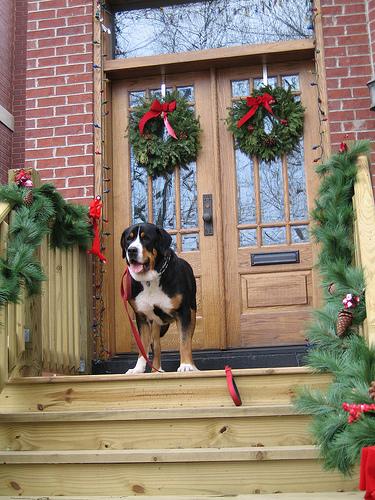
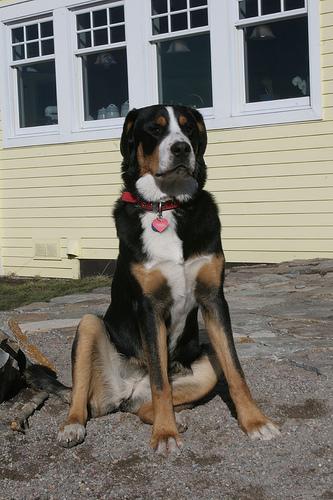
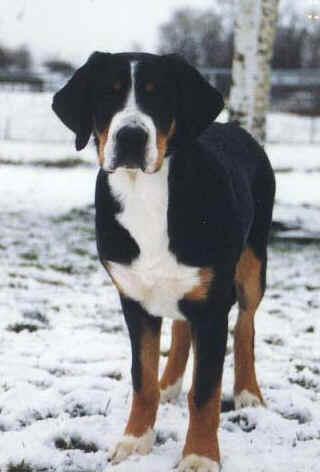
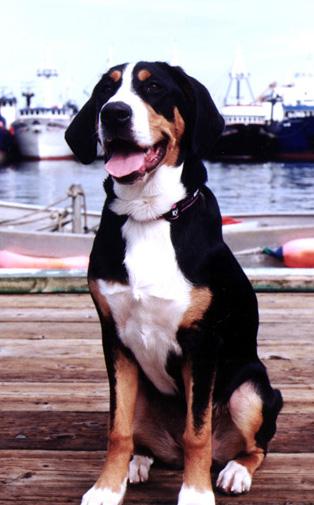
The Greater Swiss Mountain Dog is the largest of the four Swiss Sennenhund breeds, a powerful, tricolor drafter and herder developed in the Swiss Alps to haul heavy loads, drive cattle, and guard farms. Weighing 85 to 140 pounds and standing 23.5 to 28.5 inches, the Swissy is a substantial, athletic dog with a distinctive short tricolor coat of black, white, and rust. Despite their working dog size, they are gentle, affectionate, and devoted to their families. They require moderate exercise and early socialization. Greater Swiss Mountain Dogs live 8 to 11 years and are known for their striking appearance and calm, confident temperament.
Greater Swiss Mountain Dogs are known for being bold, faithful, alert, affectionate, good-natured, and devoted, confident, dependable. As a moderately energetic breed, they are moderately trainable and thrive with regular mental and physical activity. They are excellent with children of all ages and friendly with other dogs, making them a popular choice for families and experienced dog owners alike.
Caring for a Greater Swiss Mountain Dog means committing to minimal grooming — a quick brush once a week is usually enough, regular daily walks, and positive-reinforcement training. Their gentle, social nature makes them a wonderful addition to active families.
At a Glance
Quick Facts
- Breed Group:
- Working
- Bred For:
- Drafting, herding cattle, guarding farms
- Origin:
- Switzerland
- Life Span:
- 8 - 11 years
- Weight:
- 85 - 140 lbs
- Height:
- 23.5 - 28.5 in
Temperament
Free Greater Swiss Mountain Dog Health Guide
Greater Swiss Mountain Dogs can be prone to Hip Dysplasia and other conditions. Get our owner's health checklist and monthly vet tips — free.
- ✓Greater Swiss Mountain Dog-specific health warning signs
- ✓Vet visit checklist & cost tracker
- ✓Monthly breed health newsletter
Finding similar breeds...
How We Find Similar Breeds
We analyze breed characteristics including temperament, size, appearance, and care needs to identify the most similar dog breeds. This helps you discover alternatives that might be a good match for your lifestyle and preferences.
Explore Related Breeds & Guides
Adopt a Greater Swiss Mountain Dog
Filter to show only purebred Greater Swiss Mountain Dogs (excludes mixed breeds and crosses)
Find Dogs Near You
Enter your location to discover adoptable pets nearby
How to Adopt a Greater Swiss Mountain Dog
Follow these steps to ensure a smooth and responsible adoption process. Remember that adopting a dog is a lifelong commitment.
Research the Breed
Learn everything you can about Greater Swiss Mountain Dogs, including their temperament, exercise needs, grooming requirements, and potential health issues.
Find Reputable Sources
Look for adoptable dogs through shelters, rescue organizations, or responsible breeders. Avoid puppy mills and online scams.
Apply for Adoption
Complete an adoption application with your chosen organization. Be prepared to provide references and possibly go through a home visit.
Meet Your Potential Pet
Schedule a meeting with the dog to assess compatibility with you, your family, and any existing pets.
Prepare Your Home
Gather necessary supplies and dog-proof your home before bringing your new pet home.
1Essential Supplies
Food and water bowls, high-quality dog food, collar with ID tag, leash, bed, crate, toys, treats, grooming supplies, and cleaning products for accidents.
2Create a Safe Space
Designate an area where your dog can retreat when feeling overwhelmed. This could be a crate with comfortable bedding or a quiet corner with their bed.
3Remove Hazards
Secure or remove toxic plants, chemicals, small objects that could be swallowed, and foods that are harmful to dogs. Use baby gates if needed to restrict access to certain areas.
4Find a Veterinarian
Research and choose a veterinarian before bringing your dog home, and schedule an initial check-up shortly after adoption.
What is the dog's background and history?
Understanding a dog's past can help you anticipate potential behavior issues and provide appropriate support.
Has the dog been spayed/neutered and vaccinated?
This information is important for planning future veterinary care and understanding any immediate medical needs.
What is the dog's energy level and exercise needs?
Greater Swiss Mountain Dogs typically need regular exercise to stay healthy and happy. Ask about specific exercise requirements.
Has the dog been socialized with other animals and people?
This helps you understand how the dog might interact with your family, friends, and other pets.
Are there any known behavioral or health issues?
Knowing about existing issues helps you prepare for any special care or training needs.
Special Considerations for Greater Swiss Mountain Dogs
- Greater Swiss Mountain Dogs may have specific health concerns that require regular monitoring.
- Consider how the typical Greater Swiss Mountain Dog temperament aligns with your lifestyle.
- Research the grooming needs of Greater Swiss Mountain Dogs to ensure you can commit to the required maintenance.
- Understand the exercise requirements of Greater Swiss Mountain Dogs to keep them healthy and prevent behavior problems.
- Learn about proper training methods that work well with Greater Swiss Mountain Dogs.
Product Recommendations for Greater Swiss Mountain Dogs
See all →Vet-reviewed picks for food, insurance, crates, brushes, treats, and toys — matched to this breed.
Compare Greater Swiss Mountain Dog with Similar Breeds
See how the Greater Swiss Mountain Dog stacks up against other breeds side by side.